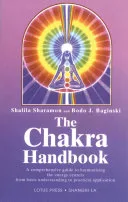
Chakras Handbook
 81
81

Chakras Handbook
Shalila Sharaman's Chakras Handbook provides a methodical, almost clinical, approach to a subject often steeped in vagueness. Its strength lies in its exhaustive detail regarding the specific correspondences for each chakra—color, sound, element, and associated psychological states—which is invaluable for serious study. The inclusion of techniques for opening and utilizing chakra force is practical, though some methods feel more instructional than deeply experiential. A limitation is the book's somewhat dry presentation; it lacks the poetic flair some readers might expect from esoteric literature. However, the passage detailing the interaction between the Third Eye (Ajna) chakra and intuition offers a clear, grounded explanation of a notoriously abstract concept. Sharaman's work serves as a solid, dependable manual for anyone needing a clear roadmap through the chakra system.
📝 Description
81
First published in 1991, Chakras Handbook offers a structured approach to the body's energy centers.
Chakras Handbook details the seven primary chakras, explaining their associated colors, sounds, and energetic functions. The book provides historical context for these concepts and offers practical methods for activating and using their power. It is written for individuals seeking a clear system for understanding and working with their internal energy. The text is suitable for those new to chakra work as well as experienced practitioners who want a thorough reference.
Shalila Sharaman systematically breaks down the function and importance of each chakra, from the Root (Muladhara) to the Crown (Sahasrara). The work discusses how these energy centers are interconnected and how they affect physical, emotional, and spiritual health. A main focus is on techniques for balancing and opening the chakras, which are presented with clear, actionable instructions. Readers interested in yogic philosophy, meditation, and the subtle body will find its explanations relevant.
Published in 1991, Chakras Handbook appeared during a time of growing Western interest in Eastern spiritual traditions. The late 20th century saw increased literature on yoga, meditation, and alternative healing. This book aimed to clarify complex energetic ideas for a wide audience, fitting into the expanding field of esoteric wellness literature.
💡 Why Read This Book?
• Learn specific techniques for opening and balancing each of the seven primary chakras, moving beyond theoretical understanding to practical application as detailed in the book's exercise sections. • Understand the unique energetic correspondences for each chakra, including their specific colors, sounds, and activities, as outlined in the chapter on chakra details. • Gain background information on the historical and philosophical origins of the chakra system, providing context that deepens your practice beyond superficial engagement, as explored in the introductory sections.
⭐ Reader Reviews
Honest opinions from readers who have explored this book.
❓ Frequently Asked Questions
What are the seven primary chakras discussed in Chakras Handbook?
Chakras Handbook details the seven primary energy centers: Muladhara (Root), Svadhisthana (Sacral), Manipura (Solar Plexus), Anahata (Heart), Vishuddha (Throat), Ajna (Third Eye), and Sahasrara (Crown).
When was Chakras Handbook first published?
Chakras Handbook was first published on January 1, 1991, reflecting the growing interest in esoteric and spiritual studies during that period.
What kind of techniques are offered for opening chakras?
The book provides practical techniques for opening chakras, often involving visualization, sound (mantras), and focused intention, aiming to stimulate and balance the energy centers.
Does the book explain the associated colors and sounds of each chakra?
Yes, Chakras Handbook offers detailed explanations of the specific colors, sounds, and other sensory correspondences for each of the seven main chakras.
Is this book suitable for beginners in chakra study?
Absolutely. Its structured approach and clear explanations make it an ideal starting point for those new to the concept of chakras and energy work.
What does the book say about utilizing chakra force?
It explains how to consciously direct and utilize the energy generated by balanced chakras for personal growth, healing, and enhanced well-being.
🔮 Key Themes & Symbolism
Chakra Energetic Correspondences
The book meticulously details the specific energetic signatures of each of the seven primary chakras. This includes their associated colors, such as red for the Root Chakra and indigo for the Third Eye. It also covers their corresponding sounds or bija mantras, elemental associations (like Earth for the Root and Ether for the Crown), and the psychological and physical functions they govern. Understanding these correspondences is presented as crucial for diagnosing imbalances and for targeted energetic work.
Techniques for Chakra Activation
A significant portion of Chakras Handbook is dedicated to practical methods for opening, balancing, and strengthening the chakras. These techniques often involve focused meditation, visualization exercises to imbue each center with its appropriate color or energy, and the use of specific sounds or mantras to stimulate vibrational resonance. The aim is to facilitate the free flow of energy throughout the subtle body.
Background and Philosophy
Sharaman provides essential background information on the origins and philosophical underpinnings of the chakra system, situating it within broader spiritual traditions. While not extensively historical, it offers enough context to understand why these energy centers are considered vital for holistic well-being in various yogic and Tantric lineages. This grounding helps readers appreciate the depth of the practices presented.
Utilizing Chakra Force
Beyond mere opening and balancing, the handbook addresses how to consciously utilize the power of the chakras. This involves understanding how each chakra influences different aspects of life—from grounding and creativity (Root) to communication (Throat) and spiritual connection (Crown). The work suggests that by mastering these centers, individuals can enhance their personal power, intuition, and overall life experience.
💬 Memorable Quotes
Direct passages from the work, attributed to the author.
“The Root Chakra governs our connection to the physical world and our sense of security.”
— This highlights the foundational role of the Muladhara chakra, emphasizing its importance for grounding and basic survival needs before higher spiritual pursuits can be effectively undertaken.
“Opening the Throat Chakra allows for authentic self-expression and clear communication.”
— This points to the Vishuddha chakra's function in articulating one's truth, suggesting that energetic blockages here can impede honest dialogue and personal release.
“Each chakra has a specific sound that can help to activate its energy.”
— This emphasizes the use of sonic frequencies, like bija mantras, as a practical tool for working with the subtle energies of the chakras, promoting vibrational alignment.
“The Third Eye chakra is associated with intuition and inner knowing.”
— This focuses on the Ajna chakra's role in psychic perception and wisdom that transcends logical thought, underscoring its importance for insight and foresight.
💡 Key Ideas
Editorial paraphrase of the work's core concepts — not direct quotes.
Balancing the chakras leads to greater overall physical and emotional well-being.
This summarizes the core benefit of chakra work, presenting the system as an integrated approach to health where energetic harmony directly impacts one's state of being.
🌙 Esoteric Significance
Tradition
Chakras Handbook draws heavily from the tantric and yogic traditions of India, which conceptualize the body as a subtle energy system. It fits within the broader Hermetic and Gnostic traditions' interest in esoteric anatomy and spiritual development through understanding inner mechanisms. However, its presentation aims for a more accessible, less initiatory approach than classical texts, aligning with late 20th-century Western esoteric movements seeking practical application.
Symbolism
The book extensively uses color symbolism, associating specific hues like red (Root Chakra) with grounding and stability, and violet or white (Crown Chakra) with spiritual connection and transcendence. Another key symbol is sound, particularly the bija mantras or seed sounds associated with each chakra, believed to vibrate and awaken the energy centers. The lotus flower, often depicted with varying numbers of petals corresponding to each chakra, also serves as a recurring visual metaphor for unfolding consciousness.
Modern Relevance
Contemporary practices in mindfulness, yoga therapy, and energy healing frequently reference and build upon the chakra system as presented in foundational texts like Chakras Handbook. Modern thinkers and practitioners in fields such as somatic psychology and consciousness studies often incorporate chakra concepts to explain energetic blockages and facilitate emotional release, demonstrating the work's enduring influence on holistic wellness and personal growth paradigms.
👥 Who Should Read This Book
• Aspiring practitioners of energy work and subtle body anatomy seeking a foundational understanding of the chakra system. • Yoga instructors and students looking for detailed reference material on chakra correspondences and their energetic functions. • Individuals interested in self-healing and personal development who want to explore the connection between energetic centers and emotional/physical well-being.
📜 Historical Context
Published in 1991, Chakras Handbook emerged during a significant resurgence of interest in New Age spirituality and holistic health practices. The late 20th century saw a broad adoption of Eastern concepts, including yoga and meditation, into Western culture. This period was marked by authors like Fritjof Capra exploring the intersection of physics and mysticism, and a general openness to alternative healing modalities. Sharaman's work contributed to this milieu by offering a structured, practical guide to the chakra system, a concept popularized in the West largely through the influence of Theosophy and later, various yogic traditions. While competing schools of thought focused on different energetic models, such as Chinese meridians, Sharaman’s book provided a comprehensive Western interpretation of Indian tantric and yogic concepts, making them accessible to a contemporary audience seeking personal development.
📔 Journal Prompts
The Root Chakra's connection to security: Reflect on how your sense of safety impacts your daily life.
Visualizing the Sacral Chakra's orange hue: Describe any feelings or images that arise.
Authentic expression via the Throat Chakra: Journal about a time you struggled to voice your truth.
The Third Eye's intuitive whispers: Record any subtle insights or premonitions you've experienced.
Balancing the Crown Chakra: Consider how you connect with the spiritual or universal aspects of existence.
🗂️ Glossary
Chakra
Literally 'wheel' in Sanskrit, a chakra is understood as a spinning vortex of subtle energy located along the central channel of the body, influencing physical, emotional, and spiritual states.
Muladhara
The Root Chakra, located at the base of the spine, associated with grounding, security, and physical survival. Its color is typically red.
Ajna
The Third Eye Chakra, situated between the eyebrows, governing intuition, insight, and psychic perception. Its color is often indigo.
Bija Mantra
A single-syllable 'seed sound' associated with each chakra, believed to vibrate and awaken its specific energy when chanted.
Subtle Body
The non-physical energetic counterpart to the physical body, comprising channels (nadis), energy centers (chakras), and vital force (prana).
Sahasrara
The Crown Chakra, located at the top of the head, representing spiritual connection, universal consciousness, and enlightenment. Its color is typically violet or white.
Energetic Imbalance
A state where a chakra is either overactive, underactive, or blocked, leading to potential physical, emotional, or mental disharmony.