The Book of Shadows
 78
78

The Book of Shadows
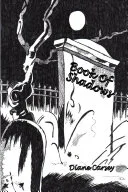
Diane Carsey’s The Book of Shadows offers a series of grim vignettes inspired by the Derbyshire landscape. The strength of this collection lies in its potent atmosphere; Carsey excels at painting rural settings with an unsettling brush, making the familiar feel subtly wrong. The stories often build towards abrupt, sharp turns that can leave the reader momentarily disoriented, a commendable feat for short fiction. However, the brevity that serves the collection well in crafting impact also means some narrative threads feel underdeveloped, leaving one wishing for a deeper exploration of the introduced dread. A notable example is the pervasive unease found in tales set near ancient standing stones, where the weight of history seems to press upon the present. The work’s primary limitation is an occasional reliance on shock value over sustained thematic development. Nevertheless, Carsey demonstrates a promising talent for crafting unsettling, geographically specific horror.
📝 Description
78
Diane Carsey's The Book of Shadows, published in 2009, collects horror stories set in Derbyshire.
The Book of Shadows is a collection of short horror tales by Diane Carsey, first released on April 4, 2009. These narratives draw heavily from the atmosphere of the Derbyshire countryside, using its hills, woods, and small villages as inspiration. Carsey builds dread slowly, often leading to surprising and unsettling endings that subvert what readers might expect.
This collection suits those who enjoy short, effective horror stories that strongly feature their setting. Readers interested in folk horror and psychological suspense will appreciate how Carsey makes ordinary rural places feel menacing. The stories aim to stay with the reader, encouraging thought about the strange side of the familiar.
Published in 2009, The Book of Shadows aligns with a tradition of regional gothic literature where the environment is central to the mood and character psychology. Carsey uses the Derbyshire landscape as more than a setting; its features become infused with a sense of ancient power or ill will. This approach echoes writers who use specific locales to create palpable unease and explore the darker aspects of seemingly peaceful places.
💡 Why Read This Book?
• Discover the unsettling power of rural settings, as Carsey uses the Derbyshire countryside to evoke a unique brand of dread not found in generic horror. • Experience narrative subversions that challenge expectations, offering surprising conclusions that prompt contemplation long after the final page. • Gain an appreciation for concise horror storytelling, learning how atmosphere and suggestion can be employed effectively within short-form narratives.
⭐ Reader Reviews
Honest opinions from readers who have explored this book.
❓ Frequently Asked Questions
What specific type of horror does The Book of Shadows feature?
The Book of Shadows primarily features psychological and folk horror. The stories leverage the atmospheric and often isolated nature of the Derbyshire countryside to build suspense and unease, frequently incorporating unsettling twists.
When was The Book of Shadows first published?
The Book of Shadows by Diane Carsey was first published on April 4, 2009, marking its emergence in the contemporary short horror landscape.
Are the stories in The Book of Shadows connected?
While each story can be read independently, they are connected by their shared inspiration from the Derbyshire countryside and a common tone of unsettling horror with surprising endings.
What is the author Diane Carsey known for?
Diane Carsey is an author recognized for her short horror stories, particularly those drawing inspiration from specific geographical locations like the Derbyshire countryside, and for their characteristic twists.
Does The Book of Shadows contain supernatural elements?
Many stories in The Book of Shadows explore uncanny or supernatural undertones, often blurring the lines between psychological distress and actual otherworldly occurrences within the rural setting.
What makes the endings of these stories unique?
The endings are frequently characterized by 'strange twists,' which often reframe the preceding narrative or introduce a darker, unexpected reality, leaving a lasting impression on the reader.
🔮 Key Themes & Symbolism
The Uncanny Rural
The collection masterfully employs the Derbyshire countryside not just as a setting, but as a character in itself. This theme explores how seemingly peaceful rural landscapes can harbor deep-seated dread and ancient malevolence. Stories often highlight the unsettling transformation of the familiar into the alien, where isolated farmhouses, mist-shrouded moors, and ancient woodlands become sites of psychological disturbance and encroaching horror. The work suggests that the quietude of the countryside can be a thin veil over something ancient and disturbing.
Subverted Expectations
A hallmark of Carsey's writing is the deliberate manipulation of reader expectations, culminating in narratives that possess 'strange twists towards the end.' This theme examines the nature of surprise in horror, showing how a carefully constructed narrative can pivot unexpectedly to reveal a darker truth or a descent into madness. These resolutions often recontextualize earlier events, forcing the reader to reconsider their interpretation of the story and its characters.
Isolation and Psychological Strain
Many of the stories implicitly or explicitly deal with the effects of isolation on the human psyche, particularly within the vast and often solitary expanse of the Derbyshire countryside. Characters are frequently depicted as being alone, either physically or emotionally, which amplifies their vulnerability to fear and psychological breakdown. This theme examines how solitude can become a breeding ground for paranoia, delusion, and the perception of threats that may or may not be real.
Traces of the Past
The landscapes of Derbyshire, rich with history, often serve as a conduit for the past to intrude upon the present. This theme explores how ancient sites, local folklore, or buried histories can manifest in contemporary events, suggesting that the land itself remembers and retains a form of power or memory. The unsettling events in the stories can be interpreted as traces of forgotten traumas or lingering presences tied to specific locations, linking the present horror to a deep, often unacknowledged past.
💬 Memorable Quotes
Direct passages from the work, attributed to the author.
“The mist rolled in from the moors, thicker than usual, swallowing the lane whole.”
— This evocative line captures the story's oppressive atmosphere, suggesting that the natural environment itself is becoming a source of concealment and threat, hinting at something being hidden or lost within the fog.
“He’d lived in this valley his whole life, but the woods felt different today.”
— This statement highlights the theme of the uncanny intruding upon the familiar. Even a lifelong resident senses a disturbing alteration in a known landscape, signaling a shift from the mundane to the potentially perilous.
“The silence of the old farmhouse was broken only by a sound that wasn't there.”
— This paradoxical description points to the psychological horror at play, where the absence of sound becomes a presence, implying a haunting or a descent into delusion where the protagonist perceives things that do not exist.
“She found the twist not at the end, but woven into the beginning.”
— This interpretation of Carsey's narrative technique suggests that the 'strange twists' are not always abrupt reveals, but often subtle details planted early on, rewarding close readers who look for the subversion within the initial setup.
💡 Key Ideas
Editorial paraphrase of the work's core concepts — not direct quotes.
The countryside held secrets older than the stones.
This line emphasizes the deep historical and perhaps pre-human resonance of the setting, implying that the land itself is a repository of ancient knowledge or power that influences the present events.
🌙 Esoteric Significance
Tradition
While The Book of Shadows is primarily a work of secular horror fiction, its thematic engagement with landscape, ancient secrets, and the uncanny can be loosely associated with certain esoteric currents. The deep connection to the land and the suggestion of ancient, immanent forces echo elements found in animistic beliefs and the earth-centered philosophies of modern paganism and some branches of Western esotericism. The title itself, 'The Book of Shadows,' traditionally refers to a witch's grimoire containing spells and rituals, hinting at hidden knowledge and practices, though the book's content focuses on psychological and atmospheric dread rather than explicit occultism.
Symbolism
The Derbyshire countryside itself functions as a potent symbol, representing both idyllic nature and a primordial, potentially dangerous force. Ancient standing stones or burial mounds, often present in such landscapes, symbolize deep time, forgotten rituals, and the enduring power of the past. Mist and fog act as symbols of obscurity, confusion, and the veiling of reality, representing the difficulty in discerning truth from illusion or the known from the unknown, a common motif in esoteric traditions concerned with hidden knowledge.
Modern Relevance
Contemporary folk horror revivalists and practitioners of nature-based spiritualities might find resonance in Carsey's portrayal of the land's hidden power. Writers and filmmakers exploring the psychological impact of isolation and the uncanny within natural settings continue to draw inspiration from works that skillfully blend environment with dread. The book's emphasis on the unsettling potential of the familiar landscape also aligns with modern anxieties about environmental change and humanity's relationship with the natural world, suggesting that the 'shadows' in the countryside might reflect deeper ecological or existential concerns.
👥 Who Should Read This Book
• Readers interested in folk horror and atmospheric suspense who want to explore how specific locations can generate unique forms of dread. • Fans of concise, impactful short stories that prioritize mood and unexpected narrative turns over extensive plot development. • Enthusiasts of regional literature seeking tales that are deeply rooted in the history and character of the Derbyshire countryside.
📜 Historical Context
The Book of Shadows, released in 2009, emerged during a dynamic period for horror literature, particularly in short fiction and independent publishing. While not aligned with a dominant literary movement of the era, it tapped into a renewed interest in regional gothic and folk horror, traditions that emphasize the unsettling aspects of rural or isolated settings. Authors like Susan Hill, whose atmospheric ghost stories gained significant traction throughout the late 20th and early 21st centuries, shared Carsey’s focus on place-based dread. The early 2000s saw a proliferation of online literary journals and small presses eager to publish genre fiction, providing a platform for authors like Carsey to showcase their work. This environment fostered a diverse range of horror styles, from the supernatural to the psychological, often with authors drawing inspiration from their immediate surroundings, much like Carsey’s engagement with Derbyshire. The collection reflects a broader trend of exploring the uncanny within the seemingly ordinary, a counterpoint to more fantastical or overtly supernatural horror narratives.
📔 Journal Prompts
The pervasive sense of unease in the Derbyshire countryside described in the stories.
Reflect on how the 'strange twists' in Carsey's narratives alter your perception of the preceding events.
The symbolic meaning of mist and fog as depicted in the collection.
Consider the psychological impact of isolation within the settings presented.
How does the 'ancient power' suggested by the landscape manifest in the stories?
🗂️ Glossary
Derbyshire Countryside
A geographical region in England known for its varied landscapes, including the Peak District National Park, characterized by hills, moors, valleys, and historic villages, which serves as the primary inspiration and setting for the stories.
Folk Horror
A subgenre of horror fiction that often emphasizes folklore, paganism, isolated rural communities, and the unsettling relationship between civilization and untamed nature, frequently featuring a sense of creeping dread.
Psychological Horror
A subgenre of horror that focuses on the mental and emotional states of characters, exploring themes of paranoia, delusion, fear, and madness, often blurring the lines between internal experience and external reality.
The Uncanny
A psychological concept referring to something that is strangely familiar, yet also alien or unsettling, often evoking a sense of unease or dread when the familiar becomes distorted or unexpected.
Narrative Twist
A sudden, unexpected change in the direction or outcome of a story, designed to surprise the reader and often reframe the events that have already occurred.
Atmosphere
The prevailing mood or tone of a literary work, created through setting, description, and style, which in this collection evokes a sense of dread and unease.
Short Horror Stories
Concise fictional narratives designed to frighten or unsettle the reader, typically focusing on a single plotline or concept for maximum impact within a limited word count.