The Poltergeist Phenomenon
 84
84

The Poltergeist Phenomenon
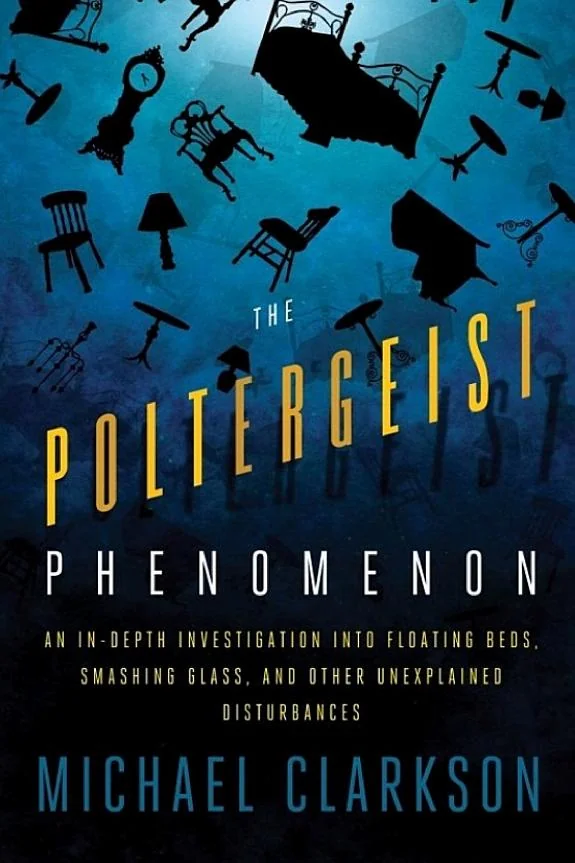
Michael Clarkson’s "The Poltergeist Phenomenon" approaches a well-worn topic with commendable investigative zeal. Clarkson, an award-winning reporter, moves beyond the typical sensationalism, presenting a collection of 75 cases examined through interviews with witnesses, experts, and skeptics alike. His strength lies in the sheer breadth of his research, creating a comprehensive overview of reported disturbances. However, the book occasionally falters in offering truly novel interpretations; the exploration of RSPK, while thorough, treads familiar ground within parapsychology. A particular passage detailing the "Moberly-Jourdain" case, though meticulously researched, highlights the inherent difficulty in definitively proving paranormal causation over psychological or environmental factors. Despite this challenge, Clarkson’s methodical presentation provides a solid foundation for understanding the varied landscape of poltergeist activity. It is a valuable, if not revolutionary, compilation for those seeking detailed case histories.
📝 Description
84
Michael Clarkson's 2001 book examines poltergeist phenomena and their physical manifestations.
Michael Clarkson's The Poltergeist Phenomenon investigates unexplained physical disturbances and sensory events attributed to non-corporeal or energetic agents. Clarkson defines these occurrences by their observable effects, such as objects moving or sounds without an apparent source, suggesting intent behind the manifestations. The work moves beyond simple anecdotal accounts to systematically investigate reported incidents and considers the nature of the energies or entities involved.
The book is aimed at serious investigators of the paranormal, skeptical inquirers, and those interested in the intersection of psychology, physics, and unexplained phenomena. It prioritizes methodical analysis over sensationalism, detailing case studies and expert interviews. Readers interested in a forensic approach to the paranormal, or those questioning conventional explanations for poltergeist reports, will find value in its content.
The study of poltergeists has a long history, with early accounts often framed within religious contexts like witchcraft or demonic possession. As scientific inquiry developed, so did attempts to explain these phenomena, ranging from latent psychic abilities to environmental influences. Clarkson's work in the early 21st century engages with contemporary parapsychological research and psychological interpretations, situating the phenomena within a tradition of investigating unseen forces and consciousness beyond the physical body.
💡 Why Read This Book?
• Gain an understanding of the extensive case research conducted by Michael Clarkson, including his review of 75 distinct poltergeist incidents, offering a factual bedrock for paranormal inquiry. • Explore the concept of Recurrent Spontaneous Psychokinesis (RSPK) as presented through Clarkson's detailed case analyses, moving beyond simple anecdotal accounts. • Appreciate the methodical approach to interviewing diverse sources, from witnesses to law enforcement, as detailed in the book's investigative methodology.
⭐ Reader Reviews
Honest opinions from readers who have explored this book.
❓ Frequently Asked Questions
What is the primary definition of a poltergeist according to Michael Clarkson?
Clarkson defines a poltergeist as a disturbance or energy exhibiting paranormal physical effects, often with mischievous or destructive intent, such as moving objects or producing unexplained noises.
How many cases did Michael Clarkson investigate for 'The Poltergeist Phenomenon'?
Michael Clarkson reviewed approximately 75 cases of poltergeist activity for his book.
Who did Clarkson interview for his research?
Clarkson interviewed a wide range of individuals, including witnesses, paranormal experts, law enforcement officers, psychologists, and skeptics to gather diverse perspectives.
When was 'The Poltergeist Phenomenon' first published?
The book was first published on January 20, 2011.
What is RSPK and how does Clarkson address it?
RSPK, or Recurrent Spontaneous Psychokinesis, is a concept linking poltergeist activity to a specific individual. Clarkson explores this connection through detailed case studies.
What kind of approach does Clarkson take in his investigation?
Clarkson employs an investigative reporter's approach, focusing on factual evidence, witness testimony, and expert analysis rather than pure speculation.
🔮 Key Themes & Symbolism
Investigative Rigor
Clarkson applies journalistic principles to the study of poltergeists, treating each case as a subject for factual inquiry. His method involves meticulous data gathering from 75 distinct incidents, cross-referencing accounts, and seeking corroboration from multiple sources. This approach aims to establish a verifiable record of phenomena often relegated to folklore or sensational claims, distinguishing the work from purely speculative treatises on the paranormal.
The RSPK Hypothesis
A central theme is the exploration of Recurrent Spontaneous Psychokinesis (RSPK). This theory suggests that poltergeist-like activity is not random but is often linked to a living agent, typically an adolescent under psychological stress. Clarkson examines the evidence supporting this hypothesis by analyzing cases where specific individuals appear to be focal points for disturbances, questioning the nature of the energy involved.
Witness Testimony and Psychology
The book places significant emphasis on witness testimony, acknowledging its importance while also considering psychological factors. Clarkson interviews not only those who claim to have experienced poltergeist activity but also psychologists and skeptics. This multi-faceted perspective explores how perception, stress, and belief systems might intersect with or explain reported events, offering a balanced view of the human element in paranormal claims.
Defining the Phenomenon
Clarkson seeks to provide a clear, working definition of a poltergeist, moving beyond vague notions of ghosts. He focuses on the observable physical effects—moving objects, noises, and other disruptions—as the defining characteristics. This definition frames the phenomenon as an empirical subject, inviting analysis based on its tangible manifestations rather than purely metaphysical interpretations.
💬 Memorable Quotes
Direct passages from the work, attributed to the author.
“A poltergeist is defined as a disturbance or energy with bizarre physical effects of paranormal origin that suggest mischievous or destructive intent.”
— This foundational definition emphasizes the observable, physical nature of poltergeist activity and hints at a deliberate, albeit not necessarily intelligent, force behind the events.
“The author has reviewed 75 cases and interviewed hundreds of witnesses, paranormal experts, law enforcement officers, psychologists and skeptics.”
— This highlights the extensive and varied nature of Clarkson's research, indicating a commitment to gathering evidence from numerous perspectives to understand the phenomenon.
“The Poltergeist Phenomenon is an exciting, original look at an old subject.”
— This suggests that while poltergeists have been reported for centuries, Clarkson's approach and findings offer a fresh perspective or methodology to the study.
“Such events suggest mischievous or destructive intent.”
— This interpretive phrase points to the perceived nature of poltergeist actions, often characterized by disruption and annoyance rather than overt malevolence.
“Clarkson's investigation into the 'Moberly-Jourdain' case.”
— While not a direct quote, this reference to a specific historical case implies the book's engagement with documented, significant examples within the field of paranormal investigation.
🌙 Esoteric Significance
Tradition
While not strictly tied to a single esoteric lineage like Hermeticism or Kabbalah, "The Poltergeist Phenomenon" touches upon broader animistic and spiritist traditions that posit the existence of non-physical intelligences or energies interacting with the material world. It aligns with the Theosophical interest in subtle energies and unseen forces, though Clarkson's approach is more empirical and less focused on established spiritual hierarchies or doctrines.
Symbolism
The primary 'symbol' within the book is the phenomenon itself: the unexplained physical disturbance. This can be interpreted as a symbol of the veil between worlds thinning, or as a manifestation of repressed psychic energy, reflecting the material world's response to unseen influences or internal psychological states. The recurring motif of objects moving or breaking symbolizes disruption of order and the intrusion of the unknown into the mundane.
Modern Relevance
Clarkson's work remains relevant for contemporary paranormal investigators, researchers exploring the fringes of psychology and physics, and enthusiasts of unexplained phenomena. It provides a case-study foundation for discussions on topics like RSPK, psychokinesis, and the psychology of belief. Thinkers in fields investigating consciousness and its potential interaction with matter may find his data points useful, even if they arrive at different theoretical conclusions.
👥 Who Should Read This Book
• Amateur and professional paranormal investigators seeking a methodical overview of poltergeist cases and investigative techniques. • Students of parapsychology interested in the empirical research and historical context surrounding RSPK phenomena. • Skeptics and researchers looking for detailed accounts of unexplained physical disturbances to analyze from a critical perspective.
📜 Historical Context
Published in 2011, Michael Clarkson's "The Poltergeist Phenomenon" emerged during a period where interest in the paranormal remained strong, fueled by popular media and online communities. The book arrived decades after the foundational work on Recurrent Spontaneous Psychokinesis (RSPK) by researchers like G.W. Fisk and Samuel Soal in the mid-20th century. Clarkson's work can be seen as a contemporary journalistic survey, building on established parapsychological concepts but seeking fresh evidence through extensive fieldwork. It engaged with a cultural landscape where competing explanations, from debunking efforts by figures like James Randi to academic parapsychology, continued to shape public understanding. The reception of such works often polarized, with proponents valuing the detailed case studies and skeptics questioning the methodology and interpretation of evidence.
📔 Journal Prompts
The physical effects documented in poltergeist cases, such as moving objects.
Witness accounts of unexplained noises and disturbances.
The psychological stress factors potentially linked to RSPK.
The distinction between poltergeist activity and other paranormal phenomena.
The role of investigative reporting in understanding the unexplained.
🗂️ Glossary
Poltergeist
A phenomenon characterized by unexplained physical disturbances, such as moving objects, noises, and other disruptive events, often perceived as having intent.
RSPK (Recurrent Spontaneous Psychokinesis)
A parapsychological term for poltergeist activity that is believed to originate from a specific living person, often an adolescent under stress.
Psychokinesis
The purported ability to influence physical objects or systems using only the mind, without physical intervention.
Paranormal
Phenomena that are considered beyond the scope of normal scientific understanding or explanation.
Skeptic
An individual who questions or doubts claims that lack empirical evidence or are not supported by scientific consensus.
Witness Testimony
First-hand accounts of events provided by individuals who experienced or observed them.
Investigative Reporter
A journalist who conducts in-depth research into a subject, often uncovering hidden facts or details.
This book appears in 1 collection
🔮 Readers Also Liked
Browse all →









From the “Poltergeist” Collection
View all →








More Free Occult Philosophy Books
View all →