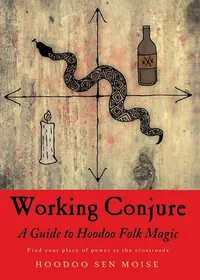
The UFO Files
 83
83

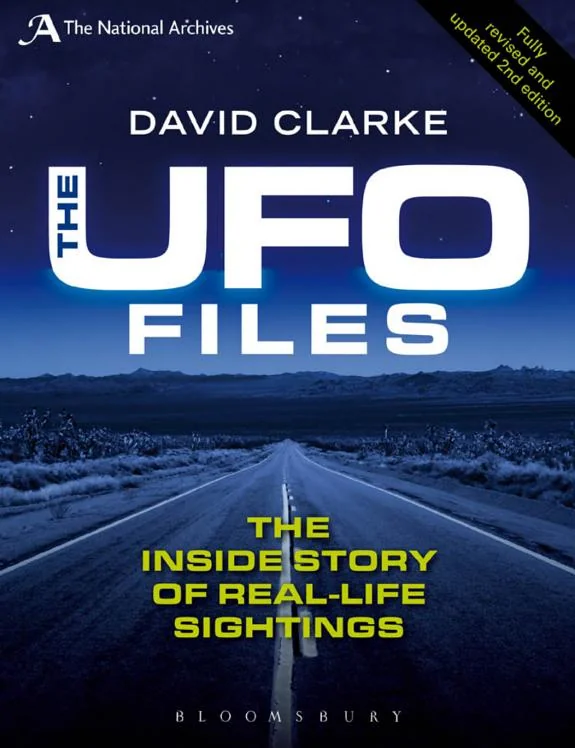
The UFO Files
David Clarke's "The UFO Files" offers a starkly empirical approach to a subject often mired in unsubstantiated claims. By grounding his narrative in declassified British government documents, Clarke successfully shifts the focus from anecdotal accounts to bureaucratic responses and official investigations. The strength of the book lies in its meticulous presentation of archival material, illuminating the quiet, often mundane, processes through which governments have grappled with UFO reports. A particularly revealing section details the Ministry of Defence's internal classifications and their consistent efforts to provide prosaic explanations for sightings, even when evidence suggested otherwise. However, the book's relentless focus on officialdom can, at times, feel dry, lacking the speculative spark that draws many to the subject. While the intention is clarity, the sheer volume of procedural detail might alienate readers seeking a more narrative-driven exploration. Clarke's work is a valuable corrective, a sober reminder of the paper trails left by aerial mysteries, but it is best approached with an appreciation for bureaucratic history rather than a quest for definitive extraterrestrial answers. It serves as an essential, if unexciting, record of official engagement.
📝 Description
83
David Clarke's 2009 book reveals how British archives detail the government's century-long response to UFO reports.
The UFO Files offers a historical survey of unidentified aerial phenomena reports, drawing on declassified documents from Britain's National Archives. David Clarke compiles evidence to show how official bodies investigated these persistent mysteries, moving beyond speculation to analyze documented interactions between the public, press, and authorities. The book is for readers interested in the history of UFO phenomena who prefer evidence-based analysis over sensationalism. It will appeal to researchers of government transparency, historians of 20th-century culture, and anyone seeking a grounded understanding of the documented aspects of the UFO debate. Readers who appreciate detailed archival work and a critical examination of official narratives will find substantial material.
Published in 2009, this work taps into a trend of increasing public access to classified government information concerning UFO investigations. Clarke's book provides a British perspective, contrasting with or complementing American-focused narratives. It situates the UFO phenomenon within the broader context of Cold War anxieties and evolving scientific inquiry. The book examines the concept of 'official secrets' versus public curiosity, highlighting shifts in government attitudes toward UFOs over decades. It scrutinizes scientific and bureaucratic responses, often revealing skepticism or deliberate obfuscation regarding anomalous aerial events.
While often framed as a historical or governmental study, The UFO Files touches upon esoteric traditions by examining the cultural impact of anomalous phenomena and humanity's ongoing fascination with the unknown. It probes how official narratives attempt to contain or explain events that defy conventional understanding, a process that mirrors how esoteric systems often seek to interpret experiences beyond the mundane. The book's focus on hidden information and official secrecy also resonates with esoteric themes of concealed knowledge and the search for hidden truths, inviting readers to consider the broader implications of unexplained aerial events.
💡 Why Read This Book?
• Learn how the British government officially handled UFO reports from the 1950s onwards, examining declassified Air Ministry and Ministry of Defence files. • Understand the bureaucratic processes and terminology used to categorize and dismiss unexplained aerial phenomena, as documented in archival records. • Gain insight into specific historical cases, such as the Rendlesham Forest incident's official investigation, through primary source material.
⭐ Reader Reviews
Honest opinions from readers who have explored this book.
❓ Frequently Asked Questions
What period does 'The UFO Files' by David Clarke cover?
The book covers over 100 years of UFO sightings, with a significant focus on documented government investigations and reports originating from the mid-20th century onwards, drawing heavily on British archives.
Where did David Clarke source the information for 'The UFO Files'?
Clarke primarily utilized formerly secret government records obtained from the National Archives of Great Britain, including documents from the Ministry of Defence and other official bodies.
Does 'The UFO Files' claim to prove the existence of alien spacecraft?
No, the book focuses on presenting documented evidence and official responses to UFO sightings rather than definitively proving or disproving their origin. It examines how governments have historically classified and explained these phenomena.
What is the main approach taken by David Clarke in 'The UFO Files'?
Clarke employs a factual, evidence-based approach, relying on declassified government documents and historical records to analyze UFO reports and official investigations, emphasizing transparency and critical examination.
Is 'The UFO Files' a good starting point for understanding UFO history?
Yes, for those interested in the historical and governmental aspects of UFO phenomena, the book provides a solid foundation by detailing official records and investigations from the British perspective.
What distinguishes 'The UFO Files' from other UFO books?
Its primary distinction lies in its reliance on declassified British government archives, offering an official, document-driven perspective rather than speculative theories or anecdotal evidence.
🔮 Key Themes & Symbolism
Government Secrecy and Disclosure
The work scrutinizes the long-standing practice of governments classifying information related to UFO sightings. Clarke demonstrates how declassification efforts, particularly those following the late 20th century, have gradually revealed the extent of official interest and investigation into these phenomena. It explores the tension between national security concerns and the public's right to know, highlighting the bureaucratic mechanisms designed to control or explain anomalous aerial events.
Historical Investigation Patterns
Clarke meticulously traces the evolution of how UFO reports were investigated by official bodies in Great Britain. The book identifies recurring patterns in the types of evidence collected, the scientific and military personnel involved, and the prevailing attitudes—often skepticism or a drive to find conventional explanations—that shaped official conclusions from the post-WWII era onward.
Media Influence on Perception
The book examines the symbiotic relationship between reported UFO sightings and their dissemination through popular media. Clarke analyzes how press coverage influenced public perception and, in turn, how public and media attention prompted official government responses. This theme illustrates the challenges faced by authorities in managing public discourse around unexplained aerial phenomena.
Bureaucratic Classification Systems
A significant aspect of The UFO Files involves understanding the internal classification systems and terminology used by British government departments to categorize and manage UFO reports. Clarke elucidates the procedures for handling sightings, the rationale behind assigning specific codes or explanations, and the internal debates that sometimes arose regarding the nature of these events.
💬 Memorable Quotes
Direct passages from the work, attributed to the author.
“Reports of unidentified flying objects were routinely logged and investigated by the Ministry of Defence.”
— This highlights the official, systematic approach taken by the British government towards UFO phenomena, moving beyond mere public speculation to documented analysis within governmental structures.
“Declassified documents reveal a consistent pattern of seeking conventional explanations for aerial anomalies.”
— This interpretation points to the prevailing official doctrine of attributing sightings to known phenomena, such as misidentified aircraft, weather events, or optical illusions, even when faced with unusual reports.
“The public's fascination with UFOs often outpaced the government's willingness to disclose information.”
— This statement captures the historical dynamic where public interest and media attention surrounding UFOs frequently encountered governmental reticence or official denials regarding the significance or nature of the reported events.
“Many sightings documented in the files remain officially unexplained.”
— This signifies that despite the official push for conventional explanations, a residue of unexplained cases persisted within government records, underscoring the enduring mystery that official investigations could not fully resolve.
💡 Key Ideas
Editorial paraphrase of the work's core concepts — not direct quotes.
Archival evidence shows the evolution of MoD's UFO desk from initial curiosity to eventual disbandment.
This paraphrased concept suggests a narrative arc within the book, detailing how the official handling of UFOs changed over time, reflecting shifts in perceived threat, scientific understanding, or budgetary priorities within the Ministry of Defence.
🌙 Esoteric Significance
Tradition
While not explicitly aligned with a specific esoteric tradition like Hermeticism or Gnosticism, "The UFO Files" engages with themes that often intersect with esoteric thought: the nature of reality, hidden knowledge, and the potential for non-human intelligence. Its approach is empirical rather than mystical, yet by examining the official suppression and eventual release of information about anomalous phenomena, it touches upon concepts of 'gnosis'—secret or hidden knowledge—and the societal structures that control its dissemination.
Symbolism
The primary 'symbol' within the book is the UFO itself, representing the unknown, the otherworldly, and challenging established paradigms of science and authority. Beyond this, the 'archival document' functions as a symbol of hidden truth, painstakingly unearthed. The repeated pattern of official dismissal or classification can be seen as a symbol of societal resistance to confronting uncomfortable realities or paradigm shifts, common in esoteric narratives.
Modern Relevance
Contemporary thinkers in fields like critical ufology, government transparency advocacy, and even some branches of philosophy of science engage with the type of archival analysis Clarke provides. Works that dissect official narratives and reveal bureaucratic processes behind unexplained phenomena are crucial for understanding modern discourse on topics ranging from alleged alien contact to other covert governmental activities. The book’s methodology informs how researchers approach similar mysteries today.
👥 Who Should Read This Book
• Skeptical researchers of unexplained aerial phenomena seeking a factual, document-based analysis of historical government involvement. • Historians interested in 20th-century governmental responses to public concerns and the process of declassification. • Enthusiasts of Cold War history who wish to understand how national security and public perception intersected regarding UFO reports in Great Britain.
📜 Historical Context
Published in 2009, David Clarke's "The UFO Files" emerged during a period marked by significant governmental declassifications worldwide, particularly concerning aerial phenomena. This era saw a growing public demand for transparency, fueled by earlier waves of UFO reporting in the mid-20th century. The work situates itself within a tradition of critical examination of government archives, following in the footsteps of researchers who sought to uncover official stances on sensitive topics. Unlike more speculative works prevalent in the UFO genre, Clarke's approach aligns with historical scholarship, focusing on the bureaucratic handling of reports. Key contemporaries in archival research, though not necessarily focused on UFOs, were actively engaging with newly opened records. The reception of such works often involves balancing the revelation of previously secret information against the potential for misinterpretation or the confirmation of public anxieties. The book's reliance on British National Archives places it within a specific national context, offering a counterpoint to the more heavily documented American UFO narrative.
📔 Journal Prompts
The Ministry of Defence's classification of UFO reports.
Official explanations versus unexplained cases in the archives.
The public's role in prompting government investigation.
Patterns in governmental response to aerial anomalies.
The significance of declassified documents regarding the Rendlesham Forest incident.
🗂️ Glossary
Unidentified Flying Object (UFO)
An aerial phenomenon observed by a witness that cannot be immediately identified or explained by conventional means. The term encompasses a wide range of reported sightings.
Declassification
The process by which government agencies release previously classified or secret documents to the public, often after a set period or upon request under freedom of information laws.
Ministry of Defence (MoD)
The UK government department responsible for the armed forces and defence. Historically, it housed the unit that dealt with UFO reports in Great Britain.
National Archives of Great Britain
The official archive repository for the UK government, holding historical records, including many formerly secret documents related to UFO investigations.
Air Ministry
The former government department responsible for the Royal Air Force in the UK. It was involved in early investigations and documentation of UFO sightings before the MoD took over.
Rendlesham Forest Incident
A series of alleged UFO sightings in Suffolk, England, in late December 1980, involving lights seen over the forest and potentially landed craft, investigated by military personnel.
Official Secrets Act
Legislation in the United Kingdom that makes certain forms of government information confidential and imposes penalties for unauthorized disclosure.
This book appears in 1 collection
🔮 Readers Also Liked
Browse all →








From the “Crop Circles” Collection
View all →






More Free Occult Philosophy Books
View all →