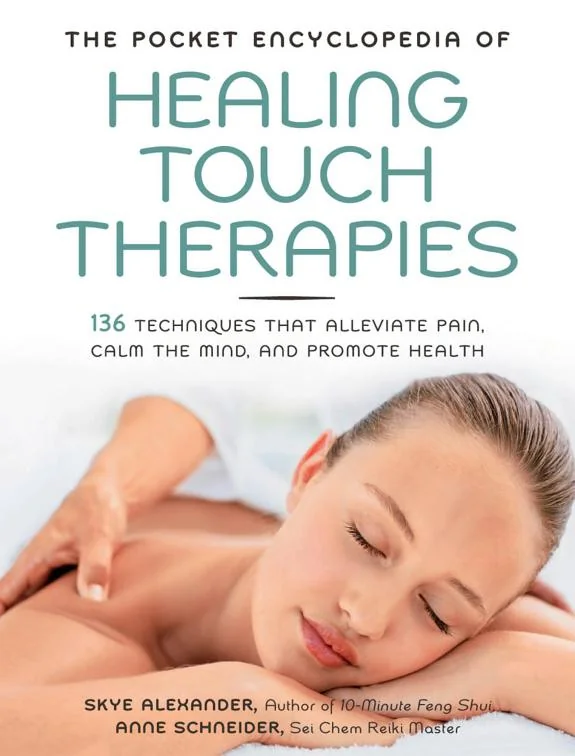
The Pocket Encyclopedia of Healing Touch Therapies
 78
78

The Pocket Encyclopedia of Healing Touch Therapies
Skye Alexander and Anne Schneider's *The Pocket Encyclopedia of Healing Touch Therapies* arrives as a densely packed, yet remarkably accessible, compendium. Its strength lies in its sheer breadth, cataloging 136 techniques from diverse traditions like Reiki and acupressure. The immediate practicality is undeniable; the instructions are clear enough for a novice to attempt relief for common complaints like headaches or muscle tension. However, the sheer volume of techniques, while an asset, sometimes leads to brevity in explanation. For instance, the section on acupressure points, while extensive, might leave a reader wanting more nuanced detail on palpation and sustained pressure. Despite this, the book serves as an excellent introductory toolkit, offering a tangible, DIY path to exploring the efficacy of touch for well-being. It successfully demystifies ancient practices for a modern audience.
📝 Description
78
Published in 2010, The Pocket Encyclopedia of Healing Touch Therapies presents 136 distinct manual therapeutic methods.
This volume serves as a compact guide to manual therapeutic techniques for self-healing and assisting others. It details 136 distinct methods drawn from established practices like Reiki, reflexology, and acupressure, designed for accessibility and direct application. The book functions as a practical reference for addressing common ailments through touch-based interventions.
Individuals seeking accessible, self-directed methods for managing everyday health concerns will find this encyclopedia useful. It covers issues such as migraines, digestive upset, anxiety, and muscle soreness, offering a DIY approach to complementary healing. Practitioners aiming to broaden their range of touch therapies may also find value within its pages.
The core of the book demonstrates how focused touch can influence the body's energy and physiological responses. It covers manipulating subtle energy pathways and pressure points to alleviate discomfort, promote relaxation, and restore balance. Practical application is emphasized, making complex theories understandable for everyday use.
The book draws from traditions with roots stretching back centuries, including Japanese Reiki energy work from the early 20th century and ancient Chinese acupressure and diagnostic systems. These practices are grounded in the concept of manipulating subtle energy pathways, often referred to as meridians or energy fields. It also incorporates reflexology, which maps specific points on the body, particularly the feet and hands, to other organs and systems. The book bridges these traditional understandings with contemporary interest in holistic health and alternative therapies.
💡 Why Read This Book?
• Learn to apply 136 distinct healing touch techniques, from Reiki to reflexology, directly addressing ailments like migraines and anxiety, as detailed within the guide's specific sections. • Gain an inexpensive, DIY approach to personal wellness, empowering you to manage everyday discomfort without relying solely on external treatments, a core principle demonstrated throughout. • Explore the practical application of acupressure and reflexology points, understanding their placement and function for targeted relief, as outlined in the specific technique descriptions.
⭐ Reader Reviews
Honest opinions from readers who have explored this book.
❓ Frequently Asked Questions
What specific healing touch therapies are covered in the book?
The book covers 136 techniques including Reiki, reflexology, and acupressure. It aims to provide a broad overview of popular and effective touch-based healing methods for self-care and assisting others.
Can I use this book to treat serious medical conditions?
This book is intended as a guide for managing everyday health concerns and promoting relaxation. It is not a substitute for professional medical advice or treatment for serious conditions.
How easy are the techniques to learn and apply?
The techniques are presented with the intention of being easy to understand and immediately applicable. The book focuses on practical, DIY approaches for common ailments.
When was 'The Pocket Encyclopedia of Healing Touch Therapies' first published?
The book was first published on November 1, 2010. This places it within a period of growing interest in holistic health and complementary therapies.
Are the authors experienced in these healing modalities?
Skye Alexander and Anne Schneider are authors known for their work in health, wellness, and esoteric subjects, bringing their expertise to compiling these healing touch techniques.
What kind of everyday health concerns does the book address?
The encyclopedia offers guidance for issues such as migraines, upset stomachs, anxiety, and muscle aches, providing accessible touch-based solutions for common discomforts.
🔮 Key Themes & Symbolism
Accessible Self-Healing
The core philosophy revolves around empowering individuals to take an active role in their own well-being. By explaining techniques derived from traditions like Reiki and acupressure, the book promotes a DIY approach to managing common discomforts. It emphasizes that healing touch is not an exclusive art but a practical skill accessible to anyone seeking relief from everyday ailments such as anxiety or muscle aches, thereby democratizing therapeutic practices.
Integration of Modalities
This work functions as a bridge, consolidating diverse healing touch practices under one cover. It synthesizes principles from seemingly distinct disciplines—Reiki's energy balancing, reflexology's zonal correspondences, and acupressure's meridian manipulation. This integration offers readers a panoramic view of touch therapies, illustrating how different systems can complement each other in addressing physical and emotional well-being.
Practical Application Focus
Unlike purely theoretical texts, the encyclopedia prioritizes immediate utility. Each of the 136 techniques is presented with the aim of being easily understood and directly applicable to contemporary health concerns. The focus is on actionable steps for ailments ranging from migraines to digestive issues, ensuring readers can readily implement the methods for tangible results.
Energy and Body Connection
Underpinning many of the included therapies is the concept of subtle energy flow within the body. Whether termed 'qi,' 'prana,' or simply life force, the book implicitly or explicitly guides readers to understand how manual stimulation can influence these energetic pathways. This perspective connects physical touch to the body's inherent capacity for balance and healing.
💬 Memorable Quotes
Direct passages from the work, attributed to the author.
“Immediate application to everyday health concerns”
— This phrase highlights the book's practical orientation, aiming to equip readers with tools they can use right away for common issues like headaches or stress, rather than requiring extensive study.
“An inexpensive, D.I.Y. approach to healing”
— This emphasizes the self-directed and cost-effective nature of the therapies presented, positioning the book as a resource for accessible self-care that bypasses the need for frequent professional treatments.
“Guide you in the art of healing yourself and others”
— This suggests a dual purpose: fostering personal well-being and developing the capacity to offer comfort and relief to friends, family, or even as a foundational skill for nascent practitioners.
“136 of the best healing touch techniques”
— This quantifies the book's extensive scope, promising a comprehensive collection of methods drawn from various established traditions, offering a wide array of options for different needs.
“From migraines and upset stomach, to anxiety and muscle aches”
— This explicitly lists the types of common ailments the book aims to address, making its relevance clear and demonstrating the breadth of issues covered by the presented touch therapies.
🌙 Esoteric Significance
Tradition
While not strictly adhering to a single esoteric lineage, this work draws heavily from practices influenced by Eastern philosophies and energy-based healing systems, which have significant cross-over with esoteric traditions globally. Concepts of subtle energy (qi/prana) and meridian systems, central to acupressure, find echoes in Hermetic and Taoist thought. Reiki, though a 20th-century development, is often discussed within contemporary esoteric circles as a modern manifestation of universal life force manipulation.
Symbolism
The primary symbolism lies in the hands themselves, representing the direct interface between practitioner and recipient, and the conduit for energetic and physical influence. Points and zones, like those targeted in reflexology and acupressure, can be seen as microcosmic representations of the larger energetic map of the body, symbolizing interconnectedness and the principle of 'as above, so below' within a localized context.
Modern Relevance
This compendium remains relevant today as interest in holistic health and self-care continues to grow. Modern practitioners of energy healing, massage therapists, and wellness coaches often utilize techniques documented here. It serves as a foundational text for individuals exploring somatic practices and mind-body connections, aligning with contemporary discussions around stress reduction, mindfulness, and alternative approaches to chronic pain management.
👥 Who Should Read This Book
• Aspiring practitioners of holistic health modalities seeking an introductory reference to diverse touch therapies like Reiki and acupressure. • Individuals experiencing common physical discomforts such as headaches or muscle tension, looking for accessible, self-administered techniques. • Wellness enthusiasts interested in exploring the intersection of manual therapy and energy work for personal well-being and stress reduction.
📜 Historical Context
Published in 2010, *The Pocket Encyclopedia of Healing Touch Therapies* emerged during a significant period of mainstreaming for alternative and complementary medicine. The early 21st century saw a marked increase in public interest and academic research into practices like acupuncture, reiki, and massage therapy, moving them from the fringes toward wider acceptance. This era contrasted sharply with earlier skepticism, though traditional Western medicine often maintained a cautious stance. The book’s compilation of diverse techniques reflects a broader trend of cross-cultural borrowing and integration within the wellness movement. It stands alongside works by figures like Dr. Andrew Weil, who championed integrative medicine, making such practical guides accessible to a wider audience. The reception was generally positive among wellness communities, appreciating its accessible format, though it likely received less attention from the strictly academic medical establishment.
📔 Journal Prompts
Reflexology chart interpretation for common ailments
Energy flow visualization during acupressure application
Personal experience with Reiki self-treatment
Comparing the effectiveness of two distinct touch techniques
The role of intention in healing touch practices
🗂️ Glossary
Reiki
A Japanese form of energy healing where practitioners lay their hands on or just above a person, believing energy flows through the practitioner to the recipient to promote relaxation and healing.
Reflexology
A complementary therapy involving the physical act of applying pressure to specific points on the feet, hands, and ears, based on a system of zones and reflex areas that purportedly correspond to other parts of the body.
Acupressure
An ancient Chinese healing technique based on the principle that stimulating specific points on the body can release muscle tension, promote circulation, and enable deep relaxation. It involves applying firm finger pressure to these points.
Meridians
In traditional Chinese medicine, these are pathways through which vital energy (qi) is believed to flow throughout the body. Acupressure points are located along these meridians.
Energy Flow
The concept, central to many healing touch therapies, that a vital life force or energy moves through the body. Blockages or imbalances in this flow are thought to contribute to illness.
Pressure Points
Specific locations on the body, often associated with acupuncture or acupressure, where manual stimulation is believed to affect physiological responses or energy flow.
DIY Approach
A method or strategy that encourages individuals to perform tasks or treatments themselves, rather than relying on external professionals, emphasizing self-sufficiency and accessibility.
This book appears in 1 collection
🔮 Readers Also Liked
Browse all →









From the “Pranic Healing” Collection
View all →








More Free Occult Philosophy Books
View all →