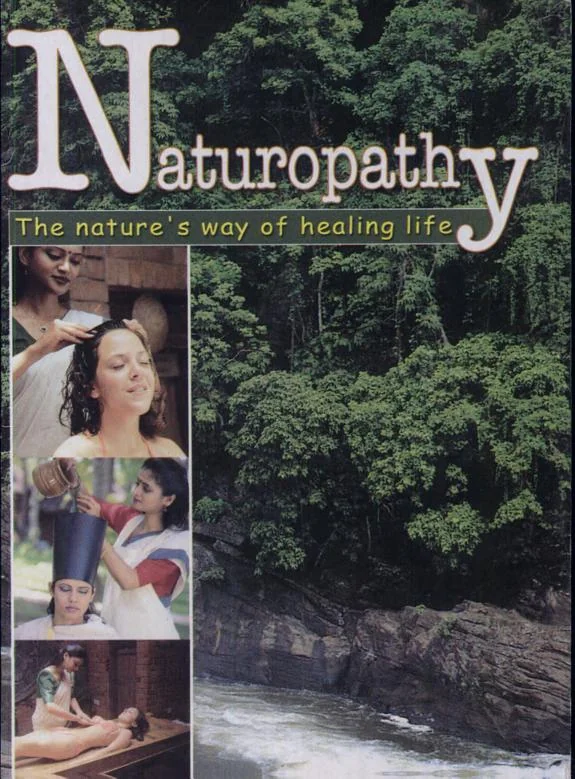
Naturopathy (The Nature's way of healing life
 72
72

Naturopathy (The Nature's way of healing life
Jasnita Walia's "Naturopathy (The Nature's Way of Healing Life)" offers a clear exposition of principles that have guided natural healing for centuries. Its strength lies in presenting a cohesive philosophy that grounds the often-disparate practices of natural medicine. The book effectively argues for the body's innate healing intelligence, a concept central to naturopathic thought since its formalization in the early 20th century. However, the work could benefit from more specific case studies or detailed explorations of therapeutic modalities beyond broad principles. For instance, the discussion on the 'vis medicatrix naturae' is conceptually sound but lacks concrete examples of how this vital force is practically supported or inhibited by specific lifestyle choices or environmental factors. Despite this, Walia provides a valuable framework for understanding nature's role in health. It serves as a solid introduction to the foundational ideas of naturopathy.
📝 Description
72
Jasnita Walia's "Naturopathy" argues for the body's innate healing ability when aligned with natural principles.
This book presents a holistic health framework that moves beyond managing symptoms to address the underlying causes of illness. It advocates for the body's inherent capacity to heal when supported by natural principles, recognizing the interconnectedness of physical, mental, and environmental factors in maintaining well-being. The work is suited for individuals seeking to understand and implement natural healing methods, including those dissatisfied with conventional medicine, practitioners of complementary and alternative medicine, and anyone interested in preventative health. Readers will find substantial content on the science behind natural remedies and the philosophical underpinnings of nature's healing power.
Walia's work likely covers fundamental naturopathic tenets such as the healing power of nature (vis medicatrix naturae), identifying and treating the cause (tolle causam), and first do no harm (primum non nocere). It also emphasizes the role of the doctor as teacher (docere) and treating the whole person (tolle totum). The core message is the empowerment of the individual through education and lifestyle adjustments, fostering a collaborative relationship between patient and practitioner in the pursuit of health.
The principles within "Naturopathy" are rooted in ancient healing traditions and vitalistic philosophies that span across cultures. These ideas gained momentum in the modern naturopathic movement of the early 20th century as a response to societal shifts. The work aligns with esoteric thought by emphasizing a vital force within the body and a connection to natural energies, advocating for a more spiritual and less materialistic approach to health and well-being. It positions healing not merely as a physical process but as a restoration of balance across mind, body, and spirit.
💡 Why Read This Book?
• Understand the 'vis medicatrix naturae' principle, learning how to support your body's innate healing capacity through specific lifestyle adjustments detailed in the text. • Explore the historical context of naturopathy, recognizing its roots in figures like Hippocrates and its development as a distinct practice in the early 20th century. • Gain practical knowledge on identifying root causes of illness, moving beyond symptom relief to implement the 'tolle causam' approach discussed in Walia's work.
⭐ Reader Reviews
Honest opinions from readers who have explored this book.
❓ Frequently Asked Questions
What is the core philosophy behind naturopathy as presented by Jasnita Walia?
The core philosophy, as explored in "Naturopathy (The Nature's Way of Healing Life)", centers on the belief in the body's inherent ability to heal itself, emphasizing the 'vis medicatrix naturae' and addressing the root cause of illness rather than just symptoms.
When did modern naturopathy emerge as a distinct healing practice?
Modern naturopathy began to coalesce as a distinct practice in the late 19th and early 20th centuries, with figures like Benedict Lust being instrumental in its formalization and promotion in the United States.
How does naturopathy differ from conventional medicine according to this book?
Naturopathy, as described by Walia, prioritizes natural remedies, lifestyle changes, and stimulating the body's self-healing mechanisms, contrasting with conventional medicine's frequent reliance on pharmaceuticals and symptom suppression.
What are the primary principles of naturopathic healing discussed?
The book likely covers key principles such as the healing power of nature, identifying and treating the cause, first do no harm, the doctor as teacher, and treating the whole person.
Is "Naturopathy (The Nature's Way of Healing Life)" suitable for beginners?
Yes, the book appears structured to introduce fundamental naturopathic concepts, making it accessible for those new to natural healing who wish to understand its philosophical and practical underpinnings.
What is the concept of 'tolle causam' in naturopathy?
'Tolle causam' is a fundamental naturopathic principle meaning 'identify and treat the cause.' Walia's work likely explains how practitioners aim to uncover and address the origin of disease, not merely alleviate its manifestations.
🔮 Key Themes & Symbolism
The Healing Power of Nature
This theme underscores the central tenet of naturopathy: the inherent ability of the body to heal itself. Walia's work likely elaborates on how to create optimal conditions for this innate healing force, known as 'vis medicatrix naturae', to operate effectively. It moves beyond mere symptom relief to foster genuine restoration by working in harmony with natural processes, rather than against them. This involves understanding and applying natural laws to support physiological balance and vitality.
Identifying the Root Cause
Central to Walia's exposition is the principle of 'tolle causam,' or identifying and treating the root cause of illness. This contrasts sharply with approaches that merely suppress symptoms. The book likely guides readers to look beyond immediate discomforts to understand the underlying factors—whether dietary, environmental, emotional, or lifestyle-related—that contribute to disease. This focus empowers individuals to make fundamental changes for lasting health.
Holistic Approach to Well-being
"Naturopathy" emphasizes treating the whole person, not just a disease. This involves acknowledging the interconnectedness of the physical, mental, emotional, and spiritual aspects of an individual. Walia's work likely explores how imbalances in one area can manifest in others, advocating for comprehensive strategies that address all dimensions of a person's health to achieve true vitality and balance.
The Role of the Practitioner as Teacher
Another key theme is 'docere,' the concept of the doctor as a teacher. Walia's book likely promotes an educational approach where practitioners empower patients with knowledge and skills to manage their own health. This fosters self-reliance and a partnership in the healing process, moving away from passive patient roles towards active participation in achieving and maintaining wellness.
💬 Memorable Quotes
Direct passages from the work, attributed to the author.
“True health is achieved by addressing the origin of imbalance, not merely masking its outward signs.”
— This interpretation emphasizes the naturopathic principle of 'tolle causam'. It signifies a shift in focus from symptomatic relief, common in many conventional approaches, to a deeper investigation and correction of the fundamental factors contributing to illness.
“Nature offers the most effective remedies; our role is to understand and utilize them wisely.”
— This statement reflects the foundational belief in natural therapies and the importance of knowledge. It positions humans not as conquerors of nature, but as intelligent stewards who can learn from and apply its principles for health.
“Empowering individuals with knowledge is as crucial as any physical intervention.”
— This interpretation underscores the 'docere' principle – the doctor as teacher. It highlights the educational role of a naturopathic practitioner, aiming to equip patients with the understanding needed for self-care and long-term health management.
💡 Key Ideas
Editorial paraphrase of the work's core concepts — not direct quotes.
The body possesses an inherent capacity to heal itself when provided with the correct environment and support.
This paraphrased concept highlights the core belief in naturopathy that healing is not solely an external intervention but an internal process that can be facilitated. It suggests that understanding and applying natural principles is key to unlocking this innate potential.
Every individual is unique, and their path to wellness must be personalized.
This paraphrased concept speaks to the principle of treating the whole person ('tolle totum') and recognizing individual variability. It implies that generic treatments are less effective than tailored approaches considering a person's specific constitution and circumstances.
🌙 Esoteric Significance
Tradition
Naturopathy, while often presented as a secular system of health, shares deep roots with vitalistic philosophies that permeate esoteric traditions. Its emphasis on the 'vis medicatrix naturae' echoes concepts found in Hermeticism and Neoplatonism regarding an inherent life force or 'anima mundi' (world soul) that animates all living things. The focus on natural laws and harmonious living aligns with many Western esoteric practices that seek to understand and align with cosmic principles for personal well-being and spiritual development.
Symbolism
A key symbol is the Green Leaf, representing life, growth, vitality, and nature's inherent healing power. Water often symbolizes purification, flow, and emotional cleansing, essential for holistic health. The Sun can represent vital energy, warmth, and the life-giving force that sustains all organisms, linking physical health to broader cosmic energies. These symbols are not merely decorative but signify fundamental principles of natural healing and energetic balance.
Modern Relevance
Contemporary thinkers and practitioners in holistic health, functional medicine, and integrative wellness frequently draw upon naturopathic principles. Schools of thought emphasizing gut health, environmental medicine, and mind-body connection often incorporate or are influenced by the foundational ideas of naturopathy. Modern naturopaths continue to adapt these principles to contemporary scientific understanding, making the work relevant to current discussions on preventative care and personalized medicine.
👥 Who Should Read This Book
• Individuals exploring natural health alternatives: Those curious about moving beyond conventional medicine will find a foundational understanding of nature's healing capabilities and core naturopathic principles. • Aspiring practitioners of holistic wellness: Students and practitioners in fields like herbalism, nutrition, or bodywork can gain insight into the philosophical underpinnings of holistic care. • Anyone seeking to understand the body's innate healing mechanisms: Readers interested in preventative health and empowering themselves with knowledge about natural wellness will find valuable guidance.
📜 Historical Context
The emergence of modern naturopathy in the late 19th and early 20th centuries occurred during a period of significant societal and medical change. As industrialization accelerated and scientific medicine advanced, a counter-movement arose, seeking to reconnect with older, nature-based healing traditions. This era saw the formalization of naturopathic principles, drawing inspiration from figures like Hippocrates and the vitalistic philosophies prevalent at the time. Key proponents, such as Benedict Lust in the United States, championed these methods. Naturopathy competed with or offered an alternative to burgeoning medical fields like allopathy, which was increasingly reliant on pharmaceuticals and surgery. While figures like Lust were active, the reception was mixed; naturopaths often faced challenges from established medical bodies. The movement gained traction among those seeking less invasive and more holistic approaches to health, positioning itself as a distinct school of thought.
📔 Journal Prompts
The 'vis medicatrix naturae' and how to actively support it.
Identifying the root cause ('tolle causam') in a personal health challenge.
The practitioner's role as a teacher ('docere') in fostering self-care.
Reflecting on the 'treat the whole person' ('tolle totum') principle in daily life.
Nature's remedies and their wise utilization, as discussed by Walia.
🗂️ Glossary
Vis Medicatrix Naturae
Latin for 'the healing power of nature.' A fundamental principle in naturopathy asserting the body's innate ability to heal itself when conditions are favorable.
Tolle Causam
Latin for 'identify and treat the cause.' A core naturopathic tenet emphasizing the importance of discovering and addressing the origin of disease, not just its symptoms.
Primum Non Nocere
Latin for 'first, do no harm.' A principle advising practitioners to avoid treatments that could cause harm or further illness, prioritizing gentle and safe methods.
Docere
Latin for 'doctor as teacher.' This principle highlights the practitioner's role in educating patients, empowering them to take responsibility for their health and well-being.
Tolle Totum
Latin for 'treat the whole person.' An approach that considers the physical, mental, emotional, and spiritual aspects of an individual when diagnosing and treating illness.
Holistic Health
An approach to health that considers the interconnectedness of the body, mind, and spirit, emphasizing balance and well-being across all dimensions of a person's life.
Vitalism
A philosophical concept suggesting that living organisms are fundamentally different from non-living entities because they contain some non-physical element, or are governed by different principles than are inanimate things.
This book appears in 1 collection
🔮 Readers Also Liked
Browse all →








From the “Pranic Healing” Collection
View all →







More Free Occult Philosophy Books
View all →