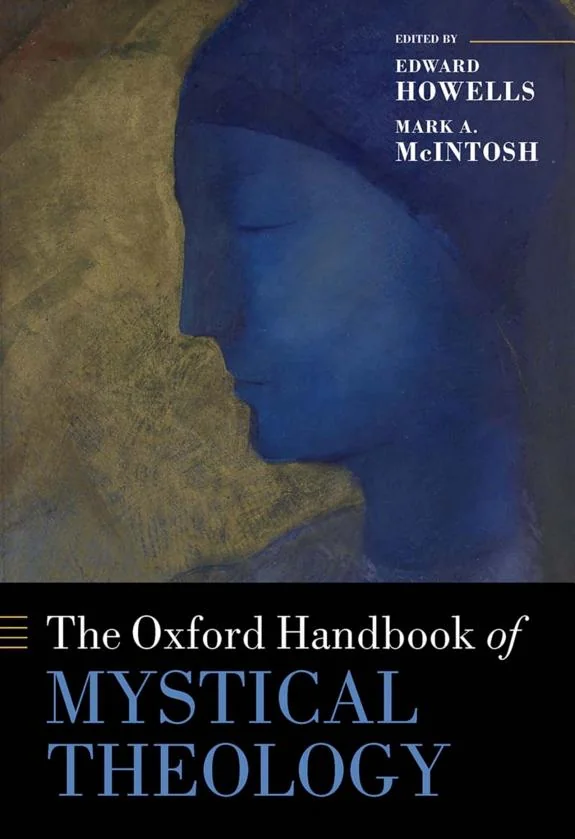
The Oxford Handbook of Mystical Theology
 71
71

The Oxford Handbook of Mystical Theology
Edward Howells and Mark A. McIntosh's "The Oxford Handbook of Mystical Theology" endeavors to carve out a specific niche for theological analysis of Christian mysticism, differentiating it from both psychological and pastoral approaches. Its strength lies in its academic rigor and its commitment to framing mystical experience within established theological discourse. The discussion around the 'theological phenomenon' of mysticism, particularly in how it shapes doctrine and understanding, is well-articulated. However, the book's deliberate separation from practical application might leave some readers seeking more direct spiritual guidance feeling underserved. A particular point of interest is the exploration of how figures like Pseudo-Dionysius the Areopagite's writings laid groundwork for later theological interpretations of apophatic theology, a concept the authors revisit. Ultimately, this is an indispensable resource for those interested in the academic theology of Christian mysticism, though less so for devotional readers.
📝 Description
71
Published by Oxford University Press, this handbook scrutinizes Christian mysticism as a theological discipline.
This handbook provides a rigorous theological examination of Christian mysticism. It deliberately distinguishes itself from purely psychological or anthropological analyses, focusing instead on the theological implications and frameworks surrounding mystical experiences within Christianity. The work is not intended as a practical guide for spiritual development or a devotional manual, but rather as an academic exploration of the subject matter from a theological perspective. It is primarily for scholars, advanced students of theology, and religious studies professionals. It appeals to those seeking a deep, analytical understanding of Christian mysticism as a theological phenomenon, rather than a personal guide to spiritual practice. Individuals interested in the intellectual history and systematic theology of Christian contemplative traditions will find this volume particularly relevant. The handbook situates its exploration within the broader history of Christian thought, tracing the development of mystical theology through various eras and thinkers. It engages with the ongoing academic discourse on mysticism, differentiating its theological approach from empirical or sociological studies. Central to the handbook is the concept of 'mystical theology' itself, defined and explored as a distinct field of theological inquiry. It examines the relationship between mystical experience and orthodox doctrine, the role of scripture and tradition in shaping mystical understanding, and the theological articulation of the divine encounter. The work also addresses the challenge of articulating ineffable experiences within established theological language.
This work engages with the long tradition of Christian contemplative thought, which seeks direct experience of the divine. Mystical theology, as examined here, is the intellectual and doctrinal framework developed to understand and articulate these encounters. It traces a lineage from early Christian ascetics and desert fathers through medieval mystics like Meister Eckhart and later figures, seeking to understand the divine union through theological lenses rather than purely devotional or experiential accounts. The book places this within a history of Christian thought, differentiating its theological focus from other academic approaches.
⭐ Reader Reviews
Honest opinions from readers who have explored this book.
❓ Frequently Asked Questions
What is the primary focus of The Oxford Handbook of Mystical Theology?
The handbook's primary focus is the theological examination of Christian mysticism, distinguishing it from psychological, anthropological, or pastoral studies of spiritual experiences.
Who are the editors of The Oxford Handbook of Mystical Theology?
The editors are Edward Howells and Mark A. McIntosh. The book was first published on February 25, 2020.
How does this handbook differ from practical guides to spirituality?
It differs by concentrating on the theological underpinnings and academic analysis of mysticism, rather than offering counsel for spiritual development or practical exercises for deeper understanding.
What kind of academic disciplines does this book engage with?
It engages with theology, religious studies, and the history of Christian thought, specifically focusing on the systematic and doctrinal aspects of mystical experience.
Is this book suitable for beginners in mysticism?
It is best suited for advanced students and scholars of theology due to its academic and analytical approach to mystical theology, rather than an introductory spiritual guide.
What theological phenomenon is at the heart of the book?
The central phenomenon is 'mystical theology' itself, explored as a theological subject distinct from empirical or devotional approaches to Christian contemplation.
🔮 Key Themes & Symbolism
Theological Frameworks
The handbook meticulously constructs a theological framework for understanding Christian mysticism. It posits mystical theology as a distinct academic discipline, separate from empirical or psychological interpretations. This involves analyzing how mystical experiences are integrated into, and inform, Christian doctrine and systematic theology. The work explores the language and conceptual structures required to articulate the divine encounter within established traditions, referencing historical figures who grappled with these issues.
Distinction from Other Disciplines
A central theme is the deliberate differentiation of mystical theology from adjacent fields. The authors clearly distinguish their approach from psychological studies that focus on the subjective experience of the mystic, and from anthropological analyses that view mysticism through cultural lenses. Furthermore, they separate it from pastoral or practical guides aimed at spiritual formation, emphasizing its role as a critical theological inquiry into the nature and significance of mystical phenomena within Christianity.
Historical Articulation of Mysticism
The work traces the historical development of how Christian mystics and theologians have articulated their experiences and understanding of the divine. It examines how key figures and movements across centuries have shaped the theological discourse surrounding contemplation and direct experience of God. This historical perspective is crucial for understanding the evolution of mystical theology as a recognized field within Christian intellectual history.
The Nature of Divine Encounter
Fundamentally, the handbook engages with the theological nature of the divine encounter. It probes questions about the relationship between the human and the divine in mystical experience, the role of grace, and the theological implications of an ineffable union. The book addresses how theologians have historically grappled with expressing these profound spiritual realities using the tools of theological reasoning and scriptural interpretation.
💬 Memorable Quotes
Direct passages from the work, attributed to the author.
“The Oxford Handbook of Mystical Theology provides a guide to the mystical element of Christianity as a theological phenomenon.”
— This statement defines the book's core purpose: to illuminate Christian mysticism through the lens of theological inquiry, treating it as a significant subject within the broader study of religious doctrine and thought.
“It differs from more explicitly historical studies tracing the theological and philosophical antecedents of mysticism.”
— This indicates the handbook's focus is not a historical survey. While acknowledging history, its primary aim is theological synthesis and analysis rather than a chronological tracing of ideas or figures.
“The handbook examines the mystical element of Christianity as a theological phenomenon.”
— This reiterates the central thesis, emphasizing that mysticism is not merely personal experience but a subject with profound theological implications that shape and are shaped by Christian doctrine.
💡 Key Ideas
Editorial paraphrase of the work's core concepts — not direct quotes.
The work differs not only from psychological and anthropological studies of mysticism, but from other theological studies, such as more practical or pastorally-oriented works.
This passage highlights the handbook's specific academic positioning. It seeks to occupy a unique space, focusing on the theological aspects of mysticism without venturing into purely scientific analysis or devotional guidance.
The work offers a guide to the mystical element of Christianity as a theological phenomenon.
This paraphrased concept underscores the book's function as an academic resource for understanding the theological dimensions of Christian mystical traditions, rather than a practical manual.
🌙 Esoteric Significance
Tradition
While rooted in Christian theology, this handbook engages with concepts that resonate across esoteric traditions. The exploration of 'mystical theology' as direct, experiential knowledge of the divine aligns with the core aims of Hermeticism, Gnosticism, and Kabbalah, which often emphasize inner illumination and gnosis. By focusing on the theological articulation of these experiences, it provides a bridge between mystical practice and established doctrinal frameworks, a common challenge in many esoteric lineages.
Symbolism
The handbook implicitly deals with symbols and motifs central to Christian contemplative practice, such as the 'divine darkness' or 'cloud of unknowing' discussed in apophatic theology. These concepts, while Christian, echo esoteric notions of transcending form and intellect to approach ultimate reality. The interpretation of scripture and tradition as symbolic vehicles for divine truth also connects to broader esoteric hermeneutics.
Modern Relevance
Contemporary thinkers exploring the intersection of contemplative practice and academic theology, or those seeking to understand the historical theological underpinnings of Western esotericism, find this work valuable. It provides a robust framework for analyzing mystical experiences not as mere psychological states but as significant theological events, relevant to modern discussions in comparative mysticism and the philosophy of religion.
👥 Who Should Read This Book
['• Scholars of Theology and Religious Studies: Those researching the theological underpinnings of Christian mysticism will gain a comprehensive overview and critical analysis of the field.', '• Advanced Students of Divinity: Individuals pursuing graduate-level studies in Christian traditions will find this handbook essential for understanding the doctrinal aspects of contemplative experiences.', "• Philosophers of Religion: Readers interested in the epistemological and metaphysical questions surrounding religious experience will benefit from the book's rigorous theological framework."]
📜 Historical Context
Published in 2020, "The Oxford Handbook of Mystical Theology" emerges in an academic landscape where the study of mysticism has been increasingly dominated by psychological, neurological, and anthropological approaches. This handbook consciously carves out a distinct space by centering the theological dimensions, a focus that had perhaps receded in prominence compared to the mid-20th century, when scholars like Evelyn Underhill were still influential in bridging devotional and academic study. The work engages with the long tradition of mystical theology, from its patristic roots through figures like Pseudo-Dionysius the Areopagite, to later scholastic and Reformation-era thinkers. It implicitly responds to a scholarly milieu where theological interpretation of mystical experience might be seen as less objective than empirical methods, thus asserting the validity and necessity of theological analysis. The editors' aim is to provide a rigorous academic account that grounds mystical phenomena within Christian doctrine, distinguishing it from more secularized or purely experiential interpretations.
📔 Journal Prompts
The theological phenomenon of mysticism within Christianity.
The distinction between theological analysis and pastoral guidance in mystical studies.
The historical articulation of mystical experience within Christian doctrine.
The nature of divine encounter as a theological subject.
The role of Pseudo-Dionysius the Areopagite in shaping mystical theology.
🗂️ Glossary
Mystical Theology
The theological study and interpretation of mystical experiences within a religious tradition, focusing on their doctrinal significance and articulation within established frameworks.
Apophatic Theology
A theological approach that describes God by negation, emphasizing what God is not rather than what God is, often associated with mystical traditions seeking to transcend conceptual understanding.
Theological Phenomenon
An event, experience, or aspect of religious life viewed and analyzed primarily through the lens of theological doctrine and systematic religious thought.
Contemplative Traditions
Schools of religious practice and thought that emphasize deep meditation, prayer, and direct experience of the divine, often leading to profound spiritual insight.
Orthodox Doctrine
The established and accepted body of beliefs and teachings within a particular religious denomination, considered to be in alignment with foundational tenets.
Pastoral Orientation
An approach focused on providing guidance, support, and practical advice for spiritual development and well-being within a religious context.
Pneumatology
The branch of Christian theology concerned with the Holy Spirit.
This book appears in 1 collection
🔮 Readers Also Liked
Browse all →







From the “Mystical Theology” Collection
View all →




More Free Mysticism & Contemplation Books
View all →