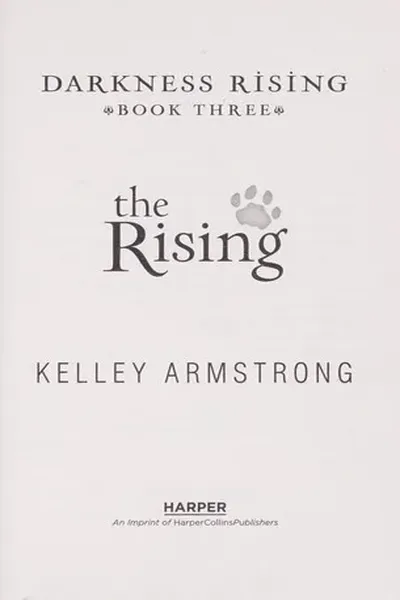
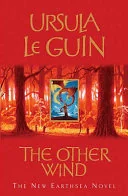
The Other Wind
 77
77

The Other Wind
Ursula K. Le Guin’s *The Other Wind* offers a somber, reflective conclusion to the Earthsea saga, eschewing grand magical battles for a more profound engagement with mortality and spiritual rest. The return of Ged, now an old man, and Tenar to the forefront feels earned, their quiet life on Gont a stark contrast to the cosmic disturbance they must confront. Le Guin excels in depicting the lingering anxieties of the dead and the ethical quandaries of interfering with their passage. A particular strength lies in the characterization of Alder, whose grief and desperation drive the plot forward with palpable weight. However, the resolution, while thematically consistent, can feel somewhat anticlimactic after the immense build-up, relying heavily on established lore and character arcs. The novel’s exploration of the nature of death and its relationship to the living, particularly through the concept of the ‘other wind,’ is its most potent element. The verdict is that while not as vibrant as its predecessors, *The Other Wind* provides a thoughtful and fitting coda to a seminal fantasy series.
📝 Description
77
Ursula K. Le Guin's 2003 novel, The Other Wind, concludes the Earthsea Cycle.
The Other Wind brings the Earthsea saga to a close, focusing on the aging wizard Sparrowhawk, now known as Ged, and his wife Tenar. They live on Gont, but a crisis emerges that threatens the balance between the living and the dead, drawing Ged from his retirement. The narrative revisits core elements of Earthsea's magic, particularly the power found in understanding true names.
This novel is for those who have followed Ged's spiritual and philosophical development throughout the series. It engages with questions of mortality, the nature of reality, and the weight of legacy. Readers familiar with Le Guin's thoughtful prose and her use of mythic structures will find a rich text to consider.
Published in 2003, *The Other Wind* engages with concepts central to Earthsea's magical system. The novel grapples with true names, the understanding of which is fundamental to wielding power in this world. It also presents a view of death and the afterlife where the separation between these realms is not absolute. Le Guin questions the rigid structures of wizardry, suggesting limitations in the magic taught at Roke and hinting at a deeper, less defined reality.
💡 Why Read This Book?
• Learn about the limitations of established magical orders by examining the Roke sorcerers' inability to address the crisis in *The Other Wind*, contrasting with Ged's personal journey. • Understand the symbolic representation of death and the afterlife, particularly how the 'other wind' signifies a state beyond simple oblivion or torment, as depicted in the novel's climax. • Gain insight into the personal growth of Ged and Tenar, observing how their experiences since *The Tombs of Atuan* shape their approach to existential threats in this 2003 publication.
⭐ Reader Reviews
Honest opinions from readers who have explored this book.
❓ Frequently Asked Questions
What is the significance of the 'other wind' in Ursula K. Le Guin's The Other Wind?
The 'other wind' represents a state or realm beyond the conventional understanding of death and the afterlife. It is a place from which the dead can call, signifying a connection or imbalance between the living and the departed that requires resolution.
Who are the main characters in The Other Wind?
The primary characters are the aging wizard Ged (formerly Sparrowhawk) and his wife Tenar, who live a secluded life on the island of Gont. The wizard Alder also plays a significant role, seeking Ged's help to resolve a disturbance involving the dead.
When was The Other Wind first published?
The novel The Other Wind was first published in 2003, serving as the concluding volume of the original Earthsea trilogy.
What themes does The Other Wind explore?
The book delves into themes of mortality, the nature of death and the afterlife, the balance between life and death, legacy, and the limitations of established power structures, particularly within magical orders.
How does The Other Wind connect to the earlier Earthsea books?
It directly follows the events and character arcs established in A Wizard of Earthsea, The Tombs of Atuan, and The Farthest Shore, bringing closure to Ged's story and revisiting key concepts and characters.
Is The Other Wind a standalone novel?
While it can be read independently, The Other Wind functions best as the conclusion to the Earthsea Cycle. Prior knowledge of Ged's journey and the world of Earthsea enhances the reading experience significantly.
🔮 Key Themes & Symbolism
The Unraveling of Death
The novel confronts the established order of death in Earthsea, where the dead are meant to rest. A crisis emerges when the boundary between the living and the dead becomes porous, with the departed haunting the world of the living. This disturbance challenges the fundamental understanding of existence and non-existence, forcing characters to question what true peace or release entails. It explores the idea that the dead may not always remain silent or at rest, and their unrest has wide implications for the world.
The Wisdom of Age and Experience
Unlike earlier installments focusing on a young wizard's journey, *The Other Wind* centers on an aged Ged and Tenar. Their perspective is shaped by decades of life, loss, and introspection. The narrative contrasts their hard-won wisdom with the rigid doctrines of the Roke wizards. This theme emphasizes that true understanding often comes not from formal training but from lived experience, personal reflection, and the acceptance of one's own mortality and limitations.
The Nature of True Names and Power
A foundational element of Earthsea magic, the concept of true names, is revisited. The novel probes deeper into the idea that knowing the true name of something grants power over it. However, *The Other Wind* suggests that true power also lies in understanding, acceptance, and the ability to let go. The resolution hinges not on overwhelming force, but on a profound comprehension of universal principles and the acceptance of natural cycles, including the cycle of life and death.
Balance and Interconnectedness
The crisis in *The Other Wind* stems from a disruption of balance between the areas of the living and the dead. Le Guin presents a worldview where these realms are not entirely separate but are intrinsically linked. The suffering of the dead impacts the living, and vice versa. Achieving resolution requires restoring this delicate equilibrium, suggesting a holistic view of existence where all parts are interconnected and interdependent. This reflects a cosmic order that must be respected.
💬 Memorable Quotes
Direct passages from the work, attributed to the author.
“The dead do not want to be remembered. They want to be forgotten.”
— This sentiment, reflecting the perspective of the restless dead, challenges the common human desire for legacy and remembrance. It suggests that for some, true peace lies in oblivion, not in continued existence through memory.
“There are things that are, and things that are not. And there are those that are not yet, and those that are no longer.”
— This philosophical statement outlines a nuanced understanding of existence beyond a simple binary. It acknowledges the fluidity of being, encompassing potential, past, and present, hinting at the complex nature of the realms beyond the living.
“The wizards of Roke were men of order, and order is a form of blindness.”
— This critique points to the limitations of rigid adherence to rules and established systems. It suggests that sometimes, a fixation on maintaining order can prevent one from seeing or understanding deeper truths or emergent problems.
“What is the difference between love and possession?”
— This question cuts to the heart of relationships and desire. It probes the fine line between genuine affection and the need to control or own another, a theme relevant to the characters' pasts and present motivations.
“Death is not an end, but a change.”
— This interpretation of the afterlife suggests a process of transformation rather than cessation. It aligns with cyclical views of existence, where the end of one phase simply leads to the beginning of another, albeit different, state.
🌙 Esoteric Significance
Tradition
While not explicitly tied to a single esoteric lineage, *The Other Wind* draws heavily from archetypal psychology and comparative mythology, aligning with the broader tradition of Jungian analysis and Joseph Campbell's 'monomyth.' Its exploration of the balance between life and death, the power of true names, and the journey of the soul through various states of being echoes Gnostic and Hermetic ideas concerning spiritual liberation and understanding the cosmos. Le Guin synthesizes these concepts into her unique Earthsea cosmology, departing from rigid doctrine to explore universal spiritual inquiries through a narrative lens.
Symbolism
The 'other wind' serves as a central symbol, representing a liminal space or state beyond ordinary death, a realm where the departed can linger or call out, disrupting the natural order. The concept of 'true names' remains paramount, symbolizing fundamental understanding and the power derived from knowing the essence of things, not merely their superficial form. The island of Gont, as Ged's final refuge, symbolizes peace, wisdom gained through age, and the acceptance of the end of one's journey, contrasting with the structured, yet potentially blind, order of Roke.
Modern Relevance
Contemporary thinkers and practitioners in fields ranging from ecopsychology to speculative fiction continue to draw inspiration from Le Guin's nuanced exploration of ecological balance and interconnectedness. Her work on the nature of power, challenging established hierarchies, and her sensitive portrayal of mortality and the afterlife remain relevant to spiritual seekers and writers grappling with existential questions. The Earthsea series, including *The Other Wind*, is frequently cited in discussions of modern myth-making and philosophical fantasy, influencing those who seek to imbue their narratives with deeper meaning and ethical considerations.
👥 Who Should Read This Book
• Students of comparative mythology and archetypal psychology, seeking to understand how ancient themes of death, balance, and spiritual journeys are reinterpreted in modern literature. • Long-time followers of the Earthsea saga, desiring a conclusive and reflective end to Ged and Tenar's personal arcs, and an exploration of the series' core magical and philosophical concepts. • Readers of literary fantasy who appreciate character-driven narratives that engage with profound questions about life, death, and the nature of reality, rather than focusing solely on plot mechanics.
📜 Historical Context
Ursula K. Le Guin’s *The Other Wind* (2003) emerged during a period where literary fantasy was increasingly exploring mature themes and complex mythologies, moving beyond simple heroic quests. Le Guin, already a towering figure in speculative fiction since the publication of *A Wizard of Earthsea* in 1968, was recognized for her sophisticated prose and philosophical depth, often compared favorably to writers like J.R.R. Tolkien but with a distinct focus on anthropology and sociology within her imagined worlds. The early 2000s saw a continued appetite for intricate world-building, exemplified by the popularity of authors like George R.R. Martin and Neil Gaiman, yet Le Guin’s approach remained unique in its introspective and often quiet intensity. While not directly engaging with a specific competing school of thought in the same way earlier works might have reacted to Tolkien’s influence, *The Other Wind* participated in a broader literary conversation about the nature of myth, power, and the human condition, solidifying Le Guin’s place as a preeminent voice in late 20th and early 21st-century literature.
📔 Journal Prompts
The wizards of Roke's blindness to the crisis in *The Other Wind*.
Alder's desperate plea and its implications for understanding grief.
The symbolic meaning of the 'other wind' in relation to personal peace.
Ged's final acceptance of his role and limitations.
The contrast between true names and the power of established orders.
🗂️ Glossary
Ged
The protagonist of the Earthsea Cycle, also known as Sparrowhawk. In *The Other Wind*, he is an elderly wizard living in retirement on the island of Gont.
Tenar
A central character who was formerly a priestess of the Kargish dark, she becomes Ged's companion and wife. She represents wisdom gained through hardship and a grounded perspective.
Alder
A wizard from Roke who seeks out Ged for help when the boundary between the living and the dead begins to fail, driven by his own grief and the haunting of the dead.
Roke
The central island and seat of the main school of wizardry in Earthsea, known for its structured teachings and the Archmagus. In this novel, its wizards are depicted as rigid and unable to solve the current crisis.
True Name
In Earthsea, the True Name of a person or thing is its essential being. Knowing a True Name grants power over that thing, and is a fundamental concept in wizardry.
The Other Wind
A concept representing a realm or state beyond ordinary death, from which the dead can call. Its disturbance is the central conflict of the novel, signifying an imbalance between life and death.
Archmage
The highest rank of wizard, often the headmaster of the school on Roke. Lord Sparrowhawk (Ged) once held this title.
This book appears in 1 collection
🔮 Readers Also Liked
Browse all →









From the “Reincarnation” Collection
View all →

More Free Occult Philosophy Books
View all →