Scary Art
 74
74

Scary Art



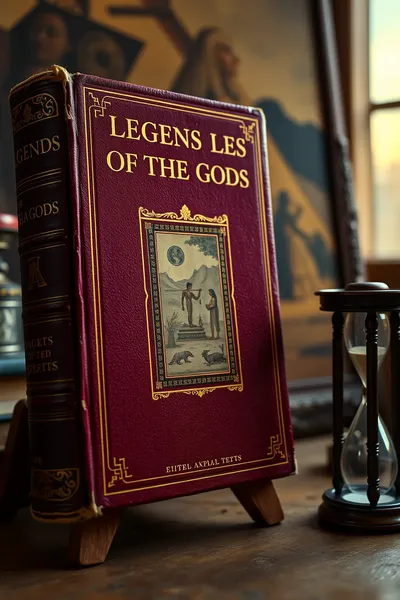
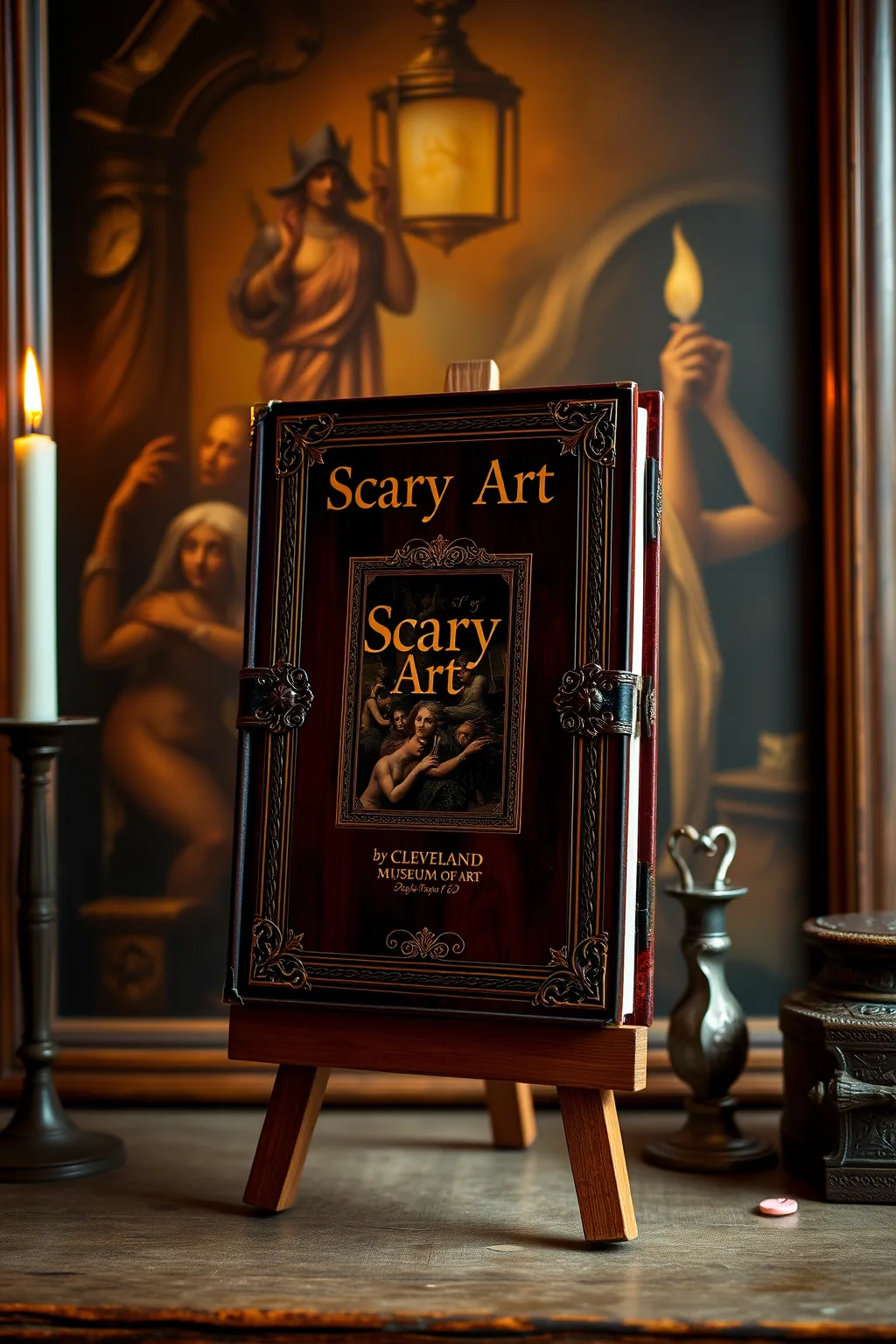
Scary Art is a fascinating journey into the dark recesses of the human psyche, as seen through the lens of some of history's most iconic artists. The Cleveland Museum of Art Department of Education and Interpretation has curated a collection that is as educational as it is haunting. For modern esoteric seekers, this book offers a unique opportunity to explore the historical and cultural significance of witchcraft and paganism. The artwork, spanning different eras and styles, serves as a testament to the enduring fascination with the supernatural. The detailed analysis of each piece provides valuable insights into the symbolism and meaning behind these eerie images. Scary Art is a must-read for anyone interested in the intersection of art and the occult.
📝 Description
74
'Scary Art' examines mystical and occult themes across art history.
This volume from the Cleveland Museum of Art Department of Education and Interpretation looks at artistic depictions of the mystical and occult. It traces how themes of goblins, witches, and monstrous figures appeared in artworks through the ages. The book specifically examines pieces by Francisco Goya, Salvator Rosa, and Albert Pinkham Ryder, uncovering the symbolism and esoteric meanings within them.
It aims to illuminate the darker aspects of human creativity and the role of fear and the supernatural in art. Readers will find discussions on the philosophical weight of these subjects as they manifest in paintings and prints. The collection allows for an engagement with the atmosphere of otherworldly art and its persistent fascination with the macabre.
This book fits within a broader interest in the esoteric traditions that have influenced Western art and thought. It connects to historical explorations of magic, alchemy, and the occult that have surfaced periodically since the Renaissance. The focus on hidden meanings and symbolism in art aligns with hermetic principles and the belief in correspondences between the visible and invisible worlds. By examining artworks that engage with these themes, the book touches upon a long-standing tradition of seeking knowledge beyond conventional understanding, often through symbolic language and allegorical representation.
💡 Why Read This Book?
Reading Scary Art today offers a deep dive into the historical and cultural contexts of witchcraft and paganism. It provides a unique perspective on how fear and superstition have shaped art throughout the ages. For modern esoteric seekers, this book is a valuable resource for understanding the symbolism and meaning behind supernatural imagery. It's a fascinating journey that combines art, history, and the occult, making it a compelling read for anyone interested in the darker side of human imagination.
⭐ Reader Reviews
Honest opinions from readers who have explored this book.
❓ Frequently Asked Questions
What is the main focus of Scary Art?
The main focus of Scary Art is the exploration of witchcraft, goblins, and monsters in historic paintings and prints by renowned artists like Francisco Goya and Salvator Rosa. It delves into the symbolism and cultural significance of these supernatural themes.
Who should read this book?
This book is ideal for art enthusiasts, historians, and those with an interest in the occult. It provides a rich historical context and an engaging exploration of how fear and superstition have influenced art throughout the ages.
Does the book include any modern interpretations of the occult?
While the book primarily focuses on historic artwork, it offers valuable insights into the enduring fascination with the supernatural and the occult, making it relevant for modern esoteric seekers.
🔮 Key Themes & Symbolism
Symbolism of Fear
Uncover the hidden meanings behind the depictions of fear in art, from the era of the Salem Witch Trials to modern interpretations. This theme studies the esoteric symbolism of ghosts, goblins, and monsters, revealing the timeless allure of the supernatural in artistic expression.
Esoteric Traditions in Art
Discover how esoteric traditions have influenced artists throughout history. This theme explores the mystical and occult themes that have inspired renowned artists, offering a unique perspective on the philosophical significance of their works.
Historical Context of Witchcraft
Examine the historical context of witchcraft and its impact on art. This theme connects the fears and superstitions of the past with the artistic motifs of the present, providing a rich, evocative exploration of the mystical and the macabre.
💡 Key Ideas
Editorial paraphrase of the work's core concepts — not direct quotes.
The darkness in art is not mere fear, but a doorway to hidden knowledge.
This quote underscores the esoteric significance of fear in art, suggesting it holds deeper, mystical meanings.
Goblins and ghosts are the guardians of ancient mysteries.
This line highlights the symbolism of supernatural figures as keepers of esoteric wisdom.
Art is the language of the soul, speaking in symbols and shadows.
This passage emphasizes the mystical and occult themes that permeate artistic expression.
The Salem Witch Trials echo through the ages in the art of the supernatural.
This quote connects historical fears with timeless artistic motifs, revealing the enduring allure of the mystical.
In the depths of fear lies the light of hidden truths.
This line suggests that the exploration of fear in art can uncover profound, esoteric insights.
🌙 Esoteric Significance
Tradition
Belonging to the Hermetic tradition, 'Scary Art' explores the mystical and occult themes that have inspired artists throughout history. This book offers a deep dive into the esoteric symbolism of fear and the supernatural, revealing the philosophical significance of these themes in artistic expression.
Symbolism
Key symbols in this book include ghosts, goblins, and monsters, each representing hidden knowledge and esoteric wisdom. These symbols are explored in the context of historical fears, such as those surrounding the Salem Witch Trials, and their timeless allure in artistic motifs.
Modern Relevance
Today, 'Scary Art' remains relevant for modern practitioners of the mystical and occult, offering a rich, evocative exploration of the symbolism of fear and the supernatural. This book serves as an invaluable resource for seekers of hidden knowledge and scholars of esoteric traditions.
👥 Who Should Read This Book
Beginners interested in the mystical and occult will find 'Scary Art' an accessible introduction to esoteric themes in art. Scholars of Hermetic studies and other esoteric traditions will appreciate the deep dive into historical and symbolic contexts. Spiritual seekers and practitioners of the mystical arts will discover clear insights and hidden knowledge within its pages.
📜 Historical Context
Written during a time when the mystical and occult were deeply intertwined with artistic expression, 'Scary Art' offers a unique perspective on the historical context of witchcraft and its influence on art. The book studies the era of the Salem Witch Trials, exploring how the fears and superstitions of the past have shaped the artistic motifs of the present. This volume stands as an important resource for understanding the timeless allure of the supernatural in art, and its influence on esoteric traditions.
📔 Journal Prompts
Reflect on a piece of art that evokes fear or mystery. What hidden knowledge does it reveal?
How have historical fears, such as those surrounding the Salem Witch Trials, influenced modern art?
Explore the symbolism of ghosts, goblins, and monsters in your own artistic expression.
What role does fear play in the esoteric traditions you practice or study?
How does the exploration of fear in art connect with your spiritual journey?
🗂️ Glossary
Hermetic
Relating to the teachings of Hermes Trismegistus, emphasizing hidden knowledge and mystical insights.
Esoteric
Intended for or likely to be understood by only a small number of people with a specialized knowledge.
Occult
Relating to supernatural, mystical, or magical phenomena, often involving hidden knowledge.
Symbolism
The practice of investing things with a symbolic meaning or character, often used in art and literature.
Salem Witch Trials
A series of hearings and prosecutions of people accused of witchcraft in colonial Massachusetts between February 1692 and May 1693.
This book appears in 2 collections
🔮 Readers Also Liked
Browse all →
More by Cleveland Museum of Art Department of Education and Interpretation
All books →
From the “Witchcraft” Collection
View all →
More Free Witchcraft & Paganism Books
View all →