The Magic Of The Egyptian Religions
 61
61

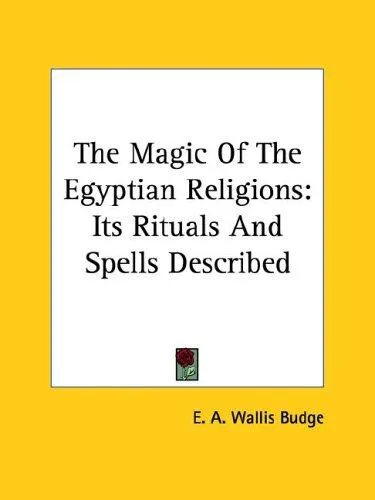
The Magic Of The Egyptian Religions


Isolde Whitaker, Sacred Texts Editor, writes: E. A. Wallis Budge's 'The Magic Of The Egyptian Religions' remains an unparalleled gateway into the sophisticated magical systems of ancient Egypt. Budge masterfully deciphers the complex interplay of ritual, mythology, and practical application, offering readers direct access to the esoteric wisdom of the pharaohs. This work is indispensable for anyone seeking to understand the profound spiritual and magical worldview that underpinned Egyptian society. Its strength lies in its comprehensive scope and Budge's authoritative yet accessible prose, making it a vital resource for scholars and serious practitioners alike who wish to engage with these ancient mysteries.
📝 Description
61
E. A. Wallis Budge's 1901 book examines the magical practices of ancient Egypt.
E. A. Wallis Budge's 'The Magic Of The Egyptian Religions', published in 1901, details the spells, incantations, and rituals central to ancient Egyptian spiritual life. The work moves beyond a simple historical survey to investigate the esoteric principles behind these practices. Budge illuminates the symbolic language and concealed knowledge that priests and rulers utilized. The book discusses celestial alignments, the meaning of hieroglyphs, and the cosmology that informed Egyptian views on existence, mortality, and the divine. It is a guide for those interested in the magical traditions of ancient Egypt. The text aims to convey an atmosphere of antiquity, where the separation between the physical and spiritual worlds was less defined, and spiritual advancement was a primary human goal. It also touches on the philosophies that influenced a culture focused on order, permanence, and the powers of creation and dissolution.
This book is situated within the study of Western esotericism, specifically concerning ancient magical systems. Budge's work, written at a time when Egyptology was developing, brought attention to the belief systems and practices that lay beneath the surface of formal religion. It engages with ideas about hidden knowledge, symbolic interpretation, and the efficacy of ritual, which are common themes in esoteric traditions. The focus on the practical application of magic, the manipulation of unseen forces, and the quest for spiritual power aligns it with broader esoteric inquiries into ancient worldviews.
💡 Why Read This Book?
Unlock the secrets of ancient Egyptian magic and spirituality. 'The Magic Of The Egyptian Religions' offers profound insights into rituals, spells, and the esoteric worldview of the pharaohs. Ideal for seekers of hidden knowledge, scholars of ancient civilizations, and practitioners looking to integrate timeless magical principles into their modern practice. Discover the enduring power of Egyptian magic.
⭐ Reader Reviews
Honest opinions from readers who have explored this book.
❓ Frequently Asked Questions
What kind of magic is explored in this book?
The book explores a wide spectrum of Egyptian magic, including protective spells, healing rituals, funerary rites, and incantations aimed at influencing deities and the natural world. It covers both practical magic and its deep spiritual significance.
Is this book suitable for beginners?
Yes, while comprehensive, Budge's writing is accessible. Beginners will find a solid foundation in Egyptian magical concepts, but deeper engagement will be rewarded.
What are the primary sources used by Budge?
Budge draws extensively from ancient Egyptian texts, including hieroglyphic inscriptions, funerary papyri (like the Book of the Dead), temple reliefs, and magical formulae found on amulets and stelae.
How does this book differ from general Egyptian history books?
This book focuses specifically on the magical and religious beliefs and practices, offering an esoteric perspective rather than a purely historical or political one. It delves into the 'why' and 'how' of their spiritual endeavors.
Can the rituals described be practiced today?
The book provides historical context and understanding of ancient practices. While direct replication might be challenging due to lost nuances, the underlying principles and symbolic meanings can offer profound inspiration for modern practitioners.
🔮 Key Themes & Symbolism
The Power of Divine Incantation
This theme explores the central role of spoken word and written spells in Egyptian magic. It explores how Egyptians believed that specific utterances, often invoking the names of deities or powerful cosmic forces, could manifest reality. From protective amulets to elaborate funerary rituals, the careful articulation of magical formulae was paramount, reflecting a deep understanding of the creative power inherent in language and sound. The book illuminates the intricate relationship between the magician, the divine, and the desired outcome, showcasing the Egyptians' mastery of this potent art.
Cosmic Harmony and Ma'at
Central to Egyptian magic was the concept of Ma'at – cosmic order, truth, and justice. This theme examines how magical practices were intrinsically linked to maintaining and restoring this delicate balance. Rituals were designed not only for personal gain but also to uphold the divine order of the universe, ensuring the sun's daily rise, the Nile's inundation, and the well-being of the kingdom. The book illustrates how magic served as a vital tool to align human actions with celestial patterns, safeguarding against chaos and ensuring continued prosperity.
The Journey of the Soul and the Afterlife
This theme explores the profound Egyptian beliefs surrounding death and the afterlife, and the magical preparations undertaken for this transition. It details the intricate funerary rituals, the spells and incantations designed to guide the deceased safely through the underworld, and the importance of preserving the body and spirit. Budge illuminates how magic was not merely for the living but was considered an essential component of a successful eternal existence, ensuring rebirth and continuation in the Field of Reeds.
💬 Memorable Quotes
Direct passages from the work, attributed to the author.
“The power of the word was paramount.”
— This emphasizes the belief that spoken and written language held inherent creative and transformative power, central to all Egyptian magical operations.
“To know the name was to possess the power.”
— This points to the esoteric understanding that true knowledge of a deity's or entity's name granted control or influence over it.
“Ritual maintained the cosmic balance.”
— This underscores the integral role of magical and religious ceremonies in preserving the order and harmony of the universe, as understood by the Egyptians.
“The afterlife was a continuation, not an end.”
— This reflects the optimistic Egyptian view of death as a transition, for which magical preparations were essential for a successful eternal existence.
💡 Key Ideas
Editorial paraphrase of the work's core concepts — not direct quotes.
Magic was the science of the ancients.
This quote highlights the sophisticated and systematic nature of ancient Egyptian magical practices, positioning them as a form of applied knowledge rather than mere superstition.
🌙 Esoteric Significance
Tradition
This work is deeply rooted in the Hermetic and Gnostic traditions, which often sought to understand the divine through hidden knowledge and symbolic interpretation. It connects with the broader esoteric quest for understanding the universe's underlying principles and humanity's place within them, drawing parallels between Egyptian cosmology and other ancient mystical systems.
Symbolism
Egyptian magic is rich with potent symbolism. This book unpacks the meaning behind hieroglyphs, divine animal forms, celestial bodies, and architectural motifs. From the Eye of Horus representing protection and healing to the Ankh symbolizing life, Budge reveals how these symbols were not mere decoration but held profound cosmological and magical significance, acting as conduits for divine energy.
Modern Relevance
The enduring appeal of Egyptian magic lies in its timeless themes of transformation, protection, and connection to the divine. Modern practitioners and spiritual seekers find inspiration in its structured approach to manifesting reality, its emphasis on cosmic harmony, and its useful insights into the nature of consciousness and the afterlife. The book offers a bridge to ancient wisdom, providing tools for personal growth and spiritual exploration.
👥 Who Should Read This Book
This book is an invaluable resource for several groups. **Beginners** to ancient Egyptian culture and spirituality will find it an accessible yet comprehensive introduction to their magical practices. **Scholars** of ancient history, religion, and comparative mythology will appreciate Budge's detailed analysis and extensive use of primary sources. **Esoteric practitioners** and **spiritual seekers** will discover a rich wellspring of wisdom, symbolism, and ritualistic inspiration that can be integrated into their personal paths. Anyone fascinated by the enduring mysteries of one of the world's most influential ancient civilizations will find 'The Magic Of The Egyptian Religions' a captivating and enlightening read.
📜 Historical Context
E. A. Wallis Budge, a prolific Egyptologist, wrote 'The Magic Of The Egyptian Religions' during a period of intense scholarly interest in ancient Egypt in the late 19th and early 20th centuries. This era saw the decipherment of hieroglyphs and the extensive excavation of Egyptian sites, bringing vast amounts of textual and artifactual evidence to light. Budge's work, while reflecting the scholarship of his time, aimed to make these complex religious and magical systems accessible to a broader audience. His meticulous research, drawing directly from primary sources, provided a foundational understanding of Egyptian beliefs that continues to influence the study of esotericism and ancient religions today.
📔 Journal Prompts
Reflect on the concept of Ma'at and how its principles might be applied to maintain balance in your own life.
Consider the power of intention in your daily actions. How does focusing your intent align with the Egyptian understanding of magical efficacy?
Meditate on a symbol from ancient Egypt (e.g., ankh, scarab, eye of Horus) and explore its personal resonance and potential meaning for you.
Imagine you are preparing for a significant transition in your life. What kind of 'spells' or rituals would you create to ensure a smooth passage, drawing inspiration from Egyptian funerary practices?
How can the ancient Egyptian emphasis on the sacredness of the word influence your own communication and creative expression?
🗂️ Glossary
Ma'at
The ancient Egyptian concept of cosmic order, truth, justice, and balance. It represented the fundamental harmony of the universe and was maintained through ethical conduct and ritual practice.
Heka
The ancient Egyptian word for magic. It encompassed a wide range of spiritual, religious, and magical practices believed to influence the natural and supernatural worlds.
Book of the Dead
A collection of ancient Egyptian funerary texts containing spells, prayers, and incantations intended to guide the deceased through the underworld and into the afterlife.
Hieroglyphs
The formal writing system used in ancient Egypt, combining logographic, syllabic, and alphabetic elements. They were considered sacred symbols with inherent magical power.
Amulet
An object believed to possess protective or magical properties, worn by individuals or placed on mummies to ward off evil, bring good fortune, or ensure safe passage into the afterlife.
This book appears in 2 collections
🔮 Readers Also Liked
Browse all →







More by E. A. Wallis Budge
All books →




From the “Ritual Magic” Collection
View all →



More Free Magic & Ritual Books
View all →