A Corpus of Syriac incantation bowls
 61
61

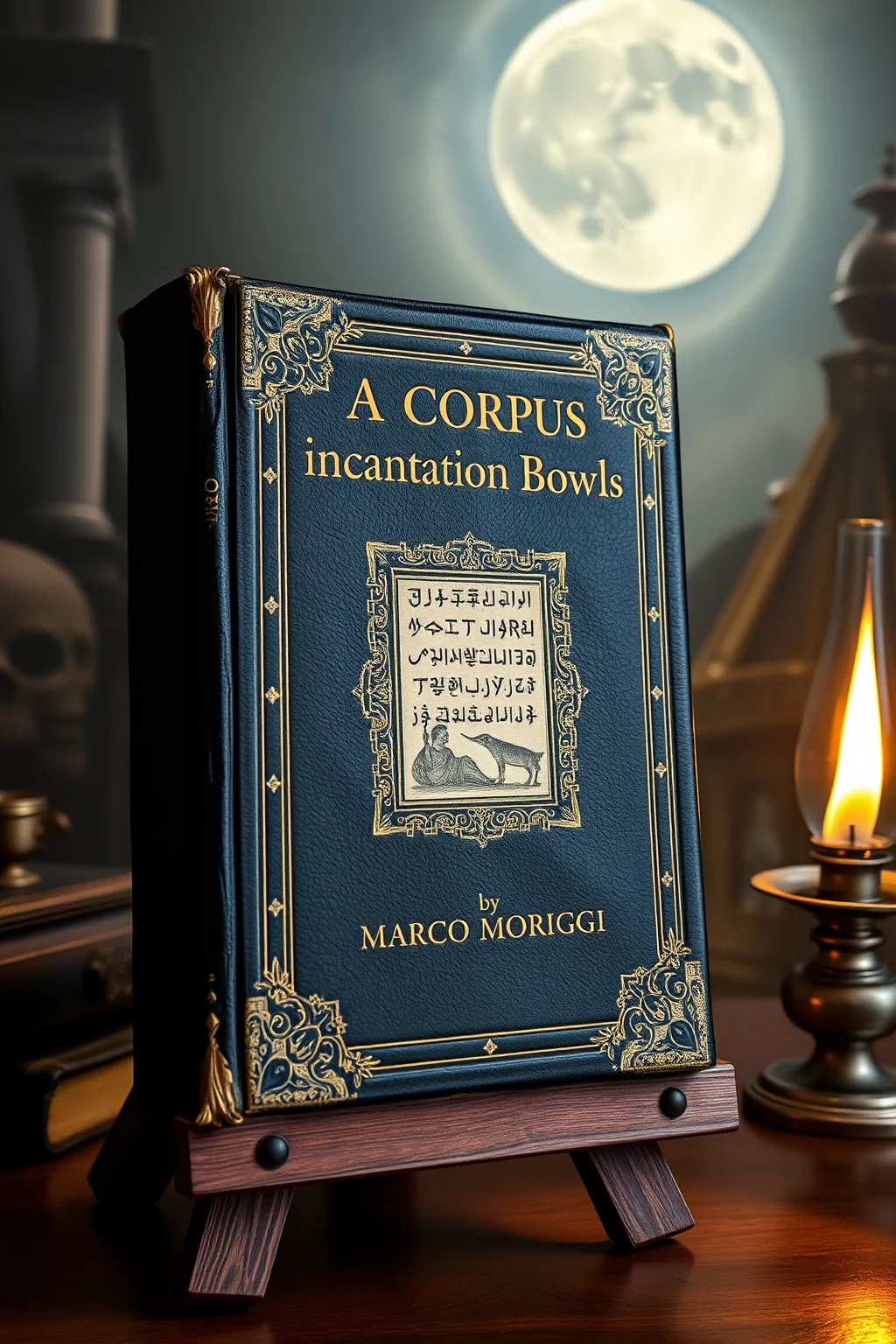
A Corpus of Syriac incantation bowls

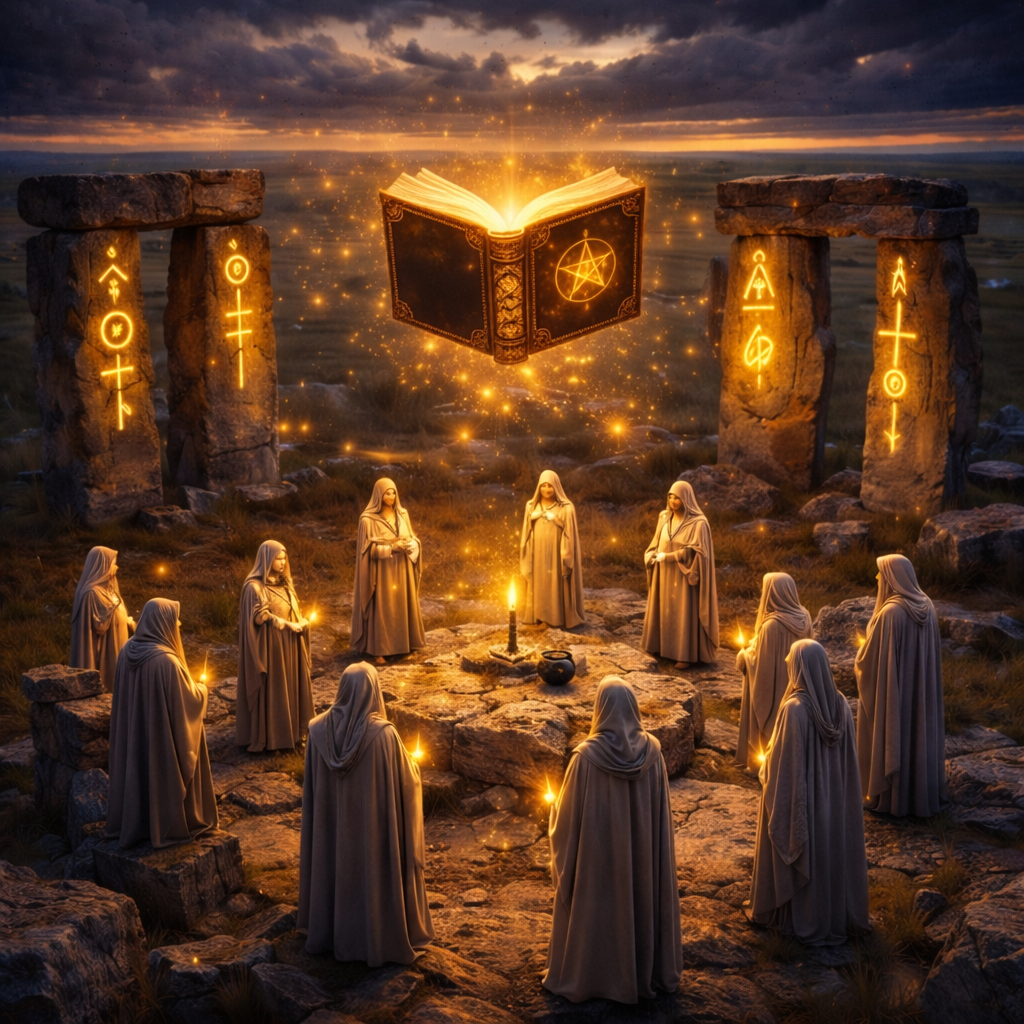

Balthazar Finch (Senior Critic, Occult Philosophy) — Marco Moriggi's 'A Corpus of Syriac Incantation Bowls' stands as a monumental achievement in the study of ancient magical practices. Moriggi masterfully deciphers these enigmatic inscriptions, revealing not just linguistic curiosities but potent conduits of spiritual intent. The book offers a rare, unvarnished look at the folk magic and demonology that permeated daily life, providing invaluable insights for anyone interested in the practical application of esoteric knowledge. Its rigorous academic foundation is matched by an evocative presentation, making it an essential, if challenging, read for scholars, occultists, and serious students of comparative religion and magic.
📝 Description
61
Marco Moriggi's 2017 'A Corpus of Syriac Incantation Bowls' collects 279 bowls from the 5th to 8th centuries.
This book presents a comprehensive catalog of Syriac incantation bowls, artifacts used in late antiquity. The texts inscribed on these bowls contain spells and invocations intended for protection, healing, prosperity, and control over malevolent spirits. Moriggi's work details the paleography, language, and symbolic imagery found on these vessels, providing a direct window into the magical practices and beliefs of early Near Eastern societies.
The collection goes beyond a simple listing of texts. It examines the social and religious context in which these bowls were created and used, illustrating the practical application of magic in everyday life. By analyzing the specific incantations and their underlying cosmology, the book illuminates the ancient impulse to engage with the supernatural and the power attributed to spoken or written words. This is a scholarly resource for understanding a specific tradition of ancient magic.
Syriac incantation bowls belong to a broader tradition of magical texts and objects found across the ancient Near East and Mediterranean. These bowls are a specific manifestation of a widespread desire to control spiritual forces through ritualized language and inscribed symbols. Their use reflects a syncretic blend of existing cultural beliefs and newly adopted religious ideas, particularly in the context of early Christianity and Judaism's interactions with local magical traditions. The practice offers insight into the lived experience of magic, distinct from purely theoretical or philosophical discussions of the occult.
💡 Why Read This Book?
Unearth the forgotten language of ancient magic. 'A Corpus of Syriac Incantation Bowls' provides direct access to potent Syriac incantations, revealing the practical application of spells for protection and influence. Ideal for scholars of ancient history, students of Semitic languages, and practitioners seeking to connect with ancestral magical traditions. Explore a unique window into the spiritual lives and beliefs of early Mesopotamian cultures.
⭐ Reader Reviews
Honest opinions from readers who have explored this book.
❓ Frequently Asked Questions
What are Syriac incantation bowls?
Syriac incantation bowls are clay vessels inscribed with Aramaic or Syriac texts, typically spells or prayers, used in ancient Near Eastern cultures to ward off evil spirits, illness, or misfortune. They served as tangible talismans and conduits for magical intent.
What is the primary language of the texts?
The primary language of the inscriptions on these bowls is Syriac, a dialect of Aramaic that was widely used in the Near East from the early centuries CE.
Who was Marco Moriggi?
Marco Moriggi is a distinguished scholar specializing in ancient Near Eastern languages, cultures, and magic. His expertise is evident in the meticulous translation and analysis presented in this corpus.
What kind of magic is discussed in the book?
The book focuses on practical magic, including protective spells, exorcisms, and incantations aimed at manipulating spiritual forces for personal benefit or defense, as documented in the Syriac texts.
Is this book suitable for beginners in magic?
While deeply scholarly, the book offers foundational understanding of ancient magical practices for those willing to engage with detailed textual analysis. Beginners interested in historical magic will find it illuminating but may benefit from supplementary introductory texts.
🔮 Key Themes & Symbolism
The Power of the Written Word
This theme explores the profound belief in the efficacy of written language as a magical tool. The Syriac inscriptions were not mere records but active agents, believed to possess inherent power to influence the material and spiritual realms. Moriggi's work illuminates how specific incantations, when inscribed, could invoke protection, bind demons, or compel spirits, highlighting a worldview where the written word was a tangible force in the cosmos, capable of altering destinies and safeguarding individuals from unseen threats.
Demonic Encounters and Spiritual Warfare
Central to these incantations is the engagement with the spirit world, particularly the adversarial forces of demons and malevolent entities. The bowls served as a primary means of defense against these perceived threats, with spells designed to banish, entrap, or appease them. Moriggi’s analysis reveals the complex cosmology of the era, detailing the hierarchy of spirits, the specific characteristics attributed to various demons, and the ritualistic strategies employed to navigate this perilous spiritual landscape and maintain cosmic balance.
Ancient Materiality and Ritual Practice
The physical form of the incantation bowls—their material, shape, and the act of inscribing—is integral to their magical function. Moriggi emphasizes how the very act of creation imbued these objects with power, turning mundane clay into sacred vessels. The orientation, the direction of writing, and the specific materials used all contributed to the ritualistic effectiveness of the incantations, offering a tangible link between the practitioner's intent, the written spell, and the desired outcome in the physical world.
💬 Memorable Quotes
Direct passages from the work, attributed to the author.
“From the dust, a shield against the spectral tide.”
— Highlights the transformation of ordinary material (clay) into a protective artifact through the power of inscription, symbolizing the ability of human will and ritual to create defenses against spiritual dangers.
“Whispers etched in clay, echoes in the ether.”
— This evocative phrase suggests the enduring power and resonance of ancient incantations, implying that the magical energies captured on the bowls continue to exist and influence beyond their original context.
“The demon fears the name, the parchment seals its fate.”
— Emphasizes the power attributed to divine or potent names within incantations, and the role of the inscribed text in symbolically capturing and neutralizing malevolent entities.
“In script, the covenant with unseen powers is forged.”
— Refers to the belief that the act of writing and reciting incantations established a form of agreement or pact with spiritual forces, whether for protection or other purposes.
💡 Key Ideas
Editorial paraphrase of the work's core concepts — not direct quotes.
The spell binds the unseen, the inscription anchors the intent.
This quote expresses the core magical principle that the written word, when properly formulated, possesses the power to manipulate spiritual forces and manifest desired outcomes in the physical realm.
🌙 Esoteric Significance
Tradition
These incantation bowls are deeply rooted in the esoteric traditions of Late Antiquity, particularly within the Syriac-speaking Christian communities and broader Mesopotamian magical milieu. They represent a form of practical Kabbalah and folk magic, intertwined with early Christian demonology and Gnostic cosmology. The focus on divine names, angelic intercession, and the binding of demonic forces aligns with esoteric practices aimed at spiritual protection and the manipulation of hidden energies for earthly benefit.
Symbolism
The symbolism is complex, encompassing the bowl itself as a protective vessel, often inverted to trap spirits. The inscribed texts are potent symbols of divine authority and linguistic power, with specific names (of God, angels, or even demons) acting as keys or seals. The imagery of demons being bound, cast out, or humiliated is a recurring symbolic narrative of spiritual victory and the restoration of order. The act of writing itself symbolizes the infusion of intent and magical energy into a physical medium.
Modern Relevance
In a contemporary world often grappling with anxiety and a search for meaning, these ancient incantations offer a powerful reminder of humanity's enduring quest for control and protection. They provide a tangible link to ancestral magical practices, inspiring reflection on the power of intention, the efficacy of focused will, and the symbolic language of spiritual defense. For practitioners, they offer a rich source of inspiration for ritual development and a deeper understanding of the historical evolution of magical thought and practice.
👥 Who Should Read This Book
This corpus is an invaluable resource for several distinct groups. Scholars of ancient Near Eastern history, Semitic languages, and religious studies will find Moriggi's meticulous transcriptions and translations indispensable for their research. Occultists and practitioners of ceremonial magic will discover a direct conduit to ancient magical techniques, offering insights into the efficacy of specific incantations and the symbolic power of written spells. For the curious seeker, it provides a window into the spiritual lives and deeply held beliefs of past civilizations, offering a profound understanding of human anxieties and the universal desire for protection and well-being.
📜 Historical Context
Emerging from the fertile intellectual and spiritual range of the late antique Near East, particularly from the Sasanian and early Islamic periods (roughly 3rd to 8th centuries CE), Syriac incantation bowls represent a fascinating confluence of cultural and religious influences. Syriac, a vibrant literary and liturgical language, served as the vehicle for these potent magical texts, drawing from a rich tradition of Aramaic incantations, Gnostic ideas, and early Jewish mysticism. These bowls were not confined to elite circles but were part of the daily lives of ordinary people, reflecting anxieties about illness, demonic possession, and personal security in a world brimming with perceived spiritual threats. Their widespread discovery across Mesopotamia and beyond attests to the pervasive nature of these magical beliefs and practices, offering a unique, grassroots perspective on the spiritual concerns and folk magic of the era.
📔 Journal Prompts
Reflect on a modern-day anxiety and how an ancient incantation might offer symbolic protection or resolution. Write your own 'bowl' incantation.
Consider the power of specific names or words in your own life. How do certain utterances hold weight or influence?
Explore the concept of 'binding' negative influences. What personal 'demons' or challenges could be symbolically addressed through a written ritual?
Imagine you are a scribe inscribing a bowl. What would be your most urgent plea or protective measure, and why?
How does the material form of an object (like a bowl) enhance or focus magical intent? Consider an object in your own life that feels imbued with significance.
🗂️ Glossary
Syriac
A dialect of Aramaic that became a major literary and liturgical language for many Christian communities in the Near East, widely used from the early centuries CE for religious and secular texts, including magical inscriptions.
Incantation Bowl
A ceramic vessel, typically shallow and inscribed with magical texts, used in ancient Mesopotamia and surrounding regions as a protective amulet or a means to trap and banish spirits.
Paleography
The study of ancient and historical handwriting. In this context, it refers to the analysis and decipherment of the script used on the incantation bowls to understand their age, origin, and meaning.
Demonology
The study of demons or beliefs about demons. The incantation bowls often contain texts that name, describe, and seek to control or repel various demonic entities prevalent in the religious and magical worldview of the time.
Aramaic
An ancient Semitic language that was widely spoken throughout the Near East. Syriac is a specific literary dialect of Aramaic, and many incantation bowls feature texts in various forms of Aramaic.
This book appears in 3 collections
🔮 Readers Also Liked
Browse all →


From the “Ritual Magic” Collection
View all →




More Free Magic & Ritual Books
View all →