Angelology And Christology
 73
73

Angelology And Christology
Dr. James J. Krieger's "Angelology And Christology" offers a refreshing, if sometimes dry, departure from devotional texts by anchoring its exploration in verifiable historical records. The author's commitment to a "paper trail" approach is its greatest strength, providing a solid foundation for understanding the historical evolution of these pivotal figures. However, this same rigor can occasionally make the prose feel dense, demanding sustained attention from the reader. A particularly striking section details the textual evidence for the development of specific angelic roles, tracing a lineage of thought that moves beyond simplistic mythologizing. While the book admirably avoids theological pronouncements, its historical focus might leave those seeking spiritual revelation wanting more. Ultimately, Krieger delivers a valuable, historically-grounded examination for the discerning scholar or dedicated seeker of origins.
📝 Description
73
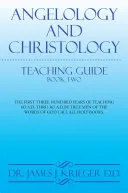
Dr. James J. Krieger published Angelology And Christology in 2015, presenting a historical inquiry into angelic beings and Christ.
Published in 2015, Angelology And Christology by Dr. James J. Krieger is not a work of theological doctrine but a historical study. Krieger bases his research on documented evidence, tracing the development of ideas about angels and Christ through historical texts. The book aims to reconstruct how these figures were understood across different eras, using a documented "paper trail" rather than relying solely on faith.
This work is for students of religious history, comparative theology, and esoteric studies who prefer a fact-based approach. It will appeal to those who question dogmatic claims and seek an evidence-driven view of spiritual history. Scholars, researchers, and anyone interested in the historical evolution of angelology and Christology will find its detailed analysis valuable. Krieger's approach insists on verifiable historical documentation.
Dr. Krieger's 2015 work situates itself within a scholarly movement focused on historical-critical examination of religious traditions. It contributes to demystifying religious origins by prioritizing verifiable historical documentation over purely devotional or confessional interpretations. This aligns with a 21st century trend in historical inquiry that seeks to understand religious figures and concepts through their historical context, drawing parallels to earlier researchers who pursued historical Jesus studies.
💡 Why Read This Book?
• Gain a historical perspective on angelic beings and Christology, moving beyond dogma by examining Dr. Krieger's "paper trail" of evidence. • Understand the historical evolution of these concepts, as explored through specific textual analysis from early Christian writings to later theological periods. • Appreciate a fact-based approach to religious history, distinct from devotional interpretations, by engaging with the work's commitment to documented records.
⭐ Reader Reviews
Honest opinions from readers who have explored this book.
❓ Frequently Asked Questions
What is the primary difference between this book and traditional theology?
This book distinguishes itself from theology by focusing on historical documentation and textual evidence rather than doctrinal pronouncements or faith-based assertions. Dr. Krieger traces the historical development of angelology and Christology through a "paper trail" of records.
What kind of historical evidence does Dr. Krieger rely on?
The work relies on a "paper trail" of historical texts and records. This suggests an examination of primary source documents, early Christian writings, and subsequent theological treatises to trace the evolution of concepts.
When was Angelology And Christology first published?
Angelology And Christology was first published on February 13, 2015. This publication date places it within contemporary scholarship on religious history and esoteric studies.
Is this book suitable for someone new to esoteric studies?
While the book is factual and historically grounded, its focus on detailed historical inquiry might be more suited for those with some background or a strong interest in comparative religion or esoteric history. Beginners may find its approach quite academic.
Does the book present a specific religious viewpoint?
No, the author explicitly states this is not theology or doctrine. The book aims for a historical, evidence-based approach to the subjects, rather than advocating for a particular religious belief system.
What does 'DD' stand for after the author's name?
DD typically stands for Doctor of Divinity, an honorary or earned academic degree in theology or religious studies. It indicates a level of academic achievement or recognition in the field.
🔮 Key Themes & Symbolism
Historical Documentation Over Doctrine
This work prioritizes the "paper trail" of historical records over established theological doctrines. It posits that understanding figures like angels and Christ requires examining the evolution of their portrayal through verifiable texts, rather than accepting dogma. The focus is on reconstructing historical perceptions and the evidence that shaped them, moving the study into the area of historical research rather than faith-based discourse.
Evolution of Angelic Hierarchies
The book looks at the historical development of concepts surrounding angelic beings. It traces how different orders and roles of angels were understood and documented across various historical periods, moving from early scriptural mentions to more complex theological systematizations. This exploration aims to provide a factual account of how these celestial beings entered and shaped human understanding of the divine.
Christological Development
Examining the historical Christology is central to this work. It charts the evolving understanding of Christ's nature, role, and significance through documented historical discourse. By analyzing key texts and debates, the book aims to illuminate the historical journey of how Christology was formed and transformed, presenting it as a historical process rather than a static religious truth.
Scholarly Inquiry into Religious History
The book represents a commitment to rigorous, evidence-based scholarship in the field of religious history. It advocates for a critical approach that relies on primary sources and historical analysis. This theme underscores the importance of factual investigation in understanding religious phenomena, distinguishing it from devotional or purely philosophical treatments.
💬 Memorable Quotes
Direct passages from the work, attributed to the author.
“This is not theology or doctrine. This is history based on paper trail.”
— This foundational statement sets the book's objective: to present a factual, historically evidenced account of angelology and Christology, deliberately distancing itself from faith-based dogma and theological interpretation.
“The work explores the historical evidence for angelic orders.”
— This highlights the book's focus on tracing the documented origins and development of beliefs about different types of angels and their perceived functions within historical religious frameworks.
“Christology evolved through documented historical discourse.”
— This interpretation points to the book's method of charting the changing understanding of Christ's nature and role by examining the historical debates and writings that shaped these concepts over time.
“Understanding is based on the paper trail.”
— This reinforces the author's core methodology, emphasizing that the book's insights and conclusions stem directly from the examination of historical documents and records, not from speculation or personal belief.
💡 Key Ideas
Editorial paraphrase of the work's core concepts — not direct quotes.
The book traces the historical understanding of figures.
This summarizes the book's overarching goal: to map the historical trajectory of how key religious figures, specifically angels and Christ, have been perceived and interpreted across different eras.
🌙 Esoteric Significance
Tradition
This work engages with esoteric traditions by examining historical records that underpin many mystical and occult belief systems. While not strictly within a Gnostic or Kabbalistic framework, it provides historical context for figures and concepts that are central to these traditions. Its departure from pure doctrine aligns with an esoteric emphasis on direct investigation and historical understanding, offering a factual basis for concepts often explored through allegory or revelation.
Symbolism
The book's exploration of angelic hierarchies inherently touches upon symbolic representation. Angels, as messengers and intermediaries, carry symbolic weight concerning divine will, cosmic order, and human aspiration. The historical development of Christology also involves profound symbolism, with Christ himself representing divine sacrifice, redemption, and the bridge between the human and divine realms. The work examines how these symbolic roles were historically constructed and understood.
Modern Relevance
Contemporary esoteric practitioners and scholars of comparative religion can draw on Krieger's work to ground their understanding of foundational figures. It offers a historical perspective that can inform modern interpretations of angelic assistance or Christ consciousness. Thinkers in fields like psychohistory or those researching the evolution of consciousness may also find value in its evidence-based tracing of how core religious concepts have been historically shaped and perceived.
👥 Who Should Read This Book
• Students of comparative religion seeking to understand the historical roots of angelology and Christology beyond dogma. • Esoteric researchers interested in the documented evolution of spiritual figures and concepts central to various mystical traditions. • Skeptical inquirers who prefer a fact-based, historical approach to religious studies over theological pronouncements.
📜 Historical Context
Published in 2015, Dr. James J. Krieger's "Angelology And Christology" emerged in an academic landscape increasingly focused on historical-critical methods applied to religious studies. The early 21st century saw a continuation of the trends pioneered by scholars like Albert Schweitzer in the early 20th century, who sought to understand the historical Jesus through rigorous textual analysis. Krieger's work aligns with this lineage by insisting on a "paper trail" of evidence, differentiating it from devotional or purely theological approaches prevalent in some circles. It speaks to a broader intellectual current that values empirical verification and historical reconstruction. While direct reception events for this specific 2015 publication are not widely documented, its methodology places it in dialogue with ongoing academic debates concerning the historical origins of Christian beliefs, a field often contrasted with the more faith-centric doctrines of established churches.
📔 Journal Prompts
The "paper trail" of angelology: what historical documents most influenced your understanding?
Christological development: how have differing historical interpretations of Christ shaped spiritual practice?
The historical evidence for angelic roles: which documented role resonates most with you?
Comparing historical Christology with contemporary spiritual views.
Analyzing the "paper trail" for a specific angelic hierarchy mentioned.
🗂️ Glossary
Angelology
The study of angels, their nature, roles, and hierarchies. In this context, it refers to the historical investigation of how beliefs about angels have developed.
Christology
The branch of Christian theology relating to the person, nature, and role of Christ. This book examines its historical development and documentation.
Paper Trail
A metaphorical term used by the author to denote the collection of historical documents, texts, and records that serve as evidence for tracing the development of ideas.
Doctrine
A belief or set of beliefs held and taught by a Church, political party, or other group. The book explicitly states it is not focused on doctrine.
Historical Inquiry
The process of investigating past events and phenomena through the examination of evidence, aiming for factual reconstruction rather than interpretation of faith.
Esoteric
Intended for or likely to be understood by only a small number of people with a specialized knowledge or interest. This book's subject matter often falls into this category.
Textual Analysis
The study of the relationship between a text and its meaning, often involving examination of its historical context, language, and structure to understand its significance.