The Law of Thelema-Hidden Alchemy
 80
80

The Law of Thelema-Hidden Alchemy
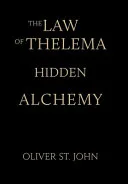
Oliver St. John’s "The Law of Thelema-Hidden Alchemy" offers a bracingly pessimistic diagnosis of contemporary spiritual malaise. The author posits that modern society’s spiritual aspirations are perverted by a selective, uncomprehending adoption of ancient sciences, leading to the dangerous resurgence of primal, Qliphotic forces. The strength of this work lies in its unvarnished, critical approach, demanding intellectual rigor from its readers. A particularly striking passage discusses the "awakening of dangerous atavisms" resulting from the misapplication of "traditional sciences without comprehension." However, the book's dense, almost apocalyptical tone might alienate those seeking more accessible spiritual guidance. While rich in its philosophical underpinnings, the lack of practical, actionable steps for the "profane person" to navigate these perceived dangers leaves a significant gap. Nevertheless, for the dedicated student of obscure metaphysics, it provides a potent, albeit grim, perspective.
📝 Description
80
Oliver St. John's 2021 book argues humanity faces dissolution due to rejecting metaphysical knowledge.
Oliver St. John's The Law of Thelema-Hidden Alchemy posits humanity stands at a critical juncture, threatened by cosmic dissolution as a cycle nears its end. St. John asserts that a widespread dismissal of genuine metaphysical understanding has fostered a hazardous dependence on misconstrued traditional sciences. This misapplication, fueled by a yearning for an imagined Eden, has paradoxically unleashed uncontrolled "atavisms" of a Qliphotic nature, presenting considerable dangers to those unprepared for their influence.
This text is written for serious students of esoteric philosophy and occult history, especially those examining the core ideas behind various spiritual systems. It speaks to readers weary of superficial spiritual movements, who seek a more thorough grasp of cosmic cycles, hidden energies, and the potential repercussions of metaphysical ignorance. Those involved in advanced magical or alchemical practices will find its arguments particularly pertinent. The work draws from traditions studying cyclical cosmologies and esoteric thought, reflecting themes present in periods of significant spiritual and philosophical shifts.
Emerging from traditions that study cyclical cosmologies and esoteric lore, this book references concepts found throughout periods of intense spiritual and philosophical questioning. The early 21st century, characterized by a renewed interest in occultism alongside the digital spread of information, serves as a backdrop where 'traditional sciences' are frequently stripped of their original context. St. John's work stands against this tendency, stressing the importance of fundamental metaphysical comprehension, a concern echoed by thinkers like Helena Blavatsky in her critiques of pseudo-occultism.
💡 Why Read This Book?
• Understand the Manvantara cycle as a framework for cosmic dissolution and humanity's present crisis, a concept drawn from Hindu cosmology that St. John uses to reframe current events. • Grasp the "Hidden Alchemy" of Thelema, moving beyond common interpretations to explore its alchemical implications for spiritual transformation and the reordering of forces. • Identify the dangers of "Qliphotic atavisms" awakened by the superficial study of esoteric traditions, offering a critical lens on contemporary spiritual movements and their potential pitfalls.
⭐ Reader Reviews
Honest opinions from readers who have explored this book.
❓ Frequently Asked Questions
What is the "Manvantara" as discussed in The Law of Thelema-Hidden Alchemy?
The Manvantara, originating in Hindu cosmology, refers to a vast cosmic cycle of creation and dissolution. In St. John's work, it signifies the end of a major world-age, a period where humanity faces potential total dissolution due to spiritual and metaphysical failings.
How does "The Law of Thelema" differ in this book from common interpretations?
Oliver St. John presents the Law of Thelema not merely as "Do what thou wilt," but through a lens of "Hidden Alchemy." This suggests a profound, alchemical process of transformation and the reordering of internal and external forces, moving beyond individualistic will.
What are "Qliphotic atavisms" and why are they dangerous according to the book?
Qliphotic atavisms are primal, uncontrolled forces associated with the Qliphoth (Kabbalistic 'husks'). St. John argues they are awakened by the superficial adaptation of traditional sciences without true metaphysical understanding, posing a severe threat to the unprepared.
Who is Oliver St. John and what is his background?
Oliver St. John is the author of "The Law of Thelema-Hidden Alchemy." While detailed biographical information is scarce, his work suggests a deep engagement with esoteric philosophy, comparative religion, and alchemical traditions.
When was 'The Law of Thelema-Hidden Alchemy' first published?
The book was first published on June 7, 2024. This recent publication places it within contemporary discussions on esoteric thought and its relevance to modern challenges.
What kind of "traditional sciences" does the book suggest are being misinterpreted?
The book implies that various ancient disciplines, such as alchemy, Kabbalah, and cosmology, are being adapted without a true grasp of their underlying metaphysical principles, leading to dangerous outcomes when these forces are mishandled.
🔮 Key Themes & Symbolism
Cosmic Cycles and Dissolution
The work centers on the concept of the Manvantara, a vast cosmic epoch of creation and dissolution. St. John posits that humanity is nearing the end of such a cycle, facing a potential 'total dissolution.' This theme frames the book's urgent warning, suggesting that current spiritual practices, divorced from genuine metaphysical understanding, accelerate this process rather than averting it. It draws parallels to cyclical views found in ancient cosmologies, emphasizing a grander, impersonal cosmic rhythm.
The Peril of Misapplied Sciences
A core argument is the danger arising from the "adaptation of traditional sciences without comprehension." This refers to the superficial adoption of esoteric knowledge – alchemy, Kabbalah, etc. – without grasping their foundational metaphysical principles. The book warns that this leads to the "awakening of dangerous atavisms, of the Qliphotic order," forces that profane individuals cannot control, highlighting the critical need for genuine esoteric scholarship over mere appropriation.
The Hidden Alchemy of Thelema
The title itself points to a reinterpretation of "The Law of Thelema." Beyond the common understanding of "Do what thou wilt," St. John explores its "Hidden Alchemy." This suggests an alchemical process of transformation, not just individualistic will, but a profound reordering of internal and external energies in alignment with cosmic laws. It implies that true Thelemic practice involves a deep alchemical work for spiritual evolution and survival.
Qliphotic Forces and Spiritual Ignorance
The book identifies the "Qliphoth" – the shadowy counterparts or "husks" in Kabbalistic cosmology – as active, dangerous forces. St. John contends that spiritual ignorance and the misuse of sacred knowledge inadvertently awaken these "Qliphotic atavisms." These forces are depicted as uncontrollable and destructive to those who dabble in metaphysics without the requisite grounding and understanding, serving as a dire warning against charlatanism and superficiality.
💬 Memorable Quotes
Direct passages from the work, attributed to the author.
“mankind stands upon the threshold of total dissolution.”
— This statement sets a dire tone, framing the book's exploration of esoteric principles within a context of cosmic ending, urging readers to consider the gravity of humanity's current spiritual and metaphysical trajectory.
“awakening of dangerous atavisms, of the Qliphotic order, that are impossible to control by profane persons”
— This highlights the core danger: misapplied spiritual knowledge unleashes uncontrollable primal forces (Qliphotic atavisms) that ordinary individuals, lacking true esoteric understanding, cannot manage, leading to potentially catastrophic consequences.
“seeking a return to Eden through the adaptation of traditional sciences without comprehension”
— This phrase criticizes the modern spiritual impulse to recreate an idealized past or state of purity by selectively borrowing from ancient traditions, without the necessary depth of understanding, leading to flawed and perilous outcomes.
“Even those with a spiritual orientation... have not resisted the temptation...”
— This points to a pervasive issue within contemporary spirituality, suggesting that even individuals identifying as spiritual are susceptible to flawed methods and superficial approaches, failing to engage with genuine metaphysical realities.
“rejection of all real metaphysical knowledge”
— This identifies a fundamental problem contributing to humanity's perilous state: a widespread dismissal or ignorance of the underlying principles that govern reality, leading to a reliance on inadequate or dangerous substitutes.
🌙 Esoteric Significance
Tradition
This work draws heavily from Western Esotericism, particularly Kabbalah and Hermeticism, reinterpreting "The Law of Thelema" through an alchemical framework. It departs from more individualistic or celebratory interpretations of Thelema, emphasizing its role within larger cosmic cycles (Manvantaras) and the inherent dangers of metaphysical ignorance, aligning with Gnostic concerns about illusion and perilous spiritual pathways.
Symbolism
Central symbols include the "Manvantara," representing vast cosmic cycles of creation and destruction, and the "Qliphoth," understood as primal, dangerous forces arising from spiritual imbalance. The concept of "Hidden Alchemy" itself serves as a symbolic key, suggesting a profound, transformative process underpinning esoteric laws, distinct from mere intellectual understanding or superficial practice.
Modern Relevance
Contemporary practitioners of Western Esotericism, particularly those engaged with Kabbalistic magic, ceremonial magic, and advanced alchemy, find St. John's work relevant. Thinkers and groups exploring the darker aspects of the psyche, the consequences of societal spiritual decline, and the need for rigorous metaphysical grounding often reference or echo the concerns raised in this book.
👥 Who Should Read This Book
['• Advanced students of Kabbalah and Hermeticism: Gain a critical perspective on Thelemic law through an alchemical lens, understanding its implications for cosmic cycles and the dangers of Qliphothic forces.', "• Esoteric historians and comparative religion scholars: Analyze the book's unique synthesis of Hindu cosmology (Manvantara) with Western esoteric concepts, and its commentary on the misapplication of traditional sciences.", '• Serious practitioners of occult arts: Understand the dire warnings regarding the uncontrolled awakening of atavisms due to insufficient metaphysical grounding, and the necessity of comprehending the "Hidden Alchemy" beyond surface-level dogma.']
📜 Historical Context
Published in 2024, Oliver St. John's "The Law of Thelema-Hidden Alchemy" arrives at a time of intense, often fragmented, engagement with esoteric traditions online. Its discourse echoes earlier critiques of pseudo-occultism, reminiscent of Helena Blavatsky's efforts in the late 19th century to establish a more rigorous foundation for Theosophy against popular misinterpretations. The book's engagement with Kabbalistic concepts like the Qliphoth places it within a lineage of Western Esoteric thought that includes figures like S.L. MacGregor Mathers and Aleister Crowley, though St. John offers a distinct, more cautionary interpretation of Thelemic principles. The work implicitly critiques contemporary New Age movements and superficial spiritual seeking, contrasting them with a demand for deep metaphysical comprehension. Its publication year, 2024, signifies its position within a modern resurgence of occult interest, yet it advocates for a return to foundational principles often overlooked in the digital dissemination of esoteric lore.
📔 Journal Prompts
The awakening of Qliphotic atavisms: Reflect on the potential consequences of superficial engagement with esoteric traditions.
Humanity's position at the end of a Manvantara: Consider the implications of cosmic cycles for current global events.
The "Hidden Alchemy" of Thelema: How might this concept reframe your understanding of personal spiritual will?
Metaphysical knowledge: Identify one traditional science you study and assess your level of true comprehension versus adaptation.
The temptation of Eden: Examine the desire for a return to a perceived perfect past in contemporary spiritual movements.
🗂️ Glossary
Manvantara
A vast cosmic cycle in Hindu cosmology, representing a period of creation and dissolution. St. John uses it to frame humanity's current existential juncture at the end of a world-age.
The Law of Thelema
Often summarized as 'Do what thou wilt.' In this work, it is explored through a lens of "Hidden Alchemy," suggesting a profound reordering of forces beyond individualistic will.
Hidden Alchemy
An alchemical process of transformation and reordering of inner and outer forces, presented as the deeper meaning behind "The Law of Thelema" in St. John's interpretation.
Atavisms
Resurgent or inherited traits or behaviors from ancestral pasts. Here, specifically dangerous, primal forces "of the Qliphotic order" awakened by spiritual ignorance.
Qliphoth
In Kabbalah, the "husks" or "shells" representing the negative or impure aspects of divine emanation. St. John refers to "Qliphotic order" and "Qliphotic atavisms."
Profane persons
Individuals lacking sacred knowledge or initiation; those outside the understanding of esoteric principles. St. John states they cannot control the "Qliphotic atavisms" awakened.
Traditional sciences
Refers to established esoteric disciplines like alchemy, Kabbalah, and ancient cosmologies. The book warns against their adaptation without comprehension of underlying metaphysical truths.