The Green Witch

 71
71

The Green Witch
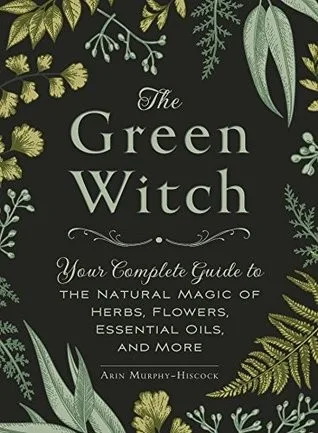
Arin Murphy-Hiscock's *The Green Witch* offers a refreshingly direct approach to nature-based witchcraft. Unlike many texts that overcomplicate elemental magic, this 2017 publication grounds its practice firmly in the tangible world. The strength lies in its clear, actionable advice for integrating earth energies into daily routines, particularly in its discussion of seasonal correspondences. However, the book sometimes leans towards a generalized "nature magic" that could benefit from more specific historical or folkloric grounding, distinguishing it further from broader paganism. The chapter on "Working with Herbs" provides a solid, if introductory, foundation, highlighting its practical utility. Ultimately, *The Green Witch* serves as a valuable, accessible entry point for those seeking a grounded, ecological spirituality.
📝 Description
71
Arin Murphy-Hiscock published The Green Witch in 2017, a practical guide to nature-based spirituality.
This book serves as a practical manual for connecting with earth energies and weaving them into everyday life through witchcraft. It presents accessible methods for people seeking a more grounded, ecological approach to magic. The focus is on utilizing natural elements and the rhythms of the seasons.
It is written for individuals interested in beginning or deepening their witchcraft practice with a strong connection to the natural world. Beginners curious about earth magic will find it approachable, as will experienced practitioners aiming to align their craft with ecological principles. Anyone seeking a spiritual path that honors the seasons and the earth's bounty will also find value here. It is particularly relevant for those drawn to herbalism, sustainable living, and a more intuitive form of spirituality.
Published in 2017, The Green Witch appeared during a period of renewed interest in witchcraft and earth-centered spirituality. This era saw a growing desire for personal, nature-attuned practices outside of more established religious frameworks. Murphy-Hiscock's work offers a contemporary, approachable method for green witchcraft, differing from earlier ceremonial magic or the more politically focused dianic witchcraft.
💡 Why Read This Book?
• You will learn to identify and harness specific earth energies for personal growth and well-being, moving beyond abstract concepts to practical application, as demonstrated in the section on "Working with Herbs." • You will gain an understanding of the "Wheel of the Year," enabling you to align your spiritual practice with natural seasonal cycles and their inherent energies. • You will discover methods for creating simple, nature-based rituals and spells that can be easily integrated into everyday life, enhancing your connection to the earth without requiring elaborate setups.
⭐ Reader Reviews
Honest opinions from readers who have explored this book.
❓ Frequently Asked Questions
What is the core philosophy behind "green witchcraft" as presented in The Green Witch?
The core philosophy is the direct connection to and drawing of power from the earth's natural energies, elements, and cycles. It emphasizes an ecological approach to magic, honoring the seasons and the living world.
Is The Green Witch suitable for complete beginners to witchcraft?
Yes, the book is written in an accessible style, making it highly suitable for beginners. It provides foundational knowledge and practical exercises without assuming prior experience.
When was The Green Witch first published?
The Green Witch by Arin Murphy-Hiscock was first published in 2017.
Does the book discuss specific herbs and their magical properties?
Yes, the book includes sections that discuss working with herbs, covering their magical properties and how to incorporate them into practices and spells.
What is the "Wheel of the Year" mentioned in The Green Witch?
The "Wheel of the Year" refers to the annual cycle of seasonal festivals observed in many pagan and witchcraft traditions, marking solstices, equinoxes, and cross-quarter days.
How does The Green Witch differ from other witchcraft books?
It distinguishes itself by its strong emphasis on ecological spirituality and practical, everyday magic derived directly from nature, rather than focusing solely on ceremonial or complex spellwork.
🔮 Key Themes & Symbolism
Nature as a Source of Magic
The fundamental principle is that potent magic arises directly from the earth, its elements (air, earth, fire, water), and its living components, such as plants and stones. This theme moves beyond abstract spiritual concepts to grounding magical practice in the tangible, observable world. The book encourages readers to perceive the inherent energy within natural phenomena and learn to work with it respectfully and effectively, fostering a deep ecological awareness.
The Wheel of the Year
This theme centers on understanding and honoring the cyclical nature of time as it manifests in the seasons. The "Wheel of the Year" represents the eight major festivals (Sabbats) in many pagan traditions, marking significant points in the solar and agricultural year. By aligning practice with these natural transitions—from Imbolc to Yule—practitioners can tap into specific energies and themes associated with each period, fostering a rhythm of life and magic.
Everyday Witchcraft
Murphy-Hiscock champions the idea that witchcraft is not confined to ritual spaces or grand ceremonies but can be woven into the fabric of daily life. This theme focuses on simple, accessible practices—like mindful gardening, using herbs in cooking, or creating small altars with found natural objects. It makes green witchcraft feel achievable and relevant for individuals with busy lives, emphasizing personal connection over elaborate performance.
Herbalism and Natural Remedies
A significant aspect of green witchcraft involves working with the magical and medicinal properties of plants. This theme explores how to identify, gather, and utilize herbs for spells, healing, and spiritual purposes. It encourages a respectful relationship with the plant kingdom, recognizing each herb's unique energy and potential contributions to magical work and well-being, grounding esoteric practices in botanical knowledge.
💬 Memorable Quotes
Direct passages from the work, attributed to the author.
“The earth is our greatest teacher.”
— This statement expresses the book's core tenet: that direct experience and observation of the natural world provide the most profound and reliable spiritual and magical knowledge.
“Magic is simply the art of working with the energies of the universe.”
— This interpretation simplifies magic, positioning it not as an arcane or supernatural force, but as a natural skill of engaging with and directing inherent universal energies.
“Our connection to the natural world is our connection to ourselves.”
— This suggests that the path to self-understanding and inner harmony is intrinsically linked to fostering a relationship with the environment, highlighting the reciprocal nature of ecological and personal well-being.
“The seasons offer unique gifts and lessons.”
— This highlights the book's emphasis on the "Wheel of the Year," suggesting that each phase of the seasonal cycle possesses distinct energies, opportunities for growth, and spiritual insights that can be consciously engaged with.
“Simple rituals can be deeply powerful.”
— This encourages readers not to feel intimidated by complex magical systems, but to recognize that accessible, everyday practices, when performed with intention, hold significant transformative potential.
🌙 Esoteric Significance
Tradition
While not strictly adhering to a single lineage, *The Green Witch* draws heavily from the principles of nature-based paganism and modern witchcraft, particularly its emphasis on animism and immanent divinity. It departs from more structured Western Esoteric traditions like Hermeticism or Kabbalah by prioritizing direct, experiential connection with the earth over complex symbolic systems or divine hierarchies. Its lineage is more directly aligned with folk magic and contemporary earth spirituality movements that gained momentum in the latter half of the 20th century.
Symbolism
Key symbols revolve around natural elements: the 'Wheel of the Year' represents the cyclical nature of life, death, and rebirth, mirroring agricultural and celestial rhythms. Plants, particularly herbs, symbolize growth, healing, and specific magical correspondences tied to their properties. Stones and crystals are depicted as conduits of earth energy, offering grounding and amplification for magical intent. Water symbolizes emotion, intuition, and purification, reflecting its role in natural cycles and human physiology.
Modern Relevance
This work remains highly relevant today, resonating with contemporary eco-spiritual movements, permaculture ethics, and the growing field of nature therapy. Thinkers and practitioners focused on re-wilding spirituality, ecofeminism, and creating localized, sustainable spiritual practices often cite or embody the principles found in *The Green Witch*. It provides a foundational text for individuals seeking to build personal magical systems rooted in ecological awareness and direct interaction with the natural world.
👥 Who Should Read This Book
• Beginners interested in witchcraft who feel a strong pull towards nature and want a practical, accessible introduction to earth-based magic. • Individuals seeking to deepen their connection to the natural world and integrate seasonal cycles into their spiritual lives, moving beyond abstract concepts. • Practitioners of other spiritual paths looking to incorporate elements of ecological spirituality, herbalism, and intuitive magic into their existing practices.
📜 Historical Context
Published in 2017, *The Green Witch* arrived amidst a burgeoning modern pagan and witchcraft revival, a movement that gained significant traction from the late 20th century onwards. This period saw a widespread interest in nature-based spiritualities, often as a counterpoint to perceived disconnection in modern life. Murphy-Hiscock's work tapped into this current, offering a contemporary interpretation of earth-centered practices. It distinguished itself from earlier, more formalized witchcraft traditions, such as those influenced by Gerald Gardner's Wicca which emerged in the mid-20th century, by focusing on intuitive, accessible, and ecologically-minded magic. The book's reception reflected a growing demand for practical, personal spirituality that honored the earth, aligning with contemporary ecological consciousness and a desire for grounded, self-directed magical paths.
📔 Journal Prompts
Reflect on the energy of the current season and its influence on your personal life.
Identify three natural objects in your immediate environment and their potential magical significance.
Consider how the "Wheel of the Year" might inform your personal rhythm and goals.
Explore the sensory details of a specific plant discussed in the book and its energetic properties.
Document a simple ritual you can perform using readily available natural elements.
🗂️ Glossary
Green Witchcraft
A branch of witchcraft that emphasizes a deep connection to nature, drawing magical power and inspiration directly from the earth, plants, seasons, and elements.
Wheel of the Year
The cycle of eight seasonal festivals (Sabbats) observed in many pagan traditions, marking key points such as solstices, equinoxes, and cross-quarter days throughout the year.
Sabbats
The eight major festivals that mark the "Wheel of the Year" in many pagan and witchcraft traditions, representing significant seasonal transitions and earth-based celebrations.
Herbalism
The practice of using plants and plant-based preparations for medicinal, spiritual, and magical purposes, recognizing their inherent energies and properties.
Elements
The fundamental forces of nature – typically Air, Earth, Fire, and Water – which are foundational components in many magical and spiritual traditions, used for understanding and directing energy.
Correspondences
The symbolic associations between different elements, objects, energies, or concepts (e.g., herbs, colors, planets) used in magical workings to align intentions with specific energies.
Imbolc
A Sabbat celebrating the halfway point between the Winter Solstice and the Spring Equinox, often associated with purification, new beginnings, and the first stirrings of spring.
🔮 Readers Also Liked
Browse all →





![D. [i. e., Doktor] Balthasar Bekkers reformierten Predigers in Amsterdam bezauberte Welt. ... 1781: Vol 2 Iss 81](/img/thumb/d-i-e-doktor-balthasar-bekkers-reformierten-predigers-in-amsterdam-bezauberte-welt-1781-vol-2-iss-81-bekker-balthasar-1634-1698.webp)


More by Arin Murphy-Hiscock
All books →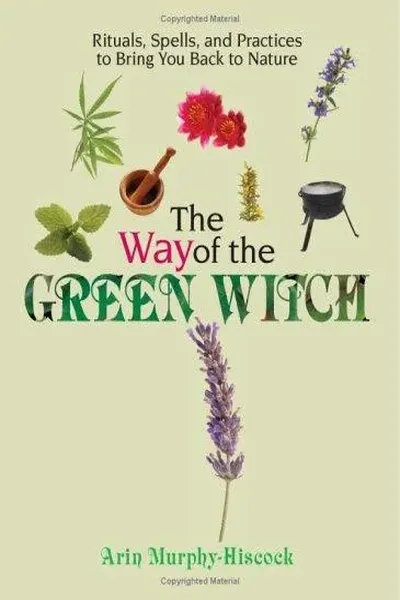


More Free Witchcraft & Paganism Books
View all →