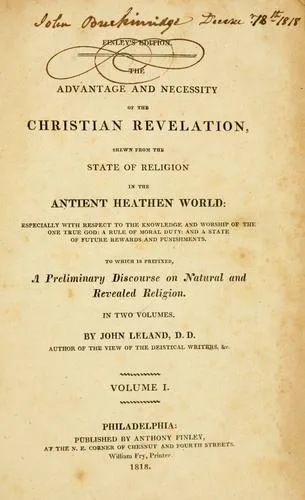
Book of shadows
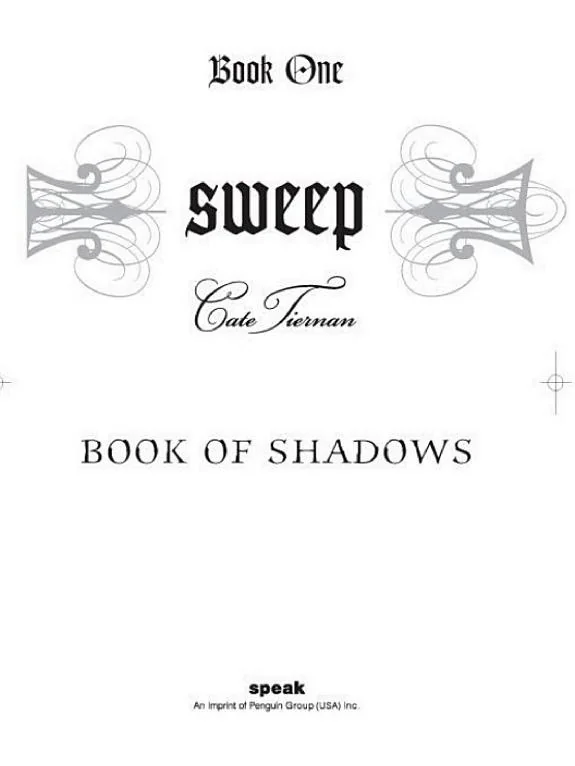
 73
73

Book of shadows
Cate Tiernan's Book of Shadows presents a straightforward entry point into modern witchcraft, eschewing the often arcane language found in older grimoires. Its strength lies in its clarity and directness, making complex concepts like the Sabbats and elemental correspondences digestible for the uninitiated. However, the work occasionally suffers from a lack of deep historical or theoretical grounding, presenting practices without extensive philosophical discussion. A notable passage detailing the construction of a simple altar demonstrates the book's commitment to practical, actionable advice. While valuable for beginners, seasoned practitioners might find its approach somewhat generalized. It serves as a competent, if not revolutionary, primer.
📝 Description
73
Cate Tiernan's Book of Shadows was first published in 2009.
This volume presents practical information on Wiccan and Neopagan practices for solitary practitioners and small covens. It includes rituals, spells, correspondences, and ethical guidelines, aiming to make witchcraft accessible rather than obscure. The book is written for individuals beginning their study of modern witchcraft, particularly those interested in a solitary path.
It guides readers through core tenets, seasonal observances, and basic magical techniques found in various Wiccan traditions. Those seeking a structured method for personal spiritual growth within a Neopagan context will find this a useful resource. The text covers concepts such as the Wheel of the Year, the honoring of deities, the use of magical tools, and the Wiccan Rede.
Further details include methods for energy work, spellcasting, and divination. The book stresses personal responsibility, a connection to nature, and the cultivation of psychic abilities.
Published in 2009, the Book of Shadows appeared during a period of growth in the Neopagan movement. This time saw increased public curiosity about witchcraft, leading to a need for clear instructional materials. Tiernan's work offered a personal, practical perspective on established practices within the broader landscape of witchcraft literature, contributing to the diversification of available resources for practitioners.
💡 Why Read This Book?
• Gain practical instruction on observing the eight Wiccan Sabbats, including specific rituals and correspondences relevant to each seasonal festival, offering a structured way to connect with nature's cycles. • Learn fundamental spellcasting techniques and the ethical considerations of the Wiccan Rede, providing a clear framework for responsible magical practice. • Discover methods for personal empowerment and spiritual development through the use of magical tools and energy work, as outlined in the book's practical exercises.
⭐ Reader Reviews
Honest opinions from readers who have explored this book.
❓ Frequently Asked Questions
Is Cate Tiernan's Book of Shadows a historical document or a modern guide?
Cate Tiernan's Book of Shadows, first published in 2009, is a modern instructional guide. While it draws on historical Wiccan traditions, it presents contemporary practices and interpretations for today's practitioners.
What is the 'Wheel of the Year' mentioned in the book?
The Wheel of the Year is a core concept in the Book of Shadows, representing the eight major seasonal festivals observed in Wicca and Neopaganism, marking solstices, equinoxes, and cross-quarter days.
Does the book explain how to form a coven?
While the book is useful for solitary practitioners, it also provides guidance and context for those looking to join or form small covens, outlining shared practices and ethical considerations.
Are the spells in Book of Shadows dangerous?
The book emphasizes the Wiccan Rede, an ethical code that includes the principle of 'harm none.' Spells are presented with a focus on positive intent and personal growth, not malicious use.
What kind of deities are discussed in Cate Tiernan's work?
The Book of Shadows typically discusses a dualistic divine concept, often referred to as the Goddess and the God, reflecting common themes in modern Wiccan theology.
Is this book suitable for absolute beginners in witchcraft?
Yes, the Book of Shadows is widely considered an excellent starting point for beginners, offering clear explanations of fundamental concepts, rituals, and ethics in modern witchcraft.
🔮 Key Themes & Symbolism
The Wheel of the Year
This theme centers on the observance of eight seasonal festivals: Samhain, Yule, Imbolc, Ostara, Beltane, Litha, Lughnasadh, and Mabon. The Book of Shadows details rituals, correspondences (colors, herbs, foods), and the mythological significance of each Sabbat. It frames these observances as crucial for aligning personal energy with the natural cycles of the Earth, fostering a deep connection to the environment and the divine feminine and masculine principles.
Wiccan Ethics and Practice
A significant portion of the text is dedicated to outlining the ethical framework of modern witchcraft, primarily through the lens of the Wiccan Rede ('An it harm none, do what ye will'). This theme explores the concept of personal responsibility in magical workings, the importance of consent, and the avoidance of negative consequences. It also covers the practical use of magical tools and the creation of sacred space.
The Solitary Practitioner
The Book of Shadows strongly supports and provides resources for individuals who practice witchcraft alone, outside of a formal coven structure. It offers guidance on self-dedication, developing personal intuition, and creating one's own rituals. This focus empowers readers to engage with the craft on their own terms, fostering self-reliance and a deep personal connection to their spiritual path.
Divine Duality
Central to the theology presented is the concept of divine polarity, often represented as the Goddess and the God. This theme explores the balance and interplay between these two primary divine forces, seen as immanent within nature and humanity. The book encourages practitioners to honor and invoke both aspects in their rituals and meditations, recognizing their complementary roles in creation and existence.
💬 Memorable Quotes
Direct passages from the work, attributed to the author.
“The Goddess and God are within you, as you are within them.”
— This statement highlights the immanent nature of the divine in Wiccan belief, suggesting that divinity is not external but an intrinsic part of the practitioner's being and consciousness.
“Harm none, do what ye will.”
— This is the core tenet of the Wiccan Rede, emphasizing ethical action and personal freedom within a framework of non-harm. It guides practitioners to consider the consequences of their actions.
“Each Sabbat is a time to honor the turning of the Wheel.”
— This emphasizes the cyclical nature of time and the importance of marking the eight key festivals throughout the year as a way to connect with natural rhythms and celebrate the Earth's transformations.
“Your altar is a place of power, built by your intention.”
— This points to the personal significance and magical potency of the altar, underscoring that its effectiveness stems from the practitioner's focused will and spiritual investment.
“Magic is the art of changing consciousness according to will.”
— This definition frames magic as an internal process of transformation, driven by focused intent and the ability to alter one's own perception and reality.
🌙 Esoteric Significance
Tradition
This work firmly sits within the modern Wiccan tradition, a contemporary Pagan religion that emerged in the mid-20th century. It draws heavily on the lineage established by Gerald Gardner and subsequently expanded by figures like Valiente and Valiente's later collaborators. While adhering to core Wiccan tenets like the Wheel of the Year and the duality of Goddess and God, Tiernan's approach emphasizes accessibility and personal interpretation, catering to the rise of solitary practitioners.
Symbolism
Key symbols include the Pentacle, representing the five elements (Spirit, Earth, Air, Fire, Water) and protection; the Horned God, symbolizing nature, virility, and the wild; and the Triple Goddess, embodying the cycles of maiden, mother, and crone. These symbols are not merely decorative but are imbued with power and meaning, used in rituals to invoke specific energies and connect with divine forces.
Modern Relevance
The Book of Shadows continues to be relevant for contemporary Pagans, particularly those exploring solitary practice. Its clear articulation of foundational Wiccan principles and rituals appeals to individuals seeking structured yet personal spiritual paths. Modern practitioners often reference its straightforward approach to spellcraft, ethics, and seasonal observances as a reliable starting point in a diverse spiritual landscape.
👥 Who Should Read This Book
• Aspiring witches seeking an accessible introduction to Wiccan beliefs and practices, particularly those interested in solitary spiritual work. • Individuals curious about seasonal observances like the Sabbats and their connection to nature's cycles, looking for practical guidance. • Those interested in the ethical framework of modern witchcraft, specifically the principles of the Wiccan Rede and responsible magical application.
📜 Historical Context
Published in 2009, Cate Tiernan's Book of Shadows arrived during a vibrant period for Neopaganism and modern witchcraft. The early 21st century saw a surge in interest, partly fueled by internet accessibility and a growing desire for alternative spiritual paths. This book offered a clear, practical guide for a generation of seekers often drawn to solitary practice. It engaged with established Wiccan traditions, influenced by figures like Gerald Gardner and Doreen Valiente, but presented them with a contemporary, accessible voice. While not directly engaging with academic discourse, its publication coincided with scholarly works like Ronald Hutton's *The Triumph of the Moon* (1999), which critically examined witchcraft's history, providing a broader context for the practice's evolution. Tiernan's work focused on the experiential and personal, contributing to the ongoing discourse on witchcraft's place in modern spirituality.
📔 Journal Prompts
Reflect on the concept of the Wheel of the Year and its connection to your personal life cycle.
Consider the principles of the Wiccan Rede: 'An it harm none, do what ye will.' How does this guide your daily decisions?
Meditate on the symbolism of the Pentacle and its elemental associations. What energies does it evoke for you?
Explore your personal connection to the divine duality of Goddess and God. What aspects do you most identify with?
Describe a personal ritual you could create to honor a specific Sabbat or personal milestone.
🗂️ Glossary
Sabbat
One of the eight major festivals celebrated in Wicca and Neopaganism, marking significant points in the solar and agricultural year, such as Yule, Beltane, and Samhain.
Wiccan Rede
The ethical code central to many Wiccan traditions, famously summarized as 'An it harm none, do what ye will.' It emphasizes personal responsibility and the avoidance of causing harm.
Pentacle
A five-pointed star, typically enclosed within a circle, used as a symbol in Wicca and other traditions to represent the five elements (Earth, Air, Fire, Water, Spirit) and for protection.
Altar
A sacred space, often a table or flat surface, set up for ritual practice. It is typically adorned with tools, symbols, candles, and offerings relevant to the practitioner's spiritual path.
Goddess and God
The divine duality commonly revered in Wicca, representing complementary masculine and feminine energies, nature, fertility, and the cycles of life, death, and rebirth.
Spellcraft
The practice of creating and casting spells, understood as focused magical workings intended to manifest specific outcomes, often involving intent, visualization, and symbolic actions.
Solitary Practitioner
An individual who practices witchcraft or Wicca independently, without belonging to a formal coven or group. The Book of Shadows provides guidance specifically for this path.
🔮 Readers Also Liked
Browse all →







More by Cate Tiernan
All books →





More Free Witchcraft & Paganism Books
View all →