The Golden Tower
 77
77

The Golden Tower
Belinda Murrell's *The Golden Tower* presents a familiar, yet competently executed, tale of a young protagonist thrust into extraordinary circumstances. Sophie's initial apprehension about her own capabilities forms a relatable core, and her gradual embrace of responsibility is handled with a believable arc. The introduction of magical allies, particularly the talking cat, injects a welcome dose of whimsy that softens the underlying peril. However, the narrative occasionally leans into predictable plot points, especially concerning the motivations and eventual downfall of the stepmother figure, which feels somewhat underdeveloped. A particularly effective moment is Sophie’s realization that her seemingly small acts of defiance are accumulating to create meaningful resistance, a concept Murrell conveys with understated power. While the book excels in its portrayal of youthful courage, its antagonist lacks the nuanced complexity that might elevate the stakes further. Ultimately, *The Golden Tower* delivers a satisfying, if conventional, fantasy adventure.
📝 Description
77
In 2021, Belinda Murrell published The Golden Tower, a young adult fantasy about a girl's hidden strength.
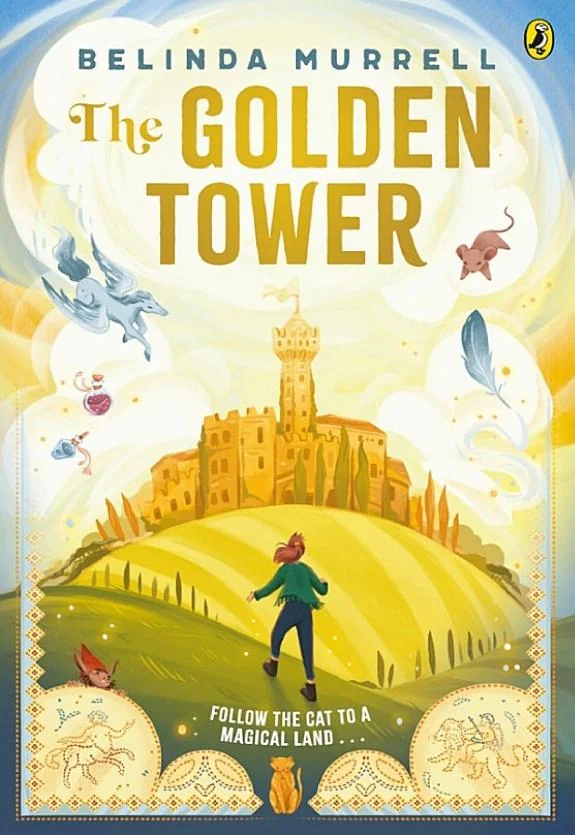
The Golden Tower follows Sophie, a young protagonist who finds herself in the strange land of Tuscia. She becomes caught in a difficult situation involving a wealthy family and their cruel stepmother. Sophie's journey begins as an ordinary girl, but she must grow to face a formidable antagonist and protect innocent sisters from harm. The story includes magical elements like a talking cat and small, mischievous creatures, presenting it like a modern fairy tale.
This novel suits middle-grade and young adult readers who like character-focused fantasy. Those who enjoy stories about an unlikely hero's development, the fight against harsh authority, and the value of friendship will find it engaging. It is also a good starting point for readers new to fantasy, with accessible themes and a clear plot. Parents and educators looking for books that highlight bravery and good character will find it suitable for young people.
Published in 2021, The Golden Tower fits into a contemporary trend where young adult fantasy often uses fairy tale structures and archetypes. Belinda Murrell's work connects to a long history of children's literature that uses fantasy settings to address real-world worries and personal growth. While not directly linked to a specific historical occult movement, its publication year places it among works influenced by the continued popularity of fantasy genres. These genres draw on ancient narrative patterns that have persisted for centuries, exploring themes of unseen dangers and unexpected heroism.
💡 Why Read This Book?
• Discover how seemingly ordinary individuals can uncover profound bravery when faced with adversity, as seen in Sophie's journey in *The Golden Tower*. • Explore the symbolic significance of the 'Golden Tower' itself, understanding its representation of both aspiration and entrapment within the narrative. • Witness how small, often overlooked, actions and allies can contribute to overcoming immense challenges, exemplified by the 'tiny mischief-makers' aiding Sophie.
⭐ Reader Reviews
Honest opinions from readers who have explored this book.
❓ Frequently Asked Questions
What is the main theme of The Golden Tower?
The primary theme is the discovery of inner courage and the idea that even an ordinary person can become a hero when circumstances demand it. It also explores themes of overcoming fear and the power of unexpected alliances.
Who is the protagonist of The Golden Tower?
The protagonist is Sophie, a young girl who is transported to the land of Tuscia and finds herself unexpectedly positioned to protect two sisters from their wicked stepmother.
What is the setting of The Golden Tower?
The story is set in the fictional land of Tuscia, a place where Sophie is transported and encounters a wealthy family, leading her on a journey towards the titular Golden Tower.
What kind of magical elements are present in The Golden Tower?
The book features a talking cat who offers guidance to Sophie and a group of 'tiny mischief-makers' who assist in her efforts against the antagonist. These elements add a fairy-tale quality to the narrative.
When was The Golden Tower first published?
The Golden Tower was first published on March 2, 2021, making it a contemporary work of young adult fantasy literature.
What age group is The Golden Tower intended for?
The novel is primarily intended for middle-grade and young adult readers, typically those aged 8-14, who enjoy fantasy adventures with relatable protagonists.
🔮 Key Themes & Symbolism
Unlikely Heroism
The narrative centers on Sophie, a character who initially doubts her own capabilities but is forced by circumstance to act heroically. This theme suggests that courage is not necessarily an inherent trait but a quality that can be discovered and cultivated under pressure. Her journey from apprehension to action, aided by unusual companions, underscores the idea that heroism can emerge from the most unexpected individuals, challenging the notion that only the naturally brave can succeed.
Symbolism of the Tower
The 'Golden Tower' serves as a potent symbol within the story. It represents not only a physical destination but also a place of power, potential entrapment, and the ultimate goal of the antagonist's schemes. Its allure signifies a facade of grandeur that may hide darker realities, prompting reflection on the nature of ambition and the deceptive appearances of power. Sophie's journey towards it is a metaphorical confrontation with these complex ideas.
The Power of Small Actions
Through the 'tiny mischief-makers' and Sophie's own incremental acts of defiance, the book emphasizes that even seemingly insignificant efforts can accumulate to create substantial impact. This theme offers a message of empowerment, suggesting that readers do not need extraordinary abilities to effect change. The collective action of small entities and Sophie's growing resolve highlight the cumulative power of persistence and cooperation against formidable odds.
Confronting Malice
The antagonist, a stepmother with malicious intent, represents the destructive forces of greed and jealousy. Sophie's struggle against her embodies the universal conflict between good and evil, or more specifically, between nurturing and destructive influences. The narrative frames this confrontation as a necessary step in Sophie's personal growth, illustrating that facing and overcoming malevolent forces is crucial for restoring balance and protecting the innocent.
💬 Memorable Quotes
Direct passages from the work, attributed to the author.
“Transported to the land of Tuscia, Sophie accidentally saves the daughter of a wealthy family and is swept along on their journey to the Golden Tower.”
— This sets the stage for the adventure, establishing the inciting incident and the primary setting. It introduces the element of accidental heroism and the central quest toward the mysterious 'Golden Tower,' immediately immersing the reader in the story's premise.
“The narrative follows her reluctant ascent from an ordinary girl to someone who must confront a powerful antagonist.”
— This interpretation focuses on Sophie's character development. It highlights her initial ordinariness and the reluctant nature of her transformation into a protagonist capable of facing significant opposition, emphasizing the journey of personal growth.
💡 Key Ideas
Editorial paraphrase of the work's core concepts — not direct quotes.
Sophie doesn’t think she is brave enough, but with the help of a talking cat, a stableboy and some very tiny mischief-makers, she might be able to save the day.
This passage captures the core conflict and thematic promise of the novel. It highlights the protagonist's self-doubt, contrasted with the unconventional support system she finds, suggesting that courage is often found in collaboration and overcoming personal limitations.
Now she is the only one standing between sisters Isabella and Bia and the terrible fate their stepmother has planned.
This quote defines Sophie's crucial role and the high stakes of the narrative. It clearly establishes the central conflict: Sophie against a malevolent force, tasked with protecting vulnerable individuals, positioning her as the unlikely but essential protector.
The work explores the idea that assistance can come from unexpected sources.
This paraphrased concept points to the narrative's use of magical or unusual allies, such as the talking cat and the 'tiny mischief-makers.' It suggests a broader theme about finding help and support in places one might not initially anticipate.
🌙 Esoteric Significance
Tradition
While *The Golden Tower* is primarily a work of young adult fantasy, its narrative structure and symbolic elements can be loosely interpreted through an allegorical lens, reminiscent of Gnostic or Hermetic journeys of the soul. The protagonist's quest to overcome deception and external manipulation, guided by unconventional wisdom (the talking cat), mirrors the seeker's path toward inner gnosis or enlightenment. The antagonist's schemes represent the material world's illusions or the Archons' attempts to keep the soul bound. The book departs from direct esoteric teaching, instead embedding these archetypal struggles within an accessible adventure narrative.
Symbolism
The 'Golden Tower' itself can be viewed as a symbol of illusory perfection or a corrupted spiritual goal, perhaps representing the allure of worldly power or false enlightenment that the protagonist must navigate. The 'tiny mischief-makers' symbolize the subtle forces or guiding principles that operate behind the scenes, aiding the seeker in overcoming obstacles through cleverness rather than brute force. The talking cat often represents intuitive wisdom or a spiritual guide, offering counsel that transcends ordinary understanding, crucial for deciphering the antagonist's deceptions.
Modern Relevance
Contemporary authors and practitioners exploring themes of personal empowerment within fantasy literature often draw upon the archetypal journey presented in works like *The Golden Tower*. While not directly cited in academic discourse on modern esotericism, its resonance lies in its accessible portrayal of overcoming inner doubt and external manipulation. Thinkers focused on Jungian archetypes or narrative psychology might find its structure useful for illustrating the hero's journey. The book's popularity also reflects a broader cultural appetite for stories that champion the idea that individuals, regardless of perceived limitations, can achieve significant positive change.
👥 Who Should Read This Book
• Young readers (ages 8-14) seeking engaging fantasy adventures with relatable protagonists who discover their inner strength. • Parents and educators looking for literature that subtly imparts lessons on courage, problem-solving, and the importance of unexpected alliances. • Fans of classic fairy tales and archetypal storytelling who appreciate modern interpretations with clear moral frameworks and imaginative settings.
📜 Historical Context
Belinda Murrell's *The Golden Tower*, published in 2021, arrives in a literary landscape where young adult fantasy continues to thrive, often drawing inspiration from classic fairy tales and archetypal structures. Murrell's work participates in this ongoing tradition, offering a contemporary reimagining of themes like courage, self-discovery, and the triumph of good over evil. While not directly aligned with a specific historical esoteric movement, its publication year places it within a period of renewed interest in mystical and allegorical narratives across various age groups. The book's reliance on magical creatures and a clear moral dichotomy echoes elements found in the works of authors like C.S. Lewis and J.R.R. Tolkien, who themselves were influenced by older mythologies and philosophical traditions. The novel's reception has been positive within its target demographic, praised for its engaging plot and relatable protagonist, fitting into a lineage of children's literature that uses imaginative settings to explore fundamental human virtues and challenges.
📔 Journal Prompts
Sophie's initial self-doubt regarding her bravery.
The symbolic meaning of the 'Golden Tower' as a destination and a potential trap.
The role and significance of the talking cat as a guide.
The cumulative impact of the 'tiny mischief-makers' actions.
The contrast between Sophie's ordinary life and her extraordinary circumstances.
🗂️ Glossary
Tuscia
The fictional land where the main events of the story unfold. It serves as the primary setting for Sophie's adventures and her encounters with the wealthy family and the antagonist.
The Golden Tower
A significant location within the narrative, representing a destination, a symbol of power, and the focus of the antagonist's plans. Its meaning is many-sided, encompassing both aspiration and potential peril.
Talking Cat
A magical creature that acts as a guide and advisor to the protagonist, Sophie. It represents intuitive wisdom and offers crucial support throughout her journey.
Tiny Mischief-Makers
Small, helpful entities that assist Sophie in her quest. They embody the concept that even the smallest actions, when united, can contribute to overcoming significant challenges.
Stepmother
The primary antagonist of the story, whose wicked plans threaten the safety of the sisters Isabella and Bia. She represents malice and the destructive potential of negative emotions like greed.
Isabella and Bia
The two sisters who are in danger from their stepmother. Their plight motivates Sophie's heroic actions and highlights the theme of protecting the vulnerable.
Accidental Hero
A character, like Sophie, who does not set out to be a hero but finds themselves in a position where they must act courageously due to unforeseen circumstances.
This book appears in 1 collection
🔮 Readers Also Liked
Browse all →









From the “Ley Lines” Collection
View all →








More Free Occult Philosophy Books
View all →