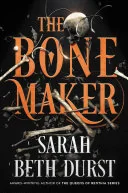
The Bone Maker
 73
73

The Bone Maker
Durst’s *The Bone Maker* offers a compelling, if sometimes somber, return to a world where past victories cast long shadows. The premise of aging heroes facing a resurrected or re-emerging threat is well-executed, particularly in the depiction of their weariness and their altered perspectives since their first confrontation with the Bone Maker Eklor. The world-building, with its striking juxtaposition of towering mountains and glittering cities, provides a solid foundation for the narrative. However, the pacing occasionally falters, particularly in the midsection, where the narrative momentum seems to wane before the final act. A standout element is the nuanced portrayal of the protagonists' relationships and their shared history, especially how the phantom limb of a past loss continues to affect them twenty-five years later. The author’s skill in crafting evocative imagery is evident, yet the central antagonist, while conceptually chilling, could benefit from more direct exploration of his motivations beyond pure destructive power. Ultimately, *The Bone Maker* is a thoughtful fantasy that succeeds in exploring the enduring weight of conflict and the quiet courage required for a second act.
📝 Description
73
Sarah Beth Durst's 2021 novel, The Bone Maker, revisits a world scarred by a magical war.
In Sarah Beth Durst's 2021 novel, The Bone Maker, a group of aging warriors must confront a dark magical threat they thought long defeated. The antagonist, Eklor, once commanded an army made of animal bones. The story takes place in a world of imposing mountains and luminous cities. Durst uses this setting to examine redemption and the lasting effects of past conflicts.
The novel appeals to readers who enjoy character-focused fantasy with a mature perspective. It offers material for those interested in the psychological impact of war and the struggle to face old adversaries. The narrative moves beyond typical hero figures, concentrating instead on the weariness and perseverance of experienced individuals facing a familiar, but renewed, evil. Readers who value a strong sense of place and a deliberate pace will also find it engaging.
The Bone Maker draws on ancient necromantic traditions, where sorcerers manipulate life and death. Durst recontextualizes these older concepts of bone magic within a contemporary fantasy setting. The narrative's focus on aging heroes battling an unnatural force offers a counterpoint to stories centered on younger protagonists, reflecting a trend in speculative fiction to examine the experiences of older characters and their struggle against persistent, unnatural evils.
💡 Why Read This Book?
• Gain insight into the psychological toll of protracted conflict, as seen through the eyes of veteran warriors grappling with the twenty-five-year aftermath of their battle with Eklor. • Experience a unique approach to necromancy, focusing on the Bone Maker's creation of an army from animal bones, offering a fresh take on dark magic in fantasy. • Explore the theme of second chances in a mature fantasy setting, examining how aging heroes confront old evils with new perspectives and enduring scars.
⭐ Reader Reviews
Honest opinions from readers who have explored this book.
❓ Frequently Asked Questions
When was Sarah Beth Durst's The Bone Maker first published?
The Bone Maker by Sarah Beth Durst was first published on March 9, 2021. It is a standalone epic fantasy novel.
What kind of magic does the Bone Maker use?
The Bone Maker, Eklor, practices a dark form of magic focused on necromancy, specifically creating an army by animating animal bones. This distinguishes his power from more conventional magical systems.
Who are the main protagonists in The Bone Maker?
The story features a band of aging warriors, five heroes who originally faced the Bone Maker twenty-five years prior to the events of the novel.
What is the setting of The Bone Maker?
The novel is set in a new world described as having towering mountains and sparkling cities, providing a visually rich backdrop for the epic fantasy narrative.
Is The Bone Maker part of a series?
No, The Bone Maker is a standalone novel. Award-winning author Sarah Beth Durst created a brand-new world and story for this particular book.
What critical reception has The Bone Maker received?
Publishers Weekly gave the book a starred review, stating that Durst consistently defies expectations, indicating strong critical praise for the work.
🔮 Key Themes & Symbolism
The Burden of Past Victories
The novel explores how past triumphs can become heavy burdens. Twenty-five years after defeating the Bone Maker, the heroes are still marked by the conflict. This theme looks at the psychological weight of heroism, the lingering trauma, and the difficulty of moving on when faced with the specter of past battles. It questions whether victory truly brings peace or merely a temporary respite before new challenges arise, examining the enduring consequences that shape individuals and societies long after the fighting stops.
Second Chances and Redemption
A central theme is the unexpected opportunity for the aging warriors to confront the dark magic of Eklor once more. This presents a narrative of second chances, not just to defeat an enemy, but perhaps to find closure or true atonement for past losses and sacrifices. The novel examines whether individuals can truly change or if history is destined to repeat itself, exploring the human desire for redemption and the courage required to face old fears with new resolve.
The Nature of Necromancy
The antagonist, Eklor, embodies a specific and chilling form of necromancy: the creation of an army from animal bones. This concept moves beyond typical reanimation tropes, focusing on the violation of natural order and the desecration of life. The novel uses this unique magical system to explore themes of unnatural power, the perversion of creation, and the existential threat posed by magic that manipulates life and death without regard for natural laws or ethical boundaries.
Aging and Resilience
Unlike many fantasy narratives focused on young heroes, *The Bone Maker* centers on seasoned warriors who are no longer in their prime. This focus on aging protagonists highlights themes of resilience, the physical and emotional toll of a life of conflict, and the quiet strength found in experience. It offers a perspective on heroism that acknowledges vulnerability and weariness, demonstrating that courage and determination can persist even in the face of declining physical prowess.
💬 Memorable Quotes
Direct passages from the work, attributed to the author.
“Five heroes had risked their lives to defeat the bone maker Eklor.”
— This sets the stage for the core conflict, establishing the past heroism and the formidable nature of the antagonist, Eklor, who commands an army of animated bones.
“Victory came at a tragic cost.”
— This hints at the lingering consequences and emotional scars borne by the protagonists, suggesting that their past success was deeply flawed and continues to haunt them.
“A band of aging warriors have a second chance to defeat dark magic.”
— This captures the central premise: a narrative focused on mature heroes facing a renewed threat, offering a compelling angle on redemption and enduring conflict.
“The story is set in a brand-new world of towering mountains and sparkling cities.”
— This highlights the author's world-building prowess, establishing a vivid and contrasting environment that serves as the backdrop for the epic fantasy events.
💡 Key Ideas
Editorial paraphrase of the work's core concepts — not direct quotes.
Durst consistently defies expectations.
This quote from Publishers Weekly underscores the author's innovative approach to storytelling within the fantasy genre, suggesting the novel offers unique twists and perspectives.
🌙 Esoteric Significance
Tradition
While not explicitly tied to a single esoteric lineage, *The Bone Maker* draws upon archetypal themes found in various traditions, particularly those concerning necromancy and the manipulation of life force. The concept of animating dead matter, specifically bones, can be loosely connected to alchemical ideas of transformation and the creation of homunculi, or to Gnostic notions of corrupted matter. The novel's focus on a dark magician who perverts natural processes aligns with a broader esoteric concern regarding the misuse of power and the disruption of cosmic or natural order.
Symbolism
The primary symbol is the 'Bone Maker' himself, representing the perversion of natural law and the hubris of seeking power over life and death. The army of animal bones symbolizes a corrupted, unnatural force, devoid of true life but animated by dark will – a perversion of creation itself. The contrast between towering mountains and sparkling cities can symbolize the stark divide between the harsh realities of conflict and the ephemeral allure of peace, or the hidden dangers beneath a beautiful facade.
Modern Relevance
Contemporary thinkers and practitioners interested in the ethics of artificial life, consciousness, and the manipulation of biological matter might find resonance with the novel's exploration of necromancy. It serves as a modern parable about the dangers of unchecked ambition and the consequences of attempting to control fundamental forces of existence. The novel's focus on the psychological impact of conflict and trauma on individuals also aligns with current discourse in mental health and resilience, offering a fantasy lens through which to examine these serious issues.
👥 Who Should Read This Book
• Readers interested in mature fantasy narratives that explore the psychological aftermath of conflict and the concept of aging heroes, offering a fresh perspective beyond typical young adult archetypes. • Fans of dark fantasy and unique magic systems, particularly those intrigued by necromancy and antagonists who manipulate life and death in unconventional ways, such as Eklor. • Individuals seeking character-driven stories with intricate world-building, who appreciate narratives that examine themes of redemption, second chances, and the enduring weight of past actions.
📜 Historical Context
Published in 2021, *The Bone Maker* arrived in a literary landscape increasingly open to mature themes and diverse character perspectives within speculative fiction. While not directly engaging with a specific historical event, the novel's exploration of war's aftermath and the psychological toll on veterans echoes contemporary societal discussions on trauma and healing. Its release coincided with a period where authors like N.K. Jemisin and Rebecca Roanhorse were reshaping epic fantasy with complex characters and nuanced world-building. Durst's focus on aging heroes and the lingering consequences of conflict offered a distinct angle compared to the prevalent narratives of youthful protagonists. The starred review from Publishers Weekly indicated a positive reception, positioning it within the broader trend of critically acclaimed genre fiction that challenges traditional tropes. No significant censorship or controversy is noted regarding this specific work.
📔 Journal Prompts
The lingering consequences of Eklor's magic on the aging warriors.
Reflecting on the cost of victory and the possibility of second chances.
The ethical implications of the Bone Maker's animated army.
Comparing the heroes' past selves to their present resilience.
Exploring the symbolism of the towering mountains and sparkling cities.
🗂️ Glossary
Bone Maker
The primary antagonist, Eklor, a corrupt magician who created an inhuman army by animating animal bones, representing a perversion of natural order and life.
Eklor
The specific name of the antagonist in *The Bone Maker*, a powerful sorcerer known for his necromantic abilities involving animal bones.
Aging Warriors
The protagonists of the novel; a group of five heroes who previously fought and defeated Eklor, now older and facing a renewed threat.
Dark Magic
Refers to the malevolent and corrupting magical practices employed by antagonists like Eklor, often involving forbidden arts such as necromancy.
Second Chance
The narrative premise offering the aging warriors an unexpected opportunity to confront the Bone Maker again, twenty-five years after their initial victory.
Haunting Loss
The tragic outcome of the first battle against Eklor, which continues to affect the surviving heroes and serves as a significant motivator in the present narrative.
Animal Bones Army
The unique and disturbing force created by the Bone Maker, consisting of animated skeletal remains of animals, serving as his primary means of warfare.
This book appears in 1 collection
🔮 Readers Also Liked
Browse all →








From the “Talismans” Collection
View all →





More Free Occult Philosophy Books
View all →