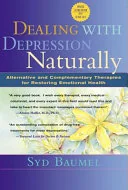
Dealing with Depression Naturally
 71
71

Dealing with Depression Naturally
Syd Baumel's "Dealing with Depression Naturally" arrives as a pragmatic manual, eschewing the often-overwrought language of self-help for direct advice on natural interventions. The second edition, published after the initial 2000 release, reflects a period of significant public and scientific engagement with alternative therapies. Baumel’s strength lies in cataloging a range of options, from the well-researched St. John's wort to the less common, yet promising, SAMe. The section on mood-enhancing fats, for instance, provides concrete dietary advice that feels immediately actionable. However, the book occasionally falters by not always differentiating clearly between robust scientific backing and more speculative claims, a common pitfall in natural health literature. While the breadth of topics is commendable, a deeper dive into the specific biochemical pathways for each remedy might have offered more to the scientifically inclined reader. Nonetheless, it remains a valuable, accessible compendium for those exploring non-pharmacological routes to mental wellness.
📝 Description
71
Syd Baumel's 2000 book details non-pharmaceutical ways to manage depression.
First published in 2000 and later revised, "Dealing with Depression Naturally" by Syd Baumel provides a thorough guide to managing depressive states without medication. The book gathers research and practical suggestions for natural remedies, looking beyond standard medical approaches to consider the body's own capacity for healing emotional distress. It is intended for people experiencing mild to moderate depression, those looking for supplementary or alternative treatments, and anyone interested in how nutrition, herbalism, and mental wellness connect. Health professionals can also use it as a reference for incorporating natural methods into their work.
The early 2000s were marked by a growing interest in natural health and alternative medicine. This trend was partly a reaction to the side effects of some prescription drugs and a wider cultural movement toward holistic well-being. Baumel's book appeared at this time, benefiting from emerging studies on supplements like St. John's wort and greater acceptance of treatments such as bright light therapy. The work focuses on specific natural compounds and therapies, discussing the impact of nutritional elements, particularly those that improve mood, and various herbal antidepressants. The goal is to highlight accessible, research-supported natural interventions that can aid emotional balance and counter depressive symptoms through lifestyle changes and targeted supplementation.
This book sits within the broader esoteric tradition of seeking natural and internal solutions for physical and mental ailments, a practice that predates modern medicine. It aligns with vitalist philosophies that believe in the body's inherent healing energies and the power of natural substances to restore balance. While not strictly a text of ancient mysticism, it draws from traditions that emphasize the interconnectedness of mind, body, and spirit, advocating for lifestyle and herbal interventions rooted in a holistic worldview. This approach contrasts with purely materialistic or reductionist views of health, positioning natural remedies as partners in the body's self-regulation.
💡 Why Read This Book?
• Learn about specific herbal antidepressants like St. John's wort, understanding its research context as presented in this guide, to explore natural mood support options. • Discover the role of mood-enhancing fats, a concept detailed in the book, to integrate targeted nutritional strategies into your daily diet for better emotional balance. • Gain practical knowledge on bright light therapy, a specific intervention discussed in the text, to understand its application and potential benefits for mood regulation.
⭐ Reader Reviews
Honest opinions from readers who have explored this book.
❓ Frequently Asked Questions
What natural remedies for depression are explored in Syd Baumel's book?
The book explores a range of natural remedies including St. John's wort, SAMe, bright light therapy, and various mood-enhancing fats and herbal antidepressants, drawing from research available around the year 2000.
When was the first edition of 'Dealing with Depression Naturally' published?
The first edition of 'Dealing with Depression Naturally' by Syd Baumel was initially published on April 22, 2000.
Does the book discuss St. John's wort?
Yes, the book specifically mentions St. John's wort as one of the natural antidepressant remedies being researched and discussed, highlighting its role in natural approaches to depression.
What kind of information is in the second edition?
The fully updated second edition explores emotional health further, including discussions on mood-enhancing fats and additional herbal antidepressants, building upon the initial research presented.
Is bright light therapy mentioned in the book?
Yes, bright light therapy is identified as one of the proven natural remedies for depression discussed within the pages of Syd Baumel's work.
Who is the author of 'Dealing with Depression Naturally'?
The author of 'Dealing with Depression Naturally' is Syd Baumel, who first published the work in 2000.
🔮 Key Themes & Symbolism
Nutritional Psychiatry
This theme centers on the profound connection between diet and mental state, a concept gaining traction in the early 2000s. Baumel's work highlights specific "mood-enhancing fats" and other nutrients, positing that the body's biochemical balance is crucial for emotional well-being. It moves away from a purely psychological model of depression to one that integrates physiological responses to food and supplements, suggesting that dietary adjustments can be a potent, natural intervention.
Herbal Antidepressants
Focusing on plant-based remedies, this theme studies the therapeutic properties of herbs identified for their impact on mood. St. John's wort is a primary example, discussed in the context of emerging research from the late 20th century. The book examines how these botanicals, when used judiciously, can offer an alternative or complementary path to managing depressive symptoms, tapping into ancient traditions of herbal medicine informed by modern scientific inquiry.
Holistic Light Therapy
This theme addresses the therapeutic application of light, particularly bright light therapy, as a natural method to combat seasonal affective disorder and other mood disturbances. It frames light not just as a physical phenomenon but as an environmental influence with tangible psychological effects. The book positions this therapy as a scientifically supported, non-invasive approach to recalibrating the body's natural rhythms and improving emotional states.
SAMe Efficacy
The book includes discussions on SAMe (S-adenosylmethionine), a naturally occurring compound in the body that plays a role in various metabolic processes, including neurotransmitter synthesis. Its inclusion reflects the growing interest in biochemical pathways related to mood regulation. By presenting SAMe alongside other natural remedies, Baumel underscores the idea that addressing depression may involve supporting the body's own chemical mechanisms.
💬 Memorable Quotes
Direct passages from the work, attributed to the author.
“From the cutting edge of natural antidepressant research, here is new information on St. John's wort, SAMe, bright light therapy, and other proven natural remedies for depression.”
— This foundational statement from the original blurb sets the book's ambitious scope, promising readers access to the latest findings in natural mental health treatments as of its publication era.
“This fully updated second edition explores emotional health, including mood-enhancing fats and herbal antidepressants.”
— This phrase indicates the book's commitment to providing current information and expanding its coverage beyond the initial publication, specifically highlighting dietary and herbal approaches to mood.
“The work explores emotional health, including mood-enhancing fats.”
— This points to a specific area of focus within the book, suggesting that dietary components are considered vital for psychological well-being, a key aspect of its natural approach.
“Baumel's text covers St. John's wort and SAMe.”
— This concise summary highlights two prominent natural compounds discussed in the book, identified as significant areas of research for natural depression management.
💡 Key Ideas
Editorial paraphrase of the work's core concepts — not direct quotes.
Original blurb highlights 'proven natural remedies'.
This paraphrased concept emphasizes the book's focus on interventions that have demonstrated effectiveness, distinguishing them from more speculative or unverified methods.
🌙 Esoteric Significance
Tradition
While not explicitly aligning with a single esoteric lineage like Hermeticism or Gnosticism, Baumel's work taps into the broader Western Esoteric tradition's emphasis on natural forces and correspondences. It aligns with vitalist philosophies that posit an inherent life force or healing capacity within nature and the human body, accessible through specific means. The focus on botanical remedies and the body's biochemical balance echoes alchemical principles of understanding and manipulating natural substances for well-being.
Symbolism
The book implicitly uses the symbolism of 'nature' as a source of healing, representing balance, purity, and inherent wisdom. Herbs like St. John's wort carry historical symbolic associations with light and protection against darkness, directly paralleling their use for mood disorders. Light therapy itself symbolizes illumination and the restoration of natural cycles, akin to solar deities or the alchemical process of bringing hidden potential to light.
Modern Relevance
The principles discussed in Baumel's book remain highly relevant today, influencing contemporary fields like nutritional psychiatry and functional medicine. Modern practitioners and researchers continue to explore the gut-brain axis, the impact of micronutrients, and the sophisticated use of herbal medicine for mental health. The book's foundational exploration of these topics appeals to current movements emphasizing personalized, holistic, and preventative approaches to wellness, bridging ancient herbal wisdom with modern scientific understanding.
👥 Who Should Read This Book
• Individuals seeking to supplement conventional depression treatment with natural options, looking for concrete information on remedies like St. John's wort and SAMe. • Health-conscious readers interested in the connection between diet and mood, wanting to understand the role of "mood-enhancing fats" and other nutritional strategies. • Practitioners of alternative and holistic health, including herbalists and nutritionists, who require accessible reference material on natural mood support therapies.
📜 Historical Context
Published in the wake of a growing public embrace for alternative and complementary medicine, Syd Baumel's "Dealing with Depression Naturally" emerged in 2000, with a second edition appearing later. The early 2000s marked a period where interest in natural health remedies, often viewed with skepticism by the medical establishment, was rapidly expanding. This era saw a parallel rise in research exploring the efficacy of supplements like St. John's wort and SAMe, and therapies such as bright light treatment, partly as a response to concerns about side effects from conventional pharmaceuticals. Baumel's work engaged with this burgeoning field, offering a compilation of what was then considered cutting-edge research. Contemporary figures in holistic health and nutrition were also gaining prominence, advocating for similar mind-body connections. The book's reception likely aligned with the broader societal trend towards exploring natural health, positioning it within a wave of accessible wellness literature.
📔 Journal Prompts
St. John's wort's role in natural antidepressant research.
The concept of mood-enhancing fats and your diet.
Experiences with bright light therapy for mood regulation.
SAMe's biochemical function and potential benefits.
Integrating herbal remedies into a wellness plan.
🗂️ Glossary
St. John's Wort
A flowering plant (Hypericum perforatum) traditionally used for medicinal purposes, particularly noted in research for its potential antidepressant properties. Its use gained significant attention in the late 20th century.
SAMe
An abbreviation for S-adenosylmethionine, a naturally occurring compound in the body that plays a role in numerous biochemical reactions, including those affecting mood and neurotransmitter synthesis. It is often taken as a supplement.
Bright Light Therapy
A treatment that involves exposing oneself to a special lamp that emits bright light, typically used to help regulate circadian rhythms and alleviate symptoms of depression, especially seasonal affective disorder (SAD).
Mood-Enhancing Fats
Dietary fats, such as omega-3 fatty acids found in fish oil, believed to play a significant role in brain health and neurotransmitter function, potentially influencing mood and emotional well-being.
Herbal Antidepressants
Plant-derived substances or preparations used to treat symptoms of depression. These are often based on traditional herbal medicine practices and increasingly studied for their pharmacological effects.
Emotional Health
A state of psychological well-being that allows individuals to cope with the normal stresses of life, work productively, and realize their full potential. It encompasses emotional regulation, self-esteem, and resilience.
Natural Remedies
Treatments derived from natural sources, such as plants, minerals, or specific dietary components, used to address health concerns without the use of synthetic pharmaceutical drugs.
This book appears in 1 collection
🔮 Readers Also Liked
Browse all →








From the “Affirmations” Collection
View all →









More Free Occult Philosophy Books
View all →