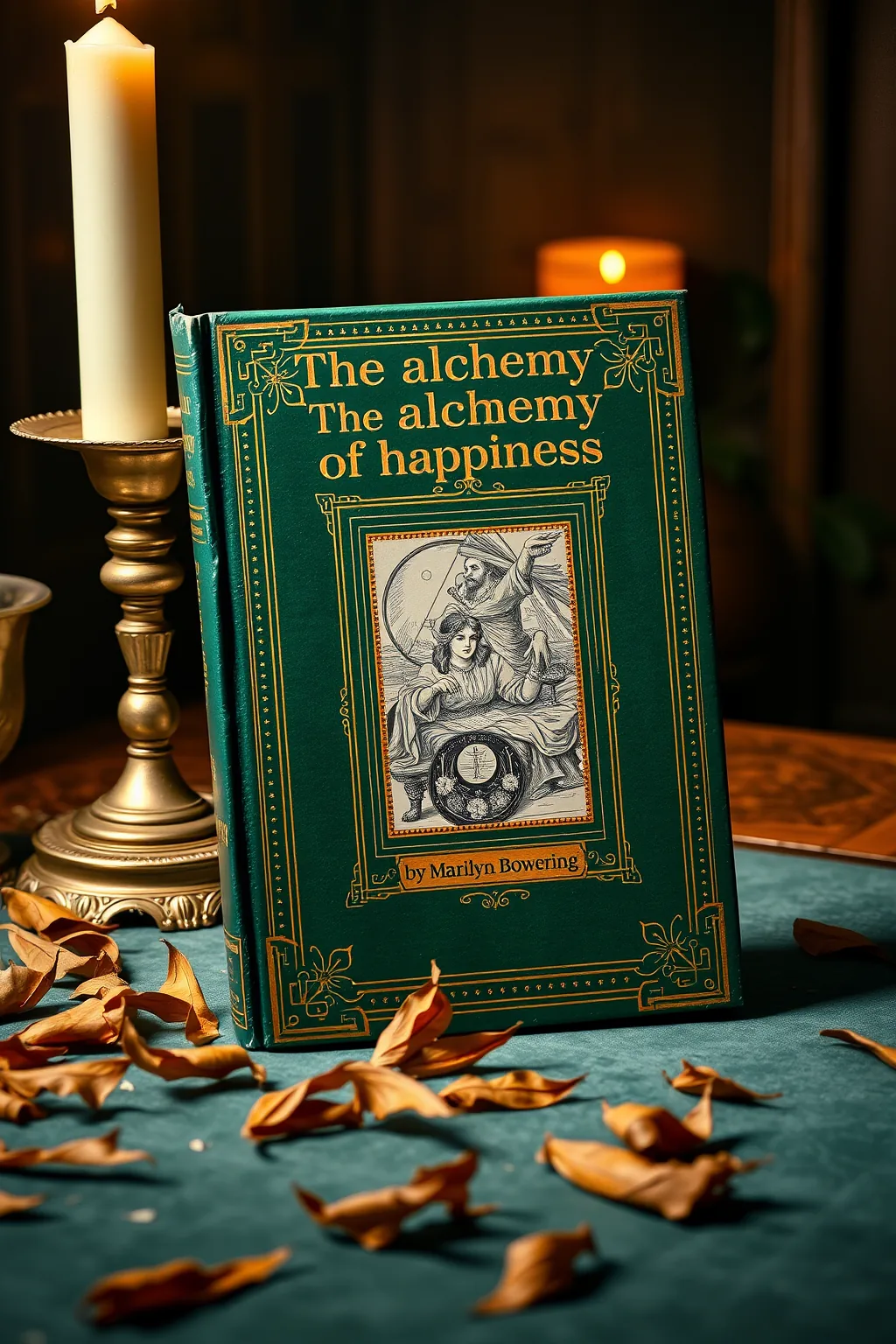
The alchemy of happiness
 62
62

The alchemy of happiness


Marilyn Bowering's The alchemy of happiness is a masterclass in esoteric insight. Bowering masterfully integrates the principles of alchemy with modern spiritual seeking, providing readers with a unique perspective on the pursuit of happiness. The book's strengths lie in its ability to demystify complex Hermetic concepts, making them accessible to both beginners and seasoned practitioners. Bowering's prose is poetic and thought-provoking, creating an atmosphere that is both enlightening and comforting. This book is a must-read for anyone interested in the intersection of spirituality and alchemy.
📝 Description
62
Marilyn Bowering's 1990 book, The alchemy of happiness, examines personal transformation through alchemical metaphor.
This book examines the alchemical tradition not as a chemical process, but as a symbolic path to personal fulfillment. Bowering connects the stages of alchemical work, such as calcination and dissolution, to psychological and spiritual development. She draws on Hermetic philosophy and Gnostic ideas to frame happiness as a result of inner transformation rather than external circumstances. The text uses rich imagery and metaphor to illustrate the arduous but rewarding process of self-discovery.
Readers will find discussions on integrating the various aspects of the self, akin to the alchemical goal of uniting opposing forces. The book suggests that true contentment arises from confronting and purifying one's inner material. It encourages a deep introspection into one's own motivations and desires, framing them as elements within a personal alchemical operation. The goal is not simply to achieve happiness, but to understand the transformative process that leads to lasting inner peace.
The alchemy of happiness situates itself within the Western esoteric tradition, specifically drawing from Hermeticism and Neoplatonism. It interprets the ancient practice of alchemy as a spiritual discipline, a method for the soul's purification and perfection. This approach aligns with Renaissance alchemical thought, which viewed the Great Work as an internal process of transforming the human spirit, mirroring the transmutation of base metals into gold. The book uses alchemical stages as a metaphor for stages of psychological integration and spiritual awakening.
💡 Why Read This Book?
The alchemy of happiness is essential reading for seekers of spiritual enlightenment, scholars of Hermeticism, and practitioners of esoteric arts. It offers a fresh perspective on the age-old quest for happiness, drawing from the rich symbolism of alchemy to provide deep insights into personal transformation. Ideal for those looking to deepen their understanding of mystical traditions and apply them to their daily lives.
⭐ Reader Reviews
Honest opinions from readers who have explored this book.
❓ Frequently Asked Questions
What is the main theme of The alchemy of happiness?
The main theme is the alchemical process of transforming one's understanding of happiness through spiritual and esoteric practices.
Who is the intended audience for this book?
The book is intended for spiritual seekers, scholars of Hermeticism, and practitioners of esoteric arts.
How does the author use alchemy in the book?
Bowering uses the principles of alchemy as a metaphor for personal transformation and spiritual growth.
What makes this book unique?
The alchemy of happiness stands out for its integration of Hermetic wisdom with modern spiritual seeking, providing a fresh perspective on happiness.
Is this book suitable for beginners?
Yes, the book is accessible to beginners while also offering deep insights for more experienced readers.
🔮 Key Themes & Symbolism
Alchemical Transformation
The alchemy of happiness explores the concept of personal transformation through the lens of alchemy. Bowering uses the symbolism of the alchemical process to illustrate how one can transmute negative experiences into positive growth, much like turning base metals into gold.
Spiritual Enlightenment
This book looks at the spiritual aspects of happiness, emphasizing the importance of inner peace and self-awareness. Bowering provides insights into how esoteric practices can lead to a deeper understanding of one's spiritual nature, fostering a sense of fulfillment and contentment.
Hidden Knowledge
The alchemy of happiness reveals hidden knowledge from Hermetic traditions, making it accessible to modern readers. Bowering's work serves as a bridge between ancient wisdom and contemporary spiritual seeking, offering readers a unique perspective on the pursuit of happiness.
💬 Memorable Quotes
Direct passages from the work, attributed to the author.
“The path to true happiness lies in the depths of our souls.”
— Bowering emphasizes the importance of inner exploration and self-awareness.
“Spiritual enlightenment is the ultimate key to lasting happiness.”
— Bowering's work emphasizes the role of spirituality in achieving true fulfillment.
💡 Key Ideas
Editorial paraphrase of the work's core concepts — not direct quotes.
Happiness is not a destination but a journey of alchemical transformation.
This quote underscores the book's central theme of personal growth through spiritual practices.
Alchemy teaches us that even the darkest experiences can be transmuted into gold.
This quote highlights the transformative power of alchemy in overcoming adversity.
The secrets of the Hermetic tradition hold the answers to our deepest questions.
This quote underscores the book's focus on hidden knowledge and esoteric wisdom.
🌙 Esoteric Significance
Tradition
The alchemy of happiness belongs to the Hermetic tradition, which emphasizes the pursuit of hidden knowledge and spiritual enlightenment. Bowering's work draws on the principles of alchemy to provide insights into personal transformation and the quest for happiness.
Symbolism
Key symbols in the book include the alchemical process of transmutation, the philosopher's stone, and the journey from darkness to light. These symbols represent the transformation of negative experiences into positive growth and the pursuit of spiritual enlightenment.
Modern Relevance
The alchemy of happiness remains relevant today as modern practitioners seek to integrate esoteric wisdom into their daily lives. The book's insights into personal transformation and spiritual growth are applicable to contemporary spiritual seekers, making it a valuable resource for those looking to deepen their understanding of Hermetic traditions.
👥 Who Should Read This Book
The alchemy of happiness is ideal for beginners in the field of esoteric studies, providing a gentle introduction to Hermetic principles. Scholars of alchemy and Hermeticism will find clear insights and new perspectives in Bowering's work. Spiritual seekers looking to integrate esoteric practices into their daily lives will benefit from the book's focus on personal transformation and spiritual enlightenment. Practitioners of alchemy and other esoteric arts will appreciate the book's strong symbolism and philosophical depth.
📜 Historical Context
The alchemy of happiness was written during a time of renewed interest in esoteric and mystical traditions. Marilyn Bowering's work reflects the growing curiosity about the hidden knowledge of alchemy and its relevance to modern spiritual seeking. The book's influence lies in its ability to bridge the gap between ancient Hermetic wisdom and contemporary understandings of happiness, making it a valuable resource for both scholars and seekers.
📔 Journal Prompts
Reflect on a time when you experienced personal transformation. How did it feel?
What role does spirituality play in your understanding of happiness?
How can the principles of alchemy be applied to your daily life?
Consider the symbolism of the philosopher's stone. What does it represent to you?
How does the pursuit of hidden knowledge enrich your spiritual journey?
🗂️ Glossary
Alchemy
The medieval chemical science of transmuting base metals into gold, often seen as a metaphor for personal transformation.
Hermeticism
An esoteric tradition based on the writings of Hermes Trismegistus, emphasizing hidden knowledge and spiritual enlightenment.
Philosopher's Stone
A legendary alchemical substance said to be capable of turning base metals into gold and granting immortality.
Transmutation
The alchemical process of transforming one substance into another, often used as a metaphor for personal growth.
Spiritual Enlightenment
The state of profound spiritual insight and understanding, often achieved through esoteric practices.
This book appears in 3 collections
🔮 Readers Also Liked
Browse all →








From the “Hermeticism” Collection
View all →









More Free Alchemy & Hermeticism Books
View all →