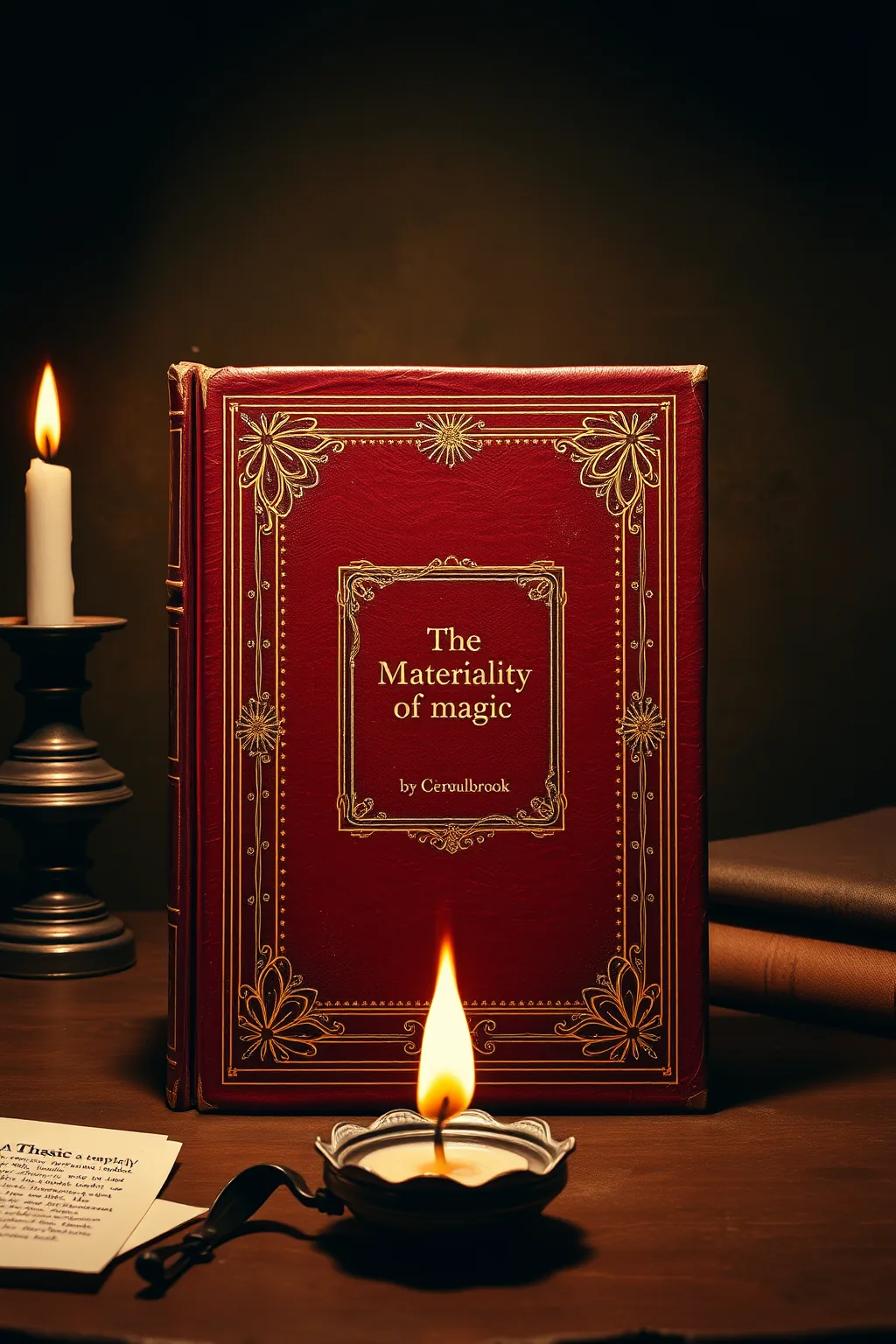
The materiality of magic
 61
61

The materiality of magic

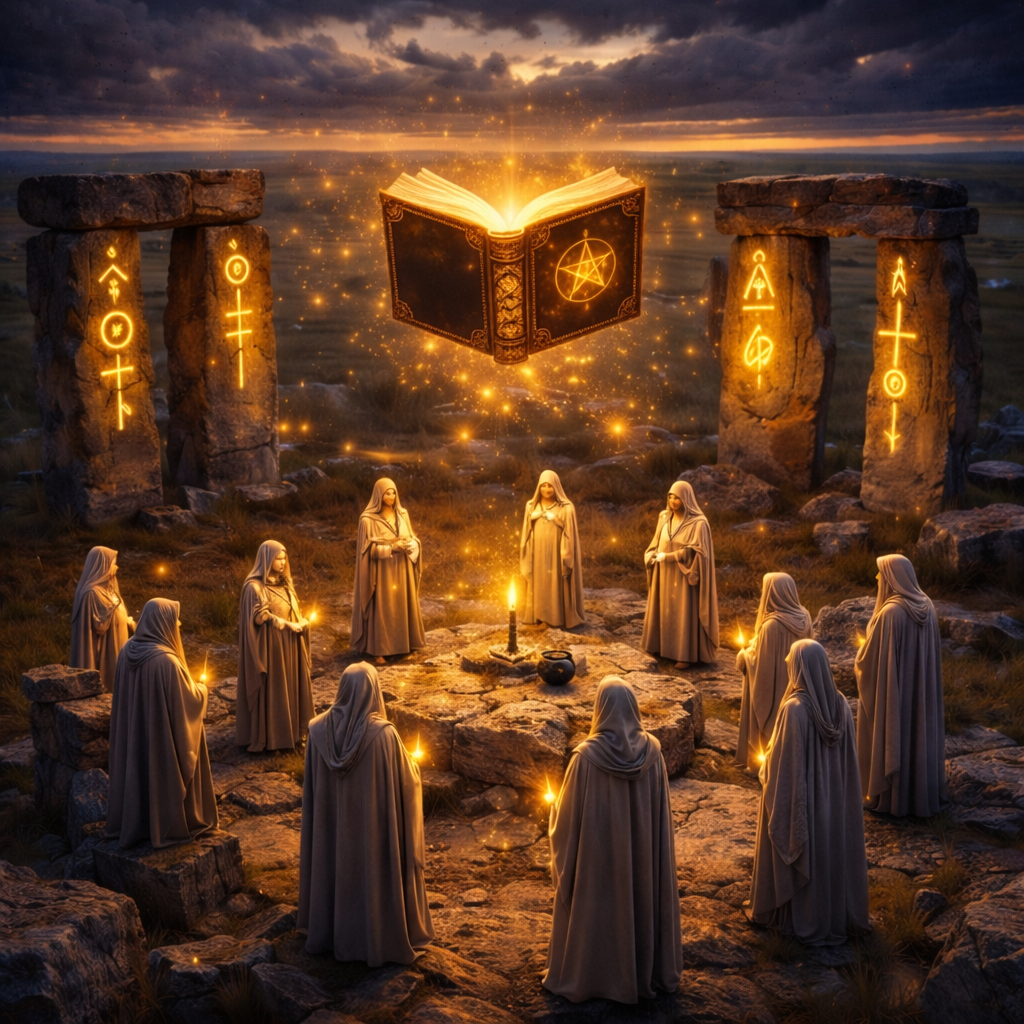

Aurelia Blackwood, Occult Philosophy Critic — Ceri Houlbrook's 'The Materiality of Magic' is a revelatory text that masterfully bridges the gap between theoretical esotericism and lived practice. Houlbrook meticulously demonstrates how the substance of our world—its objects, spaces, and textures—is not merely incidental but fundamental to the mechanics of magic. This work offers profound insights into the active role of material culture in ritual efficacy, challenging purely intellectual approaches. It is an indispensable guide for practitioners seeking to deepen their connection to the tangible forces they invoke, and for scholars interested in the anthropology and history of occult arts. An essential read for anyone who believes magic is more than just thought.
📝 Description
61
Ceri Houlbrook's 2021 book examines the physical components of magical practice.
Ceri Houlbrook's 'The Materiality of Magic' examines the physical components of magical practice. The book moves past abstract magical theory to focus on enchanted objects, talismans, and the earth used in rituals. Houlbrook shows how the physical world, from simple charms to complex ceremonial items, acts as a channel for intention and unseen forces. This work is not just an academic study; it encourages readers to find the sacred in the ordinary and recognizes the potential in everyday objects.
The book discusses the hidden meanings of objects, the power of place, and the forgotten knowledge of engaging with the material world. It offers a perspective on the art of magic that is rooted in the tangible. Houlbrook discusses the philosophical implications of this material focus for understanding our place in the cosmos.
This book fits within esoteric traditions that emphasize the power of the physical world and its connection to magical forces. It engages with ideas found in folk magic, ceremonial magic, and animistic beliefs, where objects and places are seen as imbued with power. Rather than focusing solely on internal states or abstract spiritual concepts, Houlbrook grounds magical practice in the tangible, aligning with traditions that understand magic as an active engagement with material reality.
💡 Why Read This Book?
Uncover the tangible architecture of enchantment. This book reveals how everyday objects become potent conduits for magical energy, offering practical insights for practitioners and a deeper understanding of ritual for scholars. It's an essential read for anyone seeking to ground their mystical practice in the rich, resonant reality of the material world.
⭐ Reader Reviews
Honest opinions from readers who have explored this book.
❓ Frequently Asked Questions
What is the core argument of 'The Materiality of Magic'?
The book argues that magic is deeply embedded in and inseparable from the material world, emphasizing the role of objects, substances, and places in magical practice and belief.
Who is the intended audience for this book?
This book is for scholars of magic, anthropology, and religious studies, as well as practitioners and enthusiasts interested in the tangible aspects of ritual and belief.
Does the book focus on a specific magical tradition?
While drawing on a wide range of historical and cultural examples, the book aims to illuminate a universal principle of materiality across various magical traditions.
How does the book define 'material culture' in relation to magic?
It defines material culture as the physical objects, artifacts, and environments that people create and use, exploring how these become imbued with magical significance and power.
Can this book help me improve my own magical practice?
Yes, by understanding the energetic properties and symbolic weight of materials, readers can gain deeper insights into crafting more potent spells, rituals, and enchanted objects.
🔮 Key Themes & Symbolism
The Enchanted Object
This theme explores the profound concept of the enchanted object, exploring how mundane items are transformed through intention, ritual, and belief into potent vessels of magical power. It examines the historical and cultural significance of talismans, amulets, and ritual tools, revealing how their form, substance, and provenance contribute to their efficacy. Readers will discover how the perceived properties of materials—from the grounding nature of stone to the ethereal qualities of light—are harnessed to channel specific energies and manifest desired outcomes. This exploration encourages a re-evaluation of the objects surrounding us, inviting a perception of their latent potential for the sacred.
Ritual as Material Engagement
Here, the focus shifts to the active, embodied nature of ritual, positing it not as an abstract performance but as a deep engagement with the material world. The book illuminates how the deliberate manipulation of physical elements—herbs, candles, water, earth—creates a tangible framework for magical work. It explores the sensory experience of ritual, the symbolic language of gestures, and the resonant frequencies invoked through sound and touch. This theme underscores that the effectiveness of magic often lies in its physicality, in the precise and intentional interaction with the substance of existence, transforming intention into palpable force.
The Symbiosis of Belief and Substance
This crucial theme investigates the intricate relationship between human belief and the material manifestation of magic. It posits that the power attributed to objects and rituals is not solely inherent but is amplified and actualized through collective and individual belief systems. Houlbrook examines how cultural narratives, personal conviction, and shared understanding imbue the material world with magical significance. The book argues that the tangible elements of magic serve as anchors for belief, solidifying abstract concepts into visible, touchable realities that reinforce the practitioner's connection to the magical forces they seek to engage with and control.
💬 Memorable Quotes
Direct passages from the work, attributed to the author.
“The amulet whispers secrets the book cannot speak.”
— Highlights the ineffable, intuitive knowledge embedded within magical objects, suggesting a form of communication beyond conventional language.
“To enchant is to perceive the soul within the stone.”
— This poetic line underscores the animistic perspective often found in magic, where even inanimate objects are seen as possessing a vital essence waiting to be awakened.
“Ritual is the architecture of the invisible, built with the bricks of the seen.”
— A powerful metaphor illustrating how physical actions and materials are used to construct and manifest supernatural or unseen forces and intentions.
“The potency of the charm resides not only in its form but in the touch that gave it life.”
— Emphasizes the crucial role of the practitioner's embodied action and personal energy in imbuing magical objects with power.
💡 Key Ideas
Editorial paraphrase of the work's core concepts — not direct quotes.
Magic is not merely in the mind; it is in the hand that crafts, the earth that grounds, the substance that resonates.
This quote captures the book's central thesis, emphasizing the active, physical nature of magic and its deep connection to tangible elements and processes.
🌙 Esoteric Significance
Tradition
This work resonates deeply with animistic traditions, shamanic practices, and folk magic across various cultures, emphasizing the inherent spiritual or energetic qualities believed to reside within all matter. It bridges the gap between academic study and lived esoteric experience, offering a framework for understanding how practitioners historically and presently interact with the material world to facilitate magical outcomes, thereby validating the tangible dimensions of spiritual work.
Symbolism
The book unpacks the detailed symbolism inherent in materials themselves—the grounding power of earth, the transformative nature of fire, the fluidity of water, the breath of air. It explores how specific objects, their shapes, colors, and origins, become potent symbols that act as focal points for intention and conduits for archetypal forces, allowing practitioners to engage with abstract concepts through concrete, tangible means.
Modern Relevance
In an increasingly digital and disembodied world, 'The Materiality of Magic' offers a vital counterpoint, reminding us of the profound power found in physical engagement. Its insights are crucial for modern practitioners seeking to deepen their connection to ritual, to craft more potent enchanted objects, and to understand the energetic interplay between ourselves and the material environment, fostering a more grounded and embodied approach to the esoteric arts.
👥 Who Should Read This Book
This book is a treasure for the dedicated seeker of hidden knowledge, the meticulous scholar of magical traditions, and the hands-on practitioner. Beginners will find a solid foundation for understanding the practical application of magic, moving beyond theory to tangible results. Scholars will appreciate the rigorous research and insightful analysis of material culture's role in occult practices. Experienced practitioners will discover new dimensions to their craft, learning to harness the inherent power of objects and substances with greater intention and efficacy. It's for anyone who believes magic resides not just in the mind, but in the very fabric of existence.
📜 Historical Context
Published in an era increasingly fascinated by the tangible aspects of belief and the re-evaluation of folk practices, 'The Materiality of Magic' emerges from a rich lineage of anthropological and historical scholarship that sought to understand magic not as superstition, but as a complex system of thought and practice deeply interwoven with material culture. The book draws inspiration from early ethnographers who documented the use of charms, amulets, and ritual objects, as well as from later theoretical frameworks that explored the social and symbolic functions of material possessions. It situates itself within a broader academic and subcultural movement to reclaim and re-examine the 'occult sciences' and their historical practitioners, moving beyond dismissive categorizations to appreciate the sophisticated worldview that underpinned these traditions. The late 20th and early 21st centuries have seen a resurgence of interest in witchcraft, shamanism, and other esoteric paths, making Houlbrook's grounded approach particularly resonant.
📔 Journal Prompts
What everyday objects in my life hold significant personal or perceived magical meaning?
How can I imbue a common object with intentional energy for a specific purpose?
Describe a place that feels inherently magical or charged; what are its material characteristics?
What materials (stones, herbs, metals) do I feel most drawn to, and why might that be?
How does focusing on the physical aspects of a ritual change my experience of it?
🗂️ Glossary
Materiality
The quality or state of being material; the existence of things as physical objects or substances, rather than as abstract ideas or spiritual entities. In magic, it refers to the tangible elements used in practice.
Talisman
An object believed to have magical properties, typically carrying symbols or inscriptions, intended to ward off evil, bring good luck, or protect its owner.
Amulet
An object worn for protection against evil, harm, or illness; often distinguished from a talisman by its primary function of defense.
Ritual
A set sequence of actions or words performed in a specific order, often for religious or magical purposes, designed to achieve a particular outcome or experience.
Enchantment
The act of casting a spell or imbuing an object or place with magical properties or power; the state of being under a spell.
This book appears in 3 collections
🔮 Readers Also Liked
Browse all →




More by Ceri Houlbrook
All books →
From the “Ritual Magic” Collection
View all →





More Free Magic & Ritual Books
View all →