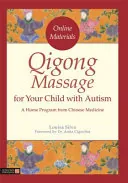
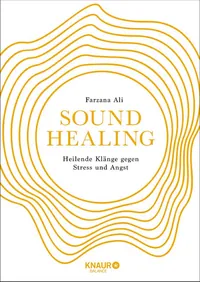
Starting Your Sound Healing Journey

 80
80

Starting Your Sound Healing Journey
Maurice Carroll's "Starting Your Sound Healing Journey" tackles the often-intimidating subject of sound healing with commendable directness. The book's strength lies in its absolute commitment to the beginner, stripping away jargon and presenting straightforward techniques. For instance, the chapter detailing basic vocal toning exercises provides clear, actionable steps that even the most skeptical newcomer could attempt. However, its very accessibility can sometimes feel reductive; readers with even a rudimentary understanding of sonic principles might find the explanations lacking depth. The discussion on binaural beats, while present, feels more like a brief nod than a thorough exploration. Despite this limitation, Carroll successfully bridges the gap between esoteric curiosity and practical application, making sound healing feel achievable. It serves its intended purpose as a foundational primer, encouraging further exploration without demanding prior expertise.
📝 Description
80
Maurice Carroll's 2018 book offers practical steps for using sound for personal well-being.
Maurice Carroll's "Starting Your Sound Healing Journey" is a guide for those new to sonic practices. The book aims to make the use of vibrational frequencies accessible, moving past abstract ideas to present concrete methods. It focuses on simple techniques individuals can use to bring sound practices into their everyday lives for relaxation and inner balance. The author assumes no prior experience with sound therapy or esoteric studies. Readers interested in mindfulness, reducing stress, and finding new ways to achieve mental and spiritual clarity will find this approach welcoming. It is for anyone curious about using sound for self-improvement without getting bogged down in complicated theory.
The book covers basic ideas like sympathetic resonance, harmonic intervals, and the use of tools such as singing bowls and tuning forks. It highlights how sound's energetic qualities can affect the body's subtle energy systems. The emphasis is on practical use, showing readers how to create and direct sonic vibrations for therapeutic outcomes and to achieve a state of inner calm.
The use of sound for healing has a long history, with roots in ancient Vedic traditions and Pythagorean philosophy. Carroll's work appears during a time of renewed interest in bioacoustics and vibrational medicine. This contemporary interest often connects with mindfulness and alternative wellness practices that grew in popularity from the 1970s onward. Sound healing is now often discussed alongside practices like yoga and meditation, reflecting a broader cultural engagement with mind-body techniques.
💡 Why Read This Book?
• Learn foundational techniques for using instruments like singing bowls and tuning forks, as detailed in the chapter on basic instrumentation, enabling immediate practical application for personal relaxation. • Understand the concept of sympathetic resonance, as explained through practical examples in the early chapters, to grasp how vibrations can influence your own energetic field. • Discover how to incorporate simple vocal toning exercises into your routine, as guided in the practical application sections, to cultivate mindfulness and immediate stress relief.
⭐ Reader Reviews
Honest opinions from readers who have explored this book.
❓ Frequently Asked Questions
What are the core principles of sound healing introduced in Maurice Carroll's book?
The book introduces principles like sympathetic resonance, explaining how sound vibrations can influence the body's energetic systems. It also covers the therapeutic use of specific frequencies and the importance of mindful listening and intentional sound creation for personal well-being.
Is "Starting Your Sound Healing Journey" suitable for someone with no prior experience?
Yes, the book is specifically designed for beginners. It assumes no prior knowledge and guides readers through foundational techniques and concepts in an accessible manner, making it ideal for those new to sound healing.
What types of sound instruments are discussed in the book?
The book discusses commonly used sound healing instruments such as singing bowls, tuning forks, and the potential for vocal toning. It focuses on their basic application for therapeutic purposes.
When was "Starting Your Sound Healing Journey" first published?
The book was first published on February 16, 2025, making it a contemporary guide to the practice of sound healing.
How does this book help with relaxation and inner harmony?
It provides practical exercises and explanations of how sound vibrations can affect the mind and body, promoting relaxation and balance. The techniques aim to cultivate mindfulness and reduce stress through sonic engagement.
What is the author's approach to sound healing in this book?
Maurice Carroll's approach is pragmatic and accessible, focusing on actionable techniques for personal growth and relaxation. The book aims to demystify sound healing, making it practicable for everyday use.
🔮 Key Themes & Symbolism
Vibrational Energetics
The work explores the fundamental premise that all matter, including the human body, vibrates at specific frequencies. Carroll details how external sound vibrations can interact with these internal frequencies, potentially influencing physical, emotional, and mental states. This concept draws parallels with theories of resonance in physics and is applied to understand how specific tones or harmonic patterns can induce states of relaxation or balance. The book guides readers to perceive and utilize these vibrational interactions for self-healing.
Mindful Sound Application
A core theme is the intentional and mindful use of sound. The book emphasizes that the practitioner's state of mind and focused intention are crucial components of effective sound healing. It moves beyond mere exposure to sound, advocating for a conscious engagement with sonic tools. This includes techniques for focused listening and the deliberate creation of soundscapes designed to foster present-moment awareness and reduce mental chatter, aligning with broader mindfulness practices.
Accessible Sonic Tools
Carroll focuses on clarifying the instruments and methods used in sound healing. The book provides practical introductions to tools such as singing bowls, tuning forks, and vocal toning. The emphasis is on their straightforward application for self-care and personal development, rather than complex therapeutic protocols. This theme aims to empower individuals to begin exploring sound healing immediately with readily available or easily acquired resources.
Personal Growth Through Harmony
The overarching goal presented is personal transformation and inner harmony achieved through sonic means. The book posits that by understanding and applying the principles of sound healing, individuals can cultivate greater self-awareness, emotional equilibrium, and a sense of peace. It frames sound healing not just as a relaxation technique, but as a pathway for deeper connection with oneself and the energetic environment.
💬 Memorable Quotes
Direct passages from the work, attributed to the author.
“The vibrations of sound can be a powerful tool for shifting our internal state.”
— This highlights the core tenet of sound healing: that external sonic frequencies can directly influence our internal physical and energetic resonance, leading to tangible changes in well-being.
“Begin with simple vocalizations; your own voice is the most accessible instrument.”
— This emphasizes practicality and the immediate availability of sound healing tools, suggesting that personal vocal exploration is a fundamental and easy entry point for new practitioners.
“Focus your intention when creating or listening to sound for maximum effect.”
— This underscores the importance of the practitioner's mental state and focused will in directing sonic energy for therapeutic outcomes, integrating mindfulness with sound practice.
“Understand resonance as the bridge between the sound you hear and the feeling it evokes.”
— This explains a key concept, defining resonance as the mechanism by which sound interacts with the body and mind, creating subjective experiences and potential energetic shifts.
“Each instrument has a unique frequency profile that can support different aspects of well-being.”
— This points to the specificity of sound healing tools, suggesting that different instruments like singing bowls or tuning forks possess distinct sonic qualities that can be applied to address particular needs.
🌙 Esoteric Significance
Tradition
While not strictly adhering to a single esoteric lineage, "Starting Your Sound Healing Journey" draws upon principles found in Western esoteric thought concerning sympathetic magic and the energetic nature of reality, as well as Eastern traditions like Vedic sound practices. It bridges these by framing vibrational energy as a universal force accessible through practical application, aligning with the Hermetic principle "As above, so below" but applied to sonic frequencies for personal well-being.
Symbolism
The book frequently employs the concept of resonance as a primary symbol, representing the interconnectedness of all things and the potential for sympathetic interaction between external sound and internal states. Instruments like the singing bowl, with its pure tone and sustained vibration, can symbolize wholeness and the unfolding of potential. The circle, often evoked by the shape of bowls and the cyclical nature of sound, symbolizes unity and the continuous flow of energy.
Modern Relevance
This work speaks directly to contemporary interest in biohacking, mindfulness apps, and integrated wellness. Thinkers and practitioners in fields like sound therapy, somatic experiencing, and even certain branches of consciousness studies find Carroll's accessible approach valuable. It provides a foundational understanding for individuals exploring practices that use sound for trauma release, stress reduction, and enhanced meditative states, aligning with current trends in mental health and personal development.
👥 Who Should Read This Book
• Individuals new to esoteric practices seeking a grounded introduction to vibrational healing, looking for actionable techniques they can implement immediately. • Wellness practitioners, such as yoga instructors or meditation guides, who wish to expand their toolkit with accessible sound-based methods for client support. • Researchers or students of comparative religion and ancient philosophies interested in contemporary applications of sound and vibration explored in historical contexts.
📜 Historical Context
Maurice Carroll's "Starting Your Sound Healing Journey," published in 2025, arrives in an era where alternative wellness practices have become mainstream. Its approach is situated within a contemporary resurgence of interest in vibrational medicine, a field with ancient roots. While Pythagorean philosophers in ancient Greece explored the harmonic ratios of the cosmos, and Vedic traditions utilized chanting for spiritual purposes, Carroll's work addresses a modern audience. This renewed interest in sound healing gained momentum in the late 20th century, partly as a counterpoint to the perceived limitations of purely materialist approaches to health. Carroll's book likely engages with popular contemporary movements like mindfulness and energy work, distinguishing itself from earlier, more esoteric texts. Its pragmatic focus contrasts with the more ritualistic applications found in shamanic traditions, aiming for individual empowerment through accessible techniques rather than adherence to a specific lineage.
📔 Journal Prompts
The concept of sympathetic resonance and its personal impact.
Your initial experience with vocal toning exercises.
Identifying specific sound frequencies that evoke calm or energy.
How intentional focus altered your perception of sound.
The role of vibrational energy in your daily life.
🗂️ Glossary
Sympathetic Resonance
The phenomenon where one vibrating object causes another object to vibrate at the same frequency. In sound healing, this principle suggests that external sounds can influence the body's natural frequencies.
Vocal Toning
The practice of producing sustained vocal sounds (e.g., humming, chanting vowels) with intention, used to generate vibrations for relaxation and energetic balance.
Singing Bowl
A type of bell, often made of metal alloys, that is struck or rimmed to produce sustained harmonic tones used in sound healing and meditation.
Tuning Fork
A two-pronged, fork-like instrument that vibrates at a specific frequency when struck, used in sound healing to introduce precise sonic vibrations.
Vibrational Energy
The concept that all matter, including living organisms, possesses inherent energetic frequencies that can be influenced by external vibrations, such as sound.
Inner Harmony
A state of psychological and emotional balance, often achieved through practices that reduce stress and promote self-awareness and peace.
Mindfulness
A mental state achieved by focusing one's awareness on the present moment, while calmly acknowledging and accepting one's feelings, thoughts, and bodily sensations.
This book appears in 1 collection
🔮 Readers Also Liked
Browse all →








From the “Sound Healing” Collection
View all →







More Free Occult Philosophy Books
View all →