Smoke Bitten
 82
82

Smoke Bitten
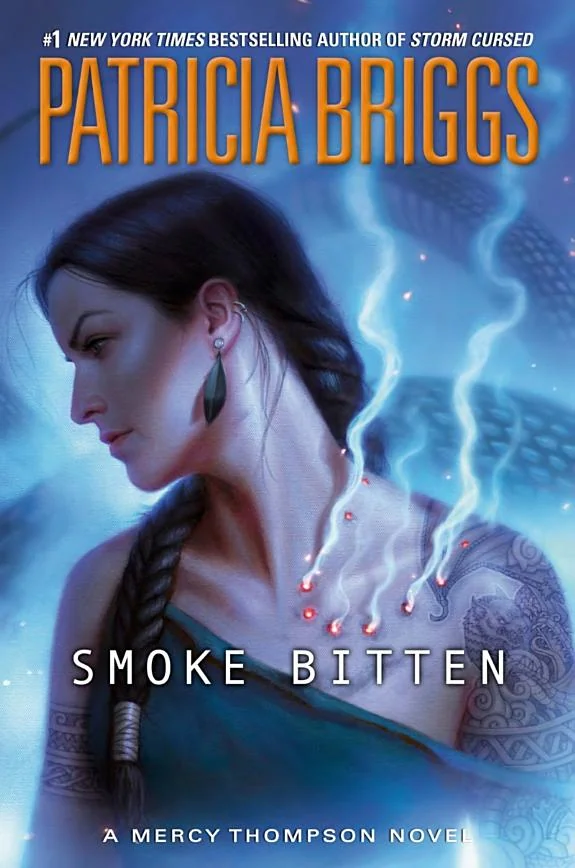
Patricia Briggs’s *Smoke Bitten* demonstrates the series’ enduring strength in character-driven supernatural conflict. Mercy Thompson, our VW-fixing coyote shapeshifter, finds herself facing an ancient Fae threat that transcends the usual werewolf politics, a welcome escalation. The novel excels in its depiction of Mercy’s resourcefulness and the complex web of allegiances she navigates, particularly with the werewolves of the Alpha pack. However, the sheer density of lore introduced to confront this new threat occasionally feels overwhelming, potentially slowing the pacing in the middle act. A particularly effective sequence involves Mercy’s desperate attempts to understand and counter the Fae’s insidious influence, highlighting her intellect as much as her powers. Briggs delivers a solid entry, reinforcing why this series remains a cornerstone of urban fantasy, though the narrative momentum falters slightly under the weight of its own intricate mythology. It’s a compelling read for loyal fans, offering both familiar comfort and fresh peril.
📝 Description
82
In 2020, Patricia Briggs escalated the stakes for coyote shapeshifter Mercy Thompson against an ancient threat.
Smoke Bitten, published in 2020, follows Mercy Thompson, a coyote shapeshifter and mechanic, as she confronts a formidable ancient threat. This installment of Patricia Briggs's series focuses on the challenges supernatural beings face when old powers stir. The narrative details the complex lives of those living on the edge of human society, especially when ancient magic begins to resurface.
This book is for established fans of the Mercy Thompson series. It will also appeal to readers who enjoy urban fantasy featuring a strong female lead, detailed world building, and a mix of modern settings with mythological elements. Those interested in stories with werewolves, fae, and other supernatural creatures within complex social structures will find Smoke Bitten a fitting read.
Published in 2020, Smoke Bitten continues the urban fantasy tradition that began gaining prominence in the early 2000s. This subgenre often examines the hidden lives of magical beings within contemporary settings, exploring themes of identity and belonging. Briggs's work is often compared to that of Jim Butcher and Charlaine Harris, authors who also build complex mythologies around supernatural factions and their interactions with the human world. The series, starting in 2006, has consistently developed its lore and characters, placing Smoke Bitten within a mature phase of this literary movement.
💡 Why Read This Book?
• Gain insight into the mechanics of Fae politics and their historical grievances, understanding how their ancient society operates beyond human perception, as depicted through their interactions with Mercy in *Smoke Bitten*. • Experience the unique challenges of shapeshifter diplomacy, seeing how Mercy’s coyote nature and her relationships with the werewolves influence her ability to negotiate supernatural conflicts. • Feel the tension of confronting ancient, elemental threats, as the book explores how primal forces, like those of Underhill, manifest and challenge established supernatural orders.
⭐ Reader Reviews
Honest opinions from readers who have explored this book.
❓ Frequently Asked Questions
When was Patricia Briggs's 'Smoke Bitten' first published?
Patricia Briggs's 'Smoke Bitten' was first published in 2020. This release places it as a later installment in the long-running Mercy Thompson series.
What supernatural creatures are prominent in 'Smoke Bitten'?
Prominent supernatural creatures in 'Smoke Bitten' include shapeshifters (specifically coyotes like Mercy Thompson), werewolves (members of the Alpha pack), and Fae from Underhill.
What is the main conflict Mercy Thompson faces in 'Smoke Bitten'?
Mercy Thompson faces a formidable and ancient threat from the Fae, who have emerged from their realm, Underhill, presenting a danger unlike any she has encountered before.
Is 'Smoke Bitten' a standalone novel or part of a series?
'Smoke Bitten' is part of a series, specifically the #1 New York Times bestselling Mercy Thompson series by Patricia Briggs. It is recommended to read earlier books for full context.
What is the significance of 'Underhill' in 'Smoke Bitten'?
Underhill is depicted as the ancestral realm of the Fae. In 'Smoke Bitten,' its doors are opened, allowing the Fae to re-enter the world and present a significant threat to Mercy and her allies.
How does Mercy's identity as a shapeshifter play into 'Smoke Bitten'?
Mercy's identity as a coyote shapeshifter is central to her survival and problem-solving. Her unique abilities and perspective, alongside her loyalties to her pack, are crucial in facing the Fae threat.
🔮 Key Themes & Symbolism
Ancient Fae Ascendancy
The novel revisits the concept of the Fae and their historical connection to the mortal world, specifically their area of Underhill. Briggs explores the idea that these ancient beings, once relegated to myth or distant realms, can exert influence and pose tangible threats in the present day. The narrative details the consequences of their re-emergence, highlighting their unique powers and societal structures that contrast sharply with those of werewolves and humans. This theme examines the disruption caused by the return of primordial forces and the challenges of coexisting with entities whose motivations are deeply alien.
Chosen Family Bonds
Central to the Mercy Thompson series, the theme of chosen family is amplified in *Smoke Bitten*. Mercy’s relationships with the werewolves of the Alpha pack, particularly Adam Hauptman, and other allies form the bedrock of her defense against the Fae threat. The book emphasizes loyalty, sacrifice, and the profound strength derived from these non-biological connections. It illustrates how these bonds are tested under extreme pressure, showcasing the resilience of a found family unit in the face of overwhelming supernatural danger and existential threats.
Identity and Adaptation
Mercy's identity as a coyote shapeshifter is a constant source of internal and external conflict. *Smoke Bitten* continues to explore how she navigates the supernatural world with her unique abilities, often finding herself an outsider even within supernatural circles. Her capacity to adapt, both her physical form and her approach to problem-solving, is crucial for survival. The novel examines the challenges of maintaining one's individuality while being part of larger, powerful factions like the werewolf pack, and how her distinct nature allows her to perceive and counter threats others might miss.
Consequences of Power
The book looks at the various forms of power – from the raw, elemental force of the Fae to the pack hierarchy of the werewolves and Mercy’s own unique shapeshifting abilities. It explores not only the wielding of power but also its inherent responsibilities and the potential for corruption. The Fae’s ancient power is shown to be both magnificent and terrifying, while the werewolves’ power is tied to their pack structure and dominance. Mercy often finds herself caught between these forces, learning that true strength lies not just in power, but in how it is used and the choices made in its application.
💬 Memorable Quotes
Direct passages from the work, attributed to the author.
“Centuries ago, the fae dwelt in Underhill--until she locked her doors against them.”
— This statement sets the stage for the central conflict, referencing a historical separation between the Fae area of Underhill and the mortal world, implying a past transgression or forced isolation that fuels present-day animosity.
“I have friends in odd places and a pack of werewolves at my back. It looks like I'm going to need them.”
— This highlights Mercy's reliance on her diverse network of allies and her pack. It underscores the escalating danger, suggesting that her usual support system will be severely tested against the new threat.
“Mercy Thompson, car mechanic and shapeshifter, faces a threat unlike any other...”
— This concise description captures Mercy's dual nature and the extraordinary circumstances she finds herself in, signaling a significant escalation in the challenges presented within this particular installment of the series.
“They left behind their great...”
— This incomplete phrase from the blurb suggests that the Fae's departure from the mortal realm resulted in the loss or abandonment of something significant, hinting at unresolved issues or lingering consequences that are central to the plot.
💡 Key Ideas
Editorial paraphrase of the work's core concepts — not direct quotes.
My only "superpowers" are that I turn into a thirty-five pound coyote and fix Volkswagens.
This quote, attributed to Mercy Thompson, humorously downplays her extraordinary abilities, highlighting her grounded nature and mechanical skills as her primary assets, even when facing dire supernatural threats.
🌙 Esoteric Significance
Tradition
While not strictly adhering to a single esoteric lineage, Patricia Briggs's work draws heavily from modern interpretations of folklore and mythology, particularly concerning Fae and shapeshifters. It fits within the broader contemporary esoteric landscape that often reinterprets ancient myths through a modern, psychological lens. Unlike traditional Hermetic or Kabbalistic texts, Briggs grounds her 'esoteric' elements in character relationships and relatable struggles, making the supernatural accessible. The work departs from rigid doctrine, favoring a more fluid, narrative-driven exploration of supernatural beings and their societies.
Symbolism
The primary symbols in *Smoke Bitten* revolve around **Underhill**, representing a hidden, ancient area of power and otherness, often associated with the Unseelie or Seelie Courts in folklore. **Mercy's coyote form** symbolizes adaptation, primal instinct, and a liminal existence between human and animal, wildness and domestication. The **werewolf pack** functions as a symbol of fierce loyalty, territoriality, and a rigid, often patriarchal, social hierarchy that Mercy must navigate. These symbols collectively explore themes of belonging, power, and the struggle between instinct and civilization.
Modern Relevance
Contemporary thinkers and practitioners in fields like modern paganism and neofolklorism often find resonance in Briggs's portrayal of the Fae and their complex relationship with the human world. Her work contributes to a modern revival of interest in folkloric beings, moving beyond simplistic fairy tales. Authors and readers exploring themes of animism, the power of nature, and the concept of the 'wild' within urban settings can draw inspiration. Furthermore, the series' focus on found family and navigating complex supernatural politics offers a framework for understanding social dynamics in various subcultures and communities today.
👥 Who Should Read This Book
• Fans of urban fantasy seeking intricate lore and character-driven plots, particularly those who enjoy established series with a strong protagonist. • Readers interested in folklore and mythology, especially concerning Fae and shapeshifter traditions, who appreciate modern interpretations of these ancient beings. • Enthusiasts of supernatural thrillers who enjoy fast-paced action, complex relationships, and high-stakes conflicts between different supernatural factions.
📜 Historical Context
Published in 2020, *Smoke Bitten* arrived during a robust period for urban fantasy, a genre that had been steadily growing since the early 2000s. Patricia Briggs's Mercy Thompson series, initiated in 2006, had already established a significant readership by this point, known for its detailed world-building and strong protagonist. The 2020 release places it in conversation with contemporary authors like Jim Butcher, whose Dresden Files series also explores a hidden supernatural world within modern America, and Charlaine Harris, whose Sookie Stackhouse novels predate Briggs's work and helped popularize the genre. While not facing direct censorship, the genre itself often grappled with perceptions of being niche or less literary, a challenge Briggs consistently overcame through compelling storytelling. The reception of *Smoke Bitten* was largely positive among its dedicated fanbase, reinforcing the series' established place in the urban fantasy canon, without major critical controversies or specific academic citations at the time of its release.
📔 Journal Prompts
Mercy's identity as a coyote shapeshifter informs her approach to the Fae threat.
The concept of Underhill and its historical separation from the mortal world.
The loyalty dynamics within the werewolf Alpha pack and their role in confronting danger.
Consequences of ancient pacts between supernatural beings and their modern repercussions.
The balance Mercy strikes between her human life, her shapeshifter nature, and her pack obligations.
🗂️ Glossary
Shapeshifter
An individual possessing the ability to transform into another form, typically an animal. In *Smoke Bitten*, Mercy Thompson is a coyote shapeshifter, a core aspect of her identity and abilities.
Fae
A class of supernatural beings originating from folklore, often possessing magical abilities and dwelling in a separate realm. In this series, they are ancient and possess distinct societal structures and motivations.
Underhill
The mythological realm or homeland of the Fae. In *Smoke Bitten*, its doors are opened, allowing the Fae to interact with and threaten the mortal world.
Werewolf
A mythical human who can change, temporarily or permanently, into a wolf or wolf-like creature. The series features a prominent pack of werewolves with a strict social hierarchy.
Alpha
In the context of the werewolf pack, the Alpha is the dominant leader. Adam Hauptman holds this position, and his pack plays a central role in supporting Mercy.
Pack
A social unit, particularly among werewolves, characterized by strong bonds, loyalty, and a hierarchical structure. Mercy is considered part of the Alpha pack.
Mortal world
Refers to the human world, distinct from the realms inhabited by supernatural creatures like the Fae or werewolves.
This book appears in 1 collection
🔮 Readers Also Liked
Browse all →








From the “Shapeshifting” Collection
View all →





More Free Occult Philosophy Books
View all →