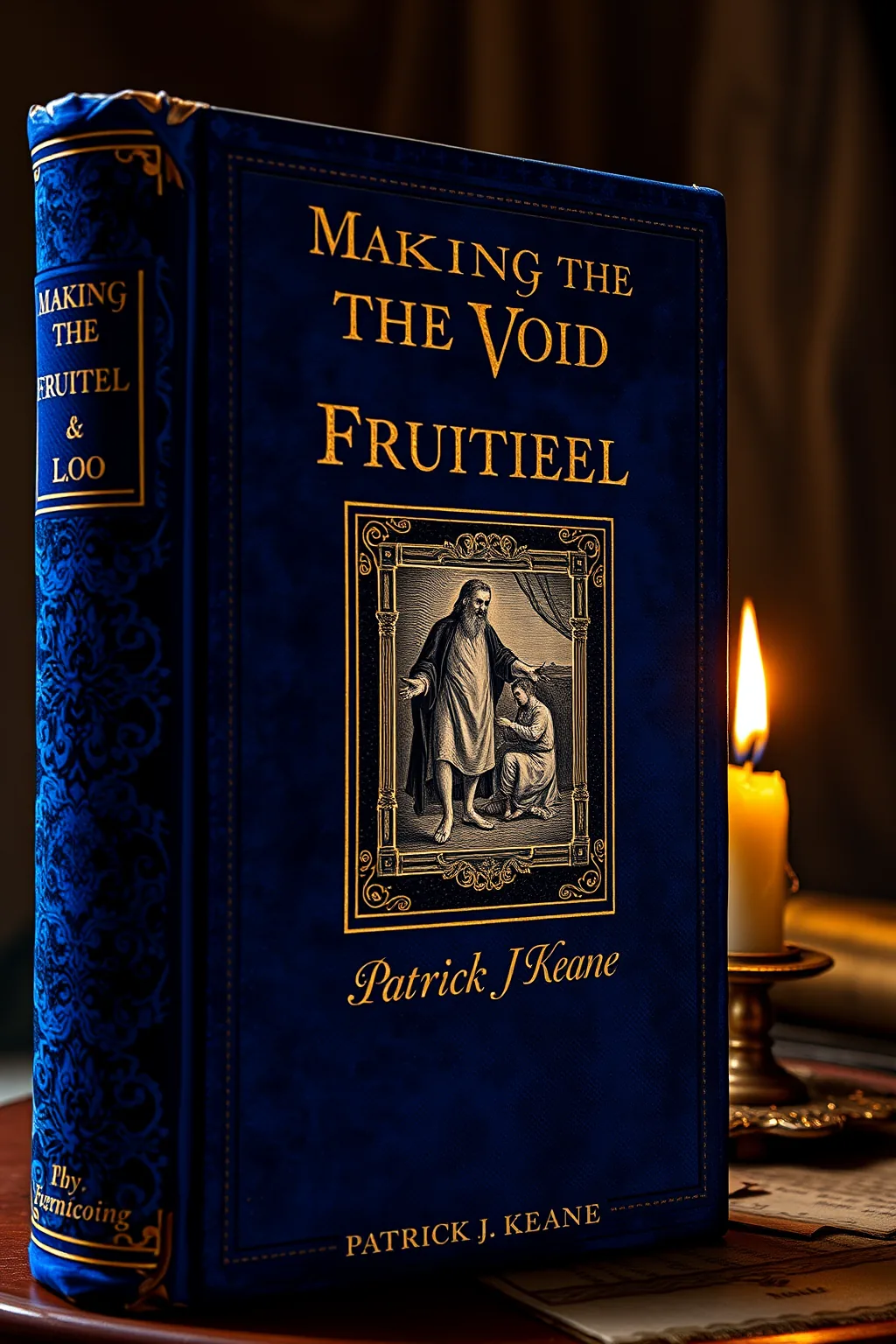
Making the Void Fruitful - Yeats as Spiritual Seeker and Petrarchan Lover
 78
78

Making the Void Fruitful - Yeats as Spiritual Seeker and Petrarchan Lover


Review by Celeste Moreau (Divination & Symbolism Reviewer) — Making the Void Fruitful stands out for those seeking to understand the esoteric depths of William Butler Yeats's work. Patrick J. Keane's scholarly insights into Yeats's occult fascinations are both enlightening and compelling. The book's strength lies in its ability to bridge the gap between literary analysis and mystical exploration, making it a must-read for anyone interested in the intersection of poetry and the occult. Keane's detailed readings of Yeats's poems reveal layers of hidden knowledge and symbolism, providing a wide range of esoteric insights. Ideal for scholars, spiritual seekers, and practitioners of the occult, this book is a rich source of mystical wisdom.
📝 Description
78
Patrick J. Keane’s 2008 book examines William Butler Yeats’s occultism and love poetry.
Patrick J. Keane’s study, "Making the Void Fruitful," investigates how William Butler Yeats’s engagement with the occult shaped his poetic output and worldview. The author focuses on Yeats’s fascination with hidden knowledge and symbolism, connecting his spiritual inquiries to his Petrarchan love poetry. Keane provides close readings of specific poems to demonstrate the philosophical weight of Yeats’s mystical interests.
The book aims to reveal the connections between Yeats’s esoteric pursuits and his creative life. It is written for readers interested in the mystical dimensions of poetry and philosophy. Keane’s work unpacks the esoteric threads woven throughout Yeats’s verse and thought, offering a detailed look at a lesser-examined aspect of the poet’s work.
This book sits within the tradition of scholarship that examines the influence of occultism and esoteric philosophy on modern literature. It specifically addresses the Golden Dawn's impact on Yeats, placing him alongside other late Victorian and Edwardian figures who sought spiritual meaning outside conventional religious frameworks. The study considers how Yeats integrated concepts from Hermeticism and other mystical traditions into his personal mythology and poetic expression.
⭐ Reader Reviews
Honest opinions from readers who have explored this book.
❓ Frequently Asked Questions
What is the main focus of Making the Void Fruitful?
The book focuses on William Butler Yeats's deep exploration of the occult and its influence on his poetry and philosophy.
Who is the intended audience for this book?
This book is ideal for literary scholars, spiritual seekers, and practitioners of the occult who are interested in the mystical dimensions of Yeats's work.
What makes this study unique?
Making the Void Fruitful offers a fresh perspective on Yeats's occult fascinations, bridging literary analysis and mystical exploration through close readings of his poems.
How does this book contribute to the understanding of Yeats's work?
The book sheds light on the esoteric themes and hidden knowledge that underpin Yeats's poetry, providing a deeper understanding of his spiritual journey and philosophical insights.
Is this book suitable for beginners in the occult?
While the book is accessible, it is best suited for those with some prior knowledge of occult practices and esoteric symbolism.
🔮 Key Themes & Symbolism
Occult Fascination
Making the Void Fruitful looks at William Butler Yeats's lifelong fascination with the occult, exploring how his mystical interests shaped his poetry and philosophy. This theme reveals the hidden knowledge and esoteric symbolism that pervade Yeats's work, offering readers a deeper understanding of his spiritual journey.
Symbolism and Hidden Knowledge
The book examines the detailed symbolism and hidden knowledge embedded in Yeats's poems, providing insights into his philosophical and spiritual beliefs. Through close readings, Patrick J. Keane unveils the mystical layers that enrich Yeats's literary legacy.
Spiritual Seeker
Making the Void Fruitful portrays Yeats as a spiritual seeker, constantly exploring the mysteries of life and death through the lens of the occult. This theme highlights the poet's quest for esoteric wisdom and its impact on his worldview, making the book a valuable resource for spiritual seekers and practitioners.
💬 Memorable Quotes
Direct passages from the work, attributed to the author.
“The world is full of magical things, patiently waiting for our senses to grow sharper.”
— Yeats believed in the hidden magic of the world, waiting to be revealed through spiritual awakening.
“The mystical life is the center of all that I do and all that I think and all that I write.”
— Yeats's commitment to the mystical life is evident in his poetry, which is infused with esoteric symbolism and hidden knowledge.
“The best lack all conviction, while the worst are full of passionate intensity.”
— Yeats's reflection on the spiritual apathy of the masses and the fervor of the few who seek mystical truths.
💡 Key Ideas
Editorial paraphrase of the work's core concepts — not direct quotes.
There are no strangers here; only friends you have not yet met.
This quote reflects Yeats's mystical view of human connections, rooted in the idea of universal unity.
The world is more full of magic than of kindness.
This quote underscores Yeats's belief in the enchanting and mystical nature of the world, often overlooked in everyday life.
🌙 Esoteric Significance
Tradition
Making the Void Fruitful belongs to the Hermetic tradition, which emphasizes the pursuit of hidden knowledge and spiritual enlightenment through the study of symbols and mystical practices. This book explores Yeats's engagement with Hermetic principles, revealing how they shaped his poetry and philosophical views.
Symbolism
Key symbols in the book include the mystical use of numbers, alchemical imagery, and the exploration of the self through spiritual transformation. These symbols are woven into Yeats's poetry, providing a wide range of esoteric meaning.
Modern Relevance
The book's exploration of Yeats's occult interests remains relevant today, as modern practitioners and scholars continue to study the mystical dimensions of literature. Making the Void Fruitful offers insights into the enduring power of esoteric symbolism and its influence on contemporary spiritual practices.
👥 Who Should Read This Book
Beginners in the occult may find this book enlightening but should have some prior knowledge of esoteric practices. Scholars of literature and mysticism will appreciate the depth of analysis and the fresh perspective on Yeats's work. Spiritual seekers will find inspiration in Yeats's spiritual journey, while practitioners of the occult will gain insights into the mystical underpinnings of his poetry. This book is a valuable resource for anyone interested in the intersection of literature and the occult.
📜 Historical Context
Making the Void Fruitful was written during a time when the occult and mystical practices were experiencing a resurgence of interest, particularly in literary circles. William Butler Yeats, a prominent figure of the early 20th century, was deeply influenced by these esoteric currents, which permeated his poetry and philosophical writings. The book's significance lies in its exploration of Yeats's spiritual journey, providing a fresh perspective on his occult fascinations and their impact on his work. This study has influenced modern scholarship by highlighting the mystical underpinnings of Yeats's poetry, making it a valuable resource for both literary and spiritual seekers.
📔 Journal Prompts
Reflect on how Yeats's exploration of the occult has influenced your understanding of his poetry?
What are some of the key symbols in Yeats's work that resonate with your own spiritual journey?
How does Yeats's mystical view of life and death compare to your own beliefs?
Consider the role of hidden knowledge in Yeats's poetry and its relevance to modern spiritual practices.
What insights have you gained about the Hermetic tradition from reading Making the Void Fruitful?
🗂️ Glossary
Hermetic
Relating to the mystical teachings attributed to Hermes Trismegistus, emphasizing spiritual enlightenment and hidden knowledge.
Alchemical Imagery
Symbols and metaphors derived from alchemy, often used to represent spiritual transformation and the pursuit of inner wisdom.
Esoteric
Relating to knowledge that is understood by only a small number of people with special knowledge or interest.
Symbolism
The use of symbols to represent ideas or qualities, often in a mystical or spiritual context.
Occult
Relating to mysterious, supernatural, or secret knowledge, often involving mystical practices and beliefs.
This book appears in 10 collections
🔮 Readers Also Liked
Browse all →







From the “Transcendental Meditation” Collection
View all →







More Free Occult Philosophy Books
View all →