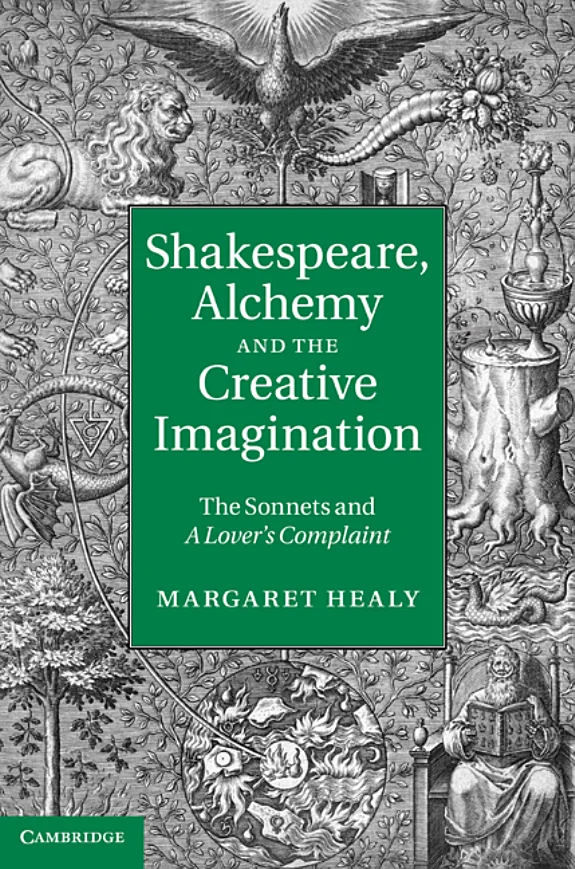
Shakespeare, Alchemy and the Creative Imagination
 83
83

Shakespeare, Alchemy and the Creative Imagination
Margaret Healy's examination of Shakespeare's sonnets through the lens of Renaissance alchemy is a bold undertaking that largely succeeds in offering novel perspectives. Healy demonstrates a keen eye for alchemical parallels, particularly in her interpretation of the sonnets' spiritual trajectory. The strength of the book lies in its meticulous scholarship and its ability to connect seemingly disparate fields. However, at times, the alchemical framework feels imposed, and certain connections, while intriguing, might strain the bounds of conventional literary analysis. The discussion of the *coniunctio oppositorum* in Sonnet 147, for instance, is particularly illuminating, offering a fresh angle on themes of desire and spiritual conflict. The work's limitation is its occasional tendency towards over-interpretation, which may alienate readers less invested in alchemical exegesis. Nevertheless, Healy provides a compelling argument for understanding Shakespeare's creative imagination as deeply influenced by the transformative processes central to alchemy. It is a significant contribution for those seeking to expand their understanding of Elizabethan literature.
📝 Description
83
Margaret Healy's 2002 book argues Renaissance alchemy shaped Shakespeare's sonnets.
Margaret Healy's "Shakespeare, Alchemy and the Creative Imagination" re-examines William Shakespeare's sonnets, proposing that alchemical practices of the Renaissance formed a framework for their composition. The study suggests these poems are not simply romantic verses but are infused with alchemical symbolism and philosophical ideas, reflecting the era's focus on transformation and spiritual purification. Healy situates Shakespeare's work within the intellectual climate of the late 16th and early 17th centuries, a time of active alchemical experimentation and philosophical inquiry. She contends that alchemical symbolism was a significant influence on artistic and intellectual pursuits, affecting how Shakespeare's spiritual and poetic expressions are understood.
The book investigates the alchemical concept of *coniunctio oppositorum*, or the union of opposites, applying it to Shakespeare's treatment of love, mortality, and spiritual growth. The *prima materia*, the initial substance in alchemical transformation, is discussed as a metaphor for the raw material of poetic creation and human experience. The process of *coagulatio*, the solidification of the alchemical work, is connected to the lasting power and form of Shakespeare's verse. This analysis offers an unconventional perspective on the sonnets, linking them to the broader esoteric currents of the Elizabethan age.
This book fits within the study of Renaissance Hermeticism, a period where alchemical and esoteric thought intertwined with intellectual life. Figures like John Dee and Giordano Bruno represent the broader interest in transformation and hidden knowledge that permeated the era. Healy connects these currents to the literary output of the time, arguing that alchemical symbolism was not isolated but integrated into artistic expression. The work positions Shakespeare's sonnets within this milieu, suggesting their deeper meanings are illuminated by understanding alchemical philosophy and its symbolic language.
💡 Why Read This Book?
• Gain insight into the alchemical undertones of Shakespeare's Sonnets, specifically how concepts like *coniunctio oppositorum* inform their spiritual and emotional arc, a perspective not typically found in standard literary analyses. • Understand the role of alchemy as a philosophical and creative force in the late 16th century, moving beyond its perception as mere metallurgy and appreciating its influence on thinkers and artists of the era. • Discover a new interpretive key for specific sonnets, such as the analysis of the *prima materia* in relation to poetic genesis, offering a unique framework for appreciating Shakespeare's craft and thematic depth.
⭐ Reader Reviews
Honest opinions from readers who have explored this book.
❓ Frequently Asked Questions
What is the primary argument of "Shakespeare, Alchemy and the Creative Imagination"?
The book argues that Renaissance alchemy significantly shaped Shakespeare's sonnets, imbuing them with alchemical symbolism and philosophical concepts related to transformation and spiritual growth, thereby altering our understanding of his art.
Who is Margaret Healy and when was this book first published?
Margaret Healy is the author of this academic work, which was first published on April 28, 2011, exploring the intersection of Shakespeare's poetry and alchemical traditions.
Does the book suggest Shakespeare was an actual alchemist?
No, the book does not claim Shakespeare was a practicing alchemist. Instead, it proposes that he was deeply familiar with and influenced by alchemical concepts and symbolism prevalent in the Renaissance intellectual climate.
Which specific alchemical concepts are discussed in relation to Shakespeare's sonnets?
Key concepts explored include the *coniunctio oppositorum* (union of opposites), *prima materia* (base substance for transformation), and the process of *coagulatio* (solidification), all applied to interpretative readings of the sonnets.
What makes this book different from other analyses of Shakespeare's sonnets?
Its unique approach lies in applying the framework of Renaissance alchemy, revealing spiritual, transformative, and symbolic dimensions often overlooked in traditional literary criticism of the sonnets.
Is this book accessible to readers unfamiliar with alchemy?
While prior knowledge of alchemy can enhance understanding, Healy explains the relevant concepts clearly. However, readers new to the subject may benefit from consulting supplementary alchemical glossaries or introductions.
🔮 Key Themes & Symbolism
Alchemical Symbolism in Verse
Healy argues that Shakespeare's sonnets are rich with alchemical symbolism, moving beyond conventional readings of love and beauty. Concepts like the *prima materia* are reinterpreted as the raw material of poetic creation, and the *coniunctio oppositorum* is seen as a framework for understanding the sonnets' exploration of dualities within the human psyche and spiritual journey. This perspective suggests a deliberate layering of meaning, accessible to those versed in the era's esoteric thought.
The Art of Transformation
Central to alchemy is the process of transformation, a theme Healy meticulously traces through Shakespeare's sonnets. The journey from base elements to purified gold mirrors the spiritual ascent described in the poems. The book highlights how Shakespeare utilizes alchemical metaphors for personal growth, the endurance of art, and the complex interplay between the corporeal and the spiritual, reflecting a worldview where material and metaphysical processes were intertwined.
Esoteric Poetics of the Renaissance
This work situates Shakespeare within a broader Renaissance intellectual landscape where esoteric traditions, including alchemy, Hermeticism, and Neoplatonism, were influential. Healy posits that understanding these currents is crucial for a complete appreciation of Shakespeare's creative imagination. The sonnets, therefore, become not just literary artifacts but expressions of a period where philosophical, scientific, and mystical inquiries converged, shaping artistic output in profound ways.
Spiritual Alchemy and Human Experience
Healy connects the alchemical quest for spiritual perfection to the human experiences depicted in the sonnets—love, loss, mortality, and the search for meaning. The alchemical laboratory serves as a metaphor for the inner life, where difficult processes lead to enlightenment or profound understanding. This interpretation reframes Shakespeare's exploration of the human condition through the hermetic lens of spiritual purification and the arduous path toward self-realization.
💬 Memorable Quotes
Direct passages from the work, attributed to the author.
“The sonnets can be read as treatises on the alchemical art of transformation.”
— This interpretation suggests that Shakespeare's poetry serves as a coded guide to alchemical processes, framing emotional and spiritual development in terms of the transformative stages central to esoteric alchemy.
“Shakespeare employed alchemical imagery to explore the union of opposites.”
— This highlights the *coniunctio oppositorum*, a core alchemical concept, as a key interpretive tool for understanding Shakespeare's treatment of paradoxes in love, life, and the spiritual quest within his sonnets.
“Alchemy provided a philosophical language for the era's spiritual and artistic endeavors.”
— This interpretation posits that alchemical terminology and philosophy were not isolated pursuits but formed a shared symbolic vocabulary influencing various creative and intellectual fields during the Renaissance.
“The sonnets' enduring power stems from their alchemical structure of purification and perfection.”
— This suggests that the perceived lasting quality and impact of Shakespeare's sonnets are intrinsically tied to the alchemical ideal of achieving a refined, perfected state, mirroring the alchemist's pursuit of the elixir or philosopher's stone.
💡 Key Ideas
Editorial paraphrase of the work's core concepts — not direct quotes.
The *prima materia* represents the potential for poetic creation and spiritual rebirth.
This paraphrase links the alchemical concept of the fundamental, unformed substance to the genesis of art and the possibility of profound personal or spiritual renewal as depicted in the sonnets.
🌙 Esoteric Significance
Tradition
This work aligns with the Hermetic tradition, particularly its emphasis on correspondences between the microcosm (human) and macrocosm (universe) and the concept of spiritual transformation through symbolic processes. It situates Shakespeare's sonnets within a lineage of esoteric literature where art serves as a vehicle for conveying hidden knowledge and guiding the soul's ascent, departing from purely aesthetic or historical readings.
Symbolism
Key symbols include the *prima materia*, representing the unformed potential of both the alchemical substance and the creative imagination; the *coniunctio oppositorum*, symbolizing the integration of divine/human, spirit/matter, or opposing desires within the sonnets; and the visual metaphors of fire and distillation, representing purification and the refinement of the soul or artistic expression.
Modern Relevance
Contemporary esoteric practitioners and scholars of comparative literature continue to draw on this work. It informs modern Hermetic studies, Jungian psychology's exploration of archetypes and transformation, and new critical approaches that seek to integrate spiritual and philosophical traditions into literary analysis, particularly within the burgeoning field of esoteric literary criticism.
👥 Who Should Read This Book
• Students of Renaissance literature seeking unconventional interpretive frameworks for Shakespeare's sonnets, particularly those interested in how esoteric traditions influenced Elizabethan arts. • Scholars and practitioners of Western Esotericism looking to understand the practical application of alchemical symbolism within canonical literary works. • Comparative literature researchers interested in the cross-pollination of philosophical, scientific, and artistic ideas during the late medieval and early modern periods.
📜 Historical Context
Published in 2011, Margaret Healy's work emerges in a scholarly landscape where the esoteric dimensions of Renaissance literature are increasingly recognized, building on earlier scholarship that explored Hermeticism and Neoplatonism in figures like Marlowe and Donne. The late 16th and early 17th centuries, Shakespeare's active period, were characterized by a fervent, albeit often secretive, engagement with alchemy. Figures like John Dee consulted angels and advised monarchs, while less public practitioners sought the Great Work. This era also saw the burgeoning of empirical science, creating a complex intellectual climate where spiritual and material pursuits often intertwined. Healy's book engages with this milieu, positioning alchemy not as a mere precursor to chemistry but as a profound philosophical system influencing art. While contemporary literary criticism might have focused on humanism or political allegory, Healy revisits Shakespeare through an alchemical lens, offering a counter-narrative to purely secular interpretations.
📔 Journal Prompts
The *prima materia* as a metaphor for creative potential within your own artistic practice.
Reflecting on the *coniunctio oppositorum* in Shakespeare's Sonnet 147 and its parallels in personal experience.
How did the alchemical concept of transformation influence the perceived spiritual journey in the sonnets?
Analyzing the interplay between earthly love and spiritual aspiration through an alchemical lens.
The role of hidden knowledge and esoteric symbolism in accessing deeper meanings in art.
🗂️ Glossary
Prima Materia
In alchemy, the fundamental, often chaotic, base substance from which all other matter is derived. It is the starting point for the Great Work of transformation, representing potentiality.
Coniunctio Oppositorum
Latin for 'union of opposites.' A key alchemical concept signifying the reconciliation of dualities (e.g., masculine/feminine, sun/moon, spirit/matter) to achieve wholeness or a higher state.
Coagulatio
The alchemical process of solidification, often interpreted as the stage where the transformed substance achieves a stable, perfected form, analogous to the crystallization of spiritual insight.
Great Work (Main work)
The overarching process in alchemy aimed at achieving perfection, typically symbolized by the creation of the Philosopher's Stone, but also understood as a spiritual journey of purification and enlightenment.
Hermeticism
A philosophical and religious tradition based on writings attributed to Hermes Trismegistus. It emphasizes divine knowledge, spiritual ascent, and the interconnectedness of all things (as above, so below).
Neoplatonism
A philosophical system derived from Plato, emphasizing a transcendent, ultimate reality (the One) from which all existence emanates, and the soul's journey back to this divine source.
Distillation
An alchemical process involving heating and cooling to purify a substance by separating its volatile components. Symbolically, it represents the refinement of the spirit or intellect.
This book appears in 1 collection
🔮 Readers Also Liked
Browse all →








From the “Hermetic Alchemy” Collection
View all →





More Free Alchemy & Hermeticism Books
View all →