Platonopolis
 61
61

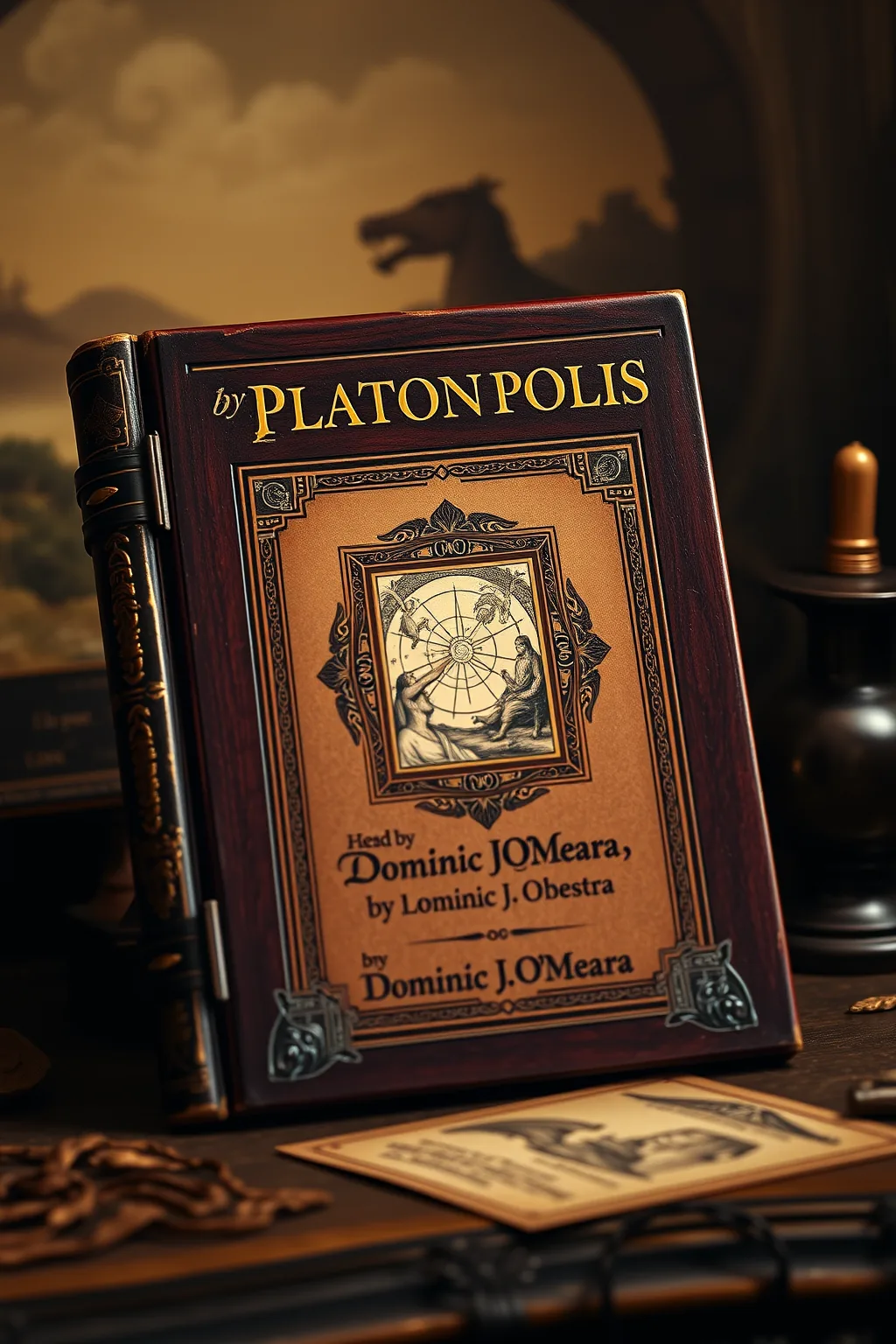
Platonopolis



Review by Aurelia Blackwood (Occult Philosophy Critic) — Platonopolis by Dominic J. O'Meara is a masterful exploration of the esoteric dimensions of Platonism and Neoplatonism. O'Meara's work is a treasure trove of mystical insights, weaving together ancient wisdom and modern thought to illuminate the hidden paths of philosophical inquiry. The book's strengths lie in its depth of research and its ability to make complex ideas accessible to both scholars and spiritual seekers. Platonopolis is an essential read for anyone interested in the intersection of philosophy and the occult.
📝 Description
61
Dominic J. O'Meara's Platonopolis examines Plato and Plotinus as sources for esoteric philosophy.
This study investigates the esoteric currents within Platonism and Neoplatonism, focusing on how these ancient philosophies informed later mystical traditions. O'Meara traces the development of ideas related to the soul's ascent, the structure of the divine, and the symbolic interpretation of myths. The book aims to reveal the spiritual and symbolic layers embedded in Plato's dialogues and Plotinus's Enneads, often overlooked in standard philosophical analyses.
Readers will find an examination of concepts such as the One, the Intellect, and the Soul, as understood through an esoteric lens. O'Meara connects these philosophical underpinnings to practices and beliefs found in later esoteric movements. The work is structured to illuminate the connections between abstract philosophical thought and its application within mystical frameworks.
Platonopolis situates itself within the lineage of esoteric thought that draws directly from ancient Greek philosophy. It highlights how Plato's ideas, particularly concerning the Forms and the Good, and Plotinus's systematic articulation of emanation from the One, were adopted and adapted by medieval and Renaissance esotericists. The book emphasizes the philosophical foundations that support mystical experiences and symbolic interpretations, positioning these traditions as more than mere superstition but as coherent philosophical systems applied to spiritual ends.
💡 Why Read This Book?
Read Platonopolis to uncover the mystical and esoteric foundations of ancient Platonism and Neoplatonism. This book is ideal for seekers of hidden knowledge, scholars of philosophy, and practitioners of the occult. It offers a unique perspective on the symbolic and spiritual dimensions of philosophical thought, providing a deep and contemplative journey into the mysteries of the universe.
⭐ Reader Reviews
Honest opinions from readers who have explored this book.
❓ Frequently Asked Questions
What is the main focus of Platonopolis?
Platonopolis focuses on the esoteric and mystical dimensions of ancient Platonism and Neoplatonism, exploring the hidden knowledge and symbolism within these philosophical traditions.
Who is the intended audience for this book?
The book is intended for scholars of philosophy, spiritual seekers, and practitioners of the occult who are interested in the deeper, mystical aspects of Platonist thought.
How does Platonopolis contribute to the field of philosophy?
Platonopolis contributes by bridging ancient philosophical wisdom with modern esoteric thought, offering new insights into the symbolic and spiritual dimensions of Platonism and Neoplatonism.
What makes Platonopolis unique compared to other works on Platonism?
Platonopolis stands out for its focus on the mystical and esoteric aspects of Platonism, providing a fresh perspective that goes beyond traditional philosophical analysis.
Can beginners in philosophy benefit from reading Platonopolis?
While Platonopolis is deeply scholarly, it is accessible to beginners who are curious about the mystical and esoteric dimensions of philosophy, offering a rich introduction to these topics.
🔮 Key Themes & Symbolism
Mystical Platonism
Platonopolis examines the mystical aspects of Platonism, revealing the hidden knowledge and symbolism that underpin this ancient philosophical tradition. By exploring the esoteric dimensions of Plato's teachings, O'Meara provides a unique perspective on the spiritual and philosophical quest for enlightenment.
Neoplatonic Symbolism
The book examines the strong symbolism within Neoplatonism, offering readers a deep dive into the mystical and esoteric symbols that have captivated philosophers and seekers for centuries. O'Meara's analysis highlights the enduring relevance of these symbols in modern spiritual practices.
Philosophical Alchemy
Platonopolis explores the alchemical dimensions of Platonist thought, where the transformation of the self is seen as a journey toward spiritual enlightenment. This theme speaks to practitioners of the occult and those seeking to understand the deeper, mystical aspects of philosophical inquiry.
💬 Memorable Quotes
Direct passages from the work, attributed to the author.
“Symbols are the language of the divine, speaking to the soul in ways that words cannot.”
— O'Meara highlights the importance of symbolism in Neoplatonism, emphasizing its role in communicating mystical truths.
“Hidden within the teachings of Plato lies the key to unlocking the mysteries of the universe.”
— O'Meara's work reveals the esoteric dimensions of Platonism, inviting readers to explore the hidden knowledge within these ancient teachings.
💡 Key Ideas
Editorial paraphrase of the work's core concepts — not direct quotes.
The true philosopher seeks not just knowledge, but the transformation of the soul.
This quote underscores the mystical quest for self-transformation and spiritual enlightenment within Platonism.
The journey of the soul is a path of alchemical transformation, leading to unity with the divine.
This passage reflects the alchemical dimensions of Platonist thought, where the self is transformed through spiritual practices.
The true seeker of wisdom understands that the path is as important as the destination.
This quote emphasizes the contemplative and mystical journey within Platonism, where the process of seeking knowledge is as significant as the knowledge itself.
🌙 Esoteric Significance
Tradition
Platonopolis belongs to the Hermetic tradition, which seeks to uncover the hidden knowledge and mystical truths within ancient philosophical teachings. By exploring the esoteric dimensions of Platonism and Neoplatonism, O'Meara's work speaks to practitioners of Hermeticism and other mystical traditions.
Symbolism
Key symbols in Platonopolis include the cave allegory, the ascent of the soul, and the concept of the One. These symbols represent the mystical journey of self-transformation and the quest for spiritual enlightenment within Platonist thought.
Modern Relevance
Platonopolis remains relevant today for modern practitioners of the occult and spiritual seekers. Its exploration of the mystical and esoteric dimensions of Platonism offers insights into the deeper, hidden aspects of philosophical inquiry, providing a guide for those seeking to understand the symbolic and spiritual dimensions of the universe.
👥 Who Should Read This Book
Platonopolis is ideal for scholars of philosophy, spiritual seekers, and practitioners of the occult who are interested in the mystical and esoteric dimensions of Platonism and Neoplatonism. Beginners can benefit from its accessible exploration of these topics, while advanced readers will appreciate its depth of research and insight. Those seeking to understand the symbolic and spiritual dimensions of philosophical thought will find Platonopolis to be a rich and contemplative journey.
📜 Historical Context
Platonopolis was written during a time when the study of ancient philosophy was experiencing a renaissance. The book's exploration of Platonism and Neoplatonism reflects the growing interest in the esoteric and mystical dimensions of these traditions. Published in an era of intellectual curiosity and spiritual seeking, Platonopolis has influenced modern scholars and practitioners of the occult, providing a bridge between ancient wisdom and contemporary thought.
📔 Journal Prompts
Reflect on the mystical journey of self-transformation within Platonism.
Explore the role of symbolism in Neoplatonism and its significance in modern spiritual practices.
Consider the alchemical dimensions of Platonist thought and their relevance to your own spiritual quest.
How does the concept of the One resonate with your understanding of the universe?
Write about the importance of the contemplative journey in seeking hidden knowledge.
🗂️ Glossary
Neoplatonism
A philosophical tradition that emerged in the 3rd century AD, emphasizing the mystical and esoteric dimensions of Platonism.
Alchemical Transformation
The process of spiritual and self-transformation within Platonist thought, often symbolized by the journey of the soul.
Cave Allegory
A symbolic representation in Platonism of the journey from ignorance to enlightenment, where prisoners in a cave represent the unenlightened.
The One
A central concept in Neoplatonism, representing the ultimate, transcendent reality from which all things emanate.
Symbolism
The use of symbols to convey mystical and esoteric truths within Platonist and Neoplatonic thought.
This book appears in 2 collections
🔮 Readers Also Liked
Browse all →









More by Dominic J. O'Meara
All books →
From the “Neoplatonism” Collection
View all →









More Free Alchemy & Hermeticism Books
View all →