Shadow Kiss

 80
80

Shadow Kiss
Richelle Mead’s *Shadow Kiss* plunges readers into a well-defined vampiric society, establishing a compelling romantic triangle that fuels much of the narrative tension. The novel’s strength lies in its intricate world-building, particularly the clear delineation between the Moroi, Strigoi, and human elements, and the social consequences that arise from their interactions. The protagonist’s internal struggles, caught between two powerful romantic interests and the demands of her world, are palpable. However, the plot occasionally leans heavily on established tropes within the paranormal romance genre, which may feel familiar to seasoned readers. A particularly effective passage involves the protagonist grappling with the dual nature of her affections and the potential ramifications for both her safety and the delicate balance of power among the vampire factions. Ultimately, *Shadow Kiss* offers an engaging continuation of its series, prioritizing emotional stakes and interpersonal drama within its supernatural framework.
📝 Description
80
Richelle Mead's 2008 novel Shadow Kiss plunges into a hidden vampiric society.
Shadow Kiss, published in 2008, is a paranormal romance set within a structured vampiric society. The story follows characters as they navigate the complex politics and personal relationships of this hidden world. Mead focuses on power struggles, forbidden love, and the repercussions of the characters' choices.
This novel will appeal to readers of urban fantasy and paranormal romance who enjoy detailed character arcs and romantic plots. Those interested in fictional societies with rigid rules, hidden social strata, and the struggle for individual identity within them will find the story engaging. The book also suits readers who like vampire lore, magic systems, and examinations of moral ambiguity.
Published in 2008, the book arrived during a surge of popularity for vampire fiction, influenced by works that brought vampires into the mainstream. Shadow Kiss contributes to this trend with its serialized plot and its depiction of a more established, politically charged vampire community.
This novel enters the tradition of modern paranormal fiction that often uses supernatural beings as metaphors for societal anxieties and personal struggles. While not strictly esoteric in a historical sense, it draws on vampiric lore, a subject with long occult associations. The book examines themes of societal stratification, often seen in critiques of human social structures, through the lens of distinct vampire factions like the Moroi and Strigoi. It also touches upon concepts of sacrifice and loyalty within a framework of survival, common in narratives exploring the darker aspects of existence.
💡 Why Read This Book?
• Gain insight into the complex social strata of the Moroi and Strigoi vampire factions, as depicted in the narrative’s exploration of power dynamics and societal rules established by 2008. • Experience the emotional turmoil of the protagonist as she navigates a challenging romantic triangle, a common yet effectively rendered trope in paranormal fiction. • Understand the thematic exploration of duty versus personal desire, a core conflict presented through the characters' choices and their impact on the established world.
⭐ Reader Reviews
Honest opinions from readers who have explored this book.
❓ Frequently Asked Questions
What is the primary conflict in Richelle Mead's Shadow Kiss?
The primary conflict in Shadow Kiss involves the protagonist, Rose Hathaway, navigating her complex romantic feelings for two individuals while also dealing with the dangerous political landscape and threats to her Moroi friends and society.
Who are the main vampire factions discussed in Shadow Kiss?
The main vampire factions are the Moroi, who are living vampires that can use magic and must feed on humans, and the Strigoi, who are undead, evil vampires that cannot be killed easily and crave human blood.
What is the significance of a 'Guardian' in the world of Shadow Kiss?
Guardians, like the protagonist Rose Hathaway, are Moroi or human bodyguards trained to protect Moroi vampires from Strigoi. Their role is crucial to the survival and safety of the Moroi community.
When was Richelle Mead's Shadow Kiss first published?
Richelle Mead's Shadow Kiss was first published in 2008, positioning it within a surge of popularity for paranormal fiction.
Does Shadow Kiss involve a love triangle?
Yes, Shadow Kiss is well-known for featuring a prominent love triangle involving the protagonist, Rose Hathaway, and two key male characters, Dimitri Belikov and Adrian Ivashkov.
What kind of magic do the Moroi possess in Shadow Kiss?
The Moroi vampires in Shadow Kiss possess various elemental or spirit-based magics, with Rose Hathaway herself being a Spirit user, which is considered rare and potent.
🔮 Key Themes & Symbolism
Moroi and Strigoi Dynamics
The novel meticulously details the societal divide between the Moroi, living vampires who harness elemental magic and require human blood, and the Strigoi, their undead, predatory counterparts. This dichotomy is central to the world-building, establishing a constant undercurrent of danger and moral complexity. The struggle for survival and the stark differences in their existence—one tied to life and magic, the other to undeath and predation—define the inherent conflict and the stakes within the narrative, influencing character relationships and political intrigue.
The Guardian's Burden
The role of a Guardian, tasked with protecting Moroi vampires, is a paramount theme. This duty demands rigorous training, unwavering loyalty, and immense personal sacrifice. The narrative explores the psychological and emotional toll this responsibility takes on individuals like Rose Hathaway, forcing them to confront life-and-death situations regularly. The concept highlights the tension between personal desires and the all-consuming obligation to protect, often placing Guardians in morally ambiguous positions where their actions are dictated by necessity.
Forbidden Romance and Loyalty
A significant portion of Shadow Kiss revolves around complex romantic relationships, particularly the protagonist's entanglement in a love triangle. This theme is amplified by the inherent dangers and societal restrictions within the vampire world. The narrative questions the boundaries of loyalty—to friends, mentors, and romantic partners—when faced with extreme circumstances and conflicting desires. The exploration of these intense emotional bonds underscores the human (or rather, vampiric) need for connection amidst a backdrop of peril and political maneuvering.
The Nature of Immortality
The book implicitly explores the many-sided nature of immortality through its depiction of both Moroi and Strigoi. While the Moroi retain a semblance of life and emotion, their existence is precarious and dependent on others. The Strigoi, conversely, represent a corrupted, predatory form of eternal life. This contrast prompts reflection on what it truly means to live versus simply exist, and the potential costs of extended life, whether it be through magic and vulnerability or through predatory undeath.
💬 Memorable Quotes
Direct passages from the work, attributed to the author.
“There are only two things to worry about: the person you love and the person who loves you.”
— This statement captures the central romantic dilemma faced by the protagonist, highlighting the intense personal connections that often override societal rules or logical considerations in the narrative's world.
“The Moroi are dying. The Strigoi are winning.”
— This stark declaration underscores the perpetual threat faced by the Moroi community. It emphasizes the constant struggle for survival against their predatory enemies and the precarious balance of power that defines their existence.
“He was the sun, and she was the moon, and they could never be in the same sky.”
— This metaphorical statement describes the incompatible natures or circumstances of two characters, likely alluding to the central love triangle and the inherent difficulties in their relationships due to their differing roles or allegiances.
“Sometimes, the only way to get what you want is to be the person you fear.”
— This suggests a transformation or adaptation driven by necessity, where the protagonist might have to adopt dangerous or morally questionable traits to achieve her goals or protect those she cares about.
💡 Key Ideas
Editorial paraphrase of the work's core concepts — not direct quotes.
I’d rather die fighting for what I wanted than live a long life regretting what I didn’t do.
This quote reflects the protagonist's fierce determination and willingness to embrace danger for the sake of her desires and beliefs, embodying the theme of choosing action and passion over passive existence.
🌙 Esoteric Significance
Tradition
While not strictly adhering to a single esoteric lineage, *Shadow Kiss* draws upon archetypal themes prevalent in Western occultism, particularly those concerning duality, hidden worlds, and the corrupting influence of power. The stark contrast between the living, magical Moroi and the predatory, undead Strigoi echoes Gnostic dualistic concepts of spirit versus matter, or light versus shadow. The concept of blood as a life force and a source of power is also a recurring motif in various magical traditions, including vampiric lore that has existed in occult circles since the 19th century.
Symbolism
The primary symbols revolve around blood, immortality, and the academy setting. Blood represents life, sustenance, and the fundamental difference between Moroi and Strigoi; it is both a source of power and a mark of vulnerability. Immortality is depicted not as a blessing but often as a burden or a curse, particularly in its Strigoi manifestation, highlighting the esoteric concern with the corrupting nature of prolonged existence or forbidden power. The St. Vladimir's Academy itself symbolizes a contained, controlled environment where these supernatural forces are trained, representing the esoteric principle of initiation and the structured learning required to master dangerous arts.
Modern Relevance
Contemporary urban fantasy and paranormal romance continue to explore the archetypes presented in *Shadow Kiss*, particularly the complex internal politics of supernatural societies and the moral ambiguities faced by protagonists. Thinkers and practitioners interested in modern interpretations of vampiric mythos, the psychology of predator-prey dynamics, and the challenges of maintaining identity within rigid social or magical structures find resonance here. The series' exploration of bodyguard roles and the ethical considerations of wielding power indirectly influences current discussions within fictional portrayals of magical security and enforcement.
👥 Who Should Read This Book
• Young adult readers and fans of paranormal romance who enjoy intricate world-building and character-driven narratives involving vampires and forbidden relationships. • Enthusiasts of urban fantasy seeking stories with established lore, distinct supernatural factions (Moroi, Strigoi), and magical systems. • Readers interested in exploring themes of duty, sacrifice, and the moral complexities of survival within a dangerous, hidden society.
📜 Historical Context
Published in 2008, *Shadow Kiss* emerged amidst a zenith of paranormal romance and urban fantasy's popularity, a landscape significantly shaped by the success of authors like Stephenie Meyer. The early 2000s saw a resurgence of vampire lore in popular culture, moving beyond traditional gothic horror to explore themes of forbidden love, societal structures, and supernatural beings coexisting with the human world. Richelle Mead’s work contributed to this trend by presenting a more intricate, academy-based system for her vampires, differentiating it from simpler portrayals. While *Twilight* dominated mainstream attention with its focus on human-vampire romance, books like *Shadow Kiss* often explored more complex internal politics and established lore within the supernatural community itself. The reception of such books was generally enthusiastic among young adult readers, though some critics noted the proliferation of vampire tropes. Mead’s series, in particular, was recognized for its engaging character dynamics and serialized storytelling, solidifying its place within the burgeoning paranormal fiction market.
📔 Journal Prompts
Rose Hathaway's struggle between her duty as a Guardian and her personal desires.
The contrasting natures of the Moroi and Strigoi and their symbolic implications.
The character of Adrian Ivashkov and his impact on the narrative’s emotional landscape.
The concept of blood magic and its portrayal within the Moroi society.
The societal rules and hierarchy governing the lives of vampires at St. Vladimir's Academy.
🗂️ Glossary
Moroi
A race of living, generally benevolent vampires who can use elemental magic and must feed on humans to survive. They are mortal, though long-lived, and are the primary focus of protection within the narrative.
Strigoi
An undead, evil race of vampires created when a Moroi kills a human and turns them. They are powerful, immortal, and crave blood, posing a constant threat to the Moroi.
Guardian
An individual, either Moroi or human, trained from a young age to protect Moroi vampires from Strigoi attacks. They are skilled fighters and highly loyal.
A rare and powerful form of magic practiced by some Moroi, often associated with control over life forces and emotions, considered particularly dangerous and potent.
St. Vladimir's Academy
A secluded boarding school where Moroi vampires and their Guardians are trained, serving as the primary setting for much of the series' early action and character development.
Dhampir
Offspring of a human and a Moroi vampire, possessing enhanced strength and speed, often trained as Guardians.
Spirit User
A Moroi with the rare ability to perform Spirit magic, which involves healing, sensing emotions, and potentially influencing minds. Rose Hathaway is a prominent Spirit user.
🔮 Readers Also Liked
Browse all →








More by Richelle Mead
All books →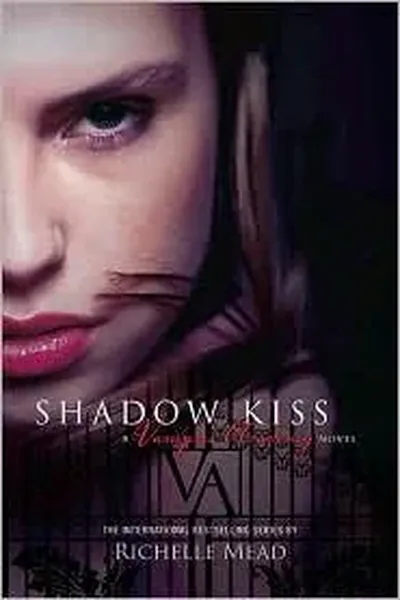




More Free Magic & Ritual Books
View all →