Sacred Home
 82
82

Sacred Home
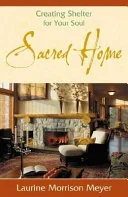
Laurine Morrison Meyer's "Sacred Home" approaches the often-overlooked spiritual dimensions of domestic life with a scholarly yet accessible tone. The book's strength lies in its meticulous cataloging of Western folk traditions related to home protection and consecration, offering a valuable resource for understanding ancestral practices. Meyer's integration of archetypal design styles, particularly her discussion of how to align these with individual spiritual needs, provides a unique framework for personal application. However, the sheer breadth of traditions covered can sometimes lead to a lack of depth in specific areas, making it more of an introductory survey than an exhaustive study. The section detailing the "four archetypal design styles" is a concrete example of a concept that, while intriguing, might benefit from more extensive elaboration for readers seeking profound design guidance. Despite this, "Sacred Home" serves as a useful primer for anyone looking to connect their living space with deeper spiritual currents.
📝 Description
82
Published in 2004, Laurine Morrison Meyer's Sacred Home details Western religious and folk practices for the domestic sphere.
Sacred Home examines traditions focused on safeguarding, cleansing, and consecrating the home environment. The book connects historical beliefs with practical application, suggesting methods for creating a sanctuary that supports spiritual well-being. It is intended for individuals interested in the intersection of spirituality and domestic life, appealing to those seeking to imbue their living spaces with protective energies or to understand the historical and cultural significance of home rituals. Readers interested in comparative religion, folk magic, and interior design principles that align with spiritual values will find it particularly relevant.
Meyer's work draws from a long lineage of Western spiritual thought, including pre-Christian animistic beliefs, medieval protective charms, and later devotional practices. The book situates these traditions within a broader understanding of how sacredness has been perceived and cultivated in domestic settings across centuries, particularly within European cultures. It acknowledges the enduring human need to create havens of peace and spiritual resonance. The core concepts revolve around the home as a locus of spiritual power and personal growth, requiring intentional cultivation.
This book enters the tradition of Western esotericism by focusing on the application of spiritual principles to the everyday domestic environment. It draws from a lineage that includes folk magic, pre-Christian European spiritual practices, and devotional traditions. The emphasis is on the home as a site of personal spiritual power and intentional cultivation, connecting practical ritual with symbolic meaning. It reflects a broader esoteric concern with creating sacred space and aligning the physical environment with inner spiritual needs.
💡 Why Read This Book?
• Learn specific historical rituals and prayers for home purification, such as those found in European folk traditions described in the book, to actively cleanse your living space. • Discover how to integrate four archetypal design styles, as outlined by Meyer, into your home's aesthetic to create an environment that supports your personal spiritual journey. • Gain an understanding of Western religious and folk beliefs regarding the sanctity of the home, offering a new perspective on your personal dwelling's energetic significance.
⭐ Reader Reviews
Honest opinions from readers who have explored this book.
❓ Frequently Asked Questions
What specific Western folk traditions does Sacred Home examine for home protection?
The book details various traditions, including practices drawn from pre-Christian European beliefs and medieval European protective charms, illustrating how these were historically used to safeguard domestic spaces.
How does Laurine Morrison Meyer define the "four archetypal design styles"?
Meyer presents four distinct archetypal styles that represent different approaches to home design and spiritual alignment, intended to help readers identify and combine them to suit their personal needs.
When was Sacred Home first published, and what is its primary focus?
First published in 2004, Sacred Home focuses on Western religious and folk traditions concerning home protection, purification, and sanctity, alongside archetypal design principles for creating a nourishing living space.
Can readers use the book to actively purify their homes?
Yes, the book provides an overview of methods and traditions for home purification and consecration, enabling readers to apply historical practices to their own environments for spiritual well-being.
What is the connection between home design and spiritual well-being in this book?
Meyer posits that a home's design can actively nourish the soul. By understanding archetypal styles and personal spiritual needs, readers can create spaces that foster deeper connection and peace.
Is Sacred Home suitable for beginners in esoteric studies?
Yes, its comprehensive overview of Western traditions and clear explanation of concepts make it accessible for those new to esoteric studies interested in the spiritual aspects of home.
🔮 Key Themes & Symbolism
Home as Sacred Space
The central thesis posits the dwelling not merely as shelter but as a vital locus of spiritual energy and personal development. Meyer draws upon Western religious and folk traditions to illustrate how homes have historically been consecrated, purified, and protected. This perspective encourages readers to view their own living spaces as active participants in their spiritual lives, requiring intentional care and attunement to foster well-being and energetic harmony.
Archetypal Design and Personal Style
Meyer introduces four archetypal design styles, presenting them as frameworks for understanding how physical spaces can influence our inner states. The book guides readers in identifying which of these archetypes, or combinations thereof, best align with their individual spiritual needs and personality. This approach moves beyond mere aesthetics, suggesting that intentional design choices can profoundly impact the soul's nourishment and the creation of a truly sacred home environment.
Western Folk and Religious Traditions
This theme explores a broad spectrum of Western spiritual practices, from ancient protective charms and pre-Christian animistic beliefs to later devotional customs. The work meticulously surveys how different cultures and historical periods conceived of safeguarding and sanctifying the domestic realm. Meyer highlights the enduring human impulse to create havens of peace and spiritual resonance within the home, grounding modern aspirations in historical precedent.
Rituals of Purification and Protection
Central to the concept of a sacred home are the rituals employed to cleanse and protect it. The book explores various methods, both practical and symbolic, drawn from historical Western practices. These range from specific prayers and incantations to the symbolic use of materials and the arrangement of space. The aim is to empower readers with knowledge of these traditions to actively cultivate a sanctuary free from negative influences and filled with positive, life-affirming energy.
💬 Memorable Quotes
Direct passages from the work, attributed to the author.
“The home is not merely a structure of wood and stone, but a living entity that reflects and influences the souls within.”
— This interpretation emphasizes Meyer's view of the home as an active, almost sentient space. It suggests that the dwelling's condition and energetic atmosphere are not passive backdrops but dynamic forces that shape the inhabitants' spiritual and emotional lives.
“To sanctify one's hearth is to invite divine blessing and ward off unseen disturbances.”
— This highlights the protective and spiritual function of domestic rituals. It suggests that actively performing acts of consecration, like those focused on the hearth, serves a dual purpose: attracting benevolent spiritual influences and creating a barrier against negative energies.
“The wisdom of purification rituals passed down through generations offers potent tools for modern living.”
— This interpretation underscores the relevance and efficacy of ancient practices for contemporary life. It suggests that traditional methods of cleansing and consecrating spaces hold practical value even in the modern era for maintaining spiritual health.
“Every corner of the home can become a sanctuary, imbued with intention and protected by sacred energies.”
— This statement conveys the potential for transforming any living space into a sacred environment. It emphasizes the power of focused intention and the application of protective spiritual principles to elevate the ordinary home into a place of peace and refuge.
💡 Key Ideas
Editorial paraphrase of the work's core concepts — not direct quotes.
Understanding the archetypal currents in design allows for the conscious creation of a space that truly nourishes the soul.
This paraphrased concept points to the book's core principle of aligning interior design with psychological and spiritual needs. It implies that by recognizing universal design patterns, one can intentionally craft an environment that fosters inner growth and well-being.
🌙 Esoteric Significance
Tradition
The work is situated within the broad stream of Western Esotericism, drawing heavily from folk magic, pre-Christian European traditions, and domestic devotional practices. It doesn't strictly adhere to a single lineage like Hermeticism or Gnosticism but synthesizes elements that emphasize the sacredness of the mundane and the power of the home as a spiritual locus. It aligns with traditions that view the physical environment as a reflection of and influence upon the spiritual state, promoting the idea of conscious creation and energetic management within the domestic realm.
Symbolism
Key symbols often revolve around the hearth as the traditional center of home and family life, representing warmth, sustenance, and protection. The concept of 'thresholds'—doorways and windows—also features prominently, symbolizing the boundaries between the inner sanctuary and the outer world, and the points through which energies can enter or be repelled. Water, often used in purification rituals, serves as a symbol of cleansing, renewal, and emotional balance within the home.
Modern Relevance
Contemporary thinkers and practitioners in areas such as modern paganism, ecopsychology, and conscious living draw inspiration from "Sacred Home." Its emphasis on creating intentional living spaces speaks to the growing interest in mindfulness, holistic well-being, and the psychological impact of environments. Interior designers and decorators focusing on 'soulful' or 'energetic' design also find value in its synthesis of historical practices and archetypal principles for creating nurturing domestic spaces.
👥 Who Should Read This Book
• Individuals interested in Western folk magic and pre-Christian European spiritual practices related to domestic life, seeking to understand historical methods of home protection and consecration. • Readers exploring the intersection of interior design, psychology, and spirituality, who wish to learn how to create living spaces that actively support their well-being and personal growth. • Those seeking to imbue their homes with a greater sense of sacredness and personal meaning, moving beyond purely functional or aesthetic considerations to cultivate a true sanctuary.
📜 Historical Context
Published in 2004, Laurine Morrison Meyer's "Sacred Home" emerged during a period of renewed interest in spirituality and alternative living practices. It tapped into a broader cultural current that sought to reconnect with older traditions and find meaning beyond mainstream consumerism. The work positioned itself within the esoteric and New Age movements, which often looked to historical Western folk magic and pre-modern religious practices for guidance. While figures like Doreen Valiente had already explored witchcraft and folk traditions, Meyer focused specifically on the domestic sphere, bridging the gap between esoteric studies and practical home life. The book offered a counterpoint to purely secular or purely modern interior design philosophies, suggesting that the home's spiritual dimension was as crucial as its aesthetic or functional aspects. Its reception likely appealed to readers of authors like Margot Adler or authors within the broader pagan and Wiccan communities who were exploring ancestral roots.
📔 Journal Prompts
Reflect on the hearth as a symbol of home's energetic center within your dwelling.
Consider the symbolic meaning of your home's thresholds – doorways and windows.
Identify which of the four archetypal design styles described by Meyer most closely aligns with your current home environment.
Explore personal rituals of purification that could be adapted for your living space.
How does the concept of 'sanctity' apply to the different areas of your home?
🗂️ Glossary
Archetypal Design Styles
Four distinct categories of interior design principles identified by Meyer, each corresponding to different psychological and spiritual energies, intended to help readers create a home that speaks to their inner self.
Home Protection
Practices, rituals, and beliefs, often derived from folk traditions, aimed at safeguarding the domestic environment from negative influences, energies, or perceived threats.
Purification Rituals
Ceremonies or actions performed to cleanse a space of stagnant or negative energies, often involving symbolic elements like water, smoke, or specific prayers, to restore balance and sanctity.
Sanctity of Home
The concept of the home as a sacred or holy place, deserving of reverence and intentional cultivation to foster spiritual well-being, peace, and connection.
Western Folk Traditions
A broad category encompassing the customs, beliefs, and practices passed down through generations in various European cultures, often related to nature, magic, and domestic life.
Nourish the Soul
The process by which a living space, through its design, energy, and the intentions placed upon it, actively supports and enhances the spiritual, emotional, and psychological well-being of its inhabitants.
Hearth
Historically the fireplace or central fire of a home, symbolizing warmth, sustenance, family, and the sacred heart of the domestic dwelling.
This book appears in 1 collection
🔮 Readers Also Liked
Browse all →









From the “Sacred Geometry” Collection
View all →







More Free Occult Philosophy Books
View all →