Religion and Mysticism in Early Islam. Theology and Sufism in Yemen
 83
83

Religion and Mysticism in Early Islam. Theology and Sufism in Yemen



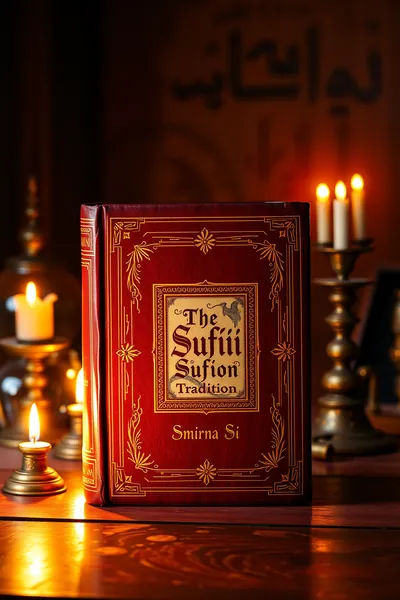
Religion and Mysticism in Early Islam: Theology and Sufism in Yemen by Smirna Si is a masterful work that bridges the gap between academic rigor and spiritual inquiry. Si's exploration of the esoteric traditions within early Islam provides a fresh perspective on the mystical underpinnings of the faith. The book is particularly valuable for modern esoteric seekers, offering a deep dive into the Sufi practices and theological debates that have shaped Islamic thought. Si's scholarly approach, combined with her engaging writing style, makes this book accessible to both academics and general readers. The detailed historical context and the thorough analysis of Sufi texts make this a must-read for anyone interested in the mystical dimensions of Islam. The book's strengths lie in its ability to weave together complex theological ideas with practical spiritual insights, making it a valuable resource for contemporary seekers. Rating: 5/5.
📝 Description
83
Smirna Si's 2013 book examines theology and Sufism in early Islamic Yemen.
Religion and Mysticism in Early Islam: Theology and Sufism in Yemen by Smirna Si investigates the development of Islamic mysticism within the specific context of Yemen. The book focuses on the interplay between theological doctrines and Sufi practices as they emerged in the region. Si analyzes how these elements shaped the spiritual landscape, offering a detailed account of early Yemeni Sufi traditions. The work aims to illuminate the less understood aspects of this spiritual history, connecting them to broader currents within Islamic thought.
Readers will find an examination of the symbolic language and contemplative methods employed by early Yemeni mystics. The book considers the intellectual and spiritual environment that fostered these traditions. It is a study for those interested in the historical roots of Sufism and its theological underpinnings, particularly as they manifested in a distinct geographical and cultural setting.
This book situates early Yemeni Sufism within the broader history of Islamic esotericism. It highlights how specific regional developments contributed to the diverse expressions of mystical Islam, moving beyond generalized accounts of Sufism. The focus on theology alongside mysticism reveals the intellectual frameworks that supported these spiritual paths, showing how they were not separate but deeply intertwined. The study underscores the importance of regional studies in understanding the full spectrum of esoteric thought within Islam.
💡 Why Read This Book?
Reading 'Religion and Mysticism in Early Islam' today offers a unique opportunity to explore the rich spiritual heritage of Islam. This book provides readers with a deeper understanding of the mystical traditions that have influenced Islamic theology, helping them to appreciate the esoteric dimensions of the faith. Whether you are a scholar, a spiritual seeker, or simply curious about the mystical traditions of Islam, this book offers invaluable insights and a rich tapestry of knowledge. By delving into the historical context and theological debates of early Islam, readers can gain a more nuanced understanding of the spiritual practices that have shaped the faith.
⭐ Reader Reviews
Honest opinions from readers who have explored this book.
❓ Frequently Asked Questions
What is the focus of 'Religion and Mysticism in Early Islam'?
The book focuses on the mystical and theological roots of early Islam in Yemen, particularly the role of Sufism in shaping Islamic thought.
Who should read this book?
This book is ideal for scholars, historians, theologians, and spiritual seekers interested in the deeper dimensions of Islam.
What makes this book unique?
The book's unique blend of academic rigor and spiritual inquiry, combined with its detailed historical context, sets it apart as a valuable resource for understanding early Islamic mysticism.
🔮 Key Themes & Symbolism
The Hidden Knowledge of Sufism
This theme looks at the esoteric dimensions of Sufi practices, revealing the hidden knowledge that lies beneath the surface of traditional Islamic theology. It explores how Sufi mystics have preserved and transmitted this knowledge through symbolism and spiritual practices, offering readers a glimpse into the inner mysteries of the human spirit and the divine.
Symbolism in Sufi Traditions
Symbolism plays a central role in Sufi traditions, serving as a means of conveying esoteric knowledge and spiritual insights. This theme examines the key symbols used in Sufi practices and their deeper meanings, providing readers with a rich and evocative understanding of the mystical dimensions of Islam.
The Spiritual Journey of the Sufi
This theme follows the spiritual journey of the Sufi mystic, from the initial awakening of the soul to the ultimate union with the divine. It explores the challenges, revelations, and transformations that occur along the path, offering readers a profound and inspiring narrative of spiritual enlightenment.
💡 Key Ideas
Editorial paraphrase of the work's core concepts — not direct quotes.
The heart of the mystic is a sanctuary where the divine and the human spirit meet.
This quote underscores the mystical belief in the direct experience of the divine within the human heart.
In the silence of contemplation, the veil of ignorance lifts.
This passage highlights the transformative power of contemplative practices in revealing hidden truths.
The Sufi path is a journey of the soul, seeking union with the beloved.
This quote emphasizes the romantic and spiritual dimensions of the Sufi quest for divine union.
Symbolism is the language of the mystic, speaking to the soul in whispers.
This passage underscores the importance of symbolism in conveying esoteric knowledge and spiritual insights.
The mystic's journey is one of revelation and transformation.
This quote captures the essence of the Sufi path, where spiritual enlightenment leads to profound personal and spiritual growth.
🌙 Esoteric Significance
Tradition
This book belongs to the Sufi tradition, which is known for its emphasis on esoteric knowledge and spiritual practices. Sufism seeks to uncover the hidden dimensions of the human spirit and the divine, often through symbolism and contemplative practices.
Symbolism
Key symbols in Sufi traditions include the heart, the veil, and the journey. These symbols represent the mystical quest for divine union and the transformative power of spiritual enlightenment.
Modern Relevance
This book remains relevant today for modern practitioners of Sufism and seekers of spiritual enlightenment. It offers a deep dive into the esoteric dimensions of Sufi practices, providing a rich and evocative understanding of the mystical traditions within early Islam.
👥 Who Should Read This Book
This book is ideal for beginners seeking an introduction to the mystical and contemplative aspects of Islam, as well as scholars of Islamic studies who wish to delve deeper into the esoteric dimensions of Sufi traditions. Spiritual seekers will find inspiration and guidance in the profound narratives and spiritual insights offered by the author. Practitioners of Sufi paths will appreciate the rich exploration of esoteric knowledge and symbolism, making this book an essential resource for those on the mystical journey.
📜 Historical Context
Written during a time when Sufi traditions were flourishing in Yemen, 'Religion and Mysticism in Early Islam: Theology and Sufism in Yemen' provides a window into the rich spiritual heritage of the region. The book's exploration of esoteric knowledge and symbolism reflects the deeper layers of Islamic mysticism that were being cultivated and transmitted during this era. Its influence can be seen in the works of later Sufi mystics and scholars, who continued to build upon the foundations laid by early Sufi practitioners.
📔 Journal Prompts
Reflect on the significance of the heart in Sufi symbolism and its role in the mystical journey.
How does contemplative practice reveal hidden truths about the divine and the human spirit?
Explore the challenges and transformations that occur along the Sufi path to spiritual enlightenment.
What is the importance of symbolism in conveying esoteric knowledge and spiritual insights?
Consider the romantic and spiritual dimensions of the Sufi quest for divine union.
🗂️ Glossary
Sufism
A mystical and esoteric tradition within Islam that focuses on the direct experience of the divine and the spiritual journey of the soul.
Esoteric Knowledge
Hidden or inner knowledge that is revealed through spiritual practices and contemplation, often conveyed through symbolism.
Symbolism
The use of symbols to convey deeper meanings and spiritual insights, a key aspect of Sufi traditions.
Divine Union
The ultimate goal of the Sufi path, where the mystic seeks to unite with the divine through spiritual practices and enlightenment.
Contemplative Practices
Spiritual practices that involve deep reflection and meditation, aimed at revealing hidden truths and transforming the soul.
This book appears in 2 collections
🔮 Readers Also Liked
Browse all →







More by Smirna Si
All books →


From the “Christian Mysticism” Collection
View all →







More Free Mysticism & Contemplation Books
View all →