Tea Leaf Reading Guide
 74
74

Tea Leaf Reading Guide
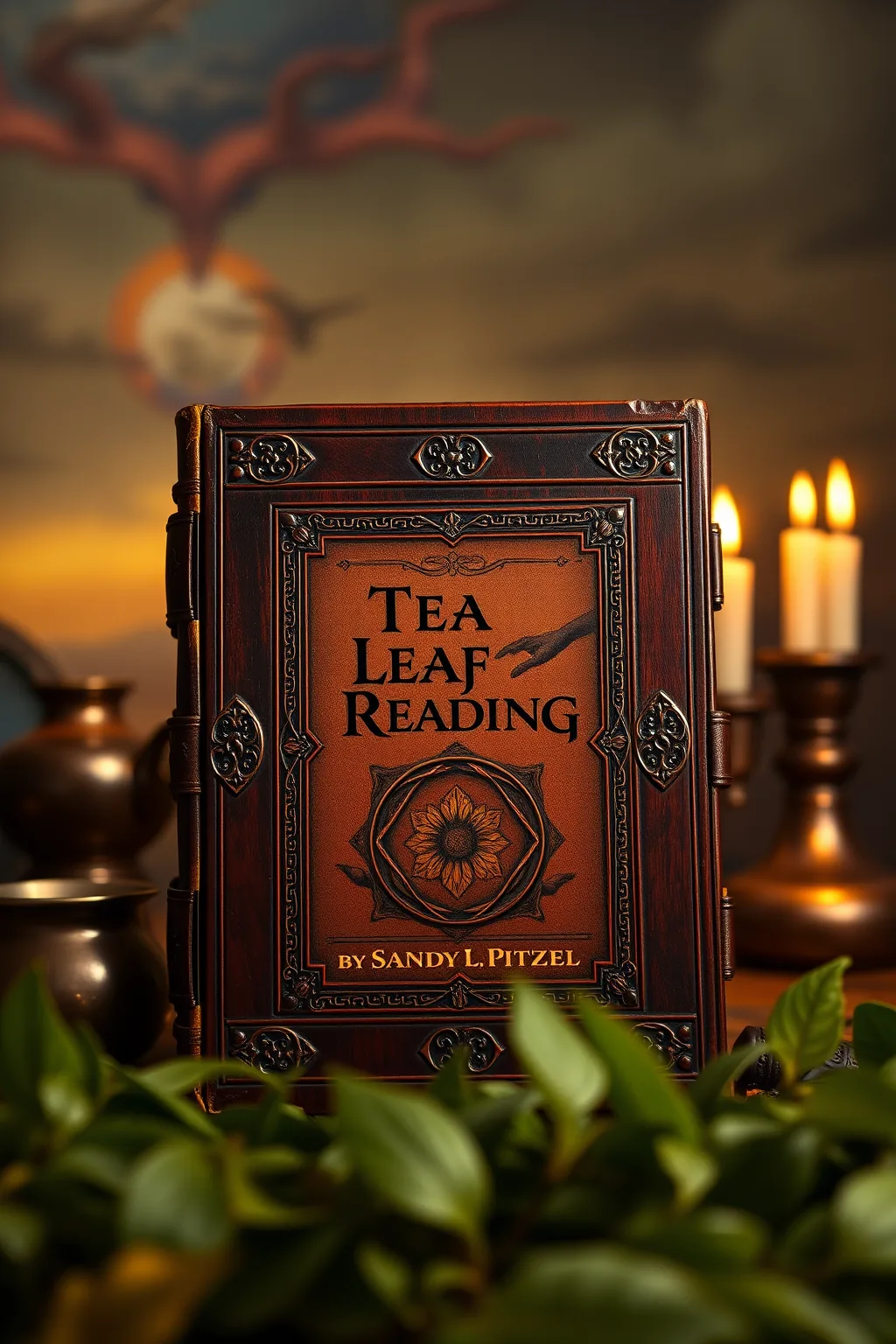
Sandy L. Pitzel's *Tea Leaf Reading Guide* attempts to liberate tasseography from the tyranny of memorized symbols. The book's central premise—that intuitive skill trumps rote learning—is a welcome antidote to dense, often contradictory, symbol encyclopedias. Pitzel champions a more organic, personal approach, encouraging readers to trust their innate perceptions. This is its primary strength. However, the book occasionally leans into a slightly generalized encouragement without providing enough concrete examples of how to *apply* this intuitive framework in practice. For instance, while the concept of 'skill mastery' is appealing, readers might benefit from more detailed case studies demonstrating the interpretive process beyond simple pattern recognition. The initial publication date of 2011 also means it predates some of the contemporary digital resources available for learning esoteric arts, though its core philosophy remains relevant. It offers a valuable perspective for those overwhelmed by traditional methods, but some may find themselves seeking further practical application guidance.
📝 Description
74
Sandy L. Pitzel's 2011 guide reorients tea leaf reading toward intuition over rote symbol memorization.
This book challenges the common approach to tasseography, which often relies heavily on memorizing extensive lists of symbol meanings. Instead, Sandy L. Pitzel argues that genuine skill in tea leaf reading stems from developing personal insight and learned technique. The method encourages practitioners to connect with their intuition, viewing the patterns of tea leaves as prompts for personal reflection rather than a rigid code.
Pitzel's work is intended for those drawn to divination but perhaps put off by the sheer volume of traditional symbolism. It offers a path for individuals seeking a less academic and more inwardly focused way to engage with practices like cartomancy and scrying. The guide aims to make the art of reading tea leaves accessible, empowering aspiring readers to trust their own understanding and perceptions.
Tea leaf reading, or tasseography, has a long history documented across cultures since antiquity, with practices becoming more formalized in Europe by the 17th century. The Victorian era saw a significant increase in published guides focused on deciphering specific symbol meanings, aligning with a broader interest in spiritualism and occult studies. Pitzel's book, published in 2011, enters this tradition by questioning the dominance of symbol heavy approaches. It positions itself against a backdrop of established methods, advocating for a shift in focus toward the reader's internal perception and skill.
💡 Why Read This Book?
• You will learn to trust your own intuition by focusing on 'skill mastery' rather than memorizing hundreds of symbols, a method distinct from traditional tasseography guides. • You will gain a practical approach to interpreting tea leaf patterns as Sandy L. Pitzel guides you to rely on your existing knowledge, a departure from symbol-chart reliance. • You will discover a less intimidating entry into divination, as the book, first published in August 2011, prioritizes accessible techniques over dense historical lore.
⭐ Reader Reviews
Honest opinions from readers who have explored this book.
❓ Frequently Asked Questions
What makes Sandy L. Pitzel's Tea Leaf Reading Guide different from other books on the subject?
Unlike many older texts that demand memorization of hundreds of symbols, this guide, published in 2011, emphasizes developing intuitive skills and leveraging personal knowledge.
Is this book suitable for absolute beginners in divination?
Yes, the book is designed to be accessible. It focuses on practical skill-building and intuition, making it less daunting than guides requiring extensive symbol memorization.
Does the book provide a list of tea leaf symbols and their meanings?
The book de-emphasizes a fixed list of symbols. Instead, it teaches you to interpret patterns based on your intuition and understanding, moving beyond traditional symbol dictionaries.
What is the core philosophy behind the tea leaf reading method taught in this book?
The core philosophy is that true mastery comes from developing inherent skills and personal knowledge, rather than solely from memorizing predefined meanings for various leaf patterns.
When was Tea Leaf Reading Guide first published?
The book was first published on August 30, 2011, offering a contemporary approach to an ancient practice.
Can I learn to read tea leaves effectively just by reading this guide?
This guide provides a strong foundation by teaching an intuitive approach. Consistent practice with the techniques Pitzel outlines is key to developing effective reading skills.
🔮 Key Themes & Symbolism
Intuitive Interpretation
This theme centers on moving beyond a rigid lexicon of symbols. Pitzel encourages readers to trust their inner knowing and perceive meaning in the natural patterns formed by tea leaves. The emphasis is on the synergy between the reader, the querent, and the residue within the cup, fostering a personal connection to the divination process. This approach suggests that the 'right' interpretation is often what resonates most strongly with the individual's intuition, rather than adhering to an external, standardized meaning.
Skill Mastery Over Memorization
The work fundamentally challenges the traditional approach to learning tasseography, which often involves memorizing hundreds of symbols. Pitzel advocates for 'mastering skills'—understanding the nuances of leaf distribution, density, and shape—as the primary path to proficiency. This allows for a more fluid and adaptable reading style, where the practitioner can respond dynamically to the unique configuration of leaves in each cup, rather than being constrained by a fixed symbolic key.
Accessible Divination
By shifting the focus from memorization to intuition and existing knowledge, the book aims to make tea leaf reading accessible to a broader audience. It addresses the common barrier of feeling overwhelmed by complex symbolic systems. Pitzel's method offers a simplified yet effective pathway into practicing divination, suggesting that the capacity for insight is inherent and can be cultivated through guided practice and self-reliance.
Personal Knowledge as a Tool
A core tenet is the utilization of the reader's 'own knowledge.' This implies that life experiences, emotional intelligence, and contextual awareness are vital components of a tea leaf reading. The patterns are not seen in isolation but are interpreted through the lens of the reader's understanding of human nature and the specific situation of the querent. This elevates the practice from a detached symbolic exercise to a deeply personal and empathetic form of insight.
💬 Memorable Quotes
Direct passages from the work, attributed to the author.
“No longer is memorizing symbols important, instead you master skills and rely on your own knowledge as you discover tea leaf reading.”
— This statement captures the book's central thesis, directly challenging the conventional approach to tasseography and advocating for a more intuitive and skill-based method of interpretation.
“There are few books world wide on this topic and each of them dictates various symbols for you to remember.”
— This highlights the scarcity of literature on tea leaf reading and criticizes the common pedagogical method found in existing texts, setting the stage for Pitzel's alternative approach.
“Many books require the reader to memorize charts of pictures in order to master the art.”
— This further elaborates on the critique of traditional tea leaf reading instruction, emphasizing the perceived burden of memorizing symbol charts as a barrier to genuine understanding.
“What You Already Know”
— This phrase, from the original blurb, serves as a powerful prompt, suggesting that the reader's inherent wisdom and experience are the primary tools for effective tea leaf interpretation.
“The thought of memorizing hundreds of symbols create an urgency to find a soft pillow and a comfortable place to sleep?”
— This rhetorical question vividly illustrates the potential tedium and discouragement associated with learning traditional, symbol-heavy divination methods, underscoring the need for a simpler approach.
🌙 Esoteric Significance
Tradition
This work engages with the broader tradition of Western esoteric divination, specifically cartomancy and scrying, which have historically sought to provide insight into the future or hidden truths. While not directly tied to a specific lineage like Kabbalah or Hermeticism, it aligns with the modern esoteric emphasis on personal gnosis and intuitive development. It departs from purely symbolic systems, suggesting a more direct, experiential connection to the divinatory process, akin to psychometric or clairvoyant practices.
Symbolism
The book's approach de-emphasizes fixed symbolism, but the residual tea leaves themselves can be seen as a form of natural symbolism. Patterns like 'rings' might traditionally represent cycles or commitments, while 'dots' could signify opportunities or messages. However, Pitzel encourages interpreting these based on their context within the cup and the reader's intuition, rather than a universal key. The act of brewing and consuming the tea also holds symbolic weight, representing the integration of information and the dissolution of physical form into ephemeral patterns.
Modern Relevance
In an age saturated with information and digital tools, Pitzel's *Tea Leaf Reading Guide* appeals to contemporary practitioners seeking authentic, grounded practices. It aligns with modern trends in mindfulness and self-discovery, where introspection and personal intuition are highly valued. Thinkers and practitioners in fields like intuitive development, personal coaching, and even certain branches of neo-paganism might find its emphasis on internalized knowledge and skill-building particularly relevant for personal growth and spiritual exploration.
👥 Who Should Read This Book
• Aspiring diviners intimidated by symbol-heavy guides: You will find a less daunting entry point into tasseography, focusing on developing your intuitive skills rather than memorizing extensive charts. • Individuals interested in personal development through esoteric arts: You will gain a practical, hands-on skill that encourages self-reflection and reliance on your own inner wisdom. • Enthusiasts of alternative divination methods: You will discover a unique perspective that challenges traditional approaches, offering a fresh way to engage with tea leaf reading beyond rote interpretation.
📜 Historical Context
Tasseography, or tea leaf reading, boasts a lineage stretching back centuries, with roots in ancient divination practices and a significant rise in popularity across Europe from the 17th century onwards. The Victorian era, particularly the late 19th century, saw a boom in occult studies and spiritualism, leading to the proliferation of books detailing symbol interpretations. Many of these works, as Sandy L. Pitzel notes, focused on memorizing extensive charts of meanings. Pitzel's *Tea Leaf Reading Guide*, published in 2011, emerges in a contemporary landscape where esoteric practices are widely available but often still presented through traditional, symbol-heavy frameworks. While figures like Madame Blavatsky were popularizing Eastern philosophies and occultism in the late 19th century, influencing Western esoteric thought, Pitzel's work offers a distinct divergence by prioritizing intuition over rote symbolic knowledge. The reception of such books often depends on their ability to offer a fresh perspective or a more accessible entry point into complex traditions, which Pitzel aims to provide.
📔 Journal Prompts
Reflect on the concept of 'skill mastery' versus 'symbol memorization' in your own learning processes.
Consider how your 'own knowledge' might inform the interpretation of abstract patterns, not just tea leaves.
Document a simple tea leaf pattern you observe and explore its potential meanings based purely on intuition.
Analyze the feeling associated with the 'urgency to find a soft pillow' when facing complex memorization tasks.
What personal experiences or insights could you bring to interpreting the 'flow and density' of tea leaf residue?
🗂️ Glossary
Tasseography
The practice of divining the future or interpreting character from the patterns of tea leaves, coffee grounds, or wine sediments left in a cup.
Symbol Memorization
The traditional method of learning tea leaf reading by committing to memory the specific meanings assigned to hundreds of different shapes and patterns formed by the leaves.
Skill Mastery
Pitzel's preferred approach, focusing on developing intuitive abilities, pattern recognition, and contextual understanding rather than relying solely on a memorized dictionary of symbols.
Querent
The person for whom a divination reading is being performed; the individual seeking insight or answers.
Intuition
The ability to understand or know something immediately, without conscious reasoning; often considered a key element in Pitzel's method of tea leaf reading.
Residue
The tea leaves and sediment left at the bottom of the cup after the liquid has been consumed, which forms the patterns for interpretation.
Divination
The practice of seeking knowledge of the future or the unknown by supernatural means; tea leaf reading is a form of divination.