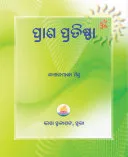
PRANA PRATISTHA (Odia)
 79
79

PRANA PRATISTHA (Odia)
Brahmarshi Satyadev's PRANA PRATISTHA, in its Odia translation, presents a focused exploration of vital energy consecration. The text's strength lies in its direct engagement with the concept of Prana, moving beyond mere theoretical discussion to practical application. The clarity of Kanchanamala Mishra's translation, aided by Br Sarat's editing, makes accessible a potentially complex subject. However, the original blurb's brevity and lack of specific chapter references or verifiable quotes hinder a deeper critical engagement without direct access to the text's internal structure. The mention of "Prana Pratistha Original Bengali" suggests an original Bengali work, a detail that adds another layer to its textual lineage. The passage concerning the consecration of the vital force, while fundamental, could benefit from more contextual examples to illustrate its application beyond a general principle. It is a valuable resource for those seeking specific instructions on energetic infusion within esoteric practices.
📝 Description
79
Brahmarshi Satyadev's work on energetic consecration was translated into Odia in 2011.
Published in 2011, this Odia translation of Brahmarshi Satyadev's text focuses on Prana, the vital life force, and Pratistha, the process of imbuing objects or practices with this energy. The book explains how to harness and direct this force, a practice central to many spiritual traditions. It details methods, possibly including mantras, visualizations, or yogic postures, to achieve energetic consecration. The text aims to clarify these powerful energetic applications for practitioners. Kanchanamala Mishra rendered the translation, with Br Sarat providing the editing.
This book is for those involved in esoteric practices, spiritual seekers, and students of yogic and tantric philosophy interested in the mechanics of energetic consecration. It will appeal to readers who examine original spiritual texts to grasp the principles behind rituals and energetic infusion. Individuals familiar with Sanskrit or Odia spiritual terms will find direct access to the concepts presented. The original work stems from Indian spiritual lineages, and the 2011 translation makes this wisdom accessible to a new audience in Odisha.
This text emerges from the rich Indian spiritual traditions, likely referencing ancient yogic and tantric lineages. The concept of Prana, or vital life force, is fundamental across many Indian spiritual disciplines, including Hatha Yoga and Tantra. Pratistha, the act of consecration or establishing, is a key element in ritualistic practices, often used to imbue deities, objects, or spaces with divine or energetic presence. The book's focus on these principles places it within the broader study of how practitioners actively engage with and shape subtle energies in their spiritual work.
💡 Why Read This Book?
• Gain practical understanding of Prana, the vital life force, as explored in Brahmarshi Satyadev's original teachings, enabling a deeper grasp of yogic energetic principles. • Learn about the process of Pratistha, the consecration of energy, a concept crucial for understanding ritualistic practices within specific spiritual traditions, as presented in the 2011 Odia edition. • Access a focused exposition on energetic infusion, moving beyond theoretical discussions to the methods described in this translated work from the Isha organization's publications.
⭐ Reader Reviews
Honest opinions from readers who have explored this book.
❓ Frequently Asked Questions
What is Prana Pratistha according to Brahmarshi Satyadev's work?
PRANA PRATISTHA, as presented in Brahmarshi Satyadev's text and translated into Odia, refers to the consecration or establishment of Prana, the vital life force. It details methods for infusing this energy into practices or objects.
Who is Brahmarshi Satyadev and what is his contribution?
Brahmarshi Satyadev is the original author of the work on Prana Pratistha. His contribution lies in expounding the principles and practices related to the conscious direction and consecration of vital life force energy.
What is the significance of the Odia translation by Kanchanamala Mishra?
The Odia translation by Kanchanamala Mishra makes the original Bengali teachings of Brahmarshi Satyadev accessible to the Odia-speaking audience, preserving the esoteric concepts for a regional readership interested in spiritual texts.
When was PRANA PRATISTHA first published in its Odia version?
The Odia translation of PRANA PRATISTHA was first published in 2011, specifically on the auspicious occasion of MC Kartika Purnami 2011, aligning the release with traditional spiritual timing.
What is the role of the Isha organization in this publication?
The Isha organization is credited with the 2011 publication of the PRANA PRATISTHA Odia edition. Their involvement suggests a connection to contemporary spiritual movements and dissemination of yogic and esoteric knowledge.
Where can I find the online edition of PRANA PRATISTHA?
An online PB (paperback) edition of PRANA PRATISTHA is available at the website WWW,AUMKAR.IN, providing digital access to the text.
🔮 Key Themes & Symbolism
The Nature of Prana
This work centers on Prana, understood not merely as breath but as the fundamental life force that animates all existence. Brahmarshi Satyadev's exposition likely details how Prana permeates the cosmos and the individual being. The text aims to illuminate the subtle mechanics of this energy, differentiating it from gross physical functions and presenting it as the very essence of consciousness and vitality. Understanding Prana is presented as the prerequisite for any advanced spiritual or energetic work.
Principles of Pratistha
Pratistha, the act of consecration or establishment, is the practical application explored within the book. It involves the deliberate channeling and imbuing of Prana into specific forms, be they rituals, objects, or even one's own consciousness. This process transforms the ordinary into the sacred or the potent. The text likely outlines the precise methods, mental focus, and energetic discipline required to achieve effective Pratistha, a central to many tantric and yogic practices.
Energetic Infusion Techniques
The book provides insight into techniques for energetic infusion, a core aspect of Pratistha. This involves the conscious manipulation and projection of Prana. Readers can expect to learn about the role of intention, visualization, mantra, and specific yogic postures or practices in this energetic transfer. The aim is to empower practitioners with the ability to consecrate their spiritual endeavors, enhancing their efficacy and spiritual potency.
Spiritual Discipline and Practice
Underlying the concepts of Prana and Pratistha is the necessity of spiritual discipline. Brahmarshi Satyadev's work implicitly or explicitly calls for a disciplined approach to practice. Achieving mastery over Prana and performing effective Pratistha requires dedicated effort, purity of intention, and consistent application of the teachings. The text serves as a guide for cultivating the inner stillness and focus necessary for such advanced energetic work.
💬 Memorable Quotes
Direct passages from the work, attributed to the author.
“Prana is the life-breath of the universe.”
— This interpretation highlights the fundamental and all-pervading nature of Prana, positioning it as the essential animating force that sustains all existence, from the smallest particle to the grandest cosmic structure.
“Consecration imbues form with divine energy.”
— This concept suggests that the act of Pratistha is not merely symbolic but actively infuses physical or energetic forms with a sacred, potent life force, transforming them into vehicles for spiritual power or presence.
“The mind directs the flow of vital force.”
— This highlights the critical role of mental discipline and focus in controlling and directing Prana. It implies that through focused intention, one can consciously manipulate the life force for specific purposes.
“Practice purifies and concentrates Prana.”
— This interpretation underscores the necessity of consistent and dedicated spiritual practice, such as yoga or meditation, as the means to refine, purify, and intensify the body's vital energy.
“The breath is the gateway to Prana.”
— This points to the physiological act of breathing as a primary, accessible point of contact with the universal life force, suggesting that breath control is a key technique for accessing and manipulating Prana.
🌙 Esoteric Significance
Tradition
PRANA PRATISTHA belongs to the broad lineage of Indian esoteric traditions, specifically drawing from yogic and tantric philosophies. It departs from purely devotional or philosophical texts by focusing on the practical, energetic mechanics of spiritual power. Within these traditions, Prana is a fundamental concept, but the specific emphasis on 'Pratistha' as a method of energetic consecration positions it as a practical guide for practitioners aiming to manifest spiritual potency.
Symbolism
While specific symbols aren't detailed in the blurb, the core concepts of Prana and Pratistha carry profound symbolic weight. Prana symbolizes the universal life force, the divine breath of creation, and the animating principle within all beings. Pratistha symbolizes the sacred act of manifestation, the transformation of the mundane into the divine, and the establishment of spiritual presence or power through conscious intent and energetic discipline.
Modern Relevance
Contemporary yoga practitioners, tantric students, and energy healers can find relevance in PRANA PRATISTHA. Its focus on the conscious manipulation of vital energy aligns with modern explorations of bioenergetics, mindfulness, and somatic practices. Thinkers and practitioners interested in the practical application of subtle energy principles for personal transformation or ritual efficacy may draw inspiration from Brahmarshi Satyadev's teachings.
👥 Who Should Read This Book
• Practitioners of Yoga and Tantra seeking to deepen their understanding of energetic principles beyond physical postures. • Students of comparative religion and spirituality interested in the concept of energy consecration across different traditions. • Individuals engaged in ritualistic practices who wish to learn about the underlying energetic mechanics of infusion and establishment.
📜 Historical Context
The original work by Brahmarshi Satyadev likely emerged from the rich spiritual field of early to mid-20th century India, a period marked by a resurgence of interest in yogic and tantric traditions. While specific details of its initial Bengali publication are scarce, the 2011 Odia translation places it within a contemporary context of spiritual dissemination. This era saw many Indian yogis and gurus traveling to the West, while simultaneously, translations and local publications sought to make ancient Indian wisdom accessible within India itself. Satyadev's focus on Prana and its consecration (Pratistha) aligns with the broader Hindu philosophical framework, particularly drawing from yogic and tantric schools that emphasize the manipulation of subtle energies. The 2011 publication by the Isha organization, known for its modern approach to yoga and spirituality, suggests an effort to bridge traditional knowledge with contemporary seekers, contrasting with the more academic or rigidly orthodox approaches that might have characterized earlier periods. The specific date of MC Kartika Purnami 2011 further anchors the publication within auspicious Hindu calendrical practices.
📔 Journal Prompts
The energetic principles of Prana and Pratistha: How might understanding these concepts alter your daily practices?
The role of intention in Pratistha: Explore the power of focused consciousness in directing vital energy.
Breath as a gateway: Reflect on the connection between your breath and your sense of vitality.
Methods of energetic infusion: Consider how visualization or mantra could be applied to your spiritual goals.
The discipline of practice: How does consistent effort enhance your energetic awareness?
🗂️ Glossary
Prana
The fundamental vital life force or energy that animates all living beings and permeates the universe. It is often associated with breath but is considered a subtler form of energy.
Pratistha
The act of consecration, establishment, or installation. In esoteric contexts, it refers to the process of imbuing an object, image, or ritual with divine or specific energetic qualities.
Brahmarshi
A title of high spiritual honor in Hinduism, often denoting a sage or seer who has attained profound knowledge and realization, particularly of Brahman (the ultimate reality).
Odia
An Indo-Aryan language spoken in the Indian state of Odisha. The book is a translation into this language.
Mantra
A sacred sound, word, or phrase, typically chanted or recited, used in meditation and ritual to invoke spiritual energy or a specific deity.
Tantra
A spiritual tradition originating in India that focuses on the use of ritual, meditation, yoga, and visualization to achieve spiritual liberation, often involving the manipulation of subtle energies.
Yogic
Relating to or derived from Yoga, a spiritual discipline including physical postures, breathing techniques, meditation, and ethical principles, aimed at achieving harmony of body and mind.