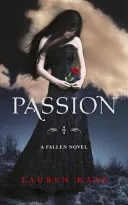
Passion
 73
73

Passion
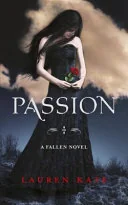
Lauren Kate's "Passion" plunges deeper into the convoluted mythology of the Fallen series, offering a continuation that prioritizes character development over entirely new narrative arcs. The strength lies in its persistent exploration of Luce's past lives, which, while complex, provide a unique lens through which to view her eternal connection with Daniel. However, the narrative occasionally falters under the weight of its own intricate backstory, leading to pacing issues in the middle sections. A particularly effective element is the depiction of Luce's "shadows," tangible representations of her past selves, which manifest her internal conflicts in a visually compelling way, even if the mechanics of their appearance remain somewhat nebulous. The book’s ambition to tie together millennia of romantic destiny is commendable, though it sometimes feels like an elaborate setup for future installments rather than a wholly self-contained experience. It’s a novel for the devoted, offering more of what fans have come to expect from this angel-crossed saga.
📝 Description
73
Lauren Kate's 2011 novel Passion continues the story of Luce and Daniel's eternal love.
Passion, the third book in Lauren Kate's Fallen series, published in 2011, follows Lucinda "Luce" Price as she navigates a world of fallen angels and her own past lives. The narrative expands on the complex relationships and eternal connection Luce shares with Daniel Grigori, a fallen angel bound to her across centuries. As Luce uncovers more about her previous existences and the celestial conflict surrounding them, she must confront the nature of destiny and the choices that shape her fate.
The story unfolds across different historical settings, revealing fragments of Luce's long history with Daniel. It delves into the challenges they face from both divine and infernal forces who seek to control or separate them. The novel centers on themes of enduring love, free will versus predestination, and the consequences of immense power wielded by supernatural beings.
Published in 2011, Passion belongs to the young adult paranormal romance genre, a period marked by popular stories of supernatural beings and intense romantic relationships. Within this trend, the Fallen series engages with ideas of fallen angels, a concept drawn from Abrahamic traditions, and explores their interaction with humanity. The narrative’s focus on reincarnation and soulmates taps into broader esoteric beliefs about eternal connections and cyclical existence. The conflict between divine and infernal powers also reflects common themes found in occult and religious lore.
💡 Why Read This Book?
• Gain insight into the concept of "shadows" as tangible manifestations of past selves, as explored through Luce's experiences, offering a unique perspective on personal history. • Understand the narrative's engagement with the 2011 literary landscape of young adult paranormal romance, particularly its focus on fallen angels and reincarnation. • Explore the intricate lore of the Fallen series, examining how Luce's millennia-spanning relationship with Daniel Grigori functions within the book's thematic exploration of destiny versus free will.
⭐ Reader Reviews
Honest opinions from readers who have explored this book.
❓ Frequently Asked Questions
What is the primary conflict in Lauren Kate's Passion?
The primary conflict in "Passion" (2011) centers on Luce Price's struggle to break free from a cycle of reincarnation and death, driven by an eternal romance with the fallen angel Daniel Grigori and the forces that seek to keep them apart.
How does Passion connect to the Fallen series?
"Passion" is the third book in Lauren Kate's Fallen series, continuing the story of Luce and Daniel after the events of "Fallen" and "Torment," and further developing the mythology of angels and their earthly connections.
What are 'shadows' in the context of Passion?
In "Passion," shadows are depicted as tangible manifestations of Luce's past lives and emotions, often appearing as spectral versions of herself or others, illustrating her internal conflicts and memories.
Who are the main characters in Passion?
The central characters are Luce Price, a mortal girl with a history of reincarnation, and Daniel Grigori, a fallen angel bound to her soul. Other key figures include Cameron Briel and Roland, who play significant roles in Luce's journey.
What is the significance of the year 2011 for this book?
The year 2011 marks the initial publication of "Passion," placing it firmly within the boom of young adult paranormal romance literature that dominated the publishing scene during that period.
Does Passion offer a satisfying conclusion to the series?
"Passion" does not provide a complete conclusion as it is the third book in a series. It advances the overarching plot and character arcs but sets up further developments for the subsequent installments.
🔮 Key Themes & Symbolism
Eternal Romance and Soulmates
The narrative hinges on the concept of an eternal romance between Luce and Daniel, spanning countless lifetimes. This theme explores the idea of soulmates bound by destiny, where their connection transcends time and mortal existence. The work posits that certain bonds are immutable, destined to be rediscovered and reignited across epochs, regardless of intervening obstacles or the nature of the individuals involved. This enduring connection is presented as both a blessing and a curse, driving the central conflict of the series as they fight to be together.
Past Lives and Reincarnation
A core element of "Passion" is the extensive exploration of Luce's numerous past lives. These are not merely historical footnotes but active forces shaping her present reality and understanding of her relationship with Daniel. The novel utilizes reincarnation as a mechanism to build depth and history, allowing readers to witness the evolution of their bond and the recurring patterns of their love and conflict. This concept emphasizes the cyclical nature of existence and the persistence of memory and connection through successive incarnations.
Destiny vs. Free Will
The characters in "Passion" constantly grapple with the tension between predetermined fate and individual choice. Luce, in particular, questions whether her relationship with Daniel is an inescapable destiny or a path she actively chooses. The narrative explores the consequences of both fulfilling prophecies and defying them. This philosophical undercurrent questions the extent to which one's life path is preordained versus self-determined, particularly in the context of supernatural forces and ancient connections.
Internal Conflict and Manifestation
The novel introduces the unique concept of "shadows" as physical manifestations of Luce's past selves and emotional turmoil. These spectral figures serve as a powerful literary device, externalizing her internal struggles and anxieties. They represent the weight of her history and the unresolved issues from her previous lives. This thematic exploration highlights how past experiences and unresolved emotions can continue to haunt and influence an individual, even across lifetimes, impacting their present decisions and relationships.
💬 Memorable Quotes
Direct passages from the work, attributed to the author.
“I’ve been trying to tell you for centuries. I love you. I’ve loved you for centuries.”
— This statement expresses the core theme of eternal romance. It emphasizes the vast timescale of Luce and Daniel's connection, highlighting that their love is not a fleeting mortal emotion but a bond forged over millennia, constantly reaffirmed across countless lifetimes.
“My past lives are a part of me. I can’t escape them. They’re all I have.”
— This expresses Luce's deep connection to her reincarnation history. It underscores how her past experiences are integral to her identity and her understanding of her relationship with Daniel, framing her history as a source of both burden and essential knowledge.
“You’re the only one who can break this cycle.”
— This highlights the theme of destiny versus free will, placing immense agency and responsibility on Luce. It suggests that despite the ancient, seemingly predetermined nature of her relationship with Daniel, her choices hold the power to alter their eternal trajectory.
“The shadows are here. They’re watching.”
— This refers to the unique concept of "shadows" as manifested past selves or emotional echoes. It signals a moment of heightened internal conflict for Luce, where her past is not just a memory but an active, often menacing, presence in her current reality.
“I’m not going to let anyone else hurt you.”
— This declaration, often made by Daniel, speaks to the protective and possessive nature of their deep, eternal bond. It signifies his commitment to safeguarding Luce, a devotion tested by the numerous dangers they face across their shared history.
🌙 Esoteric Significance
Tradition
While "Passion" is primarily a YA paranormal romance, its exploration of fallen angels, reincarnation, and eternal soulmates touches upon themes found in various esoteric traditions. It loosely echoes Gnostic ideas of a preordained spiritual connection and the struggle against cosmic forces that seek to obstruct it. The concept of past lives and karmic ties also aligns with Eastern philosophies like Hinduism and Buddhism, though presented here through a Western, angel-infused lens. The work departs from strict adherence to any single tradition, instead borrowing motifs to construct a unique romantic mythology for its narrative.
Symbolism
The most prominent symbolic element is the "fallen angel" archetype itself, representing beings of immense power and beauty who have experienced a fall from grace, often due to love or rebellion. This symbolizes a duality of divine potential and earthly suffering. Luce's "shadows" function symbolically as the weight of accumulated experience and unresolved trauma from past lives, representing the internal battles one wages with their history. The recurring motif of a specific romantic connection across lifetimes symbolizes the Hermetic principle of "As Above, So Below," suggesting that profound connections and patterns repeat across different planes of existence.
Modern Relevance
Contemporary interest in "Passion" and the Fallen series reflects a continued fascination with angelic lore and the concept of soulmates within popular culture and certain New Age spiritual circles. Authors exploring themes of eternal love, karmic relationships, and supernatural beings often draw inspiration from the broad appeal of these narratives. While not a scholarly text, the series' engagement with reincarnation and destiny provides accessible entry points for discussions on these concepts, resonating with readers exploring personal spirituality or the enduring nature of human connection beyond conventional understanding.
👥 Who Should Read This Book
• Young adult readers seeking supernatural romance novels with complex mythology, particularly those fascinated by angels and themes of reincarnation. • Fans of the Fallen series looking to continue Luce and Daniel's epic love story and explore the unfolding lore introduced in earlier books. • Readers interested in narratives that examine the interplay between destiny and free will, set against a backdrop of eternal romance and cosmic conflict.
📜 Historical Context
Published in 2011, "Passion" arrived during the zenith of the young adult paranormal romance craze, a literary phenomenon heavily influenced by the massive success of Stephenie Meyer's "Twilight" saga. This period saw a surge in novels featuring supernatural beings—vampires, werewolves, angels—interacting with ordinary teenagers, often through intense, forbidden love stories. Lauren Kate's Fallen series, including "Passion," tapped directly into this trend by focusing on fallen angels and a protagonist with a history of reincarnation. The genre often played with themes of destiny, epic romance, and a perceived danger that heightened the romantic stakes. While "Twilight" dominated the vampire subgenre, series like Fallen vied for attention in the burgeoning angelic romance space. The cultural reception was generally enthusiastic among its target demographic, though critical discourse sometimes noted the genre's formulaic tendencies. Compared to contemporaries like Cassandra Clare's "Mortal Instruments" series, which also debuted in the late 2000s and explored urban fantasy with romantic elements, Kate's work maintained a tighter focus on the central, millennia-spanning romance.
📔 Journal Prompts
Luce's "shadows" as manifestations of past lives: How do traces of your own past experiences influence your present.
Daniel's centuries-long devotion: Reflect on the nature of enduring commitment and its challenges.
The choice between destiny and free will: Where do you see these forces at play in your life.
The concept of a soulmate connection across lifetimes: What does this idea mean to you.
The burden of history: Consider how past events, personal or collective, shape current realities.
🗂️ Glossary
Fallen Angel
In the context of the book, a celestial being who has been cast out of Heaven, often due to rebellion or forbidden love. They possess supernatural abilities and are tied to an eternal struggle.
Reincarnation
The belief that the soul or spirit, after biological death, begins a new life in a new body. In "Passion," the protagonist Luce experiences numerous past lives.
Shadows
Tangible manifestations of Luce's past selves and emotions that appear throughout the novel, representing her internal conflicts and memories from previous lives.
Soulmate
A person ideally suited to another as a close friend or romantic partner. In the series, Luce and Daniel are depicted as eternal soulmates bound across lifetimes.
Heaven
The abode of God and the angels, and the place where righteous souls go after death, according to many religious traditions. In the series, it is the origin point of the angels.
Hell
The place of eternal punishment and suffering for the wicked after death. In the series, it is a realm associated with demons and fallen entities.
Seraphim
A type of angel, often depicted as a fiery, six-winged celestial being. In the series, Daniel is a Seraph.
🔮 Readers Also Liked
Browse all →








More by Lauren Kate
All books →



More Free Occult Philosophy Books
View all →