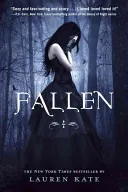
Fallen

 80
80

Fallen
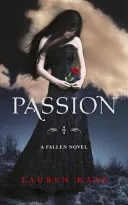
Lauren Kate’s Fallen presents a familiar premise in the 2009 YA landscape: a misunderstood girl at a grim boarding school finds herself at the center of a supernatural conflict. Luce Price’s arrival at Sword & Cross is laden with an atmosphere of foreboding, establishing the novel’s core mystery. The strength of Fallen lies in its pacing, which propels the reader through Luce’s burgeoning relationships and the unsettling revelations about her past lives. However, the romantic triangle, while central, can feel somewhat predictable, and the exposition regarding the angelic lore sometimes interrupts the narrative flow. A particular passage detailing Luce’s growing unease about Daniel and his watchful gaze effectively builds suspense. Ultimately, Fallen succeeds as an engaging introduction to a sprawling supernatural saga, despite some genre conventions. It offers a compelling setup for future installments.
📝 Description
80
Lauren Kate's 2009 novel Fallen begins a young adult paranormal romance series.
The story centers on Luce Price, a teenager sent to Sword & Cross, a reform school where strange events and supernatural forces become apparent. She finds herself drawn to two mysterious boys, Daniel and Cam, who seem to have a history with her. As Luce uncovers the truth about her past lives and a celestial war, she grapples with fallen angels and a love that transcends time.
The narrative weaves together elements of reincarnation, divine conflict, and Luce's own perceived curse. Her life at Sword & Cross is punctuated by unexplained occurrences and a growing awareness of an ancient battle between good and evil. The book sets the stage for a larger cosmic drama involving immortal beings.
Published in 2009, Fallen taps into a contemporary fascination with fallen angels and celestial beings, a trend amplified by the popularity of paranormal romance in young adult fiction. This genre often uses angelic lore and themes of eternal love to frame narratives about destiny and hidden identities. The book situates these ideas within a framework of reincarnation and a cosmic struggle, drawing on interpretations of divine beings and their conflicts.
💡 Why Read This Book?
• You will learn how reincarnation and celestial conflict are adapted for a young adult audience, drawing parallels to the spiritual themes explored in Gnostic texts. • You will feel the tension of a love triangle set against an ancient war between angels, a narrative device echoing classical epic poems. • You will discover how the setting of Sword & Cross functions as a crucible for Luce’s self-discovery, mirroring the symbolic journeys found in alchemical traditions.
⭐ Reader Reviews
Honest opinions from readers who have explored this book.
❓ Frequently Asked Questions
What is the main conflict in Lauren Kate's Fallen?
The central conflict in Fallen revolves around Luce Price's mysterious past and her entanglement with Daniel Grigori, a fallen angel. Luce is pursued by supernatural forces due to her unique connection to a war between angels.
Who are the main characters in Fallen?
The principal characters are Lucinda 'Luce' Price, the protagonist, and Daniel Grigori, a mysterious and protective angel. Other significant characters include Cam Briel, another angel with a complex relationship with Luce, and Penn Vance, a friend at Sword & Cross.
What is Sword & Cross in the Fallen series?
Sword & Cross is a reform school where Luce is sent at the beginning of the series. It serves as the primary setting for the initial part of the story, introducing Luce to the other key characters and the supernatural mysteries surrounding her.
Does Fallen have a happy ending?
Fallen concludes with significant plot developments that set the stage for the subsequent books. While it resolves some immediate questions, it primarily functions as the beginning of a larger narrative, leaving readers with anticipation for the sequels.
What are the supernatural elements in Fallen?
The book features fallen angels, demons, and themes of reincarnation. It explores an ancient war among celestial beings and the consequences for those caught in the middle, particularly Luce, who seems to be a focal point of this conflict.
When was Fallen first published?
Fallen by Lauren Kate was first published in 2009. It marked the beginning of the Fallen series, which became popular in the young adult paranormal fiction genre.
🔮 Key Themes & Symbolism
Reincarnation and Eternal Love
Fallen centers on Luce Price, who experiences unsettling flashbacks and a persistent feeling of déjà vu, hinting at past lives. This concept of reincarnation is intertwined with a tragic, eternal love story between Luce and Daniel Grigori, an angel bound to protect her across centuries. The narrative suggests that their connection transcends mortal existence, echoing themes found in various spiritual traditions that explore soulmates and recurring earthly cycles. This eternal bond is presented as both a blessing and a curse, driving much of the plot's mystery and romantic tension.
The War in Heaven and Fallen Angels
The novel reimagines the biblical narrative of the War in Heaven, depicting a conflict between angels that has spilled over into the mortal realm. Characters like Daniel and Cam are revealed to be fallen angels, each with their own motivations and allegiances stemming from this celestial schism. This interpretation draws on apocryphal texts and Gnostic traditions that elaborate on angelic hierarchies and divine rebellions, framing the supernatural elements within a familiar yet distinct mythological framework. The consequences of this ancient war directly impact Luce's present.
Destiny vs. Free Will
A core theme in Fallen is the exploration of destiny, particularly Luce's preordained role in the ongoing angelic conflict. She grapples with the idea that her life is predetermined by ancient events and supernatural forces. The narrative questions whether Luce is merely a pawn in a cosmic game or if she possesses the agency to alter her fate. This tension between an inescapable destiny and the desire for free will is a common trope in existential philosophy and spiritual narratives, forcing Luce to confront her identity and choices.
The Nature of Good and Evil
Fallen presents a nuanced perspective on the archetypal conflict between good and evil. While angels are generally portrayed as benevolent, the narrative introduces complexities. Daniel, an angel, is involved in a love that defies divine law, while other angelic factions exhibit harshness. The book invites readers to question simplistic definitions of good and evil, suggesting that motivations and circumstances are more significant than inherent labels. This challenges readers to consider the moral ambiguity present even in celestial conflicts.
💬 Memorable Quotes
Direct passages from the work, attributed to the author.
“He was an angel, and I was a girl. What could ever come of that?”
— This expresses Luce's profound understanding of the impossible divide between herself and Daniel. It highlights the forbidden nature of their connection and the inherent obstacles they face.
“The shadows in the hallway seemed to whisper secrets.”
— This evocative line sets the mood of suspense and hidden knowledge within Sword & Cross. It suggests that the environment itself is imbued with mystery and potential danger.
“I didn't know what was true anymore. All I knew was that I loved him.”
— This reflects Luce's emotional turmoil as she navigates the confusing revelations about Daniel and her own past. Her love becomes an anchor amidst uncertainty and deception.
“Every choice I made felt like a step towards something I couldn't see.”
— This speaks to Luce's feeling of being guided by fate, unsure of the ultimate outcome of her actions. It underscores the theme of destiny and the unknown future.
💡 Key Ideas
Editorial paraphrase of the work's core concepts — not direct quotes.
It felt like a dream, but I knew it was real. I had been here before.
This quote captures Luce's recurring sense of déjà vu and her dawning awareness of past lives, a central mystery of the narrative. It signifies her connection to something ancient and inexplicable.
🌙 Esoteric Significance
Tradition
Fallen draws loosely from Abrahamic angelology and Gnostic traditions concerning a celestial war and reincarnation. While not a direct exposition of Hermeticism or Kabbalah, its themes of eternal souls, divine conflict, and a protagonist seemingly cursed by past actions echo concepts found in these lineages. The narrative presents a modern, YA interpretation of angelic hierarchies and their earthly involvement, departing from strict theological frameworks to create a romanticized, accessible mythology.
Symbolism
The 'Fallen Angel' motif is central, symbolizing beings cast out from divine grace, often associated with rebellion, forbidden knowledge, or tragic love, as seen with Daniel. Sword & Cross, the reform school, acts as a symbolic crucible, a place of trials and transformation where Luce confronts her past and supernatural nature. The recurring motif of fire and light often represents purity, divinity, or intense passion, contrasting with the shadows that conceal secrets and danger.
Modern Relevance
Contemporary paranormal romance and urban fantasy continue to explore variations on the 'forbidden love' trope involving supernatural beings, owing a debt to the groundwork laid by books like Fallen. Modern interpretations often delve deeper into the psychological impacts of immortality and celestial conflict, influencing character archetypes and plot structures in newer works. The series' success contributed to the sustained interest in angel-themed fiction for young adults.
👥 Who Should Read This Book
• Young adult readers seeking supernatural romance with a focus on angels and reincarnation. • Fans of paranormal fiction who enjoy intricate lore and dramatic plotlines. • Readers interested in modern interpretations of biblical and mythological themes within a contemporary setting.
📜 Historical Context
Published in 2009, Fallen arrived amidst the burgeoning popularity of the young adult paranormal romance genre, heavily influenced by the success of titles like Stephenie Meyer's Twilight series. This era saw a significant public and commercial interest in supernatural beings, particularly vampires and angels, exploring themes of forbidden love and hidden identities. The literary landscape was ripe for stories that blended contemporary teen angst with ancient mythology and celestial drama. While competing with numerous similar offerings, Fallen distinguished itself by focusing on a fallen angel narrative with a strong emphasis on reincarnation, a concept less explored in mainstream YA at the time. The genre itself was largely commercial, with critical reception often secondary to sales figures, though it generated considerable fan discussion and academic interest in its portrayal of mythology and romance.
📔 Journal Prompts
Reflect on Luce's recurring visions and their potential connection to alchemical concepts of cyclic return.
Consider the symbolic weight of the Sword & Cross reform school as a place of spiritual trial.
Analyze Daniel Grigori's character as a 'fallen' entity and its parallels to figures in mythological traditions.
Explore the tension between Luce's perceived destiny and her desire for personal agency.
Meditate on the concept of an eternal love that spans lifetimes and its potential spiritual implications.
🗂️ Glossary
Fallen Angel
In the context of the book, a celestial being who was cast out of Heaven, often due to rebellion or transgression, and who may inhabit the Earth or other realms.
Sword & Cross
A reform school for troubled teenagers where the protagonist, Luce Price, is sent at the beginning of the series. It serves as a central setting for plot development.
Nephilim
A term originating from biblical texts, often referring to giants or the offspring of fallen angels and human women. In the series, it relates to the lineage and conflict of angels.
Reincarnation
The belief that a soul or spirit, after biological death, can begin a new life in a new body. This is a key element explaining Luce's past experiences.
Shadows
Figurative or literal darkness often associated with hidden dangers, secrets, or malevolent entities in the story.
Halos
While typically referring to a saintly aura, in this context, it can also allude to the divine nature and origin of angels.
Sword
Symbolic of conflict, justice, or authority, as seen in the name of the reform school, Sword & Cross.
🔮 Readers Also Liked
Browse all →









More by Lauren Kate
All books →



More Free Occult Philosophy Books
View all →