Palmistry
 73
73

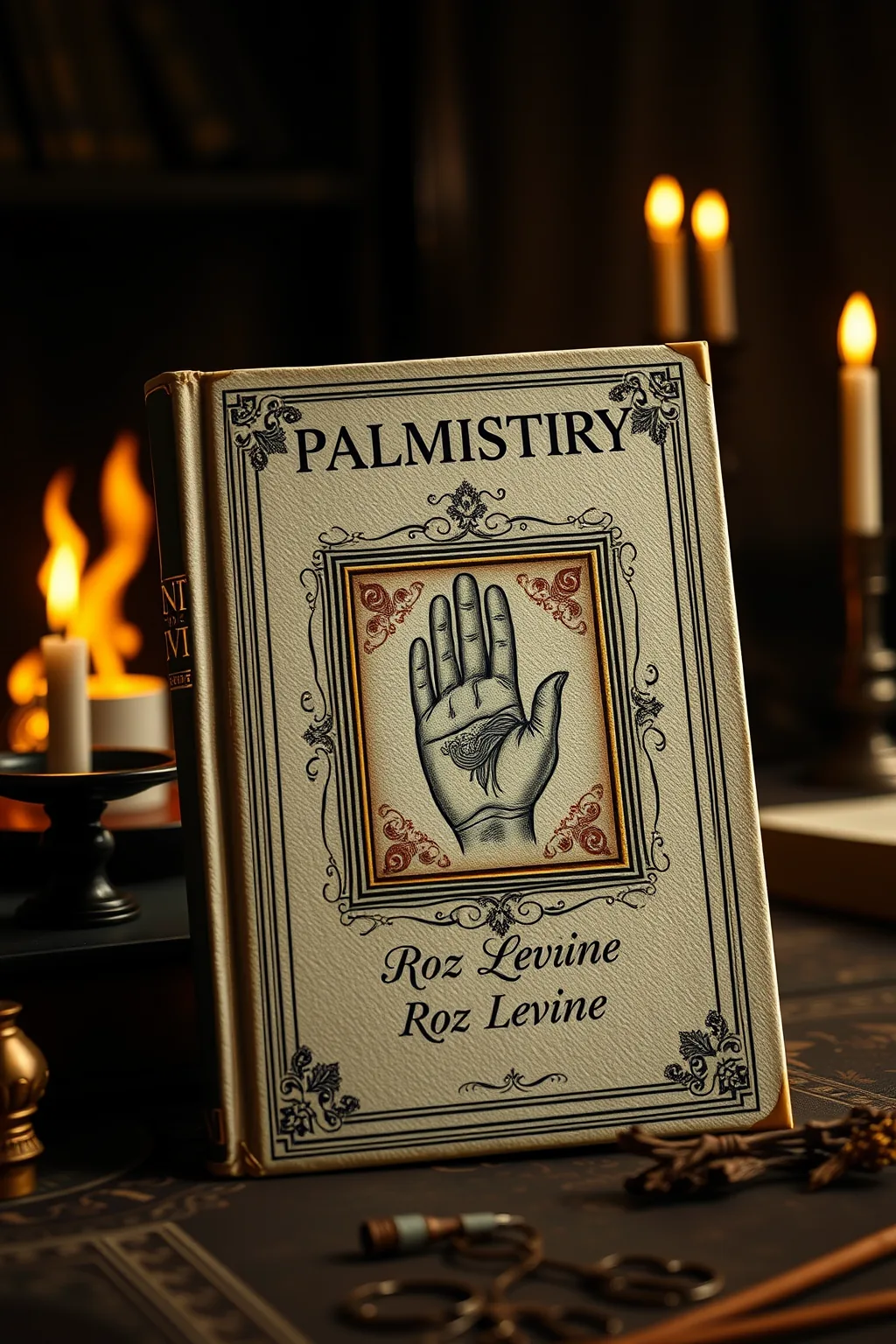
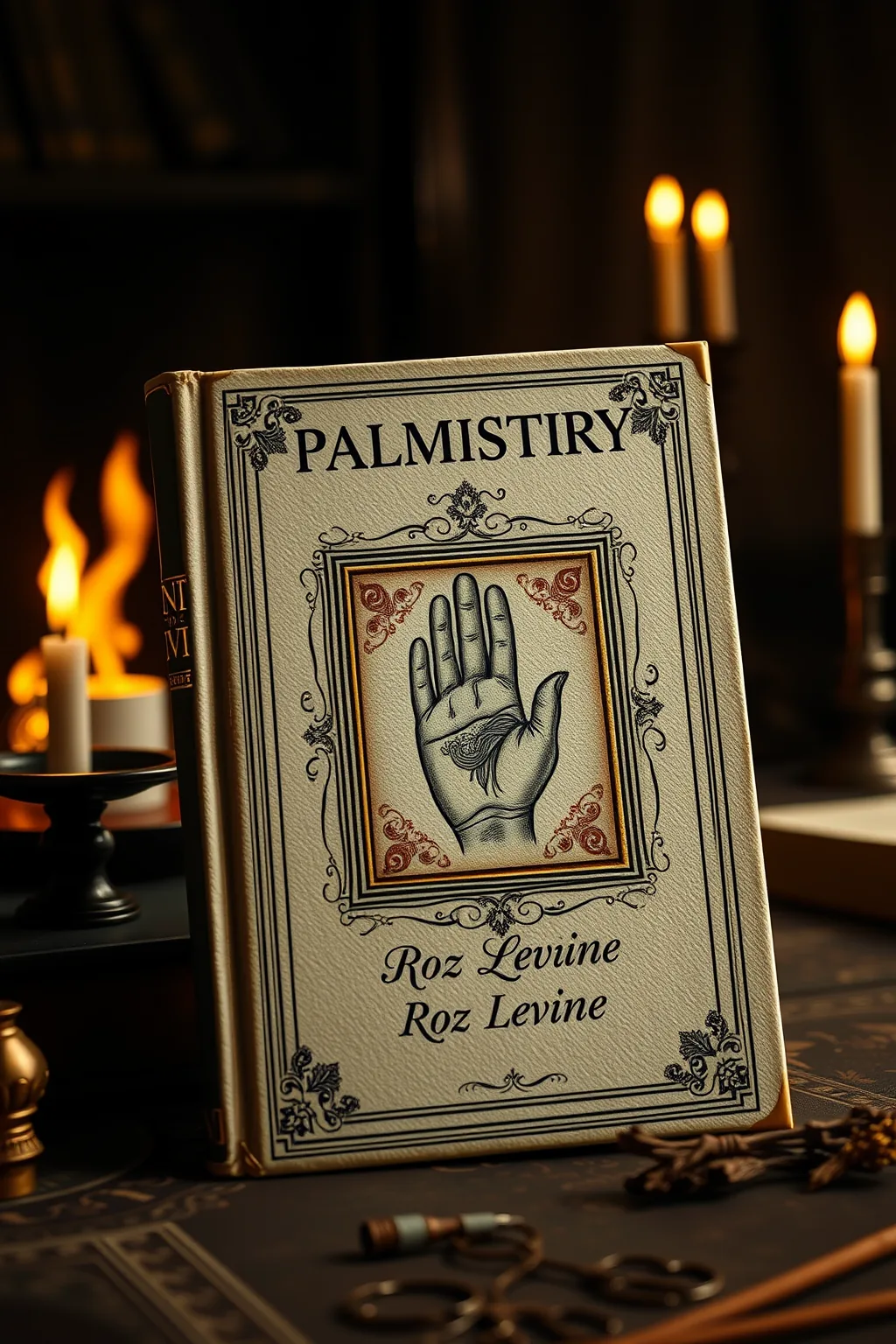
Palmistry
Roz Levine’s "Palmistry" presents a refreshingly structured approach to a subject often mired in vague pronouncements. Unlike many popular guides, Levine's 1992 text grounds its interpretations in observable hand features, treating the palm as a complex map of character and potential. The chapter detailing the mounts, for instance, is particularly effective, offering clear distinctions between the Venus, Luna, and Apollo mounts and their associated traits. However, the book’s primary limitation lies in its occasional dryness; the sheer volume of detail, while thorough, can sometimes obscure the intuitive flow essential to many practitioners. A more integrated approach to the interplay between lines and mounts, perhaps with more case studies, would have elevated it further. Despite this, "Palmistry" remains a solid, methodical reference for anyone serious about understanding the principles of cheiromancy.
📝 Description
73
Roz Levine's 1992 book on palmistry explains hand features as indicators of personality and life path.
Roz Levine's "Palmistry" offers a detailed examination of hand reading, moving beyond simple fortune-telling. The book analyzes the lines, mounts, and shapes of the hand, interpreting them as indicators of personality, potential, and life path. Levine provides a systematic method for understanding this divinatory practice, guiding readers through the interpretation of various palm features.
This work is intended for individuals with a serious interest in palmistry, whether they are beginners seeking a thorough introduction or experienced practitioners aiming to expand their knowledge. It will appeal to those interested in esoteric studies, personal growth, and understanding human nature through less conventional perspectives. Readers who value systematic and detailed guides to occult practices will find this book beneficial.
Published in 1992, "Palmistry" appeared during a resurgence of interest in esoteric subjects following the New Age movements. While foundational texts existed, Levine's work aimed to present a contemporary and accessible guide to the practice. It arrived as metaphysical bookstores and occult studies were gaining wider attention, making it a relevant resource for those curious about the subject.
💡 Why Read This Book?
• Gain a structured understanding of palmistry's core principles, moving beyond superstition to learn how specific hand features like the Fate Line are interpreted according to Levine's systematic approach. • Discover the detailed meanings of the mounts (e.g., Mount of Venus, Mount of Luna) as explained in the book, enabling you to analyze personality traits linked to these specific palm areas. • Learn to interpret the interplay of major lines, such as the Head Line and Heart Line, as presented in the text, offering a nuanced perspective on cognitive and emotional expression through hand analysis.
⭐ Reader Reviews
Honest opinions from readers who have explored this book.
❓ Frequently Asked Questions
When was Roz Levine's "Palmistry" first published?
Roz Levine's "Palmistry" was first published in 1992, placing it within a period of renewed interest in esoteric and metaphysical subjects.
What are the main features of the hand discussed in the book?
The book details the interpretation of major and minor lines, the fleshy mounts at the base of fingers, hand shapes, finger lengths, and various palm markings like stars and crosses.
Does "Palmistry" by Roz Levine focus on fortune-telling?
While it covers predictive elements, the book emphasizes palmistry as a tool for understanding personality, potential, and life path rather than solely fortune-telling.
Is Roz Levine's "Palmistry" suitable for absolute beginners?
Yes, the book provides a systematic and detailed approach that serves as a strong foundation for beginners interested in serious study of the subject.
What historical context influenced the writing of "Palmistry"?
Published in 1992, the book reflects the broader resurgence of interest in esoteric studies seen in the late 20th century, building upon earlier works but offering a contemporary perspective.
Can the concepts in "Palmistry" be used for self-discovery?
Absolutely. The book presents palmistry as a method for self-analysis, allowing readers to explore their inherent traits and life trajectories through the study of their own hands.
🔮 Key Themes & Symbolism
Hand Anatomy as a Map
Levine's "Palmistry" conceptualizes the hand as a detailed cartographical representation of an individual's being. Each element – the seven mounts, the major and minor lines, and even the texture of the skin – is presented as a specific geographical feature on this internal landscape. The work meticulously details how the prominence of the Mount of Jupiter, for example, relates to ambition and leadership, or how the clarity of the Head Line signifies cognitive processes. This approach elevates palmistry from mere prediction to a sophisticated system of psychological and characterological analysis, grounded in the physical form.
The Interplay of Lines and Mounts
A central theme in Levine's "Palmistry" is the dynamic relationship between the palm's lines and its mounts. The book moves beyond treating these features in isolation, illustrating how their interaction modifies interpretations. For instance, a strong Life Line (indicating vitality) might be further enhanced or complicated by the development of the Mount of Venus (representing passion and constitution). This complex interplay is key to understanding the nuanced expression of an individual's potential and challenges, presenting a holistic view rather than a series of disconnected readings.
Palmistry for Self-Understanding
Rather than solely focusing on predicting future events, "Palmistry" champions the practice as a potent tool for self-discovery and personal growth. Levine suggests that by understanding the patterns and potentials revealed in one's own palm, individuals can gain deeper insight into their strengths, weaknesses, and core motivations. This perspective aligns with modern psychological approaches that use symbolic systems for introspection. The book encourages readers to view their hands not as fixed destinies but as guides toward greater self-awareness and informed life choices.
Systematic Interpretation Framework
Levine's work is distinguished by its methodical and systematic framework for interpreting palmistry. The book provides clear definitions and classifications for various hand shapes, finger types, and markings. It outlines a step-by-step process for analyzing a hand, starting with general observations and progressing to specific details. This rigorous structure makes the complex subject of palmistry more accessible and less prone to subjective guesswork, offering a reliable methodology for students of the art.
💬 Memorable Quotes
Direct passages from the work, attributed to the author.
“The mounts are the foundational energies; the lines are the pathways they carve.”
— This concise statement expresses the book's core philosophy: that the fleshy mounds of the palm represent inherent potentials and energies, while the lines illustrate how these energies manifest and are expressed throughout life's journey.
“A clear Head Line indicates a direct approach to thought, while a wavering one suggests a more complex mental process.”
— This highlights the book's focus on specific line interpretations, linking the physical appearance of the Head Line directly to cognitive functions and mental clarity or complexity.
“The Mount of Venus, when well-developed, speaks to a strong constitution and capacity for affection.”
— This is a typical interpretation presented in the book, connecting a specific physical feature (the Mount of Venus) to psychological traits (affection) and physical attributes (constitution).
“Markings like stars or crosses on a major line can signify significant events or turning points.”
— This points to the book's detailed analysis of palm markings, presenting them not as random blemishes but as significant symbols indicating crucial moments or influences in a person's life.
“Palmistry is a language written on the hand, waiting to be deciphered.”
— This metaphorical interpretation frames palmistry as a form of communication, suggesting that the hand holds a narrative that can be understood through careful study and interpretation.
🌙 Esoteric Significance
Tradition
Levine's "Palmistry" draws heavily from the Western esoteric tradition of cheiromancy, which has roots stretching back to ancient Greece and Rome, influenced by Hellenistic Hermeticism and later Neoplatonism. It fits within this lineage by treating the hand as a microcosm reflecting macrocosmic influences and individual destiny. While departing from purely divinatory approaches, it maintains the Hermetic principle of "As Above, So Below," interpreting the physical hand as a direct correspondence to the individual's inner and outer life, and their connection to universal energies.
Symbolism
Key symbols in "Palmistry" include the seven mounts (named after classical deities like Jupiter, Apollo, and Venus), each representing distinct personality drives and potentials (e.g., Jupiter for ambition, Apollo for creativity). The major lines – Life, Head, and Heart – are potent symbols of vitality, intellect, and emotion, respectively. Markings like stars, crosses, and islands are also significant symbols, often interpreted as indicators of specific challenges, opportunities, or karmic influences impacting the individual's journey.
Modern Relevance
Levine's systematic approach to palmistry remains relevant today for practitioners and enthusiasts interested in self-awareness tools. Contemporary figures and schools that emphasize embodied knowledge and symbolic introspection, such as certain branches of Jungian psychology or modern magical traditions, can find value in its detailed interpretive framework. Its focus on personality analysis through physical form continues to resonate with those seeking holistic methods of understanding the self beyond purely digital or abstract information.
👥 Who Should Read This Book
• Aspiring palmists seeking a foundational, structured guide to interpreting hand features, from basic lines to complex markings. • Personal development enthusiasts looking for symbolic systems to enhance self-awareness and understand their inherent potentials and challenges. • Students of esoteric history and comparative divination interested in a 20th-century perspective on cheiromancy that bridges ancient practices with modern accessibility.
📜 Historical Context
Roz Levine's "Palmistry," published in 1992, arrived during a period when esoteric studies were experiencing a resurgence, fueled partly by the lingering influence of the New Age movement and a growing public interest in alternative self-help and divination. While the 20th century saw foundational texts by figures like William G. Benham (whose "The Laws of Scientific Hand-Reading" was influential in the early 1900s), Levine's work offered a more contemporary, accessible synthesis. It emerged in a climate where metaphysical bookstores and public interest in subjects like astrology, tarot, and palmistry were visible, though often still relegated to the fringes of mainstream intellectual discourse. Unlike academic psychology, which focused on empirical data, palmistry offered a symbolic and intuitive framework for understanding the human psyche, a contrast that defined its niche appeal.
📔 Journal Prompts
The Mount of Venus's development and its associated lines.
The clarity and trajectory of your Head Line.
Interpreting the meaning of a star marking on your Fate Line.
How the Mount of Apollo influences your creative expression.
The relationship between your Heart Line and the Mount of Luna.
🗂️ Glossary
Mounts
The fleshy, raised pads on the palm, located at the base of the fingers and along the sides of the palm. Each mount is associated with specific personality traits, energies, and potentials (e.g., Mount of Jupiter, Mount of Venus).
Life Line
The major curved line on the palm that typically encircles the Mount of Venus. It is traditionally associated with vitality, physical health, and major life events, rather than the length of life itself.
Head Line
The horizontal line that often begins near the thumb and extends across the palm. It symbolizes intellectual capacity, mental processes, communication style, and cognitive approach.
Heart Line
The uppermost horizontal line on the palm, usually running from the edge below the little finger towards the Mount of Jupiter or Mount of Apollo. It represents emotional nature, romantic inclinations, and relationships.
Fate Line
A vertical line that may run from the wrist towards the middle finger. It is associated with career, life path, major influences, and a sense of purpose or destiny.
Markings
Specific symbols such as stars, crosses, squares, islands, or tridents that appear on the palm, often modifying the interpretation of the lines or mounts they are associated with.
Cheiromancy
The practice of palm reading or divination through the examination of the hand. It is the formal term for palmistry.
🔮 Readers Also Liked
Browse all →









More by Roz Levine
All books →



More Free Occult Philosophy Books
View all →