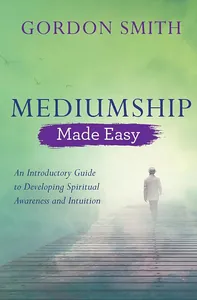
Llewellyn's Tarot Reader 2007

 75
75

Llewellyn's Tarot Reader 2007
The 2007 edition of Llewellyn's Tarot Reader presents a varied menu for the dedicated Tarot student. Its strength lies in the breadth of topics covered, moving from the practicalities of deck reviews and spread analysis to more esoteric discussions on tarot magic and history. The inclusion of astrological data, specifically Moon signs and times for 2007, offers a tangible resource for those who integrate celestial cycles into their readings. However, the collection occasionally feels like a disparate assemblage of articles rather than a cohesive narrative. While contributors like Elizabeth Barrette are mentioned, the specific impact of their articles isn't always clear without deeper engagement. A notable passage concerning professional reading ethics would have provided more practical guidance for those earning a living with the cards. Ultimately, it serves as a competent, if not revolutionary, annual supplement for the committed Tarot enthusiast.
📝 Description
75
Llewellyn's Tarot Reader 2007, published in 2006, functions as an annual almanac for tarot practitioners.
This 2007 edition of Llewellyn's Tarot Reader collects articles and astrological data for tarot users. It includes contributions from various tarot specialists and authors, covering deck reviews, card interpretation techniques, and different spread layouts. The volume also touches on magical applications of tarot.
The book targets individuals actively involved with Tarot, from casual enthusiasts to seasoned professionals. It aims to deepen understanding beyond basic card meanings, touching on historical context, professional ethics, and astrological connections. Readers interested in current trends within the tarot community will find relevant material here.
Published in 2006, this reader appeared during a time of growth for esoteric and divination communities. The internet was expanding information sharing, but printed annuals like this offered a structured, curated overview. This period saw engagement with established figures and the emergence of new voices in the field, such as Elizabeth Barrette, whose contributions were featured.
💡 Why Read This Book?
• Gain specific astrological insights for 2007, including Moon signs and times, directly from the calendar section to enhance your predictive readings. • Discover varied approaches to card interpretation and spread design, learning from specialists like Elizabeth Barrette whose work is featured. • Explore the intersection of Tarot and magic through dedicated articles, offering practical techniques not commonly found in introductory texts.
⭐ Reader Reviews
Honest opinions from readers who have explored this book.
❓ Frequently Asked Questions
What kind of astrological information is included in Llewellyn's Tarot Reader 2007?
The 2007 edition includes a calendar with pertinent astrological data, specifically Moon signs and their timings for the year. This allows readers to correlate lunar phases and movements with their tarot readings.
Who are some of the featured authors in this Tarot Reader?
The book features articles by renowned authors and tarot specialists. Elizabeth Barrette is specifically mentioned as a contributor, offering her expertise on various tarot-related subjects.
Does Llewellyn's Tarot Reader 2007 cover professional tarot reading?
Yes, the publication includes discussions and advice concerning professional tarot reading. This aspect caters to readers who practice tarot for a living or are considering it as a profession.
What topics related to tarot history are discussed?
The reader delves into the history of tarot, exploring its evolution and origins. This section provides context for understanding the development of different decks and interpretive traditions.
Can I find information on different tarot spreads in this book?
Certainly. The 2007 Tarot Reader offers in-depth discussions on various tarot spreads, detailing their construction and application for different types of readings and inquiries.
Is this book suitable for beginners in Tarot?
While it offers a broad range of topics, the depth of discussion on interpretation, history, and professional reading may be more suited to intermediate to advanced tarot enthusiasts looking to deepen their practice.
🔮 Key Themes & Symbolism
Card Interpretation Techniques
The volume dedicates significant space to the nuanced art of interpreting tarot cards. It moves beyond simple keyword associations, exploring how context, position within a spread, and intuitive connections influence meaning. Articles likely discuss methods for synthesizing multiple card influences, understanding symbolic language, and developing a personal interpretive framework. This focus is crucial for practitioners aiming for depth in their readings beyond surface-level divinations.
Tarot Spread Design
Beyond standard layouts, the reader examines the principles behind effective tarot spread design. It addresses how to construct spreads tailored to specific questions or areas of life, such as relationships, career, or spiritual growth. Readers can expect guidance on the number of cards, their placement, and the narrative flow created by the spread's structure, enabling more precise and insightful readings.
Tarot and Magic
The integration of tarot with magical practices is a core theme. This involves exploring how tarot cards can be used in rituals, spellcraft, and manifestation work. Articles likely cover techniques for imbuing cards with intent, using them as talismans, or incorporating them into larger magical operations. This theme appeals to those seeking to harness tarot's power for tangible change.
Historical and Astrological Context
Understanding tarot's lineage and its celestial connections is vital. The reader provides historical insights into the development of tarot decks and practices, offering context for contemporary use. Furthermore, the inclusion of astrological data, such as Moon signs and timings for 2007, highlights the interwoven nature of these esoteric systems, aiding readers who synchronize their divination work with cosmic cycles.
💬 Memorable Quotes
Direct passages from the work, attributed to the author.
“Each year's almanac also features a calendar with pertinent astrological information, such as Moon signs and times.”
— This highlights the practical, time-sensitive utility of the annual publication. It underscores the integration of tarot with astrological timing, a common practice for enhancing predictive accuracy and ritual efficacy.
“Renowned authors and tarot specialists deliver deck reviews and articles concerning card interpretation, spreads, magic, tarot history, and professional tarot reading.”
— This sentence expresses the many-sided nature of the reader, promising a comprehensive overview from diverse expert perspectives, covering both theoretical and applied aspects of the Tarot.
“Tarot enthusiasts rejoice!”
— While a marketing phrase, it signals the intended audience and the publication's aim to cater specifically to those with a dedicated interest in Tarot, promising content relevant to their passion.
“The 2007 Tarot Reader includes articles by Elizabeth Barrette,”
— This specific mention of a named contributor, Elizabeth Barrette, anchors the book in a real person's expertise, suggesting a level of curated quality and specialized knowledge within the collection.
“Look for an array of news, advice, and in-depth discussions on everything tarot in this year's edition of the Tarot Reader.”
— This statement promises a broad spectrum of content, from current events in the tarot world to practical guidance and deep dives into specific subjects, positioning the book as a central resource.
🌙 Esoteric Significance
Tradition
This publication aligns with the contemporary Western Esoteric tradition, particularly its practical divination and spiritual self-help branches. It draws upon Hermetic principles of correspondence (e.g., Tarot and Astrology) and aims to empower the individual through accessible knowledge, a hallmark of modern esoteric movements seeking to clarify ancient practices for a wider audience.
Symbolism
The Tarot deck itself is the primary symbolic system discussed. Key symbols explored would include the Major Arcana archetypes (e.g., The Fool, The Magician) representing stages of a spiritual journey, and the Minor Arcana suits (Wands, Cups, Swords, Pentacles) symbolizing elemental forces and aspects of human experience. Astrological symbols, like Moon signs, are also highlighted for their interpretive value.
Modern Relevance
Contemporary tarot practitioners, especially those interested in annual planning or integrating astrological cycles into their readings, still find value in such curated collections. Modern online tarot communities and digital almanacs often follow similar structures, demonstrating the enduring appeal of annual guides that synthesize divination, astrology, and practical advice.
👥 Who Should Read This Book
• Dedicated Tarot students seeking to expand their knowledge beyond basic card meanings, particularly those interested in the astrological connections highlighted in the 2007 calendar. • Practitioners who enjoy annual thematic collections and wish to explore diverse perspectives on interpretation, spreads, and the magical use of tarot from specialists like Elizabeth Barrette. • Individuals interested in the history and evolution of tarot practices during the early 2000s, gaining insight into the community and trends of that era.
📜 Historical Context
Published in 2006 for the 2007 cycle, Llewellyn's Tarot Reader emerged during a vibrant period for esoteric studies. The late 20th and early 21st centuries witnessed a resurgence of interest in divination, occultism, and comparative spirituality, fueled partly by the accessibility of information via the nascent internet. This annual publication served as a curated nexus for the growing tarot community, offering a tangible collection of contemporary thought. It existed alongside a burgeoning online discourse, where forums and early websites debated tarot theories and practices. Authors like Rachel Pollack, who had already established significant works on tarot history and interpretation, were influential contemporaries. Llewellyn's approach, synthesizing astrological data with practical tarot advice, reflects a popular syncretic trend within Western esotericism at the time, aiming to provide a comprehensive yearly guide for practitioners seeking to deepen their understanding and application of the cards.
📔 Journal Prompts
Reflect on the astrological significance of Moon signs as presented for 2007 within the Reader's calendar.
Analyze the interplay between the Fool's journey archetypes and the structure of a chosen tarot spread discussed in the book.
Consider the practical applications of tarot magic explored in the articles, relating them to personal manifestation goals.
Examine how historical context, as presented, informs your current understanding of card interpretation.
Evaluate the advice offered on professional tarot reading in relation to your own practice or aspirations.
🗂️ Glossary
Tarot Spreads
Arrangements of tarot cards laid out in specific patterns to answer particular questions or explore defined areas of inquiry. Different spreads have unique structures and interpretive focuses.
Card Interpretation
The process of understanding and assigning meaning to individual tarot cards and their combinations within a reading, often considering symbolic, psychological, and intuitive elements.
Moon Signs
The astrological sign that the Moon occupied at a specific moment, such as birth or the time of a reading. Moon signs are often associated with emotions, instincts, and subconscious responses.
Esoteric
Relating to or concerned with the occult, mystical, or supernatural. Esoteric knowledge is typically intended for or understood by only a small number of people with specialized knowledge.
Divination
The practice of seeking knowledge of the future or the unknown by supernatural means, such as through tarot cards, astrology, or other symbolic systems.
Archetypes
In Jungian psychology and often applied to tarot, these are universal, archaic patterns and images that derive from the collective unconscious and are the psychic counterpart of the instincts.
Almanac
A book or publication containing specific information, often including calendars, astronomical data, and other useful facts, typically issued annually.
This book appears in 1 collection
🔮 Readers Also Liked
Browse all →








From the “Major Arcana” Collection
View all →







More Free Occult Philosophy Books
View all →