Numerology
 78
78

Numerology
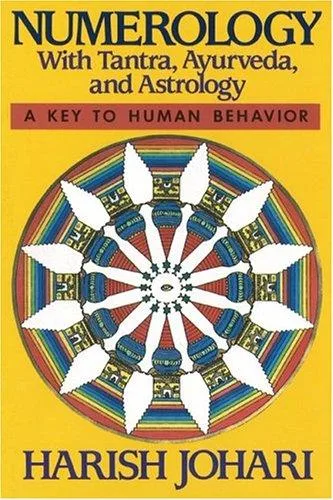
Harish Johari's *Numerology* presents a compelling, if dense, integration of numerological principles with Vedic astrology and Ayurveda. Its strength lies in its departure from simplistic Western numerology, offering a system deeply embedded in Indian metaphysics. The explication of the Vedic Square, for instance, provides a visual and analytical tool that feels genuinely novel. However, the sheer volume of interconnected information—numbers, planets, body types, auspicious times—can be overwhelming for the uninitiated. A passage detailing the interplay between the number 7, Ketu, and specific physiological ailments, while informative, requires significant prior knowledge to fully appreciate. Ultimately, Johari's work stands as a scholarly yet accessible guide for those prepared to engage with its intricate framework.
📝 Description
78
Harish Johari published *Numerology* in 1990, presenting a Vedic system for numerical interpretation.
Harish Johari's *Numerology*, first published in 1990, integrates numerical divination with Vedic astrology and Ayurveda. The book details calculations based on birth dates and names, connecting them to an individual's physical constitution. It moves beyond simple number associations to show how numerical patterns influence human life and destiny.
This work is for serious students of esoteric sciences seeking an integrated approach. It appeals to practitioners of astrology, Ayurveda, and Tantra, and those interested in comparative mysticism. Readers will find value in understanding the connections between numbers, cosmic influences, and personal well-being.
Johari's system differs from common Pythagorean or Chaldean methods. Rooted in the Vedic Square and Indian astrological principles, his approach aligns numerical interpretation with a holistic view of life.
Johari's *Numerology* situates itself within the Vedic tradition, a system of ancient Indian knowledge encompassing astrology and Ayurveda. Unlike Western numerological systems, this book draws from the Vedic Square, a diagram derived from birth data used to explicate numerical and symbolic relationships. It connects abstract numbers to energetic forces, planetary deities, elements, and physiological humors, reflecting a holistic worldview prevalent in Vedic thought.
💡 Why Read This Book?
• Learn to interpret the Vedic Square, a unique diagnostic tool derived from birth data, allowing for a visual mapping of personal energies and influences beyond basic numerology. • Understand the correlation between specific numbers (1-9) and their corresponding Vedic deities, astrological planets, and Ayurvedic doshas, offering a holistic view of your constitution. • Discover how to identify favorable periods for specific activities by analyzing your personal numerological cycles, enabling more synchronistic timing in daily life.
⭐ Reader Reviews
Honest opinions from readers who have explored this book.
❓ Frequently Asked Questions
What is the Vedic Square as presented in Harish Johari's Numerology?
The Vedic Square is a diagram derived from a person's birth date and name. It's a grid where numbers are placed according to specific rules, revealing patterns and interrelationships that offer insights into one's personality, destiny, and life path, drawing heavily on Indian astrological principles.
How does Harish Johari's numerology differ from Western systems?
Johari's system uniquely synthesizes numerology with Vedic astrology and Ayurveda. Instead of relying solely on Pythagorean or Chaldean methods, it incorporates planetary rulers, body types (doshas), and auspicious timing derived from Indian traditions, offering a more holistic and complex analysis.
When was Harish Johari's Numerology first published?
The book *Numerology* by Harish Johari was first published on November 1, 1990, making it a significant work from the early wave of accessible esoteric literature bridging Eastern and Western thought.
What are 'favorable periods' in the context of this book?
Favorable periods refer to specific times within the day or year that are considered auspicious for an individual based on their unique numerological and astrological profile. Johari provides guidance on how to identify these times for enhanced effectiveness and well-being.
Is this book suitable for beginners in numerology?
While accessible, the book is quite comprehensive and integrates multiple complex systems like Vedic astrology and Ayurveda. Beginners might find it challenging but rewarding if they are dedicated to a deep, integrated study of numerology rather than a superficial overview.
What is the significance of body types (Ayurveda) in this numerology system?
Johari links numbers to Ayurvedic body types (doshas: Vata, Pitta, Kapha). Understanding your dominant dosha, as analyzed through numerology, helps in predicting potential health predispositions and recommending lifestyle adjustments for balance.
🔮 Key Themes & Symbolism
Vedic Square Synthesis
The book centers on the Vedic Square, a geometric construct derived from birth data. Johari illustrates how numbers within this square interact, correlating with planetary influences and personal destiny. This visual system allows for a nuanced interpretation of an individual's strengths, challenges, and life trajectory, moving beyond linear calculations to reveal complex energetic patterns rooted in ancient Indian cosmology.
Astrological-Ayurvedic Integration
A core theme is the profound linkage between numerological values and the principles of Vedic astrology and Ayurveda. Each number (1-9) is associated with specific planets, their energies, and corresponding Ayurvedic physiological types (doshas). This integration provides a holistic framework for understanding not only personality but also potential health predispositions and energetic imbalances.
Cycles and Auspicious Timing
Johari emphasizes that life is governed by cycles influenced by numerical and planetary forces. The book offers guidance on identifying 'favorable periods' – specific times of day or year that are particularly potent or conducive for certain actions based on an individual's unique numerological chart. This allows for a more synchronistic engagement with life's events.
Esoteric Interpretations of Numbers
Beyond mundane calculations, Johari looks at the subtler, esoteric meanings of numbers. He connects them to archetypal forces, deities, and cosmic principles within the Hindu tradition. The work illuminates how these numerical patterns manifest not just in individual lives but also in broader universal rhythms, revealing a hidden order in the cosmos.
💬 Memorable Quotes
Direct passages from the work, attributed to the author.
“The numbers derived from your birth date and name are not static but represent dynamic energies.”
— This highlights Johari's view of numerology as a living system. Numbers are seen as active forces influencing life, rather than fixed labels, suggesting potential for change and conscious interaction with these energies.
“The Vedic Square reveals the intricate dance between the planets and your personal destiny.”
— This points to the visual and analytical power of the Vedic Square. It suggests that the geometric arrangement of numbers within the square provides a map of cosmic influences directly impacting an individual's predetermined life path.
“Understanding your body type (dosha) is crucial for interpreting numerical influences on health.”
— This emphasizes the Ayurvedic integration. It posits that numerical predispositions manifest physically, and knowledge of one's dominant dosha is key to understanding how these numbers affect well-being and vitality.
“Favorable periods allow for actions undertaken in harmony with cosmic rhythms.”
— This concept relates to timing and synchronicity. By aligning activities with astrologically and numerologically auspicious times, one can purportedly achieve greater success and flow, working with universal currents rather than against them.
“Each number is a deity, a planet, and a fundamental force.”
— This captures the multi-layered symbolism Johari assigns to numbers. It shows how numbers function as potent symbols within the Hindu pantheon, astrological system, and elemental philosophy, representing deep cosmic principles.
🌙 Esoteric Significance
Tradition
This work firmly belongs within the broad lineage of Vedic esoteric sciences, particularly drawing from Tantra, Jyotish (Vedic astrology), and Ayurveda. It departs from purely abstract numerical systems by grounding them in a cosmological framework that views numbers as manifestations of divine energies and planetary forces. Johari's approach is characteristic of Tantric traditions that seek to understand and harness the energetic currents of the universe for spiritual and material well-being.
Symbolism
Central to the book's symbolism is the Vedic Square, a geometric diagram that visually maps the interplay of numbers derived from birth data. Numbers 1 through 9 are imbued with meaning, representing not just quantities but also specific deities, planets (like Surya for 1, Chandra for 2), and elemental forces. The correlation of these numbers with Ayurvedic doshas (Vata, Pitta, Kapha) further enriches their symbolic representation, linking cosmic order to physiological balance.
Modern Relevance
Johari's integrated approach continues to influence contemporary practitioners seeking a more holistic understanding of numerology. Modern thinkers and schools that emphasize mind-body-spirit connections, particularly those drawing from Vedic traditions, often reference or build upon his work. His methodology provides a sophisticated alternative for astrologers, Ayurvedic practitioners, and spiritual counselors looking to incorporate deeper numerical insights into their practices.
👥 Who Should Read This Book
['• Students of Vedic Astrology (Jyotish) seeking to integrate numerical analysis with planetary influences and understand the underlying symbolic connections.', '• Practitioners of Ayurveda interested in exploring the numerological correlations with the three doshas (Vata, Pitta, Kapha) for diagnostic and balancing purposes.', '• Advanced numerology enthusiasts looking for a system that moves beyond basic calculations to incorporate esoteric interpretations rooted in Indian philosophy and cosmology.']
📜 Historical Context
Published in 1990, Harish Johari's *Numerology* emerged during a period of increased Western engagement with Eastern spiritual and philosophical systems. Johari, already an established authority on Ayurveda and Tantra, brought a distinctly Indian perspective to numerology, differing significantly from the more common Pythagorean or Chaldean systems prevalent in esoteric circles. His approach integrated the visual Vedic Square with astrological and Ayurvedic principles, offering a complex, holistic framework. This work appeared alongside growing interest in comparative religion and mysticism, contrasting with the more streamlined, individualistic numerology often found in popular self-help books. While specific reception events like major reviews or bans are not widely documented, Johari's established reputation ensured a readership among those seeking authentic South Asian esoteric traditions, differentiating his work from contemporaries like K. S. Charak who also explored Vedic astrology.
📔 Journal Prompts
The relationship between your birth number and your dominant dosha.
The symbolic meaning of the number 7 as presented in the Vedic Square.
Identifying a favorable period for a significant life event based on your chart.
The planetary ruler associated with your primary life path number.
How the numerical patterns might influence your perception of time.
🗂️ Glossary
Vedic Square
A geometric diagram, often a 3x3 grid, derived from birth date and name numbers. It serves as a visual tool to analyze the relationships between numbers, planets, and an individual's destiny according to Vedic principles.
Jyotish
The traditional Hindu system of astrology, also known as Vedic astrology. It uses sidereal calculations and is deeply integrated with concepts like karma, dharma, and planetary influences (Grahas).
Ayurveda
The traditional Indian system of medicine, focusing on holistic health through diet, lifestyle, and natural therapies. It emphasizes the balance of three fundamental energies known as doshas: Vata, Pitta, and Kapha.
Dosha
In Ayurveda, the three fundamental bio-energies (Vata, Pitta, Kapha) that govern physiological and psychological functions. Imbalances in doshas are considered the root cause of disease.
Graha
In Vedic astrology, the term for celestial bodies or planetary influences that exert an effect on earthly life. The nine primary Grahas include the Sun, Moon, and the visible planets, as well as the lunar nodes Rahu and Ketu.
Favorable Periods
Specific times identified through numerological and astrological calculations that are considered auspicious or more conducive for undertaking certain activities, leading to potentially better outcomes.
Life Path Number
A key numerological calculation, typically derived from the sum of the digits in a person's birth date, reduced to a single digit. It is believed to represent the fundamental nature and direction of an individual's life.