La Lupe, Reina PoseíDa
 80
80

La Lupe, Reina PoseíDa
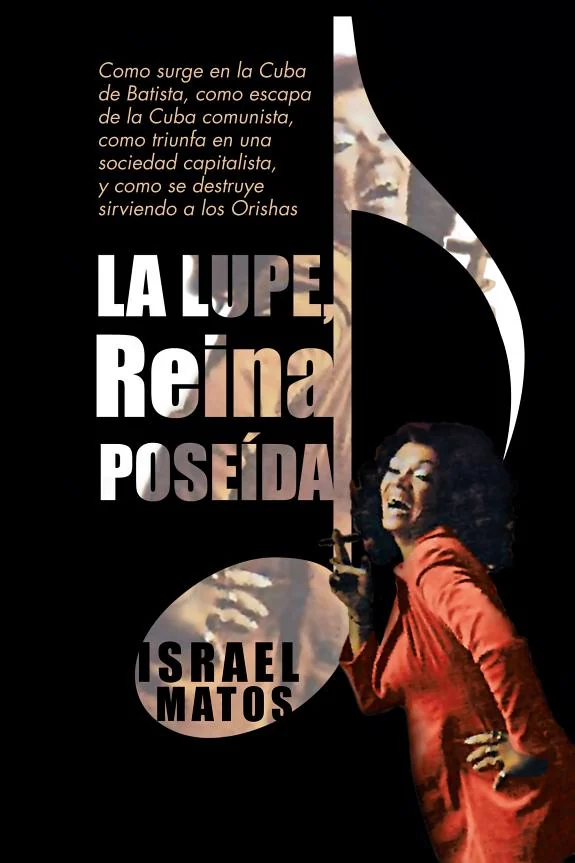
Matos' "La Lupe, Reina Poseída" offers a necessary corrective to the often-hagiographic or sensationalized accounts of La Lupe's life. The author’s attempt to ground the narrative in verifiable facts, particularly concerning her origins in San Pedrito, is commendable. He skillfully navigates the line between folklore and biography, presenting La Lupe as a figure of 'extraordinary valor' rather than simply a vessel for supernatural tales. A particular strength lies in the exploration of her performance style as a form of spiritual expression, moving beyond simplistic notions of 'possession.' However, the work occasionally feels constrained by its desire to demythologize, sometimes sacrificing the very theatricality that defined Lupe's appeal. A passage discussing her early career and the raw energy she brought to the stage highlights this tension effectively. Ultimately, Matos provides a valuable, if sometimes cautious, re-evaluation of a truly unique artist.
📝 Description
80
Israel Matos' 2012 book argues that La Lupe's sensational persona masked a misunderstood valor.
Israel Matos' "La Lupe, Reina Poseída" examines the life of the iconic Cuban singer Lupe Victoria Yoli Raymond, universally known as La Lupe. The book challenges the sensational narratives of possession and fervent performances, proposing that a profound, often misunderstood, valor lay beneath. Matos seeks to move beyond exaggeration, revealing the essence of a unique artist whose story began in San Pedrito, Cuba, and grew into legend.
This work is for readers who want to understand cultural figures beyond their public image. It speaks to La Lupe's admirers who feel existing accounts are insufficient, and to those interested in the connections between music, spirituality, and the turbulent history of Latin America. It also appeals to students of performance art and individuals fascinated by artists who defy societal expectations.
The book engages with the concept of 'posesión' not simply as rumor but as a framework for understanding Lupe's artistic drive and personal challenges. It analyzes how her performances acted as a space for emotional and spiritual release. Matos situates her life within the context of Cuban artistic expression and the broader cultural environment of the late 20th century, touching on specific influences that shaped her unique artistic output.
💡 Why Read This Book?
• Understand the origins of La Lupe's electrifying stage presence, moving beyond sensationalism to explore the 'posesión' concept as a lens for her artistic intensity, as detailed in the book's exploration of her early life in San Pedrito, Cuba. • Gain insight into the cultural context of La Lupe's career, particularly the blend of music and spirituality prevalent in late 20th-century Cuban artistic expression, offering a unique perspective on her impact. • Appreciate the author's critical approach to biography, learning how to distinguish between legend and verifiable fact when examining larger-than-life personalities, as Matos attempts with La Lupe's narrative.
⭐ Reader Reviews
Honest opinions from readers who have explored this book.
❓ Frequently Asked Questions
What is the central argument of "La Lupe, Reina Poseída" regarding the singer's life?
The book argues that Lupe Victoria Yoli Raymond, known as La Lupe, possessed extraordinary valor, and that sensational stories surrounding her life often obscure the reality of a complex artist whose career began in San Pedrito, Cuba.
When was "La Lupe, Reina Poseída" first published?
The book was first published in July 2012, offering a contemporary examination of the iconic Cuban singer's life and legend.
What does the book suggest about La Lupe's stage performances?
It suggests her performances were often seen through the lens of 'posesión,' which the work explores as a way to understand her intense artistic expression and emotional catharsis, rather than purely supernatural events.
Who is the author of "La Lupe, Reina Poseída"?
The author is Israel Matos, who first published the work in 2012.
What geographical region of Cuba is mentioned as La Lupe's origin?
The book specifically mentions the dusty streets of San Pedrito, located in the Oriente region of eastern Cuba, as her starting point.
How does the book treat the rumors surrounding La Lupe?
Matos attempts to move past mere rumors and exaggerations, seeking to uncover the verifiable aspects of her life and career, presenting her as a figure of significant personal strength.
🔮 Key Themes & Symbolism
The Aura of 'Posesión'
The work scrutinizes the concept of 'posesión' as it relates to La Lupe, moving beyond simple sensationalism to interpret it as a manifestation of her profound artistic intensity and emotional volatility. It suggests this perceived 'possession' was integral to her unique performance style, allowing her to channel raw energy that captivated audiences. Matos examines how this mystique, whether literal or metaphorical, became inseparable from her public image, originating from her early life experiences in eastern Cuba.
Valor Beyond the Stage
Central to Matos' thesis is the idea of Lupe's 'extraordinary valor.' This theme posits that beneath the legendary persona lay a woman of immense courage, navigating a demanding career and personal life. The book contrasts the often-unbelievable stories circulating about her with a more grounded portrayal of resilience. It highlights her strength in forging a path from humble beginnings in San Pedrito, challenging conventions through her art and life choices, and leaving an indelible mark on Latin music.
San Pedrito to Global Icon
This theme traces Lupe's trajectory from her origins in the 'polvorientas calles' (dusty streets) of San Pedrito, Oriente, Cuba, to her status as a celebrated international artist. The narrative emphasizes how these formative years and the specific cultural milieu of eastern Cuba shaped her distinctive artistic voice. It underscores the transformative power of talent and determination, illustrating how an artist emerging from a less prominent region could achieve widespread fame and influence through sheer force of personality and musical innovation.
Myth versus Verifiable Fact
The book engages in a critical examination of the narratives surrounding La Lupe, aiming to separate legend from verifiable reality. Matos addresses the tendency for her life story to be embellished, often bordering on the 'inverosímil' (unbelievable). By focusing on documented aspects of her career and background, the work seeks to provide a more concrete understanding of her life, encouraging readers to question sensationalism and appreciate the human being behind the icon.
💬 Memorable Quotes
Direct passages from the work, attributed to the author.
“Lupe Victoria Yoli Raymond... filled an entire era with her music.”
— This statement expresses La Lupe's lasting impact on Latin music and culture. It suggests her influence extended beyond mere popularity, defining a significant period and leaving a lasting artistic legacy.
“A woman of extraordinary valor.”
— This phrase highlights the book's central thesis: that La Lupe's life was characterized by immense courage and strength, often overlooked amidst sensationalized accounts of her career and personal struggles.
“Her memory is still covered as if with a veil.”
— This metaphor suggests that the true essence of La Lupe remains somewhat obscured, with public perception often relying on incomplete or exaggerated stories rather than a clear understanding of her life.
“Stories that often border on the unbelievable or mere exaggerations.”
— This reflects the author's critical stance, acknowledging the prevalence of folklore and hyperbole surrounding La Lupe, while signaling the book's intent to present a more grounded perspective.
“From the dusty streets of San Pedrito, in the Oriente of Cuba, she carved a career.”
— This emphasizes her humble origins and the remarkable journey she undertook. It roots her legendary status in a specific place and time, highlighting the determination required to achieve success from such a starting point.
🌙 Esoteric Significance
Tradition
While not explicitly aligning with a single esoteric tradition, "La Lupe, Reina Poseída" engages with themes often explored in Gnostic and shamanistic contexts: the nature of spiritual possession, the intense channeling of otherworldly energies, and the struggle between the material world and the spiritual realm. La Lupe's performances, described as bordering on the possessed, can be interpreted through lenses that examine the ecstatic states achieved by artists and mystics alike. The work touches upon how such figures bridge the mundane and the transcendent, embodying forces that challenge conventional understanding.
Symbolism
The concept of 'posesión' itself functions as a potent symbol, representing not just external influence but an internal unleashing of raw creative and emotional power. La Lupe's voice, often described as raw and untamed, symbolizes a direct conduit to primal emotions and spiritual states. Her journey from the 'dusty streets' of San Pedrito to international fame can symbolize the alchemical transformation of base elements into gold – the elevation of the ordinary into the extraordinary through force of will and talent.
Modern Relevance
Contemporary discussions around performance art, the psychology of charisma, and the intersection of spirituality and popular culture find echoes in Matos' analysis of La Lupe. Artists and scholars exploring the boundaries of ecstatic performance, the role of the artist as a conduit, or the complex relationship between public persona and private reality can draw insights from this work. It remains relevant for those interested in how cultural icons become imbued with mythic qualities, and how such myths can be critically examined through a biographical lens.
👥 Who Should Read This Book
• Admirers of La Lupe seeking a more nuanced understanding of her life beyond sensational anecdotes, particularly those interested in her early career in San Pedrito, Cuba. • Students of Latin American music and cultural history who wish to explore the context surrounding iconic artists and the interplay of music, spirituality, and public perception. • Readers interested in critical biography and the process of separating verifiable facts from folklore when examining larger-than-life personalities.
📜 Historical Context
Published in 2012, Israel Matos' "La Lupe, Reina Poseída" enters a discourse already rich with interpretations of the iconic Cuban singer Lupe Victoria Yoli Raymond. La Lupe's career flourished in the latter half of the 20th century, a period marked by significant cultural exchange and political shifts affecting Cuban artists, both on the island and in diaspora. Her music, a vibrant fusion of traditional Cuban rhythms with elements of R&B and rock, resonated powerfully in the 1960s and 70s, particularly within the burgeoning salsa scene. Contemporary figures like Celia Cruz, while often perceived as her rival, represented a different facet of Cuban musical heritage. Matos' work implicitly engages with the broader cultural narrative surrounding Latinidad and the dramatic lives often associated with its most prominent artists. The book's focus on separating legend from fact speaks to a critical turn in biographical studies, seeking to demythologize larger-than-life figures whose stories have become intertwined with folklore, especially in Latin American contexts.
📔 Journal Prompts
La Lupe's journey from San Pedrito, Oriente, Cuba, to international fame.
The author's interpretation of 'posesión' in relation to La Lupe's artistic expression.
The contrast between documented facts and the 'unbelievable' stories about La Lupe.
The significance of 'extraordinary valor' in understanding La Lupe's life.
The veil covering the memory of La Lupe and its implications.
🗂️ Glossary
La Lupe
The popular stage name of Cuban singer Lupe Victoria Yoli Raymond, renowned for her electrifying and often dramatic performance style.
Reina Poseída
Spanish for 'Possessed Queen,' a title reflecting the sensational and often supernatural interpretations of La Lupe's intense stage presence and life.
San Pedrito
A specific location in the Oriente region of Cuba, mentioned as the humble origin point of La Lupe's life and early career.
Oriente
The eastern region of Cuba, a significant geographical marker for La Lupe's formative years and cultural background.
Extraordinary Valor
A key concept in the book, suggesting La Lupe possessed exceptional courage and strength, often overlooked amidst tales of her tumultuous life.
Inverosímil
Spanish for 'unbelievable' or 'implausible,' describing the nature of many stories and legends surrounding La Lupe's life.
La Yiyiyi
Another nickname for La Lupe, often associated with her energetic and unrestrained performances.
This book appears in 1 collection
🔮 Readers Also Liked
Browse all →







From the “Santeria” Collection
View all →









More Free Occult Philosophy Books
View all →