Pagan Origin of Partialist Doctrines
 68
68

Pagan Origin of Partialist Doctrines



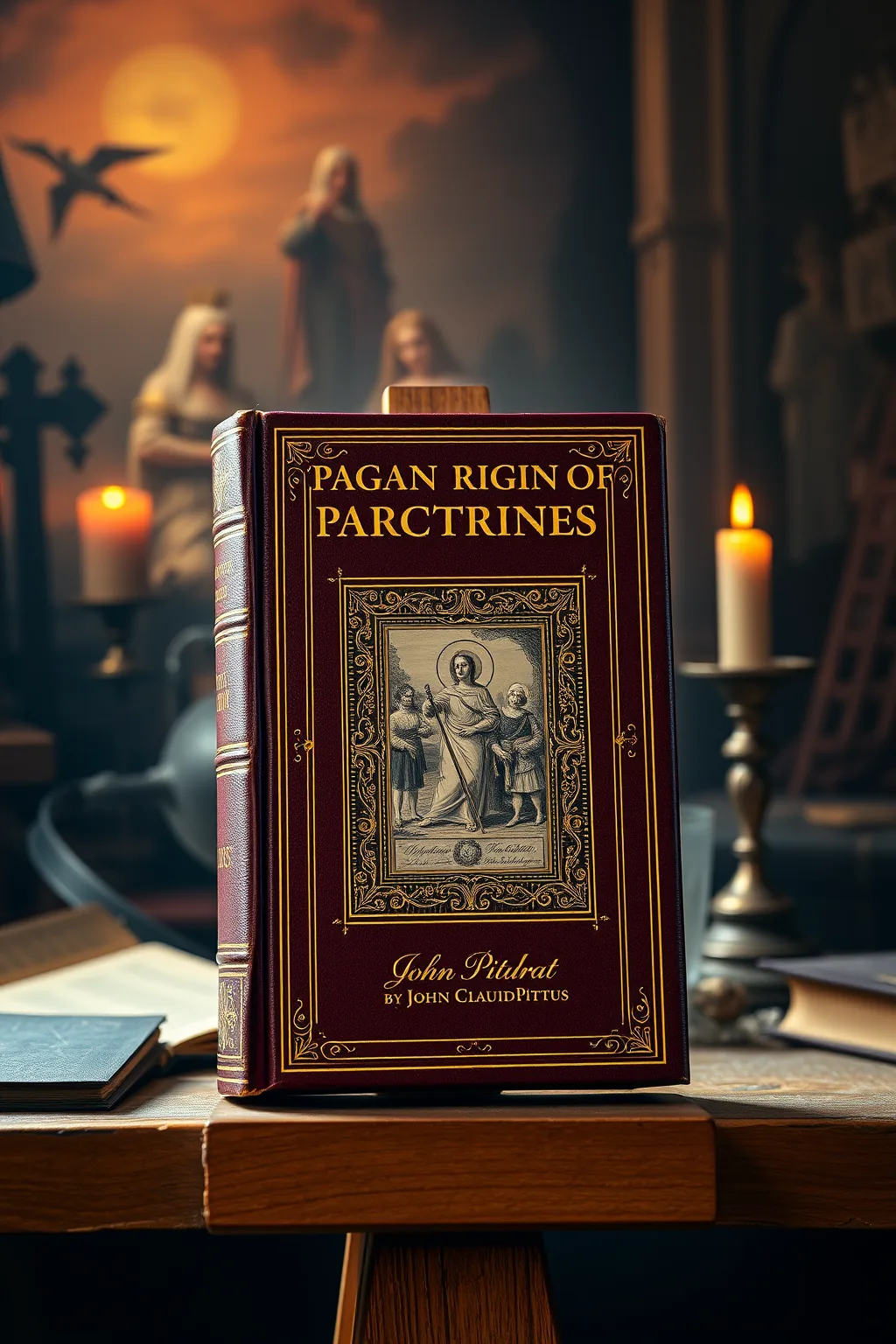
John Claudius Pitrat's 'Pagan Origin of Partialist Doctrines' is a thought-provoking exploration of the esoteric roots of religious beliefs. Pitrat meticulously traces the origins of partialist doctrines back to Pagan traditions, challenging the conventional narratives presented by the Catholic Church. His arguments are well-researched and compelling, making this book a valuable resource for modern esoteric seekers. The text is particularly enlightening for those interested in the hidden influences on major religions and the enduring impact of ancient beliefs. Pitrat's work is not just a historical account; it invites readers to question and explore the deeper layers of religious thought. For anyone fascinated by the occult and paganism, this book offers a rich and rewarding read.
📝 Description
68
John Claudius Pitrat's 1918 book traces partialist doctrines to pagan sources.
This 1918 study by John Claudius Pitrat examines the pagan origins of partialist doctrines, particularly as they relate to Catholic teachings on future punishment and universalism. Pitrat's work seeks to uncover symbolic meanings and occult knowledge embedded within religious texts. He argues that certain understandings of divine justice and redemption are shaped by influences outside mainstream religious history. The book aims to show the connections between esoteric traditions and established theological frameworks.
The author invites readers to consider the relationship between orthodox beliefs and heterodox interpretations. It is presented as a resource for those interested in the less apparent currents within religious thought. The text encourages contemplation on the boundaries of religious dogma and the hidden dimensions of spiritual concepts.
Pitrat's work sits within the esoteric tradition that seeks to find deeper, often hidden, meanings in religious and philosophical systems. It aligns with historical efforts to connect diverse spiritual practices and beliefs, suggesting that orthodox doctrines may incorporate elements from older, less recognized sources. The book participates in the exploration of occult symbolism and hidden knowledge, common in esoteric studies, applying it to theological controversies.
✍️ Author
Pitrat, John Claudius
Medieval gardens in Europe were widespread, but our very incomplete knowledge of them is better for those of elites than the common people, who probably mostly grew for food and medicine. The range of ornamental plants available was far narrower than in l…
💡 Why Read This Book?
Reading 'Pagan Origin of Partialist Doctrines' today provides a unique perspective on the esoteric influences that have shaped religious beliefs. It offers readers a deeper understanding of how ancient Pagan traditions have impacted modern religious doctrines, particularly within the Catholic Church. This book is essential for those seeking to explore the hidden layers of religious thought and the enduring impact of esoteric beliefs. It challenges conventional narratives and encourages a more nuanced view of religious history and practice.
⭐ Reader Reviews
Honest opinions from readers who have explored this book.
❓ Frequently Asked Questions
What is the main focus of 'Pagan Origin of Partialist Doctrines'?
The book focuses on the esoteric and occult roots of partialist doctrines, tracing them back to Pagan traditions and examining their influence on the Catholic Church's views on future punishment and universalism.
Who should read this book?
This book is ideal for scholars of religious history, occult enthusiasts, and anyone interested in the intersections of paganism and Christianity.
How does this book contribute to the understanding of religious doctrines?
The book provides a deeper understanding of how ancient beliefs continue to influence modern religious practices and controversies, challenging conventional narratives and encouraging a more nuanced view of religious history.
🔮 Key Themes & Symbolism
Universalism vs. Partialism
Pitrat explores the ancient debate between universalism, which posits ultimate salvation for all souls, and partialism, which advocates for eternal punishment. This theme is explored through the lens of pagan influences, revealing the esoteric dimensions of this enduring theological controversy.
Pagan Influences in Catholic Doctrine
The book uncovers the hidden pagan symbols and beliefs that have shaped Catholic teachings on future punishment and redemption. Pitrat's analysis offers a fresh perspective on the mystical undercurrents that have influenced religious doctrine for centuries.
Esoteric Dimensions of Religious Belief
Through a rich exploration of symbolism and hidden knowledge, Pitrat invites readers to question the boundaries between orthodoxy and heresy. This theme is particularly relevant for seekers of esoteric truths and practitioners of the occult, as it sheds light on the mystical dimensions of religious belief.
💬 Memorable Quotes
Direct passages from the work, attributed to the author.
“The boundaries between orthodoxy and heresy are often blurred by the threads of esoteric knowledge.”
— Pitrat highlights how hidden pagan influences have shaped religious doctrine, challenging traditional views.
“The symbols of paganism are woven into the fabric of Catholic belief.”
— Pitrat's exploration of pagan influences offers a deeper understanding of the mystical undercurrents that have shaped religious thought.
“Future punishment and redemption are themes that resonate with the ancient mysteries.”
— Pitrat's analysis of these themes reveals the pagan origins of Catholic controversies, offering a fresh perspective on enduring theological debates.
💡 Key Ideas
Editorial paraphrase of the work's core concepts — not direct quotes.
Universalism and partialism are two sides of the same mystical coin.
This quote underscores the ancient debate between ultimate salvation and eternal punishment, revealing the esoteric dimensions of this theological controversy.
The quest for hidden knowledge is a journey into the heart of spiritual controversy.
This quote invites readers to examine the esoteric dimensions of religious belief, questioning traditional views and exploring the mystical roots of doctrine.
🌙 Esoteric Significance
Tradition
This book belongs to the Hermetic tradition, which emphasizes the pursuit of hidden knowledge and the exploration of mystical dimensions of religious belief. Pitrat's work is a evidence of the enduring influence of Hermetic principles on religious thought.
Symbolism
Key symbols in the book include pagan motifs that have been incorporated into Catholic doctrine, such as the serpent as a symbol of wisdom and the tree of life as a representation of spiritual growth. These symbols are explored in depth, revealing their esoteric meanings and their influence on religious belief.
Modern Relevance
Today, 'Pagan Origin of Partialist Doctrines' is relevant for modern practitioners of the occult and seekers of esoteric knowledge. The book's exploration of pagan influences in Catholic doctrine offers a fresh perspective on enduring theological debates, making it a valuable resource for anyone interested in the mystical dimensions of religion.
👥 Who Should Read This Book
This book is ideal for scholars of religious mysticism, seekers of esoteric knowledge, and practitioners of the occult. Beginners may find the content challenging, but it provides a valuable introduction to the mystical undercurrents of religious thought. Advanced readers will appreciate Pitrat's meticulous research and evocative prose, making this a must-read for anyone interested in the hidden dimensions of religious belief.
📜 Historical Context
Written in an era of intense religious controversy, 'Pagan Origin of Partialist Doctrines' by John Claudius Pitrat sheds light on the hidden pagan influences that have shaped Catholic doctrine. Published during a time when the Church was grappling with the implications of universalism and future punishment, Pitrat's work offers a fresh perspective on these enduring theological debates. The book's influence can be seen in the ongoing exploration of the esoteric dimensions of religious belief, making it a valuable resource for scholars and practitioners of the occult.
📔 Journal Prompts
Reflect on the esoteric dimensions of religious belief that Pitrat explores in his book.
How do pagan influences shape our understanding of future punishment and redemption?
Consider the boundaries between orthodoxy and heresy in the context of religious doctrine.
What symbols of paganism can you identify in your own spiritual practice?
How does the debate between universalism and partialism resonate with your own beliefs?
🗂️ Glossary
Partialism
A theological view that advocates for the eternal punishment of the wicked, contrasting with universalist beliefs.
Universalism
A belief in the ultimate salvation of all souls, regardless of their actions or beliefs.
Hermetic Tradition
A mystical and esoteric tradition that emphasizes the pursuit of hidden knowledge and spiritual enlightenment.
Esoteric Symbolism
Symbols and motifs that have hidden or mystical meanings, often used in religious and spiritual practices.
Theological Controversy
A debate or disagreement within religious thought, often involving interpretations of doctrine and belief.
This book appears in 2 collections
🔮 Readers Also Liked
Browse all →









From the “Witchcraft” Collection
View all →






More Free Witchcraft & Paganism Books
View all →