Night of the Werecat
 76
76

Night of the Werecat
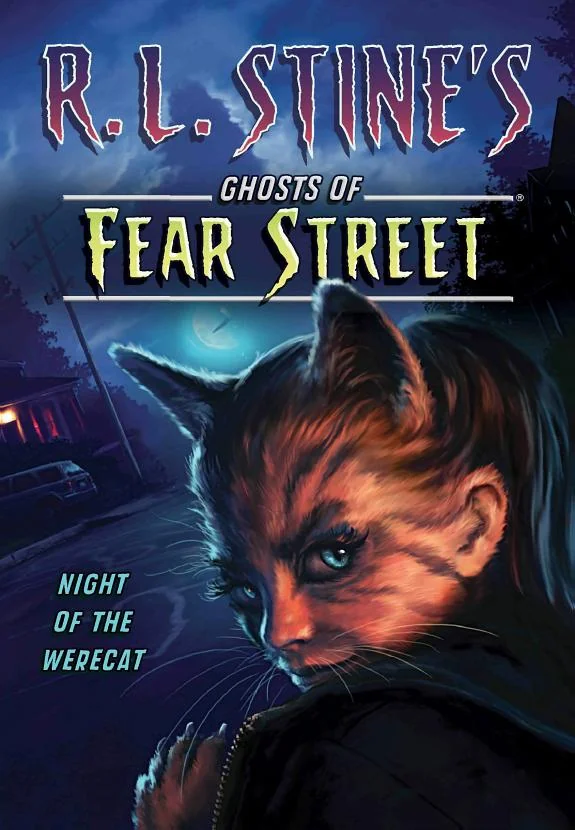
R.L. Stine’s "Night of the Werecat" offers a familiar brand of adolescent dread, this time with a distinctly feline flair. The strength lies in Stine’s consistent ability to build suspense quickly, making the transformation sequences genuinely unnerving for the target audience. A particular passage describing the protagonist’s heightened senses after the change—the overwhelming scents and sounds of the suburban night—effectively conveys the disorienting nature of the curse. However, the narrative pacing occasionally falters, with some plot developments feeling rushed in service of reaching the next scare. The resolution, while fitting within the series' established tone, could benefit from more exploration of the internal conflict. Ultimately, it's a solid, if unsurprising, entry for young horror fans.
📝 Description
76
R.L. Stine published 'Night of the Werecat' in 2011, a story about a girl transforming into a cat-like creature.
R.L. Stine’s "Night of the Werecat" is a young adult horror novel published in 2011. The story follows a protagonist who undergoes an unsettling transformation into a creature with feline characteristics. This book revisits the popular Fear Street universe, known for its suburban settings and teenage protagonists facing supernatural dangers. Stine uses the familiar werewolf trope but gives it a distinct cat-based twist, exploring the anxieties of adolescence through a monster narrative. The novel is written for young readers, offering an accessible introduction to horror themes like fear and change. Its accessible style makes it suitable for early teens, while its core concepts of dual identity and unexpected changes might still engage older readers looking for lighter genre fiction. The book functions as an entry point into suspenseful storytelling and character-driven terror within the horror genre.
Published as part of a revived "Ghosts of Fear Street" series in 2011, "Night of the Werecat" continues R.L. Stine's long history of writing for young adults. This book taps into the enduring appeal of werewolf and shapeshifter lore, a common element in supernatural fiction. The werecat serves as a metaphor for the difficult, often frightening, changes and primal instincts that emerge during adolescence. It examines the fear of losing control and the disruption these internal shifts can cause to one's everyday life.
💡 Why Read This Book?
• Understand the symbolic weight of feline shapeshifting in horror narratives, examining how the "werecat" motif differs from traditional werewolf stories, as presented in the book’s exploration of dual identity. • Experience R.L. Stine's signature suspense-building techniques specifically tailored for a younger audience, appreciating his narrative strategies as seen in the "Ghosts of Fear Street" series revival. • Analyze the adolescent fear of uncontrollable change through the lens of the protagonist’s transformation, a core element established early in the 2011 publication context.
⭐ Reader Reviews
Honest opinions from readers who have explored this book.
❓ Frequently Asked Questions
What is the main plot of R.L. Stine's "Night of the Werecat"?
The book follows a protagonist who begins to undergo a terrifying transformation into a werecat, struggling to control their new feline instincts and the fear associated with this change.
When was "Night of the Werecat" originally published?
This novel was first published on May 24, 2011, as part of a new iteration of the "Ghosts of Fear Street" series.
Is "Night of the Werecat" part of the original Fear Street series?
No, it is part of a later series, "Ghosts of Fear Street," which began in 2011, distinct from the original "Fear Street" books that started in 1989.
What kind of horror does R.L. Stine employ in this book?
Stine uses suspenseful, atmospheric horror suitable for young adults, focusing on the psychological dread of transformation and loss of control, rather than graphic violence.
Who is the target audience for "Night of the Werecat"?
The book is primarily intended for young adult readers, particularly those aged 10-14, who enjoy supernatural stories and monster fiction.
Does the book explore themes beyond just the monster transformation?
Yes, "Night of the Werecat" touches upon themes of identity, the fear of the unknown within oneself, and the disruption of normal life by uncontrollable forces.
🔮 Key Themes & Symbolism
Adolescent Identity Crisis
The narrative uses the werecat transformation as a metaphor for the turbulent changes of adolescence. The protagonist grapples with a new, primal self emerging alongside their human identity, mirroring the confusion and fear of growing up. This internal conflict, a hallmark of YA literature, is amplified by the supernatural curse, forcing the character to confront aspects of themselves they cannot control or understand, a common thread in R.L. Stine's work since the 1989 debut of Fear Street.
The Primal and the Civilized
"Night of the Werecat" contrasts the civilized world of suburban life with the untamed, instinctual nature of the werecat. The protagonist's struggle to maintain normalcy while succumbing to feline urges highlights the tension between societal expectations and innate desires. This duality is central to werewolf lore but is given a unique spin, focusing on heightened senses and predatory instincts that disrupt the mundane reality of Fear Street.
Fear of the Unknown
A core theme is the fear of the unknown, both external and internal. The protagonist fears the creature they are becoming and the potential harm they might inflict. This externalizes the internal anxieties of young readers facing new experiences and the uncertainty of the future. The narrative taps into the primal fear of losing control, a concept Stine has expertly explored across his bibliography, including the original "Fear Street" series.
Suburban Gothic
The setting of Fear Street provides a backdrop of suburban gothic horror. The seemingly idyllic neighborhood becomes a source of dread as supernatural events unfold. This subgenre plays on the idea that danger can lurk beneath the surface of ordinary life, a theme prevalent in R.L. Stine’s writing since the late 1980s, making familiar locales unsettling.
💬 Memorable Quotes
Direct passages from the work, attributed to the author.
“Her reflection showed eyes that glinted with a feral light.”
— This points to the physical manifestations of the curse, where the human form begins to betray the animalistic transformation. The 'feral light' suggests a wildness taking hold.
“She craved the darkness, the hunt, the thrill of the chase.”
— This expresses the overwhelming pull of the werecat's instincts. It shows how the primal urges begin to dominate the character's desires, overriding their human consciousness.
“Fear Street felt different under the moon's glare.”
— This sets the scene for supernatural events, suggesting that the familiar suburban range of Fear Street becomes a place of heightened danger and mystery when under the influence of the lunar cycle and its accompanying curse.
💡 Key Ideas
Editorial paraphrase of the work's core concepts — not direct quotes.
The night air tasted different. Sharper. Alive.
This line captures the sensory awakening of the protagonist after the initial transformation, highlighting the shift from human perception to a more primal, animalistic awareness of their surroundings.
A low growl rumbled in her chest, a sound she didn't recognize.
This quote signifies the loss of control and the emergence of the beast within. The unfamiliarity of the sound emphasizes the alien nature of the curse and the fear it instills.
🌙 Esoteric Significance
Tradition
While R.L. Stine's work is primarily commercial young adult fiction, "Night of the Werecat" touches upon archetypal themes found in various folk traditions and, by extension, esoteric thought. The concept of shapeshifting, particularly into animal forms, is ancient, appearing in shamanistic practices and various mythologies. The werecat specifically draws from folklore that often associates felines with mystery, magic, and sometimes ill omen or the uncanny, linking it loosely to traditions that view animal familiars or transformations as significant spiritual or magical events.
Symbolism
The primary symbol is the werecat itself, representing the duality of human nature and the wild, instinctual self. This duality mirrors Gnostic ideas of the struggle between the spiritual and the material, or the inner beast within the civilized human. The moon is also a potent symbol, traditionally linked to lunar magic, cycles of transformation, and the subconscious, amplifying the werecat's power and the protagonist's loss of control.
Modern Relevance
Contemporary urban fantasy and paranormal romance genres, which often feature shapeshifters and supernatural beings navigating modern society, owe a debt to the foundational mythos explored in works like "Night of the Werecat." While not directly citing Stine, practitioners and enthusiasts of modern witchcraft or neo-paganism might find resonance in the themes of embracing one's inner nature, the power of animal archetypes, and the cyclical influence of celestial bodies like the moon.
👥 Who Should Read This Book
• Young readers (ages 10-14) new to horror and supernatural fiction, seeking an accessible entry point into the genre with a focus on suspense and creature features. • Fans of R.L. Stine's "Goosebumps" and original "Fear Street" series looking for a modern take on his signature style within the "Ghosts of Fear Street" context. • Readers interested in exploring themes of transformation, identity, and the fear of the unknown through a narrative that uses animalistic metaphors, specifically the unique werecat archetype.
📜 Historical Context
R.L. Stine's "Night of the Werecat," published in 2011, emerged during a period of renewed interest in YA horror and reboots of established franchises. While Stine had been a dominant force since the early 1990s with the original "Fear Street" series (beginning 1989) and "Goosebumps," this book belongs to a later iteration, "Ghosts of Fear Street." This era saw contemporary authors like Melissa de la Cruz with "Witches of East End" (2011) exploring supernatural themes for younger demographics, albeit with different tones. The "Ghosts of Fear Street" series itself was a strategic move by publishers to capitalize on nostalgia while updating the brand for a new generation accustomed to darker, more complex supernatural narratives found in shows like "The Vampire Diaries" (premiered 2009). Unlike the more literary horror of Stephen King, Stine's work consistently prioritized accessible, fast-paced plots for younger readers, avoiding the psychological depth of authors like Shirley Jackson. Reception of Stine's work has generally been positive among its target audience, praised for its ability to engage reluctant readers. While not typically subject to academic critical analysis in the same vein as more adult-oriented horror, its commercial success and enduring presence in children's literature libraries solidify its place.
📔 Journal Prompts
The protagonist's growing feline instincts, such as heightened senses and urges to hunt.
The symbolic meaning of the moon in relation to the werecat's transformation.
The contrast between the perceived safety of Fear Street and the emerging supernatural threat.
The internal conflict between the character's human self and the emerging werecat.
The 'feral light' observed in the character's eyes during transformation.
🗂️ Glossary
Werecat
A mythical creature possessing characteristics of both a human and a cat, capable of transforming between the two forms, often associated with primal instincts and lunar cycles.
Fear Street
A fictional street and the setting for a series of young adult horror novels by R.L. Stine, known for its seemingly ordinary suburban environment concealing supernatural dangers.
Shapeshifting
The ability to change one's physical form into that of another creature, often an animal, a common trope in mythology and fantasy literature.
Primal Instincts
Basic, innate urges and behaviors associated with survival and animalistic nature, such as hunting, aggression, or territoriality, which can surface during transformation.
Suburban Gothic
A literary subgenre that blends the conventions of Gothic horror with the setting of a suburban environment, highlighting darkness beneath a veneer of normalcy.
Dual Identity
The state of having two distinct personalities or selves, often in conflict, as experienced by the protagonist who struggles between their human consciousness and the werecat's nature.
Feral
In a wild state, especially after escape from captivity or domestication; possessing a fierce, untamed quality, often applied to the eyes or nature of the werecat.
This book appears in 1 collection
🔮 Readers Also Liked
Browse all →







From the “Shapeshifting” Collection
View all →





More Free Occult Philosophy Books
View all →