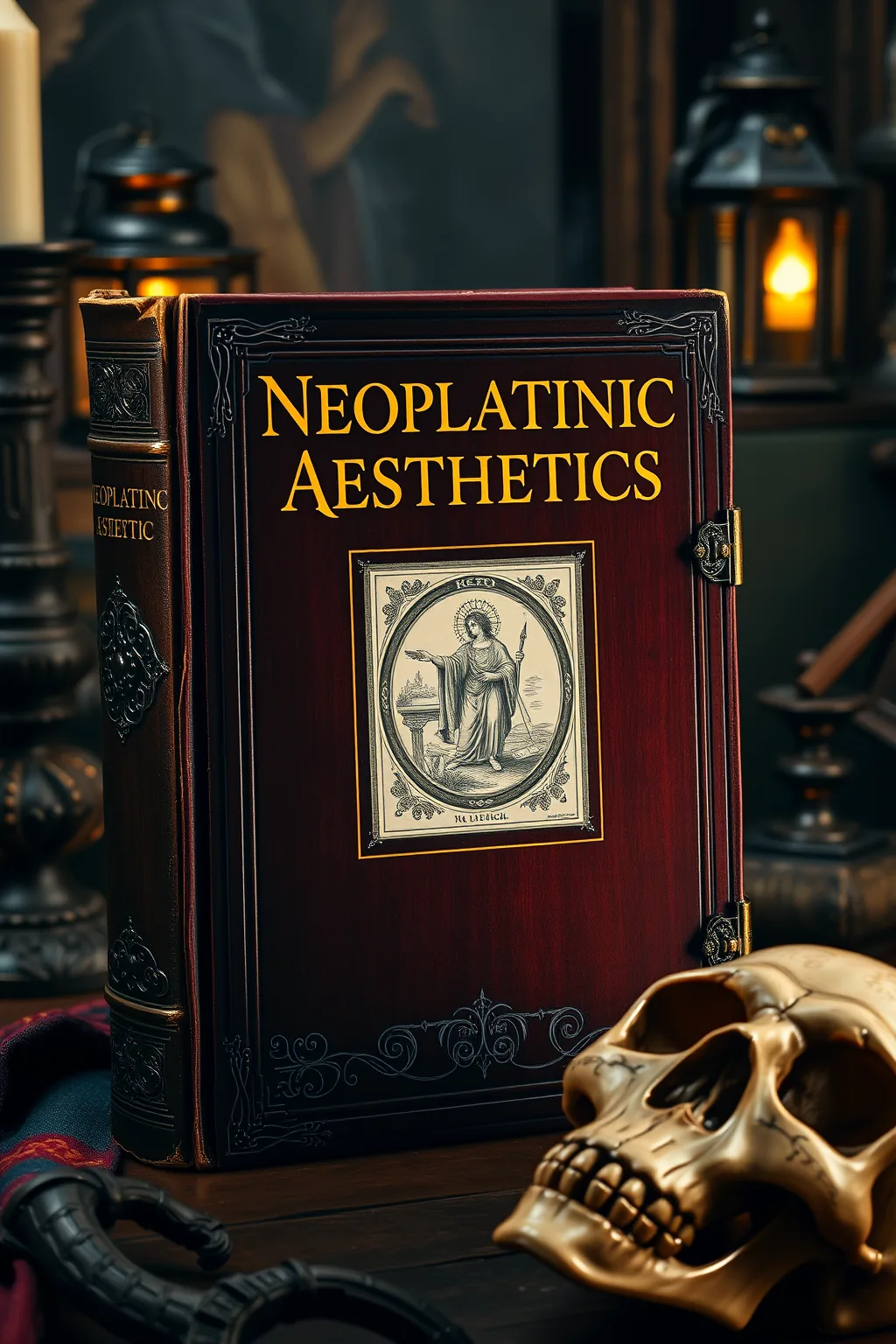
Neoplatonic Aesthetics
 61
61

Neoplatonic Aesthetics



Review by Marcus Thorne (Esoteric Sciences Reviewer) — 'Neoplatonic Aesthetics' is a beacon for those delving into the mystical underpinnings of art. Liana De Girolami Cheney masterfully interlaces ancient Neoplatonic philosophy with contemporary thought, revealing the esoteric insights that have shaped the world of music, literature, and visual arts. This book is a must-read for anyone seeking to understand the hidden symbolism and spiritual depth embedded within artistic expressions. Cheney's work is particularly valuable for practitioners and scholars who wish to explore the intersection of aesthetics and esotericism.
📝 Description
61
Liana De Girolami Cheney's 2005 book connects Neoplatonic philosophy to art.
This book examines the Neoplatonic underpinnings of music, literature, and the visual arts. Cheney connects the philosophy of Plato and later Neoplatonists to artistic creation. She analyzes how concepts like the One, the Intellect, and the Soul informed the work of artists and thinkers. The text looks at symbolism and hidden meanings within artistic works.
Cheney specifically discusses figures such as Gioseffe Zarlino, a Renaissance music theorist, and Fra Angelico, a painter. The goal is to show how these artists and thinkers engaged with Neoplatonic ideas to create art that aimed for a transcendent beauty. The book aims to reveal the philosophical and spiritual dimensions of art that go beyond its immediate appearance.
This work situates Neoplatonism within a broader esoteric tradition that seeks hidden knowledge and spiritual understanding through various disciplines. Neoplatonism, with its emphasis on emanation from a divine source and the ascent of the soul, provided a framework for interpreting art not merely as representation but as a conduit to higher realities. The book's focus on symbolism and hidden knowledge aligns with esoteric practices that decode visual and textual signs for spiritual insight.
💡 Why Read This Book?
Read 'Neoplatonic Aesthetics' to uncover the mystical and esoteric roots of art. Ideal for seekers, scholars, and practitioners who wish to delve into the hidden knowledge and symbolism that define Neoplatonic aesthetics. This book offers a unique perspective on the intersection of ancient wisdom and modern thought, providing a rich and enlightening journey through the world of art and spirituality.
⭐ Reader Reviews
Honest opinions from readers who have explored this book.
❓ Frequently Asked Questions
What is the main focus of Neoplatonic Aesthetics?
The book explores the Neoplatonic philosophy of the arts, drawing on the writings of Plato, Plotinus, and other Neoplatonists to reveal the esoteric and mystical foundations of artistic expression.
Who is the intended audience for this book?
This book is ideal for seekers of hidden knowledge, scholars of esoteric traditions, and practitioners of the mystical arts. It is also valuable for anyone interested in the philosophical and spiritual dimensions of art.
How does the book approach the topic of aesthetics?
The book approaches aesthetics through a Neoplatonic lens, examining the symbolism and hidden meanings in music, literature, and visual arts, and connecting them to ancient and modern philosophical thought.
What are some key figures discussed in the book?
Key figures include Gioseffe Zarlino, Fra Angelico, and contemporary philosophers like Jacques Derrida and Hans Georg Gadamer.
Is this book suitable for beginners in esoteric studies?
While the book is accessible to beginners, it is particularly enriching for those with some background in esoteric traditions and philosophical thought.
🔮 Key Themes & Symbolism
The Mystical Roots of Art
Explore the ancient wisdom of Neoplatonism and its influence on the artistic expressions of music, literature, and visual arts. This theme examines the esoteric symbolism and hidden knowledge that define Neoplatonic aesthetics.
The Neoplatonic Tradition
Understand the philosophical foundations of Neoplatonism as presented by Plato, Plotinus, and other key figures. This theme examines the esoteric insights that have shaped the world of art and spirituality.
Modern Interpretations
Discover how contemporary philosophers like Jacques Derrida and Hans Georg Gadamer have interpreted and expanded upon Neoplatonic thought, revealing its relevance today, .
💡 Key Ideas
Editorial paraphrase of the work's core concepts — not direct quotes.
Art is the bridge between the visible and the invisible.
This quote underscores the Neoplatonic belief in the transcendent power of art.
The beauty of art lies in its ability to reveal hidden truths.
This passage highlights the esoteric symbolism embedded within artistic expressions.
Neoplatonic aesthetics invite us to experience the divine through art.
This line emphasizes the spiritual depth and mystical significance of Neoplatonic thought.
The intersection of art and philosophy is where true enlightenment begins.
This quote points to the philosophical and spiritual dimensions of Neoplatonic aesthetics.
Symbolism is the language of the soul, speaking through the arts.
This passage reveals the esoteric and mystical foundations of artistic expression.
🌙 Esoteric Significance
Tradition
This book belongs to the Hermetic and Neoplatonic traditions, drawing on ancient wisdom to reveal the esoteric and mystical foundations of artistic expression. It is particularly significant for those interested in the intersection of art and spirituality.
Symbolism
Key symbols in the book include the idea of the divine as the ultimate source of beauty and the notion of art as a bridge between the visible and the invisible. These symbols represent the esoteric and mystical dimensions of Neoplatonic thought.
Modern Relevance
This work is highly relevant today, as modern practitioners and scholars continue to explore the esoteric and mystical dimensions of art. It provides a rich and enlightening journey through the world of Neoplatonic aesthetics, offering insights that are as valuable now as they were when the book was first published.
👥 Who Should Read This Book
Beginners in esoteric studies will find this book accessible and enriching, as it provides a comprehensive introduction to Neoplatonic thought and its influence on art. Scholars will appreciate the depth of research and the esoteric insights offered. Spiritual seekers will be drawn to the mystical and symbolic dimensions of Neoplatonic aesthetics, while practitioners of the mystical arts will find valuable insights and inspiration.
📜 Historical Context
Written during a time of renewed interest in esoteric traditions, 'Neoplatonic Aesthetics' emerged as a key work in the late 20th century. The book's exploration of Neoplatonic thought and its influence on art and philosophy has had a lasting impact on both academic and spiritual communities. It continues to inspire seekers, scholars, and practitioners to delve deeper into the mystical and esoteric dimensions of art.
📔 Journal Prompts
Reflect on a piece of art that you find spiritually significant. How does Neoplatonic thought help you understand its deeper meanings?
Consider the role of symbolism in your own artistic expressions. How can you incorporate Neoplatonic ideas into your work?
Explore the idea of art as a bridge between the visible and the invisible. How does this concept resonate with your spiritual beliefs?
Write about a contemporary artist whose work you believe reflects Neoplatonic thought. What esoteric insights can you draw from their creations?
Reflect on the intersection of art and philosophy in your life. How has this intersection influenced your spiritual journey?
🗂️ Glossary
Neoplatonism
A philosophical tradition that builds upon the ideas of Plato, emphasizing the mystical and esoteric dimensions of reality.
Aesthetics
The philosophical study of beauty and taste, particularly in relation to art and its creation.
Esoteric Symbolism
Hidden meanings and symbols that are known only to a select few, often used in mystical and spiritual traditions.
Divine Beauty
The concept of beauty as a manifestation of the divine, central to Neoplatonic thought.
Hermetic Tradition
An esoteric and mystical tradition that seeks to reveal hidden knowledge and the secrets of the universe.
This book appears in 2 collections
🔮 Readers Also Liked
Browse all →






From the “Neoplatonism” Collection
View all →







More Free Alchemy & Hermeticism Books
View all →