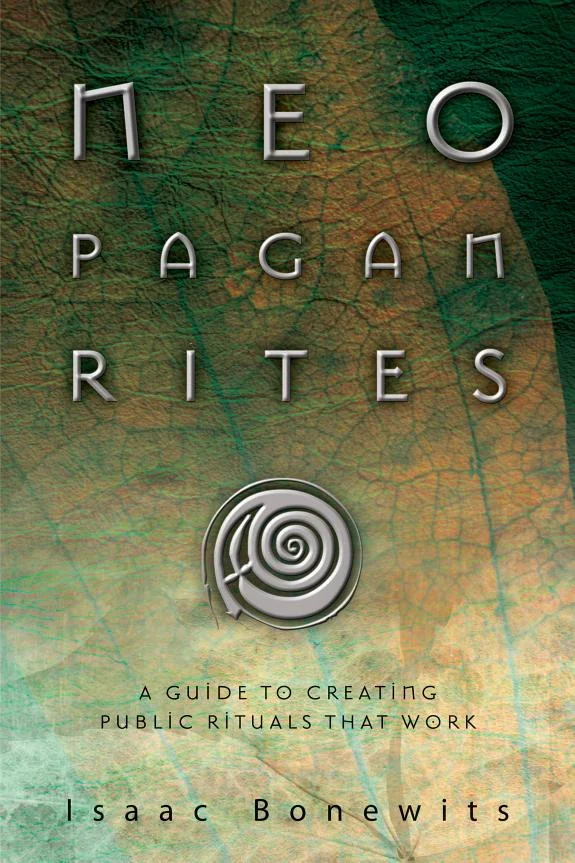
Neopagan Rites
 71
71

Neopagan Rites
Isaac Bonewits’ *Neopagan Rites* offers a refreshingly pragmatic approach to a subject often shrouded in mystique. Instead of abstract theory, Bonewits provides a functional blueprint for crafting public rituals, a much-needed resource for the burgeoning Neopagan communities of the early 2000s. His breakdown of ritual phases—from consecration to grounding—is particularly lucid, offering clear steps that demystify the process for organizers. A strength lies in his emphasis on psychological efficacy, framing rites as tools for focused intent and communal cohesion. However, the book occasionally feels overly prescriptive; while aiming for universality, some of the examples might not resonate with the diverse theological underpinnings of all Neopagan paths. The section on "The Wheel of the Year" offers solid structural advice but could benefit from acknowledging the varied seasonal interpretations across traditions. Despite this, Bonewits succeeds in equipping readers with the foundational skills to lead impactful ceremonies. It’s a workmanlike guide that prioritizes clarity and utility over poetic flourish.
📝 Description
71
Isaac Bonewits published Neopagan Rites in 2007, a practical guide to public ritual creation.
This book offers direct instruction for crafting public Neopagan rituals. It moves past theory to provide actionable steps for individuals and groups aiming to design meaningful ceremonies. Bonewits addresses both the logistical and spiritual aspects required for rites that not only achieve their intended purpose but also build community and inspire participants. The focus is squarely on the practical construction of ritual, making it a useful reference for those involved in or starting public Neopagan observances.
The guide is written for Neopagan leaders, ritual organizers, and active members responsible for planning and leading public ceremonies. It will also benefit individuals interested in how rituals are constructed, even if their practice is solitary, because it breaks down the core elements of effective ritual structure. Those looking to understand how Neopagan ceremonies compare or differ, or who need to adapt existing rites for specific community needs, will find useful frameworks here. It serves experienced practitioners and newcomers alike who wish to contribute effectively to group practice.
Published in 2007, *Neopagan Rites* appeared as the Neopagan movement was growing and diversifying. Following earlier figures and increased academic interest, Neopaganism had become more visible. Bonewits' work responds to the practical needs of numerous public Neopagan groups seeking adaptable approaches to ritual, moving beyond more secluded traditions. It provides frameworks for creating public ceremonies that are both standardized and flexible, addressing a gap in practical, accessible guidance for group observance.
💡 Why Read This Book?
• Learn specific techniques for structuring public rituals, including the five core phases Bonewits details, ensuring your ceremonies are cohesive and impactful. • Gain practical methods for creating and maintaining sacred space, drawing from Bonewits' explanation of energetic consecration and grounding practices. • Understand the psychological underpinnings of ritual efficacy, as explained through Bonewits' application of psychodrama principles to Neopagan ceremonialism.
⭐ Reader Reviews
Honest opinions from readers who have explored this book.
❓ Frequently Asked Questions
What is the primary goal of the rituals described in Neopagan Rites?
The primary goal is to create public rituals that unify participants, inspire spiritual connection, and effectively fulfill the intended purpose of the ceremony, whether it be celebration, healing, or community building.
Who is Isaac Bonewits and what is his background?
Isaac Bonewits is a prominent author and leader in the Neopagan movement, known for his work in Pagan Reconstructionism and eclectic Paganism. He has been active since the 1970s and is the founder of MoonRock Druidry.
Does Neopagan Rites focus on a specific Neopagan tradition?
While drawing from various Neopagan concepts, the book aims for broad applicability across different traditions. It focuses on universal principles of ritual craft applicable to diverse Neopagan paths, rather than a single dogma.
What are the key components of a ritual according to Bonewits?
Bonewits outlines key components such as establishing sacred space, invoking deities or energies, conducting the main ritual work, and safely closing and grounding the ritual space and participants.
When was Neopagan Rites first published?
The book *Neopagan Rites* was first published in 2007, reflecting a period of growth and formalization within the Neopagan movement.
Are there examples of specific rites included in the book?
Yes, the book provides numerous examples and templates for various types of rites, particularly focusing on the cycles of the year and common community needs, offering practical structures readers can adapt.
🔮 Key Themes & Symbolism
Ritual Structure and Mechanics
The work meticulously dissects the architecture of public ritual, presenting it as a series of functional stages. Bonewits emphasizes the importance of clear transitions between phases—opening the space, invocation, the core working, and the closing/grounding—arguing that each element serves a specific purpose in directing energy and focus. This structured approach moves ritual from potentially chaotic improvisation to deliberate, effective practice, ensuring that the participants’ collective intent is channeled purposefully. The book provides frameworks that can be adapted for various types of ceremonies, from seasonal celebrations to specific group intentions.
The Psychology of Ritual
Bonewits explores the psychological impact of ritual, drawing parallels with psychodrama and applied theater. He posits that ritual acts as a powerful tool for focusing the collective subconscious and facilitating personal or communal transformation. By engaging participants through symbolic actions, vivid language, and shared experience, rituals can create profound shifts in perception and emotional states. This perspective highlights the efficacy of well-crafted rites not just as spiritual expressions, but as potent psychological interventions for healing, empowerment, and community cohesion.
Creating Sacred Space
A significant theme is the practical creation and maintenance of sacred space. Bonewits details methods for consecrating an area, thereby transforming mundane space into a temporary container for focused spiritual work. This involves not only symbolic actions like casting a circle but also energetic management throughout the ritual. Equally important is the process of grounding and dispersing energy afterward, ensuring that the sacred space is properly closed and participants return to ordinary awareness without energetic disruption. This focus underscores the importance of environmental and energetic considerations in ritual success.
Community and Leadership in Ritual
The book addresses the communal aspect of Neopagan practice, emphasizing the role of ritual in fostering unity and shared identity. It provides guidance for those in leadership positions, outlining responsibilities for planning, facilitation, and ensuring inclusivity. Bonewits stresses the importance of clear communication, defined roles, and adapting rituals to the specific needs and dynamics of the group involved. This theme highlights ritual not merely as individual expression but as a vital communal activity that strengthens bonds and collective purpose within the Neopagan movement.
💬 Memorable Quotes
Direct passages from the work, attributed to the author.
“Ritual is psychodrama, consciously enacted.”
— This statement frames ritual as a deliberate, intentional performance that harnesses psychological forces for spiritual or personal ends. It suggests that the symbolic actions and roles within a rite are designed to evoke specific internal states and effects in the participants.
“The primary purpose of a ritual is to do what it is supposed to do.”
— This pragmatic assertion underscores Bonewits' focus on efficacy. It means a ritual is successful not by its aesthetic beauty or complexity alone, but by its ability to achieve its stated goals, whether that's invoking a deity, healing, or fostering community.
“A ritual should have a beginning, a middle, and an end.”
— This simple structural principle highlights the book's emphasis on clear organization. It implies that effective rituals follow a logical progression, from setting the stage to the main event, and finally to a clear conclusion and return to normalcy.
“The circle is a boundary, both physical and energetic.”
— This describes the function of the ritual circle as a contained, sacred space. It acts as a barrier against mundane distractions and external influences, while also serving as a vessel to hold and direct the ritual's energy.
“Grounding is essential for returning to ordinary consciousness.”
— This points to the crucial final stage of ritual work. Grounding ensures that participants can safely reintegrate into everyday reality, releasing any excess energy generated during the rite and preventing potential psychological disorientation.
🌙 Esoteric Significance
Tradition
While not strictly tied to a single esoteric lineage like Hermeticism or Kabbalah, *Neopagan Rites* draws heavily from the practical, ceremonial aspects found within Western Esotericism, particularly its ceremonial magic traditions. It synthesizes elements from various Pagan Reconstructionist movements, Druidry, and eclectic Wicca, focusing on the universal principles of ritual craft. The work adapts concepts of energy manipulation, sacred space, and focused intent, which are cornerstones of many esoteric disciplines, making them accessible for Neopagan public practice.
Symbolism
Key symbols often employed in the rites Bonewits describes include the circle, representing unity, the infinite, and the sacred boundary of ritual space; the four directions (North, East, South, West) and the elements associated with them, used for invocation and grounding; and the Wheel of the Year, symbolizing the cyclical nature of life, death, and rebirth, central to many seasonal Neopagan festivals.
Modern Relevance
Contemporary Neopagan leaders, ritual designers, and community organizers continue to utilize Bonewits' work as a foundational text. Its pragmatic approach to ritual mechanics is especially relevant for the many eclectic and Reconstructionist Pagan groups forming today, who require adaptable frameworks. Thinkers and practitioners focused on applied ritual studies, community building within spiritual movements, and the intersection of psychology and spirituality find value in its structured methodologies.
👥 Who Should Read This Book
• Aspiring and current Neopagan ritual leaders seeking practical guidance on structuring and facilitating ceremonies effectively. • Individuals interested in the mechanics of creating sacred space and directing ritual energy for group practice. • Students of comparative religion or sociology studying the development and practices of modern Pagan movements.
📜 Historical Context
Published in 2007, *Neopagan Rites* emerged from a specific context within the Neopagan movement's evolution. By the early 21st century, Neopaganism had moved beyond its initial, often insular, phase, with many groups actively seeking ways to conduct public ceremonies that were both meaningful and accessible. This period saw increased academic interest, with scholars like Ellen Evert Gorse publishing on Pagan traditions, and a growing number of individuals identifying with various Neopagan paths. Bonewits' work provided a practical, how-to guide that addressed the needs of a maturing movement looking for standardized yet adaptable ritual frameworks. It stood in contrast to the more esoteric or highly personalized approaches prevalent in earlier decades, offering a functional manual for group ritualists. While figures like Gardner had laid groundwork, Bonewits focused on the mechanics of public rites, filling a gap for those needing to organize and lead ceremonies for diverse congregations, differentiating itself from more tradition-specific theological texts.
📔 Journal Prompts
The sacred space consecration: What elements could you incorporate to make a ritual space feel truly set apart?
Analyzing ritual phases: How might the 'invocation' phase of a rite differ for a Solstice celebration versus a healing ritual?
Psychodrama in practice: Identify a personal goal and brainstorm symbolic actions to represent it within a ritual context.
Closing the circle: What methods ensure participants feel properly grounded after a powerful ritual experience?
Community building through rites: Reflect on how a specific ritual element could foster greater unity among participants.
🗂️ Glossary
Grounding
The practice of safely releasing excess ritual energy and re-establishing a connection with the mundane world after a ceremony, preventing disorientation.
Invocation
The act of calling upon deities, spirits, or energies to be present and participate within the sacred space during a ritual.
Consecration
The ritual act of dedicating or setting apart a space, object, or person for sacred purposes, transforming it into holy ground.
Psychodrama
A form of psychotherapy in which patients act out past, present, or future roles and conflicts, used here to understand the psychological impact of ritual enactment.
Casting the Circle
The ritual process of defining and creating a sacred space, typically by tracing a boundary and consecrating it, often associated with invoking the quarters.
Wheel of the Year
The cycle of eight seasonal festivals observed in many Neopagan traditions, marking the solstices, equinoxes, and cross-quarter days.
Libation
The ritual pouring of a liquid (like wine or water) as an offering to a deity, spirit, or as part of a ceremony.
This book appears in 1 collection
🔮 Readers Also Liked
Browse all →









From the “Neopaganism” Collection
View all →






More Free Witchcraft & Paganism Books
View all →