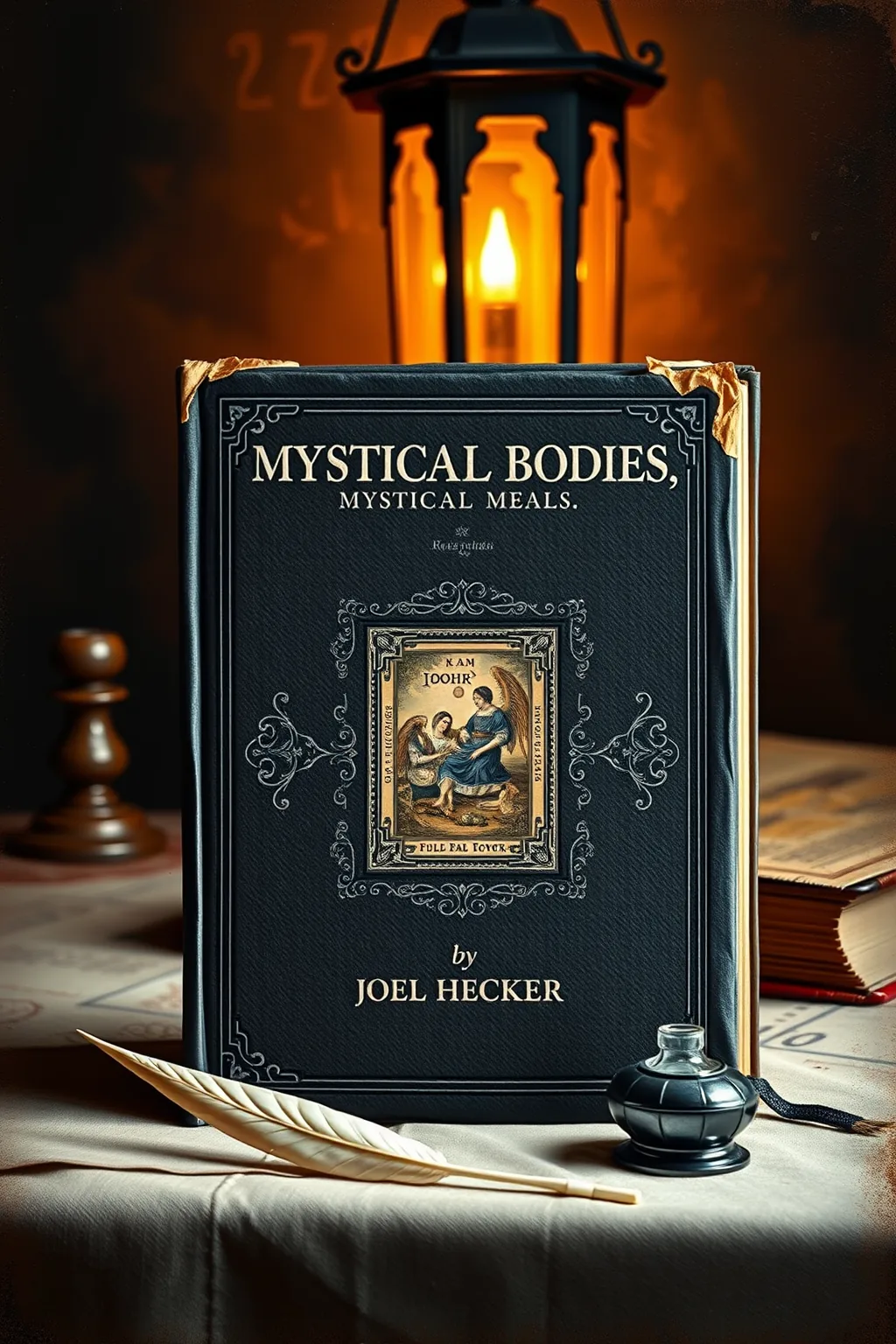
Mystical Bodies, Mystical Meals
 61
61

Mystical Bodies, Mystical Meals

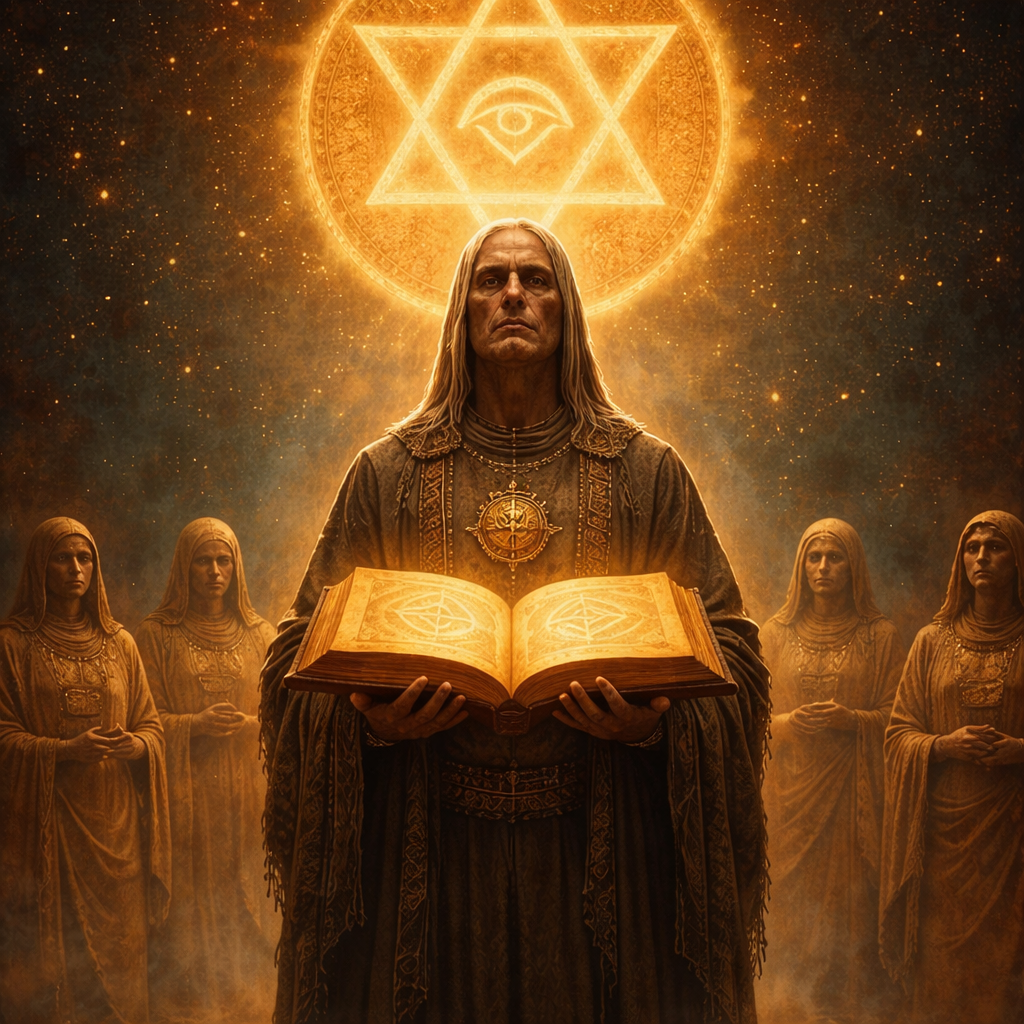

Joel Hecker's "Mystical Bodies, Mystical Meals" is a revelatory exploration into the under-acknowledged spiritual significance of culinary practices within Kabbalah. Hecker masterfully guides the reader through the labyrinthine homilies of the Zohar, demonstrating how the seemingly mundane act of eating was imbued with profound esoteric meaning. The book illuminates the intricate relationship between physical sustenance and spiritual transcendence, revealing how sacred meals served as crucibles for mystical experience and the formation of the 'mystical body.' For seasoned scholars of Jewish mysticism and earnest seekers alike, this work offers unparalleled insights into the embodied nature of divine connection, presenting a compelling case for the holistic integration of the physical and spiritual realms. It is a scholarly yet accessible dive into the hidden currents of Kabbalistic thought.
📝 Description
61
Joel Hecker's 2018 book examines Kabbalistic ideas about food and the body.
Joel Hecker's "Mystical Bodies, Mystical Meals" investigates the spiritual significance of eating within Jewish mysticism, especially as it developed in late thirteenth-century Spain. The book examines how communal and individual meals functioned as more than just nourishment; they were seen as powerful means for achieving mystical experiences. Hecker looks closely at texts like the Zohar to show how the physical body could become a channel for divine connection and spiritual growth through sacred dining.
The work considers how the act of eating could shape the 'mystical body' of a devotee. This process, according to the esoteric philosophy discussed, allows for direct communion with the sacred. It reveals a specific vocabulary of spiritual sustenance and shows how everyday acts, like sharing a meal, were understood as opportunities for divine union and deep spiritual knowledge.
This book belongs to the study of Kabbalah, a tradition of Jewish mysticism. It focuses on a period when Kabbalistic thought, particularly in Spain, was developing complex symbolic systems. Hecker analyzes how these systems connected physical practices, like eating and communal dining, to spiritual goals. The work situates these practices within a broader esoteric framework that saw the material world as a reflection and conduit of the divine, where everyday actions could be ritualized for mystical ends.
💡 Why Read This Book?
Delve into the secret language of sacred meals within Kabbalah. "Mystical Bodies, Mystical Meals" unveils how ancient Jewish mystics used dining to achieve spiritual union. Discover the transformative power of shared sustenance and its impact on the 'mystical body.' Ideal for seekers of hidden knowledge, scholars of esoteric traditions, and practitioners seeking deeper embodiment in their spiritual path.
⭐ Reader Reviews
Honest opinions from readers who have explored this book.
❓ Frequently Asked Questions
What is the central focus of "Mystical Bodies, Mystical Meals"?
The book's central focus is the exploration of eating practices and their profound spiritual and mystical significance within Kabbalistic literature, particularly from late-thirteenth-century Spain.
Which key Kabbalistic texts are analyzed in the book?
The primary texts analyzed are the Zohar and other contemporaneous Kabbalistic literature, revealing their homilies and teachings on the mystical dimensions of dining.
What does the concept of a 'mystical body' refer to in this context?
The 'mystical body' refers to the transformed spiritual and physical form of the devotee, shaped and elevated through dedicated engagement with sacred practices, including ritual meals.
Who is the intended audience for this book?
The book is intended for scholars of Jewish mysticism, students of Kabbalah, spiritual seekers, and anyone interested in the esoteric dimensions of religious practice and the symbolic meaning of everyday acts.
Does the book offer practical guidance for modern practitioners?
While primarily a scholarly analysis, the book provides profound insights that can inspire modern practitioners to imbue their own meals with greater spiritual awareness and intention, fostering a deeper connection to the sacred.
🔮 Key Themes & Symbolism
The Sacredness of Sustenance
This theme explores the revolutionary concept that ordinary acts of eating, when approached with intention and within a mystical framework, transcend mere physical nourishment. Hecker illustrates how Kabbalists viewed meals as sacred rituals, opportunities for divine communion and spiritual transformation. The book explores the symbolism of food, the communal act of sharing, and the mindful consumption that could lead to a heightened state of consciousness, aligning the practitioner with celestial energies and divine will. It posits that the table becomes an altar, and every bite a prayer, connecting the mundane to the eternal.
Embodiment and the Mystical Form
A core tenet explored is the formation of the 'mystical body' through dietary practices. This isn't about physical asceticism, but about how the body, when nourished and sanctified in specific ways, becomes a vessel capable of containing and channeling divine light. Hecker examines how the Zohar and related texts describe the physical and spiritual metamorphosis experienced by mystics who engaged in these practices. The meals served not only to sustain the physical form but to refine it, making it more receptive to esoteric knowledge and the influx of divine presence, thereby sculpting a body fit for communion with the Infinite.
The Zohar's Culinary Teachings
This theme focuses on Joel Hecker's critical analysis of the Zohar, the foundational text of Kabbalah, and its often-overlooked teachings on food and dining. Hecker uncovers the intricate allegories and homilies within the Zohar that speak to the spiritual implications of meals. The book reveals how the Zohar uses the act of eating and the food itself as metaphors for divine processes, the sefirot, and the journey of the soul. By deciphering these culinary narratives, readers gain a deeper appreciation for the Zohar's holistic approach to spiritual development, where every aspect of human life, including sustenance, is imbued with profound mystical import.
💬 Memorable Quotes
Direct passages from the work, attributed to the author.
“To eat is to commune with the Emanations.”
— This highlights the esoteric understanding that food, when consecrated, acts as a conduit, allowing the practitioner to connect with the divine energies and attributes described in Kabbalistic cosmology.
“The body, thus sanctified, becomes a vessel for light.”
— This points to the transformative aspect of mystical dining, where the physical form is purified and prepared to receive and hold divine illumination, becoming a living embodiment of sacred presence.
“Hidden in the Zohar's verses, the secrets of sacred feasts unfold.”
— This emphasizes the scholarly discovery within the book, suggesting that the profound teachings on mystical meals are embedded within the Zohar, awaiting interpretation and revelation.
“From sustenance to transcendence, the path is laid.”
— This succinctly describes the arc of the book's exploration, illustrating how the physical necessity of eating can be intentionally transformed into a spiritual journey leading to higher states of consciousness.
💡 Key Ideas
Editorial paraphrase of the work's core concepts — not direct quotes.
The table becomes an altar, the meal a sacrament.
This quote captures the central thesis that dining within a Kabbalistic context is elevated from a mundane act to a sacred ritual, mirroring religious sacraments and offering a direct pathway to the divine.
🌙 Esoteric Significance
Tradition
This work is deeply rooted in the esoteric tradition of Kabbalah, specifically the Lurianic and Zoharic schools that emerged from medieval Spain. It explores the intricate symbolic language and mystical cosmology that define this rich lineage of Jewish mysticism. The book illuminates how Kabbalah views the material world not as separate from the divine, but as a potent arena for spiritual manifestation and transformation, with practices like sacred dining serving as key methods for achieving spiritual ascent and divine union.
Symbolism
The symbolism explored in "Mystical Bodies, Mystical Meals" is many-sided, centering on food, eating, and the table as potent metaphors. Food represents divine sustenance, the flow of energy from the Sefirot, and the very essence of spiritual nourishment. The act of eating symbolizes the integration of divine wisdom and the process of spiritual refinement. The table itself becomes a microcosm of the cosmos, a sacred space where the physical and spiritual realms converge. These symbols are not mere allegories but active agents in the Kabbalistic practice of transforming the self and aligning with the divine will.
Modern Relevance
In an age often characterized by disconnection and a perceived separation between the physical and spiritual, the insights from "Mystical Bodies, Mystical Meals" offer profound relevance. The book encourages a re-enchantment of everyday life, demonstrating how seemingly ordinary acts like eating can be imbued with extraordinary spiritual significance. It provides a framework for modern seekers and practitioners to cultivate mindful eating, foster deeper communal bonds through shared meals, and understand the body as a sacred vessel for spiritual experience, thereby bridging the gap between the material and the transcendent in contemporary life.
👥 Who Should Read This Book
This book is an essential read for anyone seeking to deepen their understanding of Jewish mysticism and Kabbalah. Scholars of religious studies and comparative mysticism will find Hecker's rigorous analysis of primary texts invaluable. Spiritual seekers interested in embodied spirituality and the esoteric dimensions of religious practice will discover clear insights into transforming everyday acts into sacred rituals. Practitioners of Kabbalah and contemplative traditions will find new pathways for spiritual growth, learning how to approach sustenance with intention and elevate their dining experiences into profound spiritual encounters. It offers a unique lens through which to view the interconnectedness of the physical and spiritual realms.
📜 Historical Context
The late-thirteenth century in Spain, particularly Castile and Aragon, was a vibrant crucible for Jewish intellectual and spiritual life. This era witnessed the flourishing of Kabbalah, with the seminal text, the Zohar, taking shape and disseminating its profound mystical doctrines. This period was also marked by significant cultural exchange and intellectual ferment, with Jewish scholars deeply engaged in philosophical, theological, and mystical pursuits. The prevailing intellectual climate encouraged introspection and the reinterpretation of ancient texts, leading to innovative understandings of divine presence and human potential. It was within this rich milieu that the concept of the 'mystical body' and the sacred significance of communal meals began to be articulated with new depth and nuance, shaping a unique approach to embodied spirituality that Hecker meticulously examines.
📔 Journal Prompts
Reflect on a recent meal: How could you imbue it with greater intention or sacredness, drawing parallels to Kabbalistic practices?
Consider the symbolism of a favorite food. What spiritual qualities or divine energies might it represent for you?
How does the concept of a 'mystical body' resonate with your personal understanding of spiritual transformation?
Explore the communal aspect of dining in your life. How can shared meals foster spiritual connection beyond mere social interaction?
If the act of eating is a form of communion, what are you truly nourishing within yourself during each meal?
🗂️ Glossary
Kabbalah
A system of Jewish mysticism and esoteric theology that seeks to understand the nature of God, the universe, and the human soul through mystical interpretations of the Torah and its associated texts.
Zohar
The foundational text of Kabbalah, a complex mystical commentary on the Torah, written in Aramaic, that reveals esoteric interpretations of Jewish scripture and cosmology.
Mystical Body
In Kabbalistic context, the transformed spiritual and physical form of a devotee, refined and prepared through esoteric practices to become a vessel for divine presence and knowledge.
Sefirot
The ten divine emanations or attributes of God described in Kabbalah, forming a framework for understanding God's interaction with creation and the path of spiritual ascent.
Homily
A religious discourse intended to edify, instruct, or inspire; in Kabbalistic texts, homilies often contain layered symbolic meanings and esoteric teachings.
This book appears in 1 collection
🔮 Readers Also Liked
Browse all →









From the “Kabbalah” Collection
View all →






More Free Kabbalah & Jewish Mysticism Books
View all →