Modernist Alchemy
 76
76

Modernist Alchemy
Timothy Materer’s Modernist Alchemy offers a compelling argument for the pervasive influence of occult thought on early 20th-century literature. He avoids sensationalism, instead meticulously detailing how figures like Yeats and Eliot integrated esoteric concepts not as mere affectations, but as integral to their artistic and philosophical concerns. Materer’s strength lies in his precise analysis of literary texts, demonstrating a keen eye for how alchemical symbolism, for instance, functions within poems to articulate themes of spiritual and psychological renewal. A limitation, however, is that the book occasionally feels like an academic treatise, which might deter readers seeking a more accessible overview of occultism in literature. The discussion of W.B. Yeats's extensive involvement with the Hermetic Order of the Golden Dawn serves as a particularly strong example of the book’s analytical rigor. Ultimately, Modernist Alchemy is an essential, if dense, scholarly contribution for understanding the hidden currents in modernist writing.
📝 Description
76
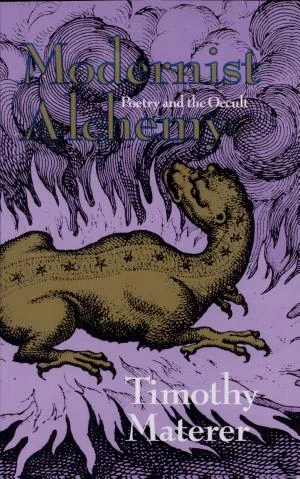
Timothy Materer's 1995 book examines how modernist writers engaged with occult traditions.
Modernist Alchemy, by Timothy Materer, investigates the connection between prominent modernist writers and occult traditions. Materer's argument is that early 20th-century poets and novelists did not reject esotericism; instead, they integrated its concepts and symbols into their creative works. The book moves past simple interpretations to show a thoughtful exchange between avant-garde literature and hidden philosophies. It points out how authors addressing the crises of modernity found common ground in ancient hermetic ideas, alchemical processes, and mystical experiences.
This study is for readers interested in the links between literature, history, and the esoteric. It will appeal to scholars of modernism, literary critics, and students of comparative literature who want to grasp the intellectual currents that shaped early 20th-century writing. Those familiar with occultism, Western esotericism, or the history of ideas will discover a distinct view of how these traditions were processed and expressed through a modernist perspective.
Published in 1995, this work appeared during a time of increased academic attention to the occult's role in culture. The early 20th century, Materer's focus, was a period ripe for such examination. Movements like Theosophy, spiritualism, and various forms of hermeticism were growing, affecting artists and thinkers across Europe and America. Writers such as W.B. Yeats, T.S. Eliot, and Ezra Pound, central to Materer's argument, were involved with or supportive of these esoteric groups, reflecting a wider cultural interest in hidden knowledge and alternative spiritual paths.
💡 Why Read This Book?
• Understand how writers like T.S. Eliot integrated alchemical metaphors for psychological transformation, a concept explored in detail through his poetry. • Gain insight into the specific historical milieu of the early 20th century, examining the rise of movements like Theosophy and their influence on literary circles. • Discover the nuanced approach modernist authors took towards the occult, moving beyond simple belief or disbelief as analyzed by Materer.
⭐ Reader Reviews
Honest opinions from readers who have explored this book.
❓ Frequently Asked Questions
Which specific modernist writers does Timothy Materer focus on in Modernist Alchemy?
Timothy Materer primarily examines writers such as W.B. Yeats, T.S. Eliot, Ezra Pound, and Wallace Stevens, exploring their engagement with occult traditions and alchemical symbolism.
What is meant by 'modernist sophistication' in relation to the occult, according to the book?
Materer describes 'modernist sophistication' as a self-conscious approach to occultism that was neither fully credulous nor entirely skeptical, reflecting the intellectual climate of the early 20th century.
Does Modernist Alchemy discuss alchemical processes as literal practices?
The book focuses more on alchemical metaphors and symbolism as used within literary works to explore themes of psychological and spiritual transformation, rather than detailing literal alchemical practices.
When was Modernist Alchemy first published, and what was the intellectual climate like then?
Modernist Alchemy was first published in 1995. It addresses the intellectual climate of the early 20th century, a period marked by the rise of various esoteric movements and a significant engagement with them by artists and writers.
What is the primary argument Materer makes about modernist literature and esotericism?
Materer's primary argument is that modernist writers approached occult traditions with a sophisticated self-awareness, integrating esoteric concepts and symbolism into their work as a means to understand and express the complexities of their era.
Are there specific esoteric traditions discussed beyond general occultism?
Yes, the work specifically references Hermeticism, alchemy, and touches upon influences from Theosophy and spiritualism that were prevalent during the modernist period.
🔮 Key Themes & Symbolism
Alchemical Transformation in Verse
Materer illustrates how modernist poets employed alchemical metaphors not merely as decorative elements but as fundamental structures for articulating profound psychological and spiritual change. The concept of transmutation, central to alchemy, becomes a lens through which writers like T.S. Eliot explored themes of decay and renewal within the self and society. This re-contextualization of ancient hermetic principles reflects a modernist desire to find order and meaning amidst the perceived chaos of the early 20th century, using alchemical processes as symbolic maps for inner work.
The Sophisticated Occultist
The work challenges the simplistic view of modernist engagement with the occult as either blind faith or outright rejection. Instead, it proposes a 'modernist sophistication,' characterized by a self-conscious, critical, yet often deeply involved relationship with esoteric traditions. Figures like W.B. Yeats, deeply immersed in ceremonial magic and Theosophy, exemplify this approach. Materer argues that this nuanced stance allowed writers to harness esoteric ideas for artistic innovation without succumbing to dogmatism, reflecting a broader intellectual trend of questioning established norms.
Modernity's Search for Meaning
Modernist Alchemy positions the exploration of esoteric thought as a response to the existential and philosophical crises of modernity. The breakdown of traditional religious and social structures in the early 20th century led many artists and intellectuals to seek alternative frameworks for understanding reality and human consciousness. Materer demonstrates how occultism, with its ancient wisdom and symbolic language, offered such a framework, providing tools for exploring the psyche, the cosmos, and the potential for spiritual awakening in a rapidly changing world.
Esoteric Currents in Literary Circles
This theme traces the tangible presence and influence of esoteric societies and philosophies within modernist literary communities. Beyond individual interests, Materer highlights the interconnectedness of writers involved in or influenced by groups such as the Hermetic Order of the Golden Dawn or Theosophical circles. This suggests that esoteric ideas were not isolated curiosities but formed a significant, albeit often unacknowledged, intellectual current that shaped the creative output and philosophical outlook of a generation of writers.
💬 Memorable Quotes
Direct passages from the work, attributed to the author.
“Writers approached the occult with a modernist sophistication and a self-consciousness that are not entirely credulous nor entirely skeptical.”
— This foundational statement by Materer expresses the nuanced relationship modernist authors had with esoteric traditions. It suggests an intellectual rigor and a critical distance, preventing a simple embrace or dismissal of occult beliefs and practices.
“Alchemical metaphors provided a language for psychological and spiritual renewal.”
— This interpretation highlights how writers utilized the symbolic processes of alchemy—like purification and transmutation—to express complex internal states and the potential for personal transformation in their literary works.
“The early twentieth century saw a significant engagement with Hermeticism and Theosophy by literary figures.”
— This observation points to the historical reality of esoteric societies and philosophies being actively studied and incorporated by prominent writers of the period, influencing their worldview and creative output.
“The approach was neither wholly believing nor wholly doubting.”
— This succinctly captures the essence of Materer's thesis on 'modernist sophistication,' emphasizing the balanced, self-aware, and critical yet open-minded stance taken by writers towards occult knowledge.
💡 Key Ideas
Editorial paraphrase of the work's core concepts — not direct quotes.
Modernism wrestled with modernity's spiritual void through esoteric channels.
This conceptual paraphrase suggests that the crisis of faith and meaning in the modern era prompted some writers to turn to esoteric traditions as a means of finding spiritual answers or frameworks for understanding existence.
🌙 Esoteric Significance
Tradition
This work fits within the broader academic study of Western Esotericism, particularly its manifestation in the arts. It engages with Hermeticism and alchemy, traditions focused on hidden knowledge, spiritual transformation, and the correspondence between the microcosm and macrocosm. Materer positions modernist writers not as mere dabblers but as serious interrogators of these ancient systems, using their symbolic language to address contemporary concerns. It departs from purely historical accounts by focusing on the literary application and intellectual digestion of these traditions.
Symbolism
Central symbols explored include alchemical processes like 'solve et coagula' (dissolve and coagulate), representing cycles of destruction and creation, and the philosopher's stone, symbolizing ultimate perfection or enlightenment. Materer examines how these symbols were reinterpreted by modernists to signify psychological integration, artistic creation, or spiritual rebirth. The Ouroboros, a serpent consuming its own tail, also appears, representing cyclical time and the totality of existence, themes relevant to modernist anxieties about progress and meaning.
Modern Relevance
Contemporary scholars and practitioners of esoteric studies continue to draw on Materer's work to understand how ancient traditions were adapted and reinterpreted during a critical period of cultural change. Thinkers exploring the intersection of consciousness studies and literature, as well as writers interested in Jungian psychology and archetypes, find resonance in his analysis. The book’s insights remain relevant for understanding how spiritual and philosophical quests continue to inform artistic expression in the 21st century.
👥 Who Should Read This Book
• Academic researchers of literary modernism seeking to understand the influence of occult philosophies on writers like T.S. Eliot and W.B. Yeats. • Students of Western Esotericism interested in how Hermetic and alchemical concepts were adapted and expressed in early 20th-century literature. • General readers curious about the hidden intellectual currents that shaped modernist art and thought, offering a unique perspective beyond conventional literary analysis.
📜 Historical Context
Published in 1995, Timothy Materer's Modernist Alchemy arrived during a resurgence of academic interest in the occult's influence on culture. The early 20th century, the book's primary focus, was a period of intense intellectual ferment. Esoteric movements like Theosophy, championed by figures such as Helena Blavatsky, and ceremonial magic, particularly as practiced by the Hermetic Order of the Golden Dawn, captivated many artists and writers. This era saw a significant departure from Victorian spiritualism towards more complex philosophical and psychological interpretations of the occult. While rationalism and scientific materialism were dominant, a counter-current explored alternative spiritualities. Materer’s work engages with scholars like Richard Ellmann, who documented Yeats’s life, positioning his analysis within ongoing debates about modernism’s engagement with non-rational traditions, implicitly contrasting with purely secular interpretations of the movement.
📔 Journal Prompts
The concept of 'modernist sophistication' in approaching the occult.
Alchemical metaphors for psychological transformation in your own life.
W.B. Yeats's engagement with the Hermetic Order of the Golden Dawn.
The tension between skepticism and belief in esoteric traditions.
How do symbols of cyclical change, like the Ouroboros, manifest in contemporary culture?
🗂️ Glossary
Hermeticism
A religious, philosophical, and esoteric tradition based primarily upon writings attributed to Hermes Trismegistus. It emphasizes divine knowledge, spiritual ascent, and the interconnectedness of all things, often through symbolic interpretation of nature and the cosmos.
Alchemy
An ancient practice involving the transmutation of matter, often associated with the search for the philosopher's stone. In a symbolic sense, it represents processes of purification, transformation, and spiritual perfection of the self.
Theosophy
A spiritual movement founded in the late 19th century by Helena Blavatsky, seeking to synthesize Western occultism and Eastern religions. It posits a universal wisdom underlying all religions and advocates for spiritual evolution.
Solve et Coagula
Latin for 'dissolve and coagulate.' In alchemy, this principle refers to the cyclical process of breaking down matter (dissolving) and then reforming it (coagulating), symbolizing destruction followed by creation or purification.
Modernism
A broad cultural, artistic, and literary movement spanning roughly the late 19th to mid-20th centuries, characterized by a deliberate break with traditional forms and values, experimentation, and a focus on subjective experience.
Ouroboros
An ancient symbol depicting a serpent or dragon eating its own tail. It typically represents cyclicality, eternity, self-sufficiency, and the primordial unity of all things.
Ceremonial Magic
A formalized system of ritualistic magic, often involving specific procedures, invocations, and symbolic implements, intended to achieve altered states of consciousness or effect spiritual or material change.
This book appears in 1 collection
🔮 Readers Also Liked
Browse all →








From the “Occultism” Collection
View all →



More Free Occult Philosophy Books
View all →