Massage and Mindfulness
 83
83

Massage and Mindfulness
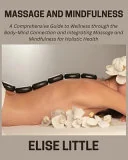
Elise Little’s "Massage and Mindfulness" attempts to bridge the gap between therapeutic touch and conscious awareness, a worthy endeavor given the pervasive stress of modern life. The book’s strength lies in its clear articulation of practical exercises, particularly the guided meditations designed to accompany specific massage techniques. The section on identifying somatic stress patterns is particularly well-executed, offering a tangible framework for self-assessment. However, the work occasionally falters in its depth regarding the historical esoteric underpinnings of body-mind practices, sometimes presenting them as purely contemporary innovations. While the 2024 publication date situates it firmly in the present, a richer engagement with the Hermetic or Gnostic traditions that long explored these connections would have elevated its scope. Nevertheless, for readers seeking direct, actionable strategies for stress reduction through embodied practice, this book offers a clear and useful toolkit.
📝 Description
83
Elise Little's 2024 book, Massage and Mindfulness, connects somatic practices with mental awareness for well-being.
Massage and Mindfulness, by Elise Little, published in 2024, guides readers in merging bodywork with mental focus. It moves past simple relaxation, offering a structured way to grasp and work with the mind-body link. The book details specific massage techniques and mindfulness exercises. Its goal is to give people practical ways to manage stress, ease physical pain, and cultivate inner peace. The book suits anyone wanting accessible methods to improve their health. It will appeal to those dealing with ongoing stress, bodily tension, or a feeling of separation between mind and body. Self-care advocates, holistic wellness fans, and those interested in touch therapy will find its content valuable. It also serves practitioners aiming to broaden their grasp of mind-body integration beyond standard methods.
While published in 2024, Massage and Mindfulness draws on ancient contemplative traditions and the evolution of therapeutic massage. Its principles echo the long history of understanding the body-mind connection. The book reflects a modern interest in psychosomatic approaches, linking massage with psychological well-being strategies that have gained prominence across various fields. It bridges practices rooted in historical mind-body disciplines with contemporary therapeutic applications.
💡 Why Read This Book?
• Gain practical, integrated techniques for stress relief by learning how to combine specific massage protocols with guided mindfulness exercises, as detailed in the book's practical application sections. • Develop a deeper understanding of your body's stress responses, informed by the physiological mechanisms discussed, allowing for more targeted self-care. • Explore the relationship between physical touch and mental clarity, drawing upon concepts that echo ancient contemplative practices, as presented in the book's exploration of the mind-body connection.
⭐ Reader Reviews
Honest opinions from readers who have explored this book.
❓ Frequently Asked Questions
What specific massage techniques are covered in "Massage and Mindfulness"?
The book details techniques such as effleurage, petrissage, and friction, focusing on how to apply them mindfully to promote relaxation and release tension.
How does "Massage and Mindfulness" differ from standard massage guides?
It uniquely integrates mindfulness practices directly with massage instruction, emphasizing the conscious awareness of sensations and emotions during the practice, a departure from purely mechanical application.
Is prior experience with massage or mindfulness required to read this book?
No, the book is designed for a broad audience, offering clear instructions and explanations suitable for beginners in both massage and mindfulness.
What is the primary goal of combining massage and mindfulness, according to Elise Little?
The primary goal is to achieve holistic wellness by fostering a deeper connection between the mind and body, leading to reduced stress and enhanced overall well-being.
When was "Massage and Mindfulness" first published?
The book was first published on August 3, 2024.
Can this book help with chronic pain management?
The book explores how mindful touch can alleviate physical discomfort and tension, which may offer relief for individuals managing certain types of chronic pain.
🔮 Key Themes & Symbolism
Somatic Stress Release
This theme focuses on identifying and releasing physical manifestations of stress held within the body. Little's work details how chronic tension, often stemming from psychological pressures, accumulates in specific muscle groups and connective tissues. The book provides practical, step-by-step guidance on using massage techniques, such as deep tissue strokes and gentle stretching, to locate and alleviate these somatic patterns. By combining these physical interventions with mindful attention to bodily sensations, readers are encouraged to become more attuned to their physical stress signals, fostering a proactive approach to well-being.
Mindful Embodiment
Mindful embodiment is central to achieving the integrated wellness described in "Massage and Mindfulness." This concept emphasizes the practice of paying full, non-judgmental attention to present-moment bodily experiences. Little guides readers to cultivate this awareness during massage, encouraging them to notice the subtle shifts in sensation, temperature, and emotional states. This practice moves beyond simply receiving a massage to actively participating in the healing process through conscious presence, thereby deepening the connection between mental state and physical experience.
Body-Mind Synergy
The book posits a synergistic relationship between the physical body and the mind, where each profoundly influences the other. "Massage and Mindfulness" explores how mental states like anxiety or peace are mirrored in physiological responses, and conversely, how physical interventions like massage can alter mental clarity and emotional balance. This synergy is presented not as a duality but as an integrated system. By understanding and working with this connection, readers can leverage massage to calm the mind and use mindfulness to enhance the physical benefits of touch, creating a feedback loop for sustained well-being.
Holistic Self-Care
This theme frames massage and mindfulness as essential components of a comprehensive self-care regimen. "Massage and Mindfulness" advocates for a proactive approach to health that addresses both physical comfort and mental resilience. It moves beyond episodic treatments, encouraging readers to integrate these practices into their regular routines. The book empowers individuals to take an active role in their own well-being, offering accessible tools that can be applied independently, thereby fostering a sense of agency and promoting long-term health maintenance.
💬 Memorable Quotes
Direct passages from the work, attributed to the author.
“Stress often lodges in the body long after the mental trigger has passed.”
— This highlights the concept of somatic stress, suggesting that physical tension can persist independently of the initial emotional or psychological cause, emphasizing the need for physical release.
“True relaxation is not just the absence of tension, but the presence of awareness.”
— This interpretation emphasizes that genuine relaxation involves not only physical release but also a conscious, present-moment awareness of one's bodily sensations and mental state.
“The hands can communicate a language the mind has forgotten.”
— This suggests that touch and physical sensation can convey information and facilitate healing or understanding in ways that verbal or purely cognitive processes cannot.
“Mindfulness transforms massage from a passive experience into an active dialogue with your body.”
— This emphasizes the participatory nature of mindful massage, where conscious attention turns the recipient into an active partner in their own physical and mental well-being.
“Notice where your breath catches when tension arises; this is a gateway.”
— This points to the breath as a key indicator of bodily tension and a potential entry point for mindful exploration and release of that tension.
🌙 Esoteric Significance
Tradition
While "Massage and Mindfulness" presents itself as a contemporary guide, its emphasis on the body-mind connection and the therapeutic power of touch echoes principles found in various esoteric traditions. It particularly aligns with Hermetic philosophy's focus on the principle of "As Above, So Below," suggesting a correspondence between internal states and external experiences, including the physical body. The practice of mindful awareness during physical manipulation can also be seen as a secularized form of contemplative practices found in Gnosticism and various Eastern meditative systems, aiming for a unified consciousness through embodied experience.
Symbolism
The act of touch itself serves as a potent symbol in this work, representing connection, healing, and energetic exchange—concepts central to many esoteric systems. The breath, often explored in meditative traditions, acts as a symbol of life force (prana or chi) and a conduit for presence. The body, when approached with mindful awareness, becomes a symbolic landscape where internal states are made manifest and can be transformed, akin to how alchemists viewed the physical body as a vessel for transformation.
Modern Relevance
Contemporary thinkers and practitioners in fields like somatic psychology, trauma-informed care, and integrative medicine draw heavily on the principles Little outlines. Practices such as Sensorimotor Psychotherapy and Somatic Experiencing, developed by figures like Pat Ogden and Peter Levine, respectively, share the core tenet of addressing psychological distress through bodily awareness and somatic interventions. The book's accessible approach makes these complex ideas relevant to a broad audience seeking practical tools for self-regulation and enhanced well-being in a high-stress modern environment.
👥 Who Should Read This Book
• Individuals seeking practical, self-administered techniques for stress and tension relief, who will benefit from the book's clear instructions on combining massage with mindfulness. • Practitioners of complementary therapies, such as massage therapists or yoga instructors, looking to deepen their understanding of the mind-body connection and enhance their client offerings. • Anyone interested in holistic wellness and personal development, aiming to cultivate greater self-awareness and emotional regulation through embodied practices.
📜 Historical Context
Published in 2024, Elise Little's "Massage and Mindfulness" arrives at a time of heightened public awareness regarding mental health and stress management. The book's approach builds upon decades of research and practice in both therapeutic massage and mindfulness meditation. While mindfulness itself has ancient roots, its popularization in the West accelerated significantly following the work of Jon Kabat-Zinn and the development of Mindfulness-Based Stress Reduction (MBSR) in the late 1970s. Similarly, Western massage therapy gained academic and clinical legitimacy through figures like Johann Georg Mezger in the late 19th century. Little's work synthesizes these strands, reflecting a broader contemporary trend that seeks to integrate somatic therapies with psychological well-being strategies. It engages with a growing field that often competes with, yet also complements, purely pharmacological or cognitive behavioral approaches to stress and anxiety.
📔 Journal Prompts
Reflect on the sensation of your breath during a moment of physical tension.
Identify specific areas of your body where stress seems to accumulate.
Consider how focused attention during self-massage might alter your emotional state.
Explore the connection between a forgotten memory and a persistent physical discomfort.
Document the shift in your body's awareness after practicing a guided mindfulness exercise.
🗂️ Glossary
Somatic Stress
Physical tension and discomfort held in the body as a result of psychological or emotional stress, often persisting long after the initial cause is gone.
Mindful Embodiment
The practice of paying full, non-judgmental attention to present-moment bodily sensations, thoughts, and emotions.
Effleurage
A massage technique involving long, gliding strokes, typically used to warm up muscles, spread oil, and promote relaxation.
Petrissage
A massage technique involving kneading, rolling, and lifting motions to work deeper into muscle tissue and release tension.
Body-Mind Connection
The concept that the physical body and the mind are interconnected and influence each other's states of health and well-being.
Holistic Wellness
A comprehensive approach to health that considers the interconnectedness of physical, mental, emotional, and spiritual well-being.
Present Moment Awareness
The state of being fully attentive to and conscious of what is happening in the current moment, without judgment.
This book appears in 1 collection
🔮 Readers Also Liked
Browse all →








From the “Mindfulness” Collection
View all →






More Free Occult Philosophy Books
View all →