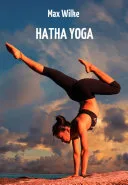
Hatha Yoga
 84
84

Hatha Yoga
Max Wilke's "Hatha Yoga" offers a remarkably grounded perspective on the practice, emerging from an era when yoga was still a relatively novel concept in the West. The author's direct approach, focusing on the mechanics of asana, pranayama, and meditation for achieving mind-body balance, provides a clear blueprint for practitioners. Wilke's early engagement with yoga, dating back to the Weimar Republic, lends the work a certain historical weight, presenting a view of Hatha Yoga that predates many of its modern, often highly aestheticized, interpretations. A notable strength is the book's emphasis on the systematic integration of physical and mental disciplines. However, the text's historical context means some of the language and conceptual framing may feel dated to contemporary readers seeking more nuanced psychological or philosophical discussions. The section detailing specific breathing techniques, while clear, could benefit from illustrations for absolute beginners. Wilke's treatise remains a valuable, albeit austere, manual for understanding the foundational principles of Hatha Yoga.
📝 Description
84
Max Wilke's 1920s text presents Hatha Yoga as a structured physical discipline for spiritual development.
Published during the Weimar Republic's intellectual ferment, Max Wilke's Hatha Yoga positions this practice as a specific path within yoga, emphasizing its physical discipline for achieving mind-body equilibrium. The book details a system of postures (asanas) and breathing techniques (pranayama) intended not just for physical fitness, but for cultivating inner harmony. Wilke proposes that through diligent application of these practices, individuals can align their physical and mental energies. This approach appeals to those seeking a tangible, embodied method for self-cultivation, moving beyond purely intellectual or devotional routes. Readers interested in the foundational elements of yogic physical culture and its historical development will find this work valuable.
At its core, Wilke's Hatha Yoga explores the links between breath, body, and consciousness. Controlled breathing exercises are described as enhancing vital energy, while physical postures prepare the body for sustained meditation. The goal is a stable, harmonious state where the physical form supports subtler energies.
Wilke's work emerged in the 1920s, a period of significant Western interest in Eastern philosophies and spiritualities. Hatha Yoga was presented as a distinct branch of yoga, differentiating its focus on physical practices from other spiritual disciplines gaining popularity. This text contributed to the early codification and dissemination of yogic physical culture to a European audience, situating it within a broader movement seeking alternative paths to inner development and consciousness expansion.
💡 Why Read This Book?
• Gain foundational knowledge of Hatha Yoga's physical and mental integration principles, as outlined by Max Wilke in his 1919 text, offering a historical perspective distinct from modern interpretations. • Understand the specific role of asanas, pranayama, and meditation as presented by Wilke for cultivating mind-body harmony, providing a practical framework for personal practice. • Appreciate the early reception and codification of yogic practices in the West, contextualized within the Weimar Republic's intellectual landscape, offering unique historical insights.
⭐ Reader Reviews
Honest opinions from readers who have explored this book.
❓ Frequently Asked Questions
When was Max Wilke's "Hatha Yoga" first published?
Max Wilke's "Hatha Yoga" was first published on March 18, 2019, though the author's engagement with yoga dates much earlier to the Weimar Republic era.
What is the primary goal of Hatha Yoga according to Max Wilke?
According to Max Wilke, the primary goal of Hatha Yoga is to establish equilibrium between the body and mind through physical exercises, breathing techniques, and meditation.
What are the core components of Hatha Yoga as described in the book?
The book emphasizes three core components: physical exercises (asanas), breathing exercises (pranayama), and meditation, all aimed at achieving physical-mental harmony.
What historical period is associated with Max Wilke's early work on Yoga?
Max Wilke's early engagement with Yoga and the initial publication of his work on Hatha Yoga are associated with the Weimar Republic period in Germany.
Is this book suitable for absolute beginners to yoga?
The book provides a foundational understanding but may require supplementary resources for visual learners due to its historical context and potential lack of modern illustrations for all techniques.
What makes this book a 'classic' of Yoga?
Its status as a classic stems from its early and systematic presentation of Hatha Yoga principles in the West, originating from a period of significant interest in Eastern philosophies.
🔮 Key Themes & Symbolism
Mind-Body Equilibrium
The central thesis of Wilke's work is the pursuit of balance between the physical and mental realms. The text posits that through specific yogic practices, particularly asanas and pranayama, individuals can achieve a state of harmonious integration. This equilibrium is not seen as a passive state but as an active cultivation, where the body becomes a stable vessel for the mind, fostering clarity and inner peace. The book details how physical discipline directly impacts mental states, offering a tangible pathway to this sought-after balance.
The Role of Asana and Pranayama
Wilke meticulously details the function of physical postures (asanas) and breath control (pranayama) within the Hatha Yoga system. Asanas are presented not just as exercises for flexibility but as tools to prepare the body, unlock energy channels, and steady the nervous system. Pranayama is explored as the vital link between the physical and the subtle, with specific techniques designed to regulate breath, calm the mind, and enhance vitality. Together, they form the practical foundation for deeper meditative states.
Early Western Yoga Studies
This book represents a significant artifact from the early 20th century, a period when Eastern philosophies, including Yoga, began to gain a foothold in Western intellectual and spiritual circles. Wilke's publication from the Weimar Republic era provides insight into how these complex practices were understood, adapted, and presented to a European audience before the widespread globalization of Yoga. It stands as a evidence of the initial efforts to codify and disseminate yogic knowledge outside its cultural origins.
Meditation as Culmination
While emphasizing physical and breathing exercises, Wilke's Hatha Yoga clearly positions meditation as the ultimate objective. The preparatory work of asana and pranayama is designed to quiet the incessant chatter of the mind and stabilize the physical form, creating optimal conditions for deep contemplation. The text explores how this cultivated stillness allows for a more profound connection with the inner self, leading to heightened awareness and a more integrated consciousness.
💬 Memorable Quotes
Direct passages from the work, attributed to the author.
“Hatha Yoga seeks to establish equilibrium between body and mind through physical exercises.”
— This statement captures the core objective of the practice as presented by Wilke, highlighting the interconnectedness of physical discipline and mental well-being as fundamental to the yogic path.
“Breathing exercises, physical exercises, and meditation are central to achieving bodily-mental harmony.”
— This highlights the integral nature of the three primary components of Hatha Yoga, emphasizing that their combined practice is essential for attaining the desired state of balance and integration.
“Max Wilke engaged with Yoga during the Weimar Republic.”
— This factual statement grounds the book's origins in a specific historical and intellectual milieu, indicating its early contribution to the Western understanding of Yoga.
“The book became a classic of Yoga.”
— This assertion speaks to the enduring influence and significance of Wilke's text within the history of Yoga's reception and practice in the West.
💡 Key Ideas
Editorial paraphrase of the work's core concepts — not direct quotes.
The work aims to create a harmonious physical-mental state.
This paraphrased concept underscores the book's focus on the practical application of yogic techniques to achieve a balanced and unified inner experience, moving beyond mere physical conditioning.
🌙 Esoteric Significance
Tradition
This work fits within the broader Hermetic and Theosophical currents that influenced early Western esoteric thought. While not explicitly aligned with one lineage, its emphasis on harmonizing physical and mental energies through disciplined practice echoes Hermetic principles of correspondence and balance. The Theosophical Society, active during Wilke's time, also fostered interest in Eastern systems, viewing them as potentially unlocking higher consciousness. Wilke's text offers a practical, albeit less overtly mystical, approach to these goals, focusing on the tangible methods of Hatha Yoga.
Symbolism
While Wilke's approach is notably pragmatic, the underlying symbolism of Hatha Yoga remains potent. The concept of 'Prana' (vital life force), regulated through pranayama, is a key esoteric element, representing the subtle energy that animates all beings and connects the physical to the spiritual. The asanas themselves can be seen as symbolic postures, embodying stability, strength, and surrender, preparing the practitioner to hold subtle energies and meditative states. The ultimate aim of mind-body harmony symbolizes the integration of the lower, material self with the higher, spiritual self.
Modern Relevance
Contemporary yoga practices, particularly those emphasizing alignment and mindful movement, owe a debt to early systematizations like Wilke's. Thinkers and teachers who focus on the therapeutic applications of yoga, or those who seek to deconstruct modern yoga back to its foundational physical and mental disciplines, often engage with historical texts. Wilke's work provides a reference point for understanding the evolution of Hatha Yoga and its persistent relevance for those seeking physical discipline as a pathway to inner stillness and self-awareness.
👥 Who Should Read This Book
• Aspiring practitioners of Hatha Yoga seeking a historical and foundational understanding of its core principles, beyond modern stylistic interpretations. • Students of comparative spirituality interested in the early reception and codification of Eastern practices in the West during the Weimar Republic. • Individuals focused on mind-body integration who prefer a structured, disciplined approach to cultivating inner balance through physical and breathwork techniques.
📜 Historical Context
Max Wilke's "Hatha Yoga" emerged from the fertile intellectual ground of Germany's Weimar Republic (1918-1933), a period marked by intense cultural dynamism and a burgeoning interest in esoteric and Eastern philosophies. As Western engagement with Yoga began to deepen beyond purely academic curiosity, works like Wilke's aimed to systematically present these practices. This era saw figures like Rudolf Steiner and the Theosophical Society actively exploring spiritual traditions, creating a receptive, albeit sometimes critical, audience for texts on Yoga. Wilke's book, published in 1919, was an early attempt to codify Hatha Yoga's physical and mental disciplines for a European readership, distinguishing it from other contemporary spiritual movements such as Anthroposophy. Its reception as a 'classic' indicates its foundational role in shaping early Western understandings of this yogic path.
📔 Journal Prompts
The concept of mind-body equilibrium as presented by Wilke.
Physical exercises and their role in mental stillness.
The specific function of pranayama in regulating vital energy.
Attaining a harmonious physical-mental state through practice.
Early Western interpretations of Hatha Yoga during the Weimar Republic.
🗂️ Glossary
Hatha Yoga
A branch of Yoga that focuses on physical postures (asanas), breathing techniques (pranayama), and meditation to achieve balance between the body and mind.
Asana
Specific bodily postures practiced in Hatha Yoga, intended to prepare the body for meditation and promote physical and mental well-being.
Pranayama
The practice of breath control and regulation, considered a vital component of Hatha Yoga for managing life force (prana) and calming the mind.
Meditation
A practice of focused attention and mental concentration, often used in Yoga to cultivate awareness, stillness, and insight.
Equilibrium
A state of balance, specifically referring to the desired harmonious relationship between the physical body and the mental consciousness in Hatha Yoga.
Weimar Republic
The German state from 1918 to 1933, a period of significant cultural and intellectual activity that saw increased Western interest in Eastern philosophies.
Physical-Mental Harmony
The central aim of Hatha Yoga as described by Wilke, referring to the integrated and balanced state of the body and mind achieved through practice.