Mindful Thoughts for Cyclists
 75
75

Mindful Thoughts for Cyclists
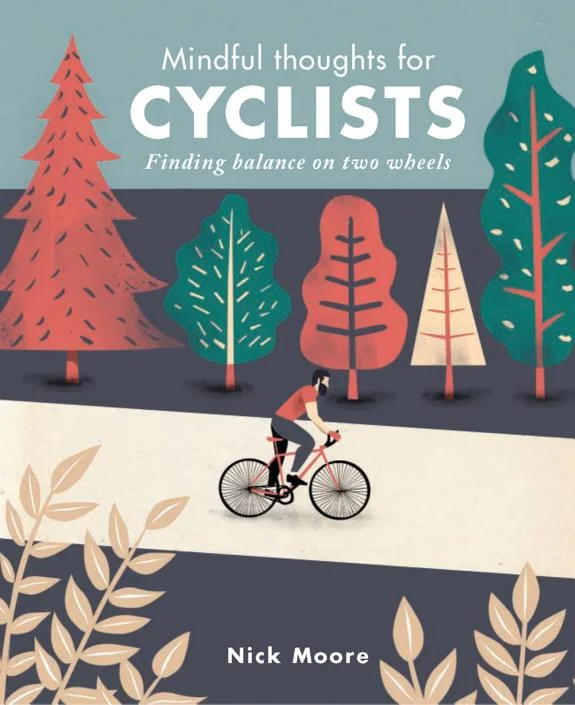
Nick Moore’s Mindful Thoughts for Cyclists attempts to bridge the gap between athletic endeavor and introspective practice. The strength of the work lies in its accessible framing of mindfulness, making it relatable for individuals already engaged in physical activity. Moore's discussion of the 'road-as-teacher' concept, suggesting that the cycling path mirrors life's challenges and triumphs, offers a compelling angle. However, the book sometimes leans too heavily on the analogy, occasionally feeling repetitive in its core message. A more varied exploration of complementary esoteric traditions, rather than focusing solely on the cyclist's internal state, might have added further depth. Despite this limitation, the directness with which it applies contemplative principles to the specific sensory experience of cycling is commendable. It serves as a practical guide for the dedicated rider seeking a richer internal experience.
📝 Description
75
Published in 2017, Mindful Thoughts for Cyclists connects contemplative practice with cycling.
Nick Moore's 2017 book, Mindful Thoughts for Cyclists, suggests that the act of cycling can be a form of meditation. It moves beyond typical fitness advice to discuss the psychological and spiritual aspects of riding a bicycle. The book aims to help cyclists find mental clarity and a state of presence while on their rides. It is for those who use cycling for more than just exercise, particularly individuals interested in mindfulness, meditation, and self-discovery through physical activity. Readers seeking inner peace, better focus, or a stronger connection to their environment during rides will find its ideas useful.
The core idea presented is the 'bicycle as a moving meditation.' Moore suggests that the rhythmic motion of pedaling and the concentration needed for balance can foster present-moment awareness. He also introduces the concept of the 'road as teacher,' using the cycling path as a metaphor for life's challenges, teaching lessons in patience, resilience, and adaptability.
This book aligns with a modern trend of applying mindfulness to everyday activities, a movement that gained traction in the 2010s. While not directly part of a specific historical esoteric school, it resonates with older traditions that used physical discipline for spiritual insight. Echoes can be found in certain Daoist practices that emphasize harmony with nature and the body's rhythms, as well as the disciplined asceticism seen in some Western monastic orders, all of which sought a form of enlightenment or deeper connection through physical engagement.
💡 Why Read This Book?
• Gain practical techniques for transforming your cycling into a moving meditation, directly inspired by the book's core concept of the 'bicycle as a moving meditation.' • Discover how to interpret the physical challenges of cycling, such as navigating varied terrain, as metaphors for life's obstacles, drawing from the 'road-as-teacher' principle. • Cultivate heightened sensory awareness during rides, learning to engage more fully with your environment and internal state, a key takeaway from the book's focus on presence on two wheels.
⭐ Reader Reviews
Honest opinions from readers who have explored this book.
❓ Frequently Asked Questions
What is the primary goal of Mindful Thoughts for Cyclists?
The primary goal is to help cyclists find a deeper sense of mindfulness and meditation through their rides, transforming the physical activity into a practice for mental clarity and presence.
Who is the author, Nick Moore, and what is his background?
Nick Moore is an author who explores the intersection of mindfulness, sport, and personal development. His work aims to bring contemplative practices into everyday activities.
Does the book require prior meditation experience?
No, the book is designed to be accessible to cyclists of all levels, whether they have prior meditation experience or are new to mindfulness practices.
What are some of the key benefits of reading this book for a cyclist?
Readers can expect to enhance their focus, reduce stress, gain a greater appreciation for their surroundings, and find a more profound connection with their cycling practice.
Are there specific exercises or techniques suggested in the book?
Yes, the book offers various techniques for cultivating present-moment awareness, focusing on breath, sensory input, and the rhythm of pedaling.
When was Mindful Thoughts for Cyclists first published?
Mindful Thoughts for Cyclists was first published on September 15, 2017, reflecting a growing interest in the application of mindfulness to physical activities during that period.
🔮 Key Themes & Symbolism
The Bicycle as Moving Meditation
This theme posits the bicycle not merely as a tool for exercise, but as a sacred object capable of facilitating deep contemplative states. The rhythmic motion of pedaling, the focus required for balance, and the engagement with the external environment are presented as elements that can anchor the rider in the present moment. It draws parallels to practices in Zen Buddhism that utilize repetitive actions for mindfulness, suggesting that the simple act of cycling, when approached with intention, can be a powerful form of meditation, clearing the mind and fostering a sense of flow.
Road as Teacher
This concept frames the cycling journey as a metaphor for life itself. The varied terrain, unexpected obstacles, and the endurance required to complete a ride are interpreted as lessons in resilience, adaptability, and perseverance. The book encourages readers to view challenges encountered on the road—a steep climb, a sudden downpour, a mechanical issue—as opportunities for growth and learning, mirroring the way one might approach difficulties in their personal or spiritual life. It emphasizes the wisdom gained through direct experience and the acceptance of circumstances beyond one's immediate control.
Sensory Awareness and Presence
A core tenet is the cultivation of heightened sensory awareness during cycling. This involves actively engaging with the sights, sounds, smells, and physical sensations of the ride. By focusing on the wind on the skin, the texture of the road beneath the tires, the symphony of natural sounds, or the visual flow of the landscape, the cyclist is encouraged to move beyond discursive thought and enter a state of embodied presence. This practice is seen as a way to deepen one's connection to both the physical world and one's own inner experience.
Finding Flow State
The book explores how cycling can lead to a 'flow state,' a psychological condition described by Mihaly Csikszentmihalyi, where one is fully immersed in an activity with energized focus, full involvement, and enjoyment. For cyclists, this state is achieved when the challenges of the ride are well-matched to their skill level, leading to a feeling of effortless action and deep satisfaction. The text provides guidance on how to foster the conditions necessary to enter this state more consistently on the bike.
💬 Memorable Quotes
Direct passages from the work, attributed to the author.
“The rhythm of the pedals can become a mantra.”
— This suggests that the repetitive, physical action of cycling can serve a similar purpose to vocal or mental repetition in traditional meditation, helping to quiet the mind and induce a focused, present state.
“Each mile offers a lesson in patience.”
— This highlights the 'road-as-teacher' theme, framing the endurance required for long rides as a practical exercise in developing patience, a virtue applicable far beyond the cycling path.
“Feel the road, don't just ride it.”
— This is an encouragement to engage fully with the sensory experience of cycling, moving beyond simply covering distance to a deeper, embodied connection with the act of riding and the environment.
“The mind clears as the legs churn.”
— This captures the essence of the 'bicycle as moving meditation,' illustrating how physical exertion can paradoxically lead to mental stillness and clarity.
“Observe the world passing by, not just the destination.”
— This emphasizes the importance of present-moment awareness and appreciating the journey itself, rather than being solely focused on the end goal, a key principle in mindfulness.
🌙 Esoteric Significance
Tradition
While not explicitly belonging to a single historical esoteric lineage, Mindful Thoughts for Cyclists draws implicitly from traditions that emphasize the body as a vehicle for spiritual awareness. It aligns with the broader Hermetic principle of 'As Above, So Below,' extending it to the physical act of riding and its connection to inner states. The work can be seen as a modern, secular interpretation of contemplative practices found in Buddhism (e.g., walking meditation) and certain Daoist approaches that advocate for harmony with natural rhythms and physical exertion.
Symbolism
The bicycle itself functions as a potent symbol, representing balance, forward motion, and the individual's journey. The 'road' symbolizes the path of life, with its challenges and opportunities for growth. Hills can represent obstacles requiring effort and perseverance, while descents might symbolize moments of ease or letting go. The act of pedaling symbolizes sustained effort and the generation of one's own energy, both physically and metaphorically.
Modern Relevance
This work is relevant to contemporary mindfulness practitioners, coaches, and athletes who seek to integrate mental discipline with physical performance. It speaks to the burgeoning field of sports psychology and the growing number of individuals interested in 'mindful movement' practices. Thinkers and practitioners in fields like embodied cognition and positive psychology might find its practical application of flow states and present-moment awareness particularly applicable to modern life's demands.
👥 Who Should Read This Book
• Dedicated cyclists seeking to deepen their practice beyond the physical, looking for ways to cultivate inner peace and focus during their rides. • Individuals new to mindfulness who are already physically active and wish to integrate contemplative techniques into an existing routine, using their bicycle as a tool for self-discovery. • Readers interested in the intersection of sport, psychology, and spirituality, exploring how physical endeavors can serve as pathways to greater self-awareness and well-being.
📜 Historical Context
Published in 2017, Nick Moore's Mindful Thoughts for Cyclists arrived during a period of heightened public interest in mindfulness and its practical applications. The 2010s saw a surge in books and apps promoting meditation and stress-reduction techniques, often extending these to physical activities. While Moore’s work doesn't explicitly engage with established esoteric traditions like Hermeticism or Theosophy, it echoes perennial philosophical ideas about the body-mind connection found in various spiritual paths, from ancient Greek philosophy's emphasis on *mens sana in corpore sano* to contemporary Western interpretations of Eastern contemplative practices. Unlike works that might look at complex metaphysical doctrines, Moore's approach is grounded in accessible, everyday experience. Its reception likely aligned with the broader wellness and self-help movements of the era, rather than sparking debate within academic or specific esoteric circles.
📔 Journal Prompts
Reflect on the 'bicycle as moving meditation' concept in your own riding.
Analyze a recent cycling challenge through the lens of the 'road-as-teacher' metaphor.
Describe a moment on your bike where sensory awareness heightened your experience.
How does the rhythm of your pedaling influence your thoughts?
Consider the balance required on the bike and its connection to your life.
🗂️ Glossary
Moving Meditation
A contemplative practice where a physical activity, such as cycling or walking, is used to cultivate present-moment awareness and mental stillness, similar to traditional seated meditation.
Road-as-Teacher
A concept framing the cycling path as a source of life lessons, where challenges encountered (e.g., hills, weather) provide opportunities for developing resilience, patience, and adaptability.
Flow State
A psychological state of complete absorption in an activity, characterized by energized focus, full involvement, and enjoyment in the process of the activity itself.
Presence
The state of being fully attentive and aware of the current moment, engaging with one's surroundings and internal experiences without judgment or distraction.
Sensory Awareness
The practice of consciously paying attention to and engaging with the information received through the five senses (sight, sound, smell, taste, touch) during an activity.
Mantra
A word, sound, or phrase repeated mentally or aloud, used in meditation to aid concentration and promote a state of calm or spiritual awareness.
Embodied Cognition
A theoretical approach suggesting that cognitive processes are deeply rooted in the body's interactions with the world, implying that physical experience shapes thought and consciousness.
This book appears in 1 collection
🔮 Readers Also Liked
Browse all →









From the “Mindfulness” Collection
View all →







More Free Occult Philosophy Books
View all →