Yoga for Chickens
 82
82

Yoga for Chickens
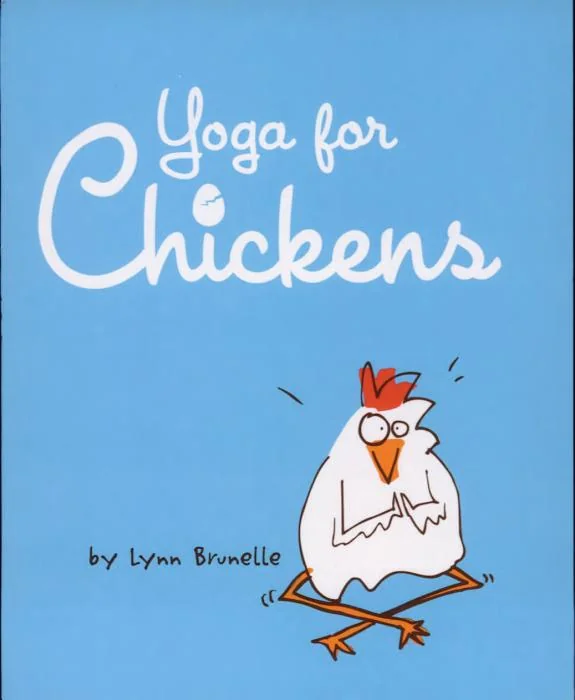
Lynn Brunelle’s *Yoga for Chickens* is a delightful subversion of typical self-help fare. Instead of presenting yoga as a rigid discipline, it uses the humble chicken as its guru, a concept that instantly disarms and entertains. The humor isn’t just for laughs; it’s a vehicle to deliver genuine observations about posture, balance, and mindful presence. Brunelle skillfully points out how chickens, in their natural state, exhibit a form of grounded awareness that many human practitioners strive for. The book's primary strength lies in this unexpected analogy, making complex ideas feel simple and accessible. However, its brevity means that while the concept is brilliantly introduced, the practical application of these avian-inspired yogic principles might leave some readers wanting more depth. The section on the chicken's 'dust bath' as a form of release, for instance, is charming but brief. Ultimately, *Yoga for Chickens* succeeds as a witty, gentle nudge towards mindful living, proving that wisdom can indeed come from the most unlikely of sources.
📝 Description
82
Lynn Brunelle's 2004 book uses chicken behavior to teach yoga principles.
Lynn Brunelle's *Yoga for Chickens*, published in 2004, offers a humorous look at yoga through the actions of chickens. The book argues that the everyday behavior of these birds provides lessons in stillness, balance, and being present. It reframes yoga not as a set of difficult poses, but as a way of existing that anyone can achieve.
The guide suggests chickens embody a natural mindfulness. Their calm movements, alert awareness, and contentment with simple routines are presented as examples for readers. The book encourages applying these qualities to daily life to find peace. It shows that wisdom for self-improvement can come from unexpected sources, not just human traditions.
While about poultry, the book touches on finding the sacred in ordinary things and understanding universal energies through observation. It proposes that chickens possess an instinctual knowledge humans have lost. The book reminds readers that insights appear when preconceptions are set aside and nature is observed closely.
This work connects to esoteric traditions that find spiritual meaning in the natural world. It echoes practices that look to animal instinct and natural cycles for guidance, suggesting a primal knowledge accessible through keen observation. The book implies that universal truths are not limited to human philosophy or religion but can be perceived in the straightforward existence of other creatures, challenging the separation between the mundane and the sacred.
💡 Why Read This Book?
• You will learn how to find grounding and presence by observing the natural behaviors of chickens, a concept illustrated by the book’s focus on their inherent stillness, a core tenet of yogic practice. • You will gain a fresh perspective on self-improvement by understanding that profound wisdom can be found in simple, everyday creatures, as demonstrated through Brunelle’s playful exploration of avian 'bird-brained wisdom'. • You will discover an accessible entry point to esoteric concepts like mindfulness and inner peace, presented through the book's lighthearted approach and charming illustrations, making it ideal for beginners seeking relatable guidance.
⭐ Reader Reviews
Honest opinions from readers who have explored this book.
❓ Frequently Asked Questions
What is the central premise of 'Yoga for Chickens'?
The book's central premise is that chickens, through their natural behaviors and postures, embody simple forms of yoga and mindfulness. It uses humor to illustrate how readers can learn lessons in balance, presence, and stillness from observing these birds.
Who is the author, Lynn Brunelle?
Lynn Brunelle is the author of 'Yoga for Chickens.' The book was first published in 2004, offering a unique and humorous take on yoga and mindfulness.
What kind of humor does the book employ?
The book uses gentle, observational humor derived from comparing human yoga practices to the seemingly simple, yet wise, behaviors of chickens. The illustrations are also a key component of its lighthearted and amusing tone.
Does the book offer actual yoga poses?
While it uses yoga as a framework, the book doesn't provide traditional yoga pose instructions. Instead, it encourages readers to interpret and apply the *principles* of yoga through the lens of chicken behavior and their own daily lives.
Is 'Yoga for Chickens' a spiritual text?
It can be considered a light-hearted entry into spiritual or self-improvement concepts, reframing mindfulness and inner peace through an unconventional, nature-inspired lens. It bridges the esoteric with the everyday in an accessible manner.
When was 'Yoga for Chickens' first published?
'Yoga for Chickens' was first published in February 2004, introducing its unique perspective on yoga and mindfulness to readers.
🔮 Key Themes & Symbolism
Avian Mindfulness
The book explores the concept of 'avian mindfulness,' suggesting that chickens, in their natural state, exhibit a profound sense of presence and groundedness. This theme interprets their daily routines, from foraging to resting, as demonstrations of being fully present. The esoteric angle lies in viewing these simple creatures as embodying primal wisdom, a form of instinctual meditation that humans have lost. Brunelle invites readers to observe and emulate this natural state of awareness, finding spiritual lessons in the seemingly mundane actions of poultry.
Simplicity as Wisdom
A core theme is the elevation of simplicity as a source of profound wisdom. The book argues against complexity in self-improvement, positing that true understanding and peace can be achieved through basic principles exemplified by chickens. Their contentment with simple needs—food, shelter, social interaction—is presented as a model for a less complicated, more fulfilling life. This appeals to esoteric traditions that value austerity and the stripping away of non-essentials to reveal inner truths.
Humor as a Spiritual Tool
Brunelle employs humor not merely for entertainment but as a pedagogical tool to make esoteric ideas accessible and less intimidating. The juxtaposition of 'yoga' with 'chickens' immediately breaks down barriers and preconceptions. This lighthearted approach allows for the gentle introduction of concepts like balance, posture, and stillness, suggesting that a playful attitude can be as effective in personal growth as a serious one. It aligns with certain mystical traditions that use paradox and wit to convey deeper meanings.
Nature as Teacher
The book firmly establishes nature, specifically the chicken, as a primary teacher for human self-discovery. It encourages a shift in perspective, urging readers to look beyond anthropocentric views of wisdom and spirituality. By drawing parallels between avian behavior and yogic principles, it highlights the universal nature of certain truths. This theme echoes animistic and shamanic traditions where the natural world is imbued with spirit and offers guidance for human well-being and understanding.
💬 Memorable Quotes
Direct passages from the work, attributed to the author.
“Observe the chicken's stillness; it is a form of meditation.”
— This interpretation emphasizes the book's view of simple avian behavior as a profound spiritual practice. It suggests that the quiet moments of a chicken's existence embody a natural mindfulness that humans can learn from.
“Even the 'bird-brained' chicken possesses simple wisdom.”
— This interpretation underscores the book's theme of finding wisdom in unexpected places. It challenges the reader's potential preconceptions about intelligence and spirituality, suggesting that profound lessons can come from the most unassuming sources.
“Learn to be as grounded as a chicken.”
— This interpretation points to the book's practical, albeit whimsical, advice. It encourages readers to adopt the physical and mental 'rootedness' that chickens exhibit, fostering a sense of stability and connection to the earth.
💡 Key Ideas
Editorial paraphrase of the work's core concepts — not direct quotes.
Chickens have much to teach us about finding balance.
This paraphrased concept highlights the book's central analogy, suggesting that the natural equilibrium and posture of chickens serve as a model for human practitioners seeking stability in their lives, both physically and metaphorically.
The dust bath is a chicken's way of releasing stress.
This paraphrased concept illustrates how the book uses everyday chicken activities to represent human emotional and physical release. It frames a simple act of hygiene as analogous to therapeutic practices for shedding tension.
🌙 Esoteric Significance
Tradition
While not directly aligned with a specific esoteric lineage like Hermeticism or Kabbalah, *Yoga for Chickens* shares thematic commonalities with traditions that emphasize finding the divine or profound truths within the mundane and natural world. Its approach aligns with certain aspects of Neopaganism or animistic philosophies that venerate the wisdom inherent in all living beings. The book's departure from traditional esoteric texts lies in its unabashedly humorous and secular framing, making its core message of presence and balance universally accessible without requiring adherence to specific metaphysical doctrines.
Symbolism
The chicken itself serves as a potent symbol in the book, representing instinctual wisdom, groundedness, and a connection to the earth. Its simple existence and routines symbolize a form of primal mindfulness. The 'dust bath' can be interpreted as a ritual of purification and release, a shedding of worldly burdens. The act of foraging symbolizes presence and attention to immediate needs, reflecting a state of being unburdened by past or future anxieties. These symbols collectively point towards a natural, unadorned path to inner peace.
Modern Relevance
In contemporary times, *Yoga for Chickens* remains relevant for its prescient approach to accessible mindfulness and stress reduction. It appeals to modern thinkers and practitioners in fields such as positive psychology, mindfulness-based stress reduction (MBSR), and animal-assisted interventions. The book's playful yet insightful method aligns with current trends that seek to integrate self-care into daily life through simple, relatable means. It provides a charming antecedent to the growing interest in finding spiritual or therapeutic value in the natural world and in unconventional sources of wisdom.
👥 Who Should Read This Book
• Individuals new to yoga or mindfulness seeking a non-intimidating, humorous introduction. They will gain a lighthearted perspective on core principles like balance and presence. • Nature enthusiasts and animal lovers who appreciate finding wisdom and connection in the natural world. They will enjoy the unique parallels drawn between avian behavior and personal growth. • Readers looking for a quick, uplifting read that offers a fresh angle on stress reduction and finding calm amidst daily life. They will appreciate the book's accessible language and charming illustrations.
📜 Historical Context
Published in 2004, Lynn Brunelle’s *Yoga for Chickens* emerged during a period of burgeoning interest in mindfulness, yoga, and alternative wellness practices in Western culture. While yoga itself has ancient roots, its popularization in the late 20th and early 21st centuries often focused on athletic prowess or spiritual discipline. Brunelle’s work offered a counterpoint, using humor and an unconventional subject—poultry—to democratize and destigmatize the principles of yoga and self-awareness. This era also saw a rise in 'quirky' self-help and lifestyle books that aimed to make complex topics more accessible. While not directly engaging with intellectual currents like comparative religion or Western Esotericism in an academic sense, the book tapped into a broader cultural fascination with finding meaning in the everyday and in nature. It arrived at a time when authors like Thich Nhat Hanh were popularizing accessible mindfulness, and animal-assisted therapies were gaining traction, suggesting a cultural readiness for unconventional wisdom sources.
📔 Journal Prompts
The chicken's stillness: how does its groundedness contrast with your own.
Reflect on a simple, daily ritual that brings you a sense of peace, akin to a chicken's dust bath.
What 'bird-brained wisdom' from nature can you apply to your current challenges?
Analyze the chicken's posture: what does it teach about physical and mental balance.
Consider the chicken's focus on immediate needs: how can this inform your own relationship with time and worry.
🗂️ Glossary
Avian Wisdom
The concept, as presented in the book, that chickens possess inherent knowledge and understanding of balance, presence, and contentment, derived from their natural behaviors and instincts.
Bird-Brained
A colloquial term often used to imply foolishness or lack of intelligence, which the book playfully subverts by suggesting that chickens' 'bird-brained' actions actually hold profound, simple wisdom.
Groundedness
In the context of the book, this refers to the physical stability and mental presence exhibited by chickens, serving as a metaphor for a balanced and centered state of being for humans.
Mindfulness (Avian Style)
The book's interpretation of mindfulness as demonstrated by chickens; their ability to be fully present in the moment without complex thought or anxiety about the past or future.
Simple Routines
The everyday activities and behaviors of chickens (e.g., foraging, roosting, dust bathing) that the book highlights as potentially embodying principles of yoga and peaceful living.
Stillness
The state of calm and quietude observed in chickens, presented as a form of natural meditation and a valuable lesson for humans seeking inner peace.
Yoga Analogy
The book's central technique of comparing chicken behaviors and postures to the principles and practices of yoga, using humor to make the concepts accessible.
This book appears in 1 collection
🔮 Readers Also Liked
Browse all →









From the “Hatha Yoga” Collection
View all →








More Free Occult Philosophy Books
View all →