13 SPIRITUAL PRINCIPLES OF FAITH

 71
71

13 SPIRITUAL PRINCIPLES OF FAITH

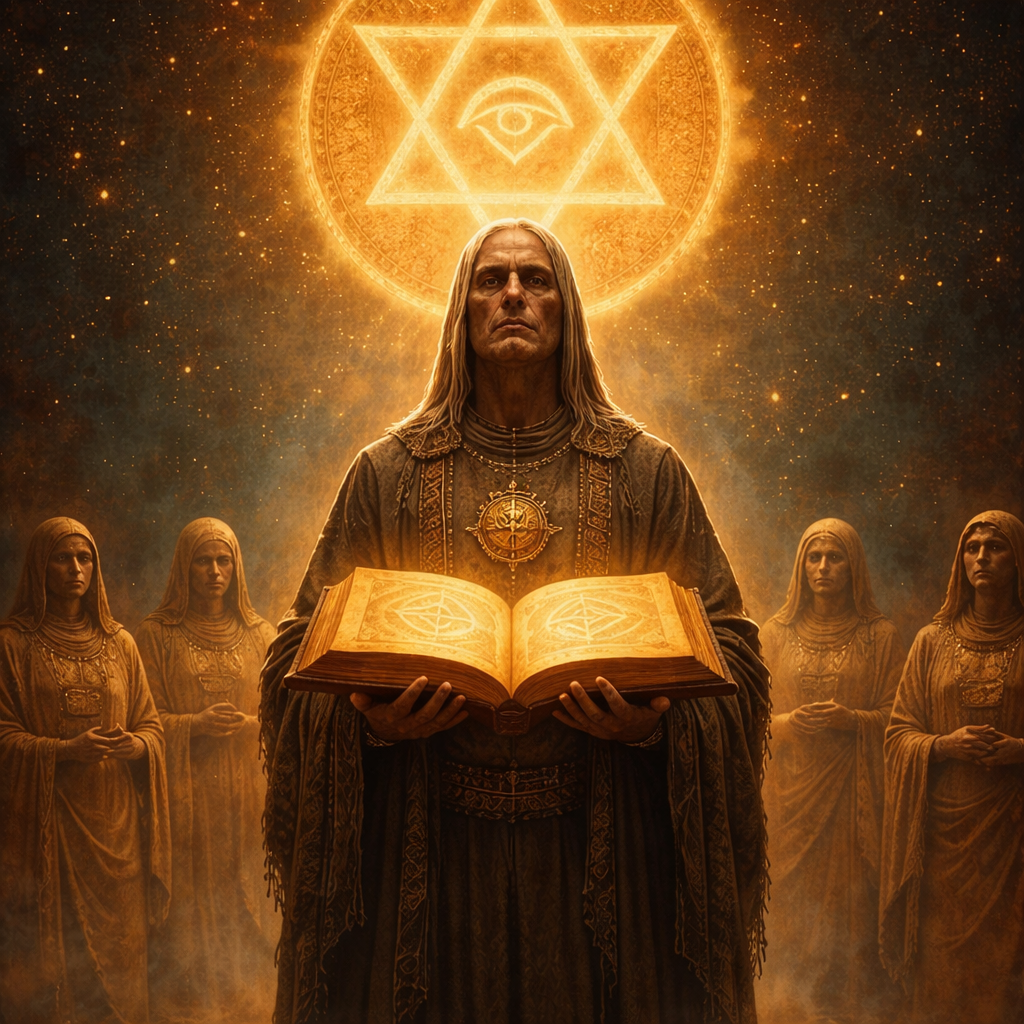

Rabbi Michael-ben-Pesach Portnaar's '13 Spiritual Principles of Faith' is a treasure trove for modern esoteric seekers. The book masterfully weaves together ancient Kabbalistic wisdom with contemporary insights, making it an invaluable resource for those navigating the spiritual landscape of the 21st century. Portnaar's writing is both scholarly and accessible, ensuring that readers of all backgrounds can appreciate the depth and breadth of Kabbalistic teachings. The book's exploration of faith and its mystical dimensions offers a fresh perspective on how to integrate spiritual principles into everyday life. For those interested in the occult and esoteric traditions, '13 Spiritual Principles of Faith' provides a solid foundation and a roadmap for deeper exploration. The text is enriched with historical context, making it a comprehensive guide for anyone seeking to understand the roots and evolution of Kabbalah. Overall, this book is a must-read for anyone looking to enrich their spiritual journey with ancient wisdom.
📝 Description
71
Rabbi Michael-ben-Pesach Portnaar's 13 Spiritual Principles of Faith was written to clarify the core tenets of Kabbalistic understanding.
This book presents thirteen core principles drawn from Kabbalistic thought. Rabbi Portnaar outlines each principle with commentary intended to illuminate its practical application. The work focuses on the internal dimension of faith, connecting abstract concepts to the individual's spiritual journey. It addresses how understanding these principles can foster personal growth and a deeper connection to the divine. The author uses the framework of Kabbalah to discuss themes of divine providence, free will, and the nature of the soul.
The text aims to make complex mystical ideas accessible to those interested in Jewish spirituality. It unpacks the symbolic language often found in Kabbalistic texts, translating them into understandable terms. Readers can expect to find discussions on the relationship between the physical and spiritual worlds, and how one might align their life with higher spiritual truths. The principles themselves are structured to build upon one another, creating a cohesive system for contemplation and practice.
Rabbi Portnaar's work is situated within the broad tradition of Kabbalah, a form of Jewish mysticism. It engages with concepts and terminology common in Kabbalistic literature, such as the Sefirot, divine emanations, and the interconnectedness of all existence. Unlike more academic or purely theoretical treatments, this book emphasizes the personal and transformative aspects of these teachings. It seeks to provide a framework for understanding the hidden spiritual dimensions of life, drawing on centuries of esoteric Jewish thought to guide the contemporary seeker.
💡 Why Read This Book?
Reading '13 Spiritual Principles of Faith' today offers a unique opportunity to connect with ancient spiritual wisdom in a modern context. This book provides readers with a deeper understanding of Kabbalah, helping them to integrate spiritual principles into their daily lives. Whether you are a seasoned esoteric seeker or a curious newcomer, this text offers valuable insights and practical applications. By exploring the mystical dimensions of Jewish spirituality, readers can gain a richer appreciation for the esoteric traditions that have shaped Western thought. This book is an essential guide for anyone seeking to enrich their spiritual journey with timeless wisdom.
⭐ Reader Reviews
Honest opinions from readers who have explored this book.
❓ Frequently Asked Questions
What is the main focus of '13 Spiritual Principles of Faith'?
The main focus of the book is to explore the spiritual principles of Kabbalah and their practical applications in daily life. It delves into the mystical dimensions of Jewish spirituality, providing readers with a comprehensive understanding of Kabbalistic teachings.
Is this book suitable for beginners in Kabbalah?
Yes, '13 Spiritual Principles of Faith' is designed to be accessible to both beginners and advanced students of the occult. Rabbi Portnaar's writing style is scholarly yet approachable, making it an excellent resource for anyone interested in Kabbalah.
How does this book differ from other works on Kabbalah?
This book stands out by offering a unique blend of ancient wisdom and contemporary insights. It provides a fresh perspective on the spiritual principles of Kabbalah, making it a valuable addition to the existing literature on the subject.
🔮 Key Themes & Symbolism
The Symbolism of Faith
Explore the intricate symbolism that underpins the spiritual principles of faith. This theme studies the mystical language of the universe, revealing how ancient symbols can guide modern spiritual seekers.
Kabbalistic Wisdom
Look at the profound teachings of Kabbalah, uncovering the hidden knowledge that has been passed down through generations. This theme offers a deep dive into the esoteric traditions that form the foundation of spiritual enlightenment.
Personal Spiritual Development
Learn how the principles of faith can be applied to personal growth and spiritual development. This theme emphasizes the practical applications of ancient wisdom in the modern world, providing tools for transformation.
💡 Key Ideas
Editorial paraphrase of the work's core concepts — not direct quotes.
Faith is the language of the soul.
This line underscores the idea that faith is a deeper, more intuitive form of understanding that transcends rational thought.
Symbols are the keys to hidden realms.
This quote highlights the importance of symbolism in unlocking the mysteries of the spiritual world.
The journey of faith is a journey of self-discovery.
This passage emphasizes the personal nature of spiritual growth, where the seeker's inner journey is as important as the destination.
Ancient wisdom guides the modern seeker.
This line underscores the relevance of Kabbalistic teachings in contemporary spiritual practices.
The universe speaks in symbols.
This quote emphasizes the importance of understanding the symbolic language of the cosmos for spiritual enlightenment.
🌙 Esoteric Significance
Tradition
This book belongs to the rich tradition of Kabbalistic teachings, which focus on the mystical dimensions of Judaism. It draws from ancient esoteric knowledge to provide insights into the spiritual principles of faith.
Symbolism
Key symbols in this book include the Tree of Life, the Sefirot, and the concept of Tikkun Olam. These symbols represent the interconnectedness of all things and the journey towards spiritual wholeness.
Modern Relevance
Today, the teachings of '13 Spiritual Principles of Faith' remain relevant for modern practitioners of Kabbalah and those interested in the mystical dimensions of faith. Many contemporary spiritual seekers and scholars continue to draw from this work to deepen their understanding of the symbolic language of the universe.
👥 Who Should Read This Book
Beginners in Kabbalah will find this book a valuable introduction to the mystical traditions of Judaism. Scholars of esoteric sciences will appreciate the depth of the insights presented. Spiritual seekers looking to deepen their understanding of faith will find practical applications for personal growth. Practitioners of Kabbalah will benefit from the integration of ancient wisdom with modern psychological and philosophical insights.
📜 Historical Context
Written in an era where esoteric knowledge was often shrouded in secrecy, '13 Spiritual Principles of Faith' emerged as a strong example of light for those seeking spiritual enlightenment. During a time when Kabbalistic teachings were reserved for a select few, Rabbi Michael-ben-Pesach Portnaar/RaMPeP's work democratized access to these mystical insights, making them available to a broader audience. This book has had a lasting influence on the study of Kabbalah, inspiring countless seekers and scholars to delve deeper into the hidden dimensions of faith.
📔 Journal Prompts
How do the principles of faith in this book resonate with your personal spiritual journey?
What ancient symbols in the book have you encountered in your own life, and what do they mean to you?
How can the teachings of Kabbalah be applied to your daily life for spiritual growth?
What insights have you gained from the symbolic language of the universe presented in this book?
How does the concept of Tikkun Olam influence your understanding of faith and personal responsibility?
🗂️ Glossary
Kabbalah
An esoteric tradition within Judaism that focuses on the mystical dimensions of faith and the symbolic language of the universe.
Sefirot
The ten emanations of God in Kabbalistic teachings, representing the attributes and energies of the divine.
Tree of Life
A central symbol in Kabbalah representing the interconnectedness of all things and the journey towards spiritual wholeness.
Tikkun Olam
The concept of repairing the world through personal and collective spiritual growth and actions.
Faith
A deep, intuitive understanding of spiritual truths that transcends rational thought and is expressed through symbols and actions.
This book appears in 1 collection
🔮 Readers Also Liked
Browse all →









More by Rabbi Michael-ben-Pesach Portnaar/RaMPeP
All books →
From the “Kabbalah” Collection
View all →







More Free Kabbalah & Jewish Mysticism Books
View all →