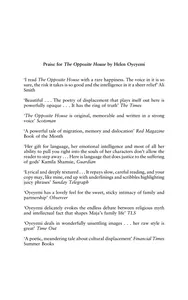
Matrix
 75
75

Matrix
Lauren Groff's Matrix is a formidable achievement, a novel that feels both ancient and fiercely contemporary. Its power lies in its unflinching portrayal of female ambition and resilience within the confines of a 12th-century convent. Groff conjures the oppressive beauty of the abbey and the visceral reality of its inhabitants with astonishing clarity. The character of Marie de France, a visionary prioress determined to build a spiritual empire, is particularly striking, embodying a will to power that transcends mere piety. However, the novel’s relentless focus on its central characters and their internal struggles, while potent, occasionally leaves the external world feeling somewhat distant, a backdrop rather than an active participant. The introduction of the knight forms a pivotal, if brief, disruption, a moment where the narrative almost fractures before reasserting its monastic focus. It’s a demanding read, but one that rewards with its singular vision and formidable prose.
📝 Description
75
Lauren Groff's 2021 novel, 'Matrix,' imagines a 12th-century convent where faith clashes with primal forces.
Published in 2021, 'Matrix' by Lauren Groff centers on Marie de France, the prioress of an English convent. It is not a history book but a potent portrayal of women living under strictures, where natural desires and spiritual ambition collide. Marie's conviction is tested by a warrior's arrival and the wildness surrounding their isolated community.
This novel engages with the realities of medieval monastic life, drawing on the era of Eleanor of Aquitaine. Groff uses this setting to examine female power, spiritual fervor, and the constraints placed upon women in the High Middle Ages. The book looks beyond simple historical accounts to explore the internal lives and complex motivations of its characters.
The novel engages with medieval mysticism and the concept of divine inspiration as it might manifest in a closed community. It touches on the idea of a collective spiritual force or vision taking hold, blurring the lines between ecstatic religious experience and earthly power. The text also considers how such experiences are codified or mythologized, particularly within a female spiritual tradition that often operated outside mainstream patriarchal narratives. This aligns with esoteric traditions that explore altered states of consciousness and the subjective nature of spiritual truth.
💡 Why Read This Book?
• Gain insight into the formation of female spiritual communities, inspired by the foundational narrative of Marie de France establishing the abbey at Jóron. • Experience a potent exploration of female ambition and the assertion of power within restrictive societal structures, as depicted through the convent's growth. • Understand the symbolic interplay between nature, faith, and human desire, particularly how the wild landscape mirrors internal spiritual and carnal struggles.
⭐ Reader Reviews
Honest opinions from readers who have explored this book.
❓ Frequently Asked Questions
What is the historical setting of Lauren Groff's Matrix?
Matrix is set in the 12th century, a period marked by significant religious and political shifts in Europe, including the influence of figures like Eleanor of Aquitaine and the ongoing development of monastic orders.
Who is the main character in Matrix?
The central figure is Marie de France, a young woman sent to a convent who becomes the visionary prioress determined to build a powerful spiritual order and a magnificent abbey.
What are the main themes explored in Matrix?
The novel delves into themes of female ambition, spiritual devotion, power dynamics within a matriarchal community, the tension between earthly desires and religious calling, and the relationship between humanity and the natural world.
Is Matrix based on a true story?
While inspired by historical accounts of medieval convents and figures like Marie de France, the novel is a work of fiction that uses these elements to explore its thematic concerns rather than a strict historical retelling.
What is the significance of the abbey in Matrix?
The abbey, named Jóron, serves as the physical and symbolic heart of the novel, representing a space of female power, spiritual endeavor, and eventual earthly dominion, built through the collective will of its inhabitants.
What is the tone of Matrix?
The tone is intense, atmospheric, and often stark. It balances lyrical prose with a visceral depiction of the physical and emotional lives of the nuns, creating a powerful, almost elemental narrative.
🔮 Key Themes & Symbolism
Female Ambition and Power
The novel centers on the extraordinary ambition of Marie de France, who transforms a struggling convent into a formidable spiritual and economic entity. This theme explores how women, even within the most restrictive systems like 12th-century monasticism, could forge their own paths to power and influence. The growth of the abbey at Jóron from a humble beginning to a thriving community illustrates this assertion of will against societal and natural odds.
Spirituality vs. Earthly Desire
Matrix probes the inherent conflict between divine calling and the persistent reality of human physicality and desire. The nuns, despite their vows, experience longing, jealousy, and carnal impulses, often mirroring the wild, untamed landscape surrounding their abbey. This tension is central to understanding their spiritual journey and the moral complexities they face.
Community and Sisterhood
The formation and evolution of the convent community is a crucial element. The narrative highlights how a collective of women, bound by shared purpose and isolation, can create a unique social structure and exert significant influence. The bonds, conflicts, and shared experiences among the sisters underscore the power and resilience found in female solidarity.
The Sacred and the Profane
Groff masterfully blurs the lines between the sacred and the profane. Miracles are intertwined with violence, piety with pragmatism, and spiritual visions with earthly concerns. The abbey itself becomes a space where these dualities coexist, challenging conventional notions of holiness and demonstrating the complex, often contradictory nature of human faith and existence.
💬 Memorable Quotes
Direct passages from the work, attributed to the author.
“The convent is a place of women, and it is a place of power.”
— This statement expresses the novel's central thesis: that within the seemingly cloistered walls of a medieval abbey, women could construct their own hierarchies and exert significant influence, challenging patriarchal norms.
“She would build a house of God, a fortress against the world.”
— This reflects Marie de France's driving ambition and vision for the abbey at Jóron. It highlights the dual purpose of the convent: a sacred space for worship and a bastion of female autonomy and strength.
“The land itself seemed to breathe with her.”
— This illustrates the profound, almost mystical connection Marie develops with the natural world surrounding the convent. It suggests a symbiotic relationship where her spiritual and physical strength is mirrored and amplified by the environment.
“They were women, and they were hungry.”
— A stark reminder of the physical realities and basic human needs that persist even within a religious order. It underscores the novel's unsentimental approach to depicting the nuns' lives, acknowledging both their spiritual aspirations and their carnal existence.
“She prayed for a miracle, and the walls rose.”
— This highlights the blend of faith and practical action in building the abbey. It suggests that 'miracles' in this context are often the result of fervent belief coupled with immense effort and collective will.
🌙 Esoteric Significance
Tradition
Matrix can be loosely situated within a tradition of exploring immanent spirituality and the power of collective feminine will, echoing Gnostic themes of creation and self-realization outside patriarchal structures. While not overtly occult, its focus on the potent, almost magical, transformation of the physical world through collective belief and labor aligns with certain Hermetic principles of manifestation and the power of focused intention.
Symbolism
The convent itself, Jóron, functions as a powerful symbol – a microcosm of a divinely ordered society built by women, a sanctuary against external chaos, and a vessel for potent spiritual energy. The encroaching wilderness symbolizes untamed nature and primal desires, a force that both threatens and nourishes the community. The figure of the knight, though transient, represents the intrusion of the external, masculine world and its potential for disruption or integration.
Modern Relevance
Contemporary spiritual movements and feminist theology often draw parallels to the novel's depiction of female-centric spiritual authority and the creation of sacred space independent of traditional male hierarchies. Thinkers exploring ecofeminism and the spiritual connection to the earth find resonance in the novel's portrayal of the land's vital energy and its interplay with human endeavor. The book's exploration of communal living and shared purpose also speaks to modern intentional communities.
👥 Who Should Read This Book
• Students of medieval history and religious orders seeking a literary, character-driven perspective on convent life and female agency in the 12th century. • Readers interested in feminist literature and explorations of power dynamics, particularly within historical or enclosed communities. • Aspiring writers and literary enthusiasts who appreciate richly drawn settings, complex character psychology, and lyrical prose that pushes narrative boundaries.
📜 Historical Context
Lauren Groff's Matrix, published in 2021, is set within the turbulent field of the 12th century, a period characterized by the flourishing of monastic orders and the significant, though often overlooked, influence of powerful women like Eleanor of Aquitaine. The novel draws inspiration from the era's burgeoning religious fervor and the realities of convent life, which served as both sanctuaries and centers of power for women. While not a direct historical account, it reflects a broader literary and scholarly interest, prominent since the late 20th century, in re-evaluating medieval women's roles beyond the traditional narratives of passivity or sainthood. Contemporary authors like Hilary Mantel, though focusing on different periods, also engaged in similar deep dives into the lived experiences of historical women. The reception of Matrix acknowledged Groff's distinctive prose and her creation of a potent, almost elemental world, though some critics noted its departure from strict historical fidelity in favor of thematic exploration.
📔 Journal Prompts
The abbey's construction as a physical manifestation of collective will.
Marie de France's vision for Jóron and its conflict with earthly realities.
The symbolic relationship between the convent's physical boundaries and the nuns' inner lives.
Instances where the sacred and the profane intersect within the convent walls.
The challenges and strengths of building a female community in isolation.
🗂️ Glossary
Prioress
The nun in charge of a convent, ranking below an abbess. In Matrix, Marie de France holds this position and exercises significant authority over the community and its development.
Jóron
The name of the convent founded and developed by Marie de France and her sisters. It serves as the central setting and a symbol of their collective power and spiritual ambition.
The Visitation
A significant event where Marie de France receives a divine vision, inspiring her to establish the convent and setting her on a path of ambitious construction and spiritual leadership.
The Knight
A charismatic, enigmatic figure who briefly enters the convent's isolated world, representing an external force that challenges the established order and the nuns' vows.
The Order of St. Ursula
While not directly named as such in the text, the novel evokes the spirit of powerful female religious orders that existed during the High Middle Ages, emphasizing their potential for self-governance and influence.
Abbey
A larger and more important monastery or convent, often with extensive lands and influence. The novel charts the transformation of a humble convent into a formidable abbey.
Benedictine Rule
The ancient monastic rule that guided the lives of monks and nuns in Western Christianity for centuries, emphasizing prayer, work, and community. While not explicitly detailed, its principles underpin the structure of convent life depicted.
🔮 Readers Also Liked
Browse all →







More by Lauren Groff
All books →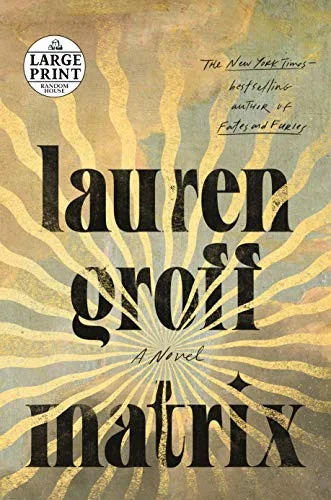

More Free Occult Philosophy Books
View all →