The Amityville Horror
 77
77

The Amityville Horror
Jay Anson's "The Amityville Horror" functions less as a nuanced exploration of the paranormal and more as a relentless catalog of escalating dread. The sheer pace at which the supernatural assaults the Lutz family is the book's primary strength, creating a palpable sense of unease. However, the narrative's reliance on a consistent, overwhelming onslaught can feel repetitive, with little room for subtlety or psychological exploration beyond sheer terror. The alleged phenomena, from disembodied voices to physical manifestations, are presented with a stark, almost journalistic directness, which lends a chilling authenticity to the account. A notable aspect is the repeated manifestation of flies, a recurring motif that becomes a potent symbol of the pervasive, inescapable nature of the haunting. While the book undeniably cemented the Amityville story in the public consciousness, its effectiveness lies in its visceral impact rather than its depth. It's a chilling read that, despite its limitations, remains a significant artifact of 1970s paranormal literature.
📝 Description
77
Jay Anson's 1977 book details the alleged paranormal events experienced by the Lutz family in Amityville, New York.
The Amityville Horror recounts the supposed experiences of the Lutz family following their December 1975 move into a Dutch Colonial house. Over 28 days, they reported a series of escalating paranormal phenomena. Anson compiled these accounts from interviews with the family, describing alleged poltergeist activity, demonic presences, and physical manifestations within the home. The book presents itself as a factual record of these events.
This work appeals to those interested in true crime with a supernatural element, paranormal investigations, and case studies of alleged hauntings. It is relevant for students of haunted house folklore and the cultural impact of such narratives. Readers drawn to psychological suspense and the effects of extreme environments on families will find material here, though the supernatural claims are the primary focus.
Published in 1977, "The Amityville Horror" coincided with a period of heightened public fascination with the paranormal. It tapped into a cultural zeitgeist receptive to unexplained phenomena, psychic research, and UFO sightings. The book became a significant cultural touchstone, influencing how the Amityville case was perceived and shaping subsequent media portrayals and paranormal investigations. Its narrative of a specific location becoming a focal point for malevolent spiritual energy aligns with concepts found in demonology and certain traditions of spiritualism.
⭐ Reader Reviews
Honest opinions from readers who have explored this book.
❓ Frequently Asked Questions
What year did the Lutz family claim to flee the Amityville house?
The Lutz family claimed to have fled the Amityville house on January 14, 1976, after only 28 days of occupancy, citing terrifying paranormal events.
Who is the author of "The Amityville Horror"?
The author of "The Amityville Horror" is Jay Anson, who first published the book in 1977.
What specific location is "The Amityville Horror" associated with?
The book is famously associated with a house located at 112 Ocean Avenue in Amityville, Long Island, New York.
What is the primary subject matter of "The Amityville Horror"?
The primary subject matter is the alleged supernatural experiences of the Lutz family, who claimed their new home was haunted by demonic forces.
Was "The Amityville Horror" based on a true story?
Jay Anson presented the book as a factual account based on interviews with the Lutz family. However, the veracity of the events has been widely debated and questioned over the years.
What kind of paranormal activity did the Lutz family report?
The Lutz family reported a wide range of activities, including disembodied voices, cold spots, levitation, physical attacks, the appearance of demonic figures, and swarms of flies.
🔮 Key Themes & Symbolism
Demonic Infestation
The core theme revolves around the concept of a house being actively and malevolently possessed by demonic entities. The narrative details escalating supernatural occurrences, interpreted as direct attacks by these forces on the Lutz family. This theme explores the idea that a location can become a conduit or prison for malevolent spiritual energy, affecting all who enter. The book posits that the house itself, and its history, invited or amplified this demonic presence, turning a family home into a terrifying crucible.
Psychological and Physical Torment
This theme focuses on the profound psychological and physical toll the alleged haunting took on the Lutz family. The narrative details their increasing fear, paranoia, and exhaustion as they endure constant paranormal assaults. From sleepless nights filled with auditory hallucinations to physical manifestations of fear and distress, the book illustrates the devastating impact on their mental and emotional well-being. The pressure cooker environment created by the alleged phenomena tests their bonds and their sanity.
Faith and Protection
The role of faith, particularly Catholic faith, emerges as a significant theme in the family's alleged struggle against the demonic forces. The presence of Father Mancuso and his attempts at spiritual intervention highlight the conflict between divine protection and overwhelming evil. The narrative suggests that spiritual practices and faith can act as a shield, though the intensity of the alleged haunting implies that even strong faith can be severely tested by such potent malevolence.
The Haunted House Trope
"The Amityville Horror" significantly contributed to and popularized the modern haunted house narrative. It presents a classic archetype: a seemingly ordinary dwelling with a dark past or an inherent susceptibility to paranormal activity. The book details how specific architectural features and the house's history allegedly facilitated the haunting, solidifying many tropes still prevalent in ghost stories today, from unexplained noises to menacing presences.
💬 Memorable Quotes
Direct passages from the work, attributed to the author.
“The flies came in December, a swarm that never seemed to diminish.”
— This refers to a specific, recurring phenomenon reported by the Lutz family. The persistent presence of flies, even in the cold month of December, serves as a potent symbol of the unnatural and inescapable nature of the alleged haunting.
“They felt watched, constantly, even when they were alone.”
— This captures the psychological impact of the alleged haunting – the perpetual sense of unseen observation. It speaks to the invasion of privacy and the erosion of safety within their own home, a hallmark of intense paranormal experiences.
“He heard the voice, low and guttural, whispering his name.”
— This represents the auditory hallucinations reported by the family. The specific detail of a low, guttural voice whispering a name emphasizes the personal and terrifying nature of the alleged demonic communication.
💡 Key Ideas
Editorial paraphrase of the work's core concepts — not direct quotes.
The house was still there, dark and menacing. It looked like it was waiting.
This paraphrased sentiment captures the pervasive feeling of dread associated with the Amityville property. It suggests an animate, malevolent quality to the house itself, portraying it not just as a structure but as an active participant in the unfolding horror.
The priest tried to bless the house, but the evil was too strong.
This paraphrased concept highlights the conflict between spiritual authority and the overwhelming malevolent force described in the book. It underscores the severity of the alleged haunting and the challenges faced by traditional methods of spiritual cleansing.
🌙 Esoteric Significance
Tradition
While not explicitly tied to a single esoteric lineage like Hermeticism or Kabbalah, "The Amityville Horror" appeals to broader traditions concerned with spiritual warfare and the influence of negative entities. It aligns with concepts found in demonology across various cultures and religions, particularly within Christian demonology which posits a hierarchy of evil spirits capable of possessing locations and individuals. The book’s narrative of a house acting as a focal point for malevolent spiritual energy echoes themes present in texts dealing with psychic cleansing and the protection of sacred spaces.
Symbolism
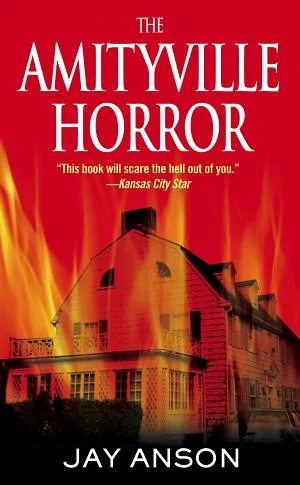
The most potent symbol in the book is the house itself, representing a corrupted sanctuary or a physical manifestation of spiritual decay. The recurring motif of flies, particularly in winter, symbolizes an unnatural, persistent infestation that defies logical explanation and environmental norms, akin to plagues or signs of demonic presence. The 'eye' on the infamous picture of the house often associated with the case serves as a symbol of constant, malevolent surveillance, suggesting the entity within is always watching.
Modern Relevance
The Amityville case, largely due to this book, continues to be a touchstone in popular culture discussions of hauntings and demonic possession. Modern paranormal investigation shows and online communities frequently reference the Amityville story as a benchmark case. Thinkers in fields exploring the psychology of fear and belief, as well as those studying the sociology of modern folklore, often analyze "The Amityville Horror" for its enduring impact on how society perceives and discusses supernatural phenomena and alleged demonic activity.
👥 Who Should Read This Book
['• Enthusiasts of paranormal case studies: Readers interested in documented (or claimed to be documented) accounts of hauntings and demonic activity will find a detailed narrative of alleged events.', '• Students of American folklore and pop culture: Those studying the evolution of ghost stories and the cultural impact of sensational claims will find this book a significant artifact.', '• Skeptics and researchers of anomalous phenomena: Individuals interested in dissecting sensational claims and understanding the psychological and social factors behind belief in the supernatural will find ample material for analysis.']
📜 Historical Context
Published in 1977, "The Amityville Horror" arrived during a cultural moment ripe for sensational paranormal accounts. The late 1970s saw a surge in interest in the occult, UFOs, and psychic phenomena, partly fueled by popular media like "The Exorcist" (1973) and the burgeoning self-help movement exploring spiritualism. Jay Anson's work tapped directly into this zeitgeist, presenting itself as a factual exposé rather than fictional horror. While Anson himself was a screenwriter, the book's narrative style mimicked journalistic integrity. Its reception was immense, quickly becoming a bestseller and sparking widespread fascination and debate. Notably, the book's claims were challenged by some locals and skeptics, including paranormal investigator Hans Holzer, who had investigated the house prior to the Lutz family and later claimed parts of the story were fabricated. The book's success overshadowed earlier accounts and cemented the Amityville location as a primary site in American paranormal lore.
📔 Journal Prompts
The pervasive sense of being watched within the Amityville house.
Father Mancuso's spiritual interventions against the alleged demonic forces.
The symbolic meaning of the recurring swarm of flies in December.
The Lutz family's psychological and physical endurance during their 28 days.
The house at 112 Ocean Avenue as a locus of malevolent energy.
🗂️ Glossary
Poltergeist
A type of paranormal phenomenon characterized by loud noises, physical disturbances such as objects being moved or thrown, and physical and verbal assaults on people.
Demonic Infestation
The belief that a place or object has been taken over or corrupted by demonic entities, leading to supernatural disturbances and malevolent influences.
Residual Haunting
A type of haunting where paranormal activity is thought to be the replaying of past events, like an energetic echo, rather than an interactive spirit.
Intelligent Haunting
A type of haunting where the paranormal entity is believed to be aware and interactive, capable of communication and deliberate action, as opposed to a mere replay of past events.
Lutz family
The central family in "The Amityville Horror," George and Kathy Lutz, along with Kathy's three children, who claimed to have experienced severe paranormal phenomena during their brief stay in the house.
Father Mancuso
The Catholic priest who visited the house and attempted to perform spiritual rites, reportedly experiencing unsettling events himself, as detailed in the book.
112 Ocean Avenue
The specific address of the house in Amityville, Long Island, where the alleged paranormal events described in the book took place.
🔮 Readers Also Liked
Browse all →









More Free Occult Philosophy Books
View all →