Learn to Lucid Dream
 75
75

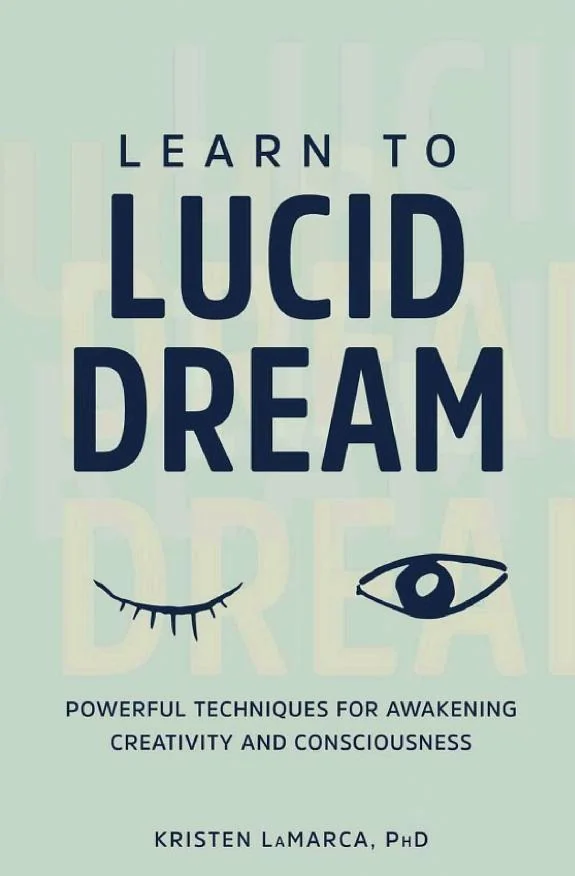
Learn to Lucid Dream
Kristen LaMarca's "Learn to Lucid Dream" presents a solid, if somewhat conventional, primer on a fascinating subject. The book's strength lies in its organized structure, breaking down the process of achieving lucidity into manageable steps. LaMarca avoids overly mystical jargon, grounding the practice in accessible language that should appeal to beginners. A particularly effective section details various **reality testing techniques**, which are crucial for bridging waking awareness with the dream state. However, the work occasionally feels a bit dry, lacking the evocative flair that might fully capture the wonder of dream exploration. While the 2019 publication date places it within a modern context of consciousness studies, it doesn't always push the boundaries of established lucid dreaming literature. Nonetheless, for someone seeking a clear, step-by-step guide to entering their dreams consciously, LaMarca's book offers a reliable starting point.
📝 Description
75
Kristen LaMarca's 2019 book offers practical techniques for conscious dream exploration.
Kristen LaMarca's "Learn to Lucid Dream," published in 2019, provides a structured method for achieving conscious awareness within dreams. The book moves past simple anecdotes to offer a clear guide for readers interested in understanding and influencing their dream states. LaMarca's approach aims to give individuals practical tools for recognizing when they are dreaming and then taking control of the dream experience. This work connects the personal, subjective nature of dreaming with more objective ways of understanding it. It uses elements from psychological study and spiritual exploration to guide readers toward self-discovery through their subconscious.
This guide is particularly suited for those new to lucid dreaming who want a thorough yet easy-to-understand introduction. People focused on personal development, increasing self-awareness, and unlocking their mind's potential will find this book valuable. It is also for readers curious about how consciousness, sleep, and the subconscious mind interact. Those who have had vivid dreams or nightmares and wish to better understand or manage them will also benefit. The book's step-by-step format is ideal for learners who prefer a methodical process.
Emerging in a period of renewed interest in consciousness studies and altered states, "Learn to Lucid Dream" engages with a tradition that traces back to ancient practices. While figures like Stephen LaBerge brought lucid dreaming into modern discourse in the late 20th century, LaMarca's work contributes to a contemporary movement making these concepts accessible. It is part of a broader dialogue that includes scientific sleep research and a popular resurgence of interest in esoteric and contemplative practices, offering a modern perspective on intentionally engaging with the dream state.
💡 Why Read This Book?
• You will learn specific, actionable **reality testing techniques** to cultivate dream awareness, a core method for achieving lucidity that you can begin practicing immediately. • You will gain an understanding of how to interpret dream symbols within the context of your personal psychology, moving beyond generic dream dictionaries to personalized insights. • You will discover methods for consciously interacting with and influencing your dream environment, potentially transforming nightmares into opportunities for growth, as detailed in chapters on dream manipulation.
⭐ Reader Reviews
Honest opinions from readers who have explored this book.
❓ Frequently Asked Questions
What is the primary goal of Kristen LaMarca's 'Learn to Lucid Dream'?
The primary goal is to provide readers with a methodical guide to achieving lucid dreaming, enabling them to become consciously aware within their dreams and potentially influence dream events.
When was 'Learn to Lucid Dream' first published?
The book was first published on October 22, 2019, placing it within contemporary discussions on consciousness and dream studies.
Does the book cover the science behind lucid dreaming?
Yes, the book aims to cover both the scientific and spiritual aspects of dreaming, offering a balanced perspective on the phenomenon.
What are 'reality checks' as mentioned in the book?
Reality checks are techniques practiced during waking hours to condition the mind to question its state, thereby increasing the likelihood of recognizing one is dreaming.
Is this book suitable for absolute beginners in dream work?
Yes, the book is explicitly designed as a beginner's guide, offering a structured introduction to the practice of lucid dreaming.
Can lucid dreaming help with nightmares?
The book suggests that by learning to control dream narratives, individuals can confront and potentially overcome nightmares, transforming them into less frightening experiences.
🔮 Key Themes & Symbolism
Conscious Dream Navigation
The central theme is achieving conscious awareness within the dream state, known as lucidity. LaMarca outlines systematic methods, including consistent reality testing and dream journaling, to cultivate this awareness. The book frames lucid dreaming not merely as an interesting phenomenon but as a practical skill that can be developed through dedicated practice, allowing individuals to actively participate in and shape their dream experiences rather than being passive observers.
Subconscious Exploration and Self-Insight
Beyond mere awareness, the book emphasizes the profound potential of lucid dreams for self-discovery. By entering the dream state consciously, readers are encouraged to engage with their subconscious mind, exploring its symbols, narratives, and underlying emotions. This exploration is presented as a pathway to understanding personal motivations, unresolved issues, and hidden aspects of the self, offering a unique mirror to one's inner world.
Dream Manipulation and Empowerment
A significant aspect of the guide involves learning to exert control within the lucid dream. This can range from simple acts like flying or changing scenery to more complex interactions, such as confronting dream figures or overcoming fears manifested as nightmares. The theme here is empowerment; by gaining agency in the dream world, readers can develop confidence and problem-solving skills that may translate to their waking lives.
Bridging Science and Spirituality
LaMarca's work attempts to synthesize the scientific understanding of sleep and consciousness with the more spiritual or metaphysical interpretations of dreams. It acknowledges the neurological processes involved in dreaming while also respecting the subjective, often profound, meaning individuals derive from their dream experiences. This dual approach aims to provide a comprehensive framework for understanding and engaging with the phenomenon of lucid dreaming.
💬 Memorable Quotes
Direct passages from the work, attributed to the author.
“The subconscious mind speaks in the language of dreams.”
— This statement highlights the core idea that dreams are not random firings but carry meaningful messages from our deeper selves, accessible through conscious exploration.
“Recognizing the dream is the first step to controlling it.”
— This emphasizes the crucial role of developing awareness (lucidity) as the foundational skill upon which all other lucid dreaming techniques, like manipulation or exploration, are built.
“Your dreams are a personal landscape for growth.”
— This interpretation suggests that the dream world is not just a passive experience but an active space where individuals can confront challenges and foster personal development.
“Explore the 'what ifs' of your inner world.”
— This encourages an experimental and curious approach to lucid dreaming, suggesting it's a safe space to test boundaries, explore desires, and understand oneself without waking-world consequences.
💡 Key Ideas
Editorial paraphrase of the work's core concepts — not direct quotes.
Regular reality checks condition the mind for lucidity.
This paraphrased concept points to the practical methodology of using specific waking exercises to train the brain to question its reality, thereby triggering awareness within a dream.
🌙 Esoteric Significance
Tradition
While not strictly adhering to a single esoteric lineage, "Learn to Lucid Dream" draws implicitly from traditions that emphasize inner exploration and the power of the mind. It aligns with practices found in Hermeticism and certain branches of Western esotericism that view the inner world as a microcosm of the macrocosm, and the mind as a tool for accessing deeper truths. The book's focus on conscious manipulation of subjective reality appeals to concepts of magical will and intentionality, though framed through a modern psychological lens.
Symbolism
The primary symbol is the **dream itself**, representing the subconscious, the hidden self, and a field of limitless potential. **Nightmares** function as symbolic manifestations of fear or unresolved conflict, offering opportunities for confrontation and integration. The act of **flying** within a lucid dream is often interpreted as a symbol of freedom, transcendence, or gaining a new perspective on one's life circumstances.
Modern Relevance
This work is relevant to contemporary practices in mindfulness, consciousness hacking, and personal development. Thinkers and practitioners in fields like lucid dreaming research (building on LaBerge's legacy), biofeedback, and even certain therapeutic modalities that utilize guided imagery can find value in LaMarca's methodical approach. The book's emphasis on practical, repeatable techniques makes it a touchstone for individuals seeking accessible methods to explore their inner landscapes.
👥 Who Should Read This Book
• **Aspiring Dream Explorers:** Individuals new to lucid dreaming who seek a clear, step-by-step guide to understanding and practicing conscious dream awareness. • **Personal Growth Enthusiasts:** Readers interested in self-discovery and psychological insight, looking for techniques to access their subconscious and gain a deeper understanding of themselves. • **Mindfulness Practitioners:** Those familiar with mindfulness techniques who wish to extend their practice into the dream state, using lucidity as a tool for heightened awareness and intentionality.
📜 Historical Context
Published in 2019, Kristen LaMarca's "Learn to Lucid Dream" arrives amidst a sustained public and academic fascination with consciousness. The late 20th and early 21st centuries have seen a revival of interest in altered states, influenced by figures like **Stephen LaBerge**, whose work at the **Lucidity Institute** was important in bringing scientific rigor to lucid dreaming research. LaMarca's book enters a field that also includes contemplative traditions and psychological theories of dreaming, such as those stemming from Jungian analysis, which emphasize symbolic interpretation. While not explicitly engaging with a specific contemporary debate, the book implicitly responds to a growing desire for self-exploration tools that blend psychological insight with accessible, practical techniques, positioning itself as a modern guide within a long lineage of dream exploration.
📔 Journal Prompts
Reflect on the concept of **reality checks** and how incorporating them into your day might alter your perception.
Analyze a recurring dream symbol and consider its potential meaning within your personal subconscious landscape.
Describe a desired lucid dream scenario and the steps you might take to manifest it.
Consider the relationship between your waking anxieties and the content of your typical dreams.
Explore the feeling of **flying** in a dream: what freedoms or perspectives might it represent for you?
🗂️ Glossary
Lucid Dreaming
The state of being aware that one is dreaming while the dream is occurring. This awareness allows for potential conscious control over the dream narrative and environment.
Reality Check
A technique performed during waking life, designed to question whether one is dreaming. Consistent practice increases the likelihood of performing this check within a dream, thus inducing lucidity.
Dream Journal
A record kept by individuals of their dreams, typically written upon waking. It helps in improving dream recall and identifying recurring themes or symbols.
Subconscious Mind
The part of the mind of which one is not directly aware, but which influences feelings and actions. Dreams are often seen as a primary way the subconscious communicates.
Dream Manipulation
The act of consciously altering elements within a lucid dream, such as changing the environment, conjuring objects, or influencing characters.
Dream Recall
The ability to remember dreams after waking. Improving dream recall is often a prerequisite for practicing lucid dreaming techniques.
Pre-lucid Dream
A dream state where the dreamer experiences a fleeting sense of doubt about their reality, indicating potential for lucidity but not yet achieving full awareness.
This book appears in 1 collection
🔮 Readers Also Liked
Browse all →









From the “Dream Yoga” Collection
View all →







More Free Occult Philosophy Books
View all →